
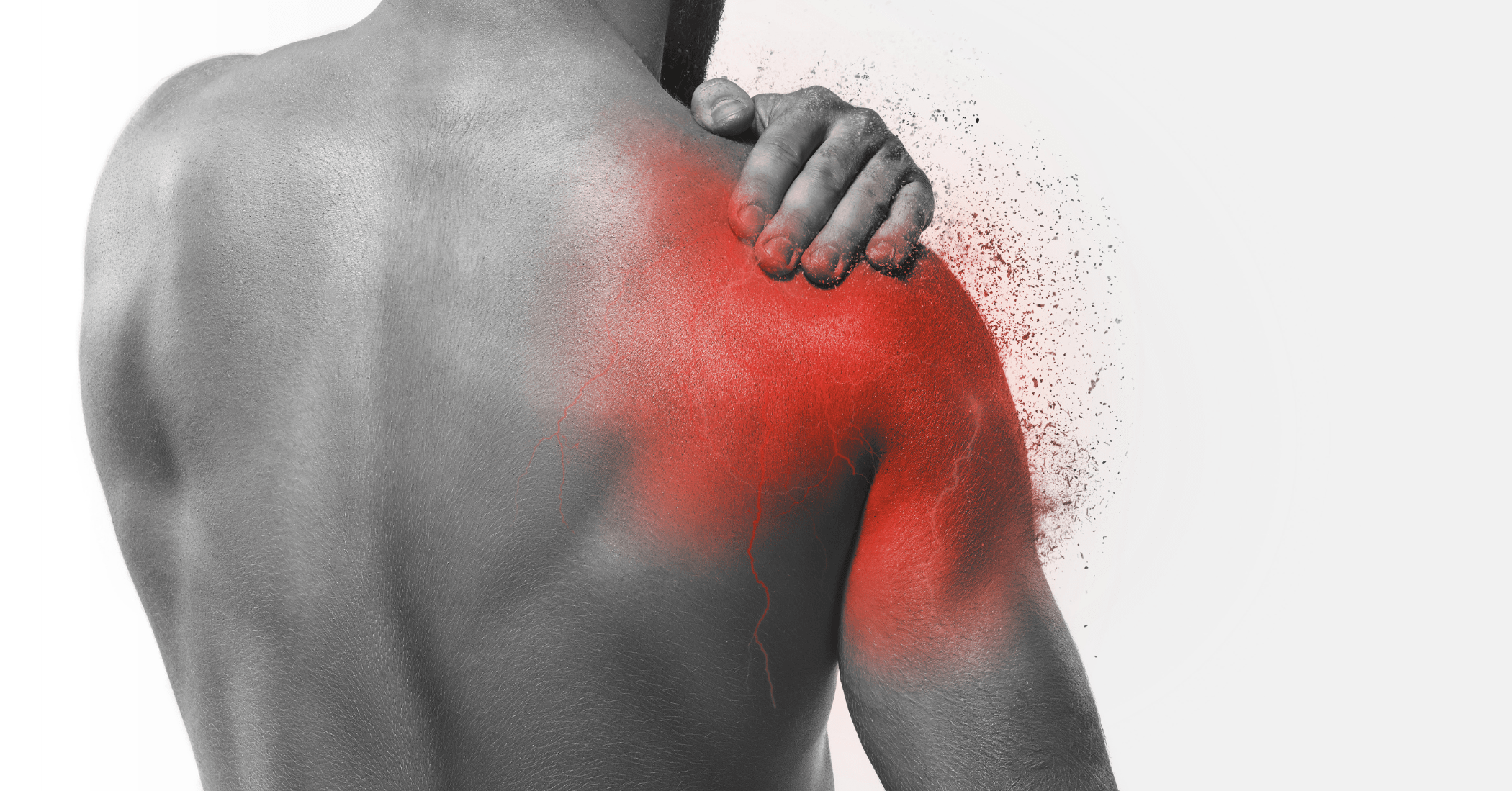
If you’ve landed on this page, chances are you or someone close to you has been hit by one of the most intense, confusing and frankly terrifying conditions affecting the shoulder and arm. Parsonage-Turner syndrome doesn’t get talked about nearly enough, and when it does it’s often misunderstood or brushed off entirely. We’ve worked with people who spent months being told they had a frozen shoulder, only to find out their brachial plexus had been under attack the whole time.
This is your starting point. We’ve pulled together everything you need to know about Parsonage-Turner syndrome into one place. Each section links to a deeper article if you want to go further — pick the topics that matter to you and skip what doesn’t.
So, we put this guide together. It’s long, it’s detailed, and it covers everything from the basic science through to what recovery actually looks like in practice. We’ve linked out to our more targeted articles on getting the right diagnosis, exercise and rehabilitation, the phases of recovery, and how your brain adapts after nerve injury. But this page is your starting point, your overview, and hopefully the thing that helps you feel a bit less lost in all of this.
And if you’re someone with an existing hypermobility condition who has also been hit with PTS, you’re definitely in the right place. We see a lot of overlap in the people we work with, and the approach we take already accounts for the kind of neurology-first thinking that Parsonage Turner syndrome demands.
What Is Parsonage-Turner Syndrome?
Parsonage-Turner syndrome (PTS), also known as neuralgic amyotrophy or brachial neuritis, is an inflammatory condition that attacks the brachial plexus, the network of nerves running from the neck through the shoulder and into the arm. It’s essentially the motorway system carrying signals between your brain and your upper limb. When PTS hits, it causes sudden, severe pain followed by weakness and muscle wasting, usually in one shoulder and arm, though bilateral cases do happen [1].
The condition was first described by Parsonage and Turner back in 1948, when they noticed a pattern of shoulder pain and weakness in soldiers [2]. It’s been called a lot of things over the years, neuralgic amyotrophy, brachial plexus neuritis, brachial plexopathy, and you’ll see us switch between these names throughout this guide because the medical literature can’t seem to settle on one either.
What makes PTS tricky is that it’s not a structural problem you can see on an X-ray. It’s an immune-mediated attack on the nerves themselves, and that changes everything about how it needs to be treated. If you’ve experienced chronic pain before, you’ll know the neuropathic pain that comes with PTS is a particularly nasty variety.
The reported incidence is somewhere around 1.64 to 3 per 100,000, but the true incidence is probably more like 20 to 30 per 100,000 because so many cases get missed or misdiagnosed [3]. That’s roughly 10 times more common than the official numbers suggest, which is a lot of people walking around with the wrong diagnosis.
What Causes Parsonage-Turner Syndrome?
The exact cause of PTS isn’t fully understood, and we’re going to be honest about that. The current thinking points towards an immune-mediated mechanism, something triggers the immune system to attack the brachial plexus nerves, and the result is inflammation, damage, and all the symptoms that follow [4].
But what actually pulls that trigger? Well, the research has identified several common preceding events:
- Viral infections (upper respiratory infections being the most common)
- Surgery (even procedures nowhere near the shoulder)
- Vaccinations
- Physical trauma or unusual exertion
- Pregnancy and childbirth
- Autoimmune conditions
We’ve covered the COVID and vaccination connection in a separate article because there’s been a significant uptick in research on this since 2020. It’s worth reading if your PTS started after an infection or a jab, though we should stress that the vast majority of vaccinations don’t cause PTS and the benefits still overwhelmingly outweigh the risks.
There’s also a hereditary form of PTS, which accounts for roughly 10% of cases. This is linked to mutations in the SEPT9 gene, and it’s worth knowing about because those with the hereditary form have a recurrence rate of about 75%, compared to around 26% for the sporadic form [5]. So if you’ve had PTS more than once, or if close family members have had it, that genetic component is something to discuss with your doctor.
When it comes to the immune mechanism itself, the theory is that an immune response gets misdirected. Instead of fighting the virus or responding to the vaccine appropriately, the immune system targets the myelin sheath surrounding the brachial plexus nerves. It’s similar in concept to other autoimmune conditions where the body attacks its own tissue, and for those familiar with EDS flare-ups, you’ll recognise that pattern of the body seemingly turning on itself.
However, not everyone who gets a cold or has surgery develops PTS. There appears to be an underlying susceptibility in certain people, the research just hasn’t pinned down exactly what makes one person vulnerable whilst another isn’t.
Recognising the Symptoms
PTS typically unfolds in three distinct phases, and understanding these can make a huge difference to how you approach treatment and what you can expect. We’ve written a detailed breakdown of each recovery phase, but here’s the overview.
Phase 1: The Acute Pain Phase
This is the one that catches people completely off guard. The pain arrives suddenly, often in the middle of the night, and it’s severe. We’re talking 8 to 10 out of 10 pain. People describe it as sharp, burning, stabbing, or like someone has set their shoulder on fire [6]. Night pain is particularly characteristic, and if you’ve ever dealt with coat hanger pain in the upper back and shoulder area, you’ll know how disruptive that kind of night-time pain can be.
Here’s what often happens though. Someone goes to A&E or their GP with this terrible shoulder pain, and they get told it’s a musculoskeletal issue. Maybe a rotator cuff tear, maybe frozen shoulder. And that’s the start of a diagnostic odyssey that can go on for months. We cover this in depth in our article on PTS diagnosis and misdiagnosis.
Phase 2: Weakness and Muscle Wasting
As the acute pain starts to settle (though it doesn’t always go completely), weakness becomes the dominant feature. This is the phase that’s often most frightening for people, you notice that muscles aren’t working properly. The shoulder might droop. You can’t lift your arm above your head. Everyday tasks like washing your hair or reaching for a cupboard become impossible.
Muscle atrophy can develop quite quickly, sometimes within weeks. The suprascapular and long thoracic nerves are commonly involved, which means the muscles around the shoulder blade are often hit hard. You might notice winging of the scapula where the shoulder blade sticks out prominently. This phase can last 6 to 18 months, and it’s during this time that appropriate rehabilitation becomes absolutely essential.
Phase 3: Recovery
The good news is that most people do recover. Research suggests that around 89% of those with PTS recover meaningful function with appropriate physiotherapy within 3 years. About 75% recover within 2 years, and roughly 36% show significant improvement within the first year [8].
However, and this is the bit that doesn’t get talked about enough, around 60% of people are left with some degree of residual neuropathic pain, and up to 70% don’t achieve complete return of motor function [7]. So while recovery is the norm, full recovery to exactly where you were before isn’t always realistic. That’s not meant to be discouraging, it’s meant to be honest, because managing expectations properly is actually one of the most important things when it comes to rehabilitation.
The principles of pacing become really valuable here. Recovery from PTS isn’t linear, there are good days and bad days, and learning to pace your activity and your rehabilitation is something that makes a genuine difference to outcomes.
How PTS Is Diagnosed
Getting the right diagnosis is, frustratingly, one of the biggest challenges with Parsonage-Turner syndrome. The clinical picture is actually quite distinctive once you know what you’re looking for, but because PTS is thought to be rare, a lot of clinicians simply don’t have it on their radar.
The typical diagnostic process involves:
- Clinical history and examination (the pattern of sudden severe pain followed by weakness is the key clue)
- Electromyography (EMG) and nerve conduction studies (these can confirm nerve damage and pinpoint which nerves are affected)
- MRI of the brachial plexus (to rule out structural causes and sometimes to visualise nerve inflammation)
- Blood tests (to check for inflammatory markers and exclude other conditions)
What typically goes wrong is that clinicians stop at the shoulder. They see shoulder pain, they think shoulder problem, and when it comes to investigations they order an X-ray rather than the EMG that would actually confirm PTS. You get sent off with a diagnosis of frozen shoulder or rotator cuff tendinopathy, and the nerve conduction study doesn’t get ordered until much later.
We’ve written a much more detailed article on the diagnostic process and common misdiagnoses, including what to ask your doctor. For those with hypermobility this is particularly relevant because shoulder problems are so common in EDS and HSD that a PTS episode can easily get lost in the noise. If you’ve been dealing with hypermobile elbows or wrist instability, a new shoulder problem might just feel like more of the same.
The impact of medical trauma comes into play here too. Going through months of being told nothing is wrong takes a real toll, and for those who have already experienced medical gaslighting around their hypermobility, another round of not being believed can be devastating.
Treatment and Recovery Approaches
Right, so you’ve got a diagnosis (or you strongly suspect PTS). What now? Treatment for Parsonage Turner syndrome is broadly divided into three areas: pain management in the acute phase, rehabilitation during the weakness phase, and ongoing management of any residual symptoms.
Pain Management
During that initial acute phase, pain control is the priority. Standard over-the-counter painkillers often don’t cut it with neuropathic pain. Corticosteroids given early may help shorten the pain phase, though the evidence is mixed [9]. We’ve put together a separate article on managing pain in the acute phase because it deserves its own coverage.
One thing we always flag is that the pain experience in PTS isn’t purely about nerve damage in the periphery. The brain plays a massive role in how pain is processed, and addressing the central nervous system component alongside the peripheral damage gives better results. This doesn’t mean the pain isn’t real, it means that a broader approach works better. If you’ve dealt with neuropathic pain before, you might recognise similarities with complex regional pain syndrome (CRPS), which shares some common features with PTS in terms of how the nervous system responds to injury.
Rehabilitation
This is where things get really interesting from our perspective. Traditional physiotherapy for nerve injuries focused heavily on strengthening, stretching, and range of motion. And those things matter. But they miss a piece of the puzzle.
When the brachial plexus is damaged, it disrupts the entire communication system between your brain and your arm. The cortical maps start to change [10]. Motor planning goes awry. And if you just try to strengthen muscles without addressing those neurological changes, you’re essentially trying to drive a car with a faulty GPS. We go deep into this in our article on brain changes after PTS, but the short version is that modern PTS rehabilitation needs strategies that target cortical reorganisation. Approaches like mirror therapy, motor imagery, and sensory re-education have all shown promise [11][12].
For those with hypermobility who are used to the idea of exercise being about more than just muscles, this will sound familiar. And that’s exactly the approach we use.
When Surgery Might Be Considered
Surgery isn’t the first port of call for PTS, but it can be genuinely helpful. Neurolysis, where scar tissue is removed from around the damaged nerve, has shown impressive results. One study found 80.6% of patients achieved full functional recovery after neurolysis, compared to around 50% showing no improvement with conservative treatment alone [13].
However the decision to operate is complex and depends on several factors including how long it’s been since onset, which nerves are affected, and whether conservative treatment has been given enough time. It’s not a quick fix and it’s not appropriate for everyone. Your neurologist and surgeon should be making this decision together based on your specific situation.
Why Your Brain Matters More Than You Think
Now, this is something we’re genuinely passionate about, and it’s one of the areas where we think the standard approach to PTS falls short. When your brachial plexus gets damaged, the effects don’t stop at the nerve. They ripple all the way up into the brain itself.
A fascinating fMRI study from 2022 looked at 39 patients with neuralgic amyotrophy and found decreased cerebral activity in visuomotor areas, with a direct correlation between this decreased activity and persistent pain [10]. That’s a big deal. It tells us that PTS isn’t just a peripheral nerve problem, it’s a brain problem too.
This phenomenon is called maladaptive plasticity. When it comes to how your brain adapts, it’s constantly reorganising based on the signals it receives. When those signals are disrupted by nerve damage, the brain’s maps of your body become distorted. It’s a bit like trying to tune an old television, the signal keeps breaking up and eventually you’re just left with static. When the input from the brachial plexus becomes unreliable, the brain’s representation of your shoulder and arm gets fuzzy.
Why does this matter practically? Because you could get perfect nerve regeneration and still have functional problems if the cortical maps haven’t been restored. And this is where concepts like neurological processing become relevant. We cover this much more thoroughly in our article on your brain after PTS.
Our Approach at The Fibro Guy
So, how do we actually work with people who have PTS? Well, if you’ve read any of our other content you’ll know that when it comes to rehabilitation, we don’t approach things from a purely muscular perspective. Our work has always been rooted in the idea that the nervous system is the key, whether that’s with those with hypermobility, chronic pain, or peripheral nerve injuries like PTS.
Sensory Mapping and Tactile Cues
This is probably the thing that most distinguishes what we do. We use tactile cues, external feedback through touch, pressure, and texture, to help the brain rebuild its representation of the affected arm and shoulder. Sensory mapping is how we start to correct those distorted cortical maps. The research backs this up, tactile interaction with different textures and temperatures is effective for sensory re-education [11], and mirror visual feedback creates stronger motor-sensory connections than classical rehab alone [12].
For those with hypermobility and EDS who’ve worked with us before, this will feel familiar. The same sensory-first approach we use for core stability and motor learning in the lower limb translates directly to PTS rehabilitation.
Progressive Motor Learning
We don’t just ask people to “strengthen” their shoulder. When it comes to nerve injuries, strengthening implies the muscle already knows what to do and just needs more capacity. But the communication pathway has been disrupted. So we use progressive motor learning, reteaching the brain how to plan and execute movements. This might look like targeted scapular control work progressing through to more functional movements, not unlike the approach we take with shoulder blade rehabilitation but adapted for PTS specifically. We’ve detailed exercise progressions in our PTS exercise and rehabilitation article.
Managing Fear and Avoidance
After the kind of pain that PTS delivers, it’s completely understandable that people become afraid to move their arm. And that fear of movement can become its own barrier to recovery if it isn’t addressed directly. The cycle of pain, fear, avoidance and more pain feeds on itself. Breaking it requires graded exposure, education, and building genuine confidence, it’s about gradually expanding what feels safe rather than pushing through pain.
The anxiety that often accompanies a PTS diagnosis shouldn’t be underestimated either. Addressing the emotional component isn’t a luxury, it’s a necessary part of rehabilitation.
External Support Strategies
During the weakness and early recovery phases, things like KT tape and compression garments can provide proprioceptive feedback to the affected area. They’re giving the brain additional information about where the arm is in space, and for those with hypermobility who already have reduced proprioception that extra input can be really valuable.
Likewise, people with PTS often develop compensatory patterns, the shoulder hikes, the trunk shifts. If these become entrenched they create their own problems. Issues like rib subluxations from altered shoulder mechanics or postural adaptations resembling scoliosis patterns are things we keep an eye on.
Living With PTS: What the Community Says
Something that doesn’t get mentioned enough in clinical articles about Parsonage-Turner syndrome is just how isolating it can be. Most people have never heard of PTS, including a good number of healthcare professionals. So when you tell someone what you have, you often get blank stares.
From what we’ve seen in patient communities and from our own clients, a few themes come up again and again: the misdiagnosis period is one of the most stressful parts, muscle wasting is frightening and demoralising, recovery is much slower than expected, and many people feel abandoned by the healthcare system once the acute phase is over. If any of that rings true, you’re not alone.
We’ve written extensively about living with Parsonage-Turner syndrome including personal stories and practical tips. It’s one of our most popular articles and well worth a read alongside this guide.
Side note, and this is a bit of a tangent but it’s something I think about quite a lot. The way we talk about “rare” conditions has always bothered me slightly. PTS is called rare, but we’ve established the true incidence might be 10 times higher than reported. How many conditions labelled as rare are actually just under-recognised? But I digress.
The Bigger Picture: PTS, Breathing and Fatigue
One thing that doesn’t get covered much in standard PTS resources is the knock-on effect on breathing mechanics. When the muscles around the shoulder girdle are compromised, the accessory breathing muscles can be affected too, the scalenes, the upper trapezius, the serratus anterior all play a role in breathing as well as shoulder movement [14]. For those already dealing with breathing pattern dysfunction or CO2 tolerance issues, PTS can make things considerably worse.
This connects back to why when it comes to PTS rehabilitation we think of it as a whole-person issue. The nerve damage happens at the brachial plexus, but its effects reach into pain processing, sleep, breathing, and daily function.
Frequently Asked Questions About Parsonage-Turner Syndrome
Is Parsonage-Turner syndrome the same as a pinched nerve?
No. A pinched nerve (cervical radiculopathy) is caused by physical compression, usually from a disc or bone spur in the neck. PTS is an inflammatory immune-mediated attack on the brachial plexus nerves. The treatment and prognosis are quite different. However, PTS is frequently misdiagnosed as a pinched nerve because the symptoms can overlap in the early stages [3].
How long does recovery from PTS take?
This varies enormously. Research suggests around 36% recover substantially within the first year, 75% within two years, and 89% within three years with appropriate physiotherapy [8]. But these are averages, your timeline depends on which nerves are affected, severity of the damage, and quality of rehabilitation. We’ve mapped out realistic expectations in our recovery phases article.
Can PTS come back?
Unfortunately, yes. The recurrence rate for the general (sporadic) form of PTS is about 26%. For those with the hereditary form linked to SEPT9 gene mutations, recurrence is much higher at around 75% [5]. Recurrent episodes can affect the same or different nerves. There’s currently no proven way to prevent recurrence, though managing known triggers (infections, excessive physical stress) is sensible.
Can you get PTS from the COVID vaccine?
There have been documented cases of PTS occurring after COVID-19 vaccination and after COVID-19 infection itself. This can happen with many types of vaccines, not just COVID ones, and the absolute risk is extremely low. We cover this thoroughly in our PTS and COVID article.
What’s the difference between PTS and thoracic outlet syndrome?
They can look similar because both involve nerve-related symptoms in the shoulder and arm. Thoracic outlet syndrome (TOS) involves compression of nerves or blood vessels between the collarbone and first rib, and tends to be more positional. PTS has that characteristic sudden onset of severe pain followed by weakness. An EMG can usually distinguish between the two.
Should I rest completely or try to exercise?
This depends entirely on which phase you’re in. During the acute pain phase, rest is the priority. But once that has settled, appropriate guided exercise is essential. The key word is “appropriate”, generic shoulder exercises from YouTube won’t address the neurological component of PTS. Our PTS exercise article covers the principles that should guide your rehabilitation.
Where to Go From Here
If you’ve made it this far, you’ve got a solid overview of what Parsonage-Turner syndrome is, what causes it, how it’s diagnosed, and what recovery looks like. But this is just the hub, and we’ve built out a full set of resources to help you with the specifics:
- How PTS Is Diagnosed (And Why It’s So Often Missed)
- The Three Phases of PTS Recovery
- Exercise and Rehabilitation for PTS
- Your Brain After PTS: Why Sensory Mapping Matters
- Managing Pain in the Acute Phase
- PTS and COVID-19: What the Research Shows
- Living With Parsonage-Turner Syndrome (our original, in-depth blog)
Recovery from neuralgic amyotrophy isn’t quick and it isn’t always straightforward. But most people get back to a good level of function with the right support. If you’re feeling overwhelmed, start with the phase you’re currently in and go from there.
And if you’d like to work with us directly, we’re here. Whether you’re in the acute phase or months into recovery, our approach built on sensory mapping, motor learning and understanding how the brain adapts to injury is specifically designed for conditions like this.
You’ve got this. It won’t always feel like it, but recovery is happening, even on the days when it doesn’t seem like it.
– The Fibro Guy Team –
Where to Go From Here
If you’re working through recovery from Parsonage-Turner syndrome, the principles we use in our studios — neuron-first rehab, sensory mapping, graded loading — are the same ones that underpin our Hypermobility 101 course. It covers the frameworks for rebuilding joint control and proprioception that are directly relevant to PTS recovery. Have a look through the full course library for everything we offer.