
Last updated August 2026
You have been told your joints are “just a bit hypermobile.” Or maybe you have been handed a diagnosis of hEDS and left to Google it on your own. Either way, you are probably dealing with a body that does not quite work the way everyone else’s seems to, with pain that is hard to explain, fatigue that does not respond to sleep, and a string of symptoms that do not seem connected on the surface but somehow all live in the same person.
That is not coincidence. It is connective tissue.
This is your starting point. We have pulled together everything you need to know about hypermobility and Hypermobile Ehlers-Danlos syndrome into one place. Each section expands when you click it, and links to a deeper article if you want to go further. Pick the topics that matter to you and skip what does not.
Looking for the exercise side of all this?
If you want the practical movement and rehab piece, the companion guide goes deep on what works, what does not, joint by joint videos, taping, motor learning, foot arches, the lot. It is the most useful place to start if pain and instability are the main issues.
- What Is Hypermobility and hEDS?
- Exercise and Movement
- How Are HSD and hEDS Diagnosed?
- Common Symptoms and Conditions Beyond Laxity
- Why Does It Hurt?
- POTS and Dysautonomia
- Flare-ups, Fatigue, and Pacing
- Children and Young People
- Medication: What Works, What Does Not, and What Nobody Has Tested
- Hormones, Reproductive Health and the Pelvic Floor
- Braces, Supports, KT Tape and Compression
- Diet, Nutrition and Supplements
- Head, Neck, Jaw and Throat
- Teeth, Gums and the Dentist
- Does Hypermobility Get Worse With Age?
- Getting the Right Support
- Chronic Pain, Relationships and Intimacy
- Where to Go From Here
- References
What Is Hypermobility?

Hypermobility means a joint moves further than you’d expect for someone’s age and sex. That’s the simple version. On its own it isn’t a diagnosis, and for plenty of people it never causes a moment’s trouble. The authors of the framework the current classification is built on put it plainly: joint hypermobility “is frequently a symptomless trait”. The gymnast who never has a bad day is real person in the world.
How common it is depends heavily on who you measure. It’s reported more often in women than in men, and more often in African, Asian and Inuit populations than in European ones. It also fades. Joint range of motion decreases with age, so someone who could fold in half at fifteen may score unremarkably at forty five.
It also matters how many joints are involved. Hypermobility in one or a few types of joint, usually fewer than five, is called localised. Across many, usually five or more, it’s generalised.
The trouble starts when hypermobility comes with pain, instability, fatigue or the other problems that make daily life harder. That’s where it stops being a trait and picks up one of two labels, and those two get confused constantly.
Read More
Hypermobility Spectrum Disorder (HSD)
HSD is the label for hypermobility that’s causing problems when those problems aren’t explained by any other condition, hEDS included. The 2017 paper that created it describes it as a diagnostic label for “symptomatic joint hypermobility but not corresponding to any other syndromes with joint hypermobility”. It’s plural on purpose. There are four, depending on whether the hypermobility is generalised, peripheral (hands and feet), localised, or historical, meaning it was there earlier in life and can’t be measured now. HSD is also the commonest diagnosis among people whose hypermobility is clinically relevant.
What HSD isn’t, yet, is a proven connective tissue disorder. Its molecular basis is unknown, and the 2017 authors said it was “premature” to define HSD as a Mendelian disorder of the soft connective tissue. That says nothing about how real the symptoms are. It says nobody yet knows what’s underneath them.
Hypermobile Ehlers-Danlos Syndrome (hEDS)
hEDS is the most common subtype of EDS. It’s characterised by generalised joint hypermobility combined with a specific cluster of additional features: systemic connective tissue involvement, a positive family history, and the absence of conditions that would otherwise explain the symptoms. Unlike the other 12 EDS subtypes, hEDS has no identified genetic marker. It can’t be confirmed or ruled out through a blood test, which creates significant diagnostic challenges.
Together, hEDS and HSD are far more common than most clinicians are taught. Population data suggests their combined prevalence is likely greater than 1 in 500. Some estimates put it considerably higher. For context, this makes the hEDS/HSD group one of the most common underdiagnosed connective tissue conditions in clinical practice.
How Are HSD and hEDS Diagnosed?

Neither HSD nor hEDS has a blood test, a scan or a gene to look for. Both are diagnosed by a clinician taking your history and examining you, and both turn on the same two questions: is the hypermobility actually causing problems, and has everything else that could explain those problems been ruled out? Where they part company is how much more hEDS asks for on top.
Read More
The paper that set out the current hEDS criteria is upfront about the weak spot. With no “gold standard” laboratory test to confirm or refute the diagnosis, its authors expected the criteria to need further revision as the research caught up. So read what follows as the current standing rather than the last word on it.
Hypermobility Itself
Hypermobility on its own isn’t a diagnosis. It’s a finding, and the first job is working out how many joints it involves. For the generalised kind, the most recognised tool is the Beighton score: nine points from five movements, covering the little fingers, the thumbs, the elbows, the knees, and palms flat on the floor with the knees straight.
The score that counts as positive in the hEDS criteria moves with age: 6 or more before puberty, 5 or more from puberty up to 50, and 4 or more over 50. That’s because joint range of motion decreases with age, so a single cut off of five risks over diagnosing children and under diagnosing older adults. If someone scores one point under their cut off and answers yes to at least two questions on a short five part questionnaire about what their joints can do now or could do in the past, that also counts as generalised hypermobility.
The score doesn’t test the shoulders, hips, ankles or jaw at all, which is one reason it gets argued about so much. Hypermobility confined to the hands and feet is called peripheral, and hypermobility in a single joint or area is called localised. In both, the Beighton score is usually negative.
Hypermobility Spectrum Disorders (HSD)
HSD is diagnosed from your history and an examination, and it’s a diagnosis of exclusion. The 2017 framework that created it describes the HSDs as “descriptive and exclusion diagnoses” [2].
Two things have to be true. First, the hypermobility has to be causing problems rather than just being there, things like pain, injury, instability and early wear in the joints. Second, nothing else explains it. That means considering and ruling out hEDS and the other types of EDS, along with other overlapping inherited and acquired conditions. The list of what has to be excluded includes other heritable connective tissue disorders such as Marfan syndrome, autoimmune conditions such as lupus and rheumatoid arthritis, chromosomal conditions and neuromuscular disorders.
Which of the four types you’re given depends on the pattern. Generalised HSD is hypermobility throughout the body, peripheral HSD is the hands and feet, localised HSD is one joint or area, and historical HSD is generalised hypermobility that was there earlier in life and can’t be measured now [2].
Hypermobile Ehlers-Danlos Syndrome (hEDS)
hEDS asks for more. There’s no laboratory test for it, so it’s diagnosed against a checklist, and all three criteria have to be met [1].
- Criterion 1: generalised joint hypermobility, judged as above.
- Criterion 2: at least two of three features. Feature A is signs of a wider connective tissue disorder, and you need five from a list of twelve, which includes unusually soft or velvety skin, unexplained stretch marks, piezogenic papules on both heels, hernias, dental crowding with a high or narrow palate, and prolapse in people who wouldn’t otherwise be expected to have it. Feature B is a first degree relative who independently meets the hEDS criteria. Feature C is musculoskeletal complications, and you need at least one: pain in two or more limbs recurring daily for at least three months, chronic widespread pain for three months or more, or recurrent dislocations or joint instability without trauma.
- Criterion 3: no unusual skin fragility, and other heritable and acquired connective tissue disorders, including autoimmune ones, plus any other explanation for the hypermobility, have been excluded.
Family history is one route through Criterion 2, not a requirement. Someone who meets Features A and C with no diagnosed relative still meets the criteria. And someone whose hypermobility is causing real problems but who falls short of this checklist, with nothing else to explain it, is diagnosed with HSD instead.
The adult criteria aren’t meant for children. A 2023 expert consensus framework proposes that children shouldn’t be assessed against the 2017 criteria or diagnosed with hEDS until they’ve reached biological maturity, and it gives them a separate set of paediatric categories instead.
Go deeperWhy the Beighton Score Matters More Than It ShouldWhat the nine points measure and which joints they miss, why the score that counts as positive keeps moving, how a quick screening tool turned into a gate, and what to make of your own number, whether it’s a 2 that got you shown the door or a 9 that got you a shrug.The Road to 2026: What the New EDS Classification Update Means for YouWhat the international review of the 2017 criteria is looking at, from the hunt for a gene and a blood test to whether the Beighton score and the line between hEDS and HSD survive it, and what it all means if you’re already diagnosed or still waiting.What Can Be Mistaken for Hypermobility and Ehlers-Danlos SyndromeThe conditions that get confused with hypermobility, from Marfan and Loeys-Dietz syndromes to inflammatory joint disease and neuromuscular conditions, why hypermobility is a trait before it’s anything else, and how a clinician should work out which one it is.
Common Symptoms and Conditions Beyond Laxity

If hEDS and HSD really were just loose joints, this section would be one line. It isn’t, because for most people with hypermobility the joints are the least of it. Across population records, insurance claims data, specialist clinics and large surveys, the same group of problems keeps coming up: chronic pain, gut symptoms, autonomic symptoms like POTS, headache and migraine, anxiety and depression, and pelvic and menstrual problems.
Read More
That pattern holds whichever way you look at it. The exact figures don’t hold though, and the reason for why matters. Studies drawn from specialist clinics and patient surveys find far more of everything than studies drawn from routine health records, because the people who get referred to a specialist, or fill in a survey, tend to be the most affected. So, a study’s figure tells you as much about how it found its people as about hypermobility.
Pain
This is the most consistent finding of all. In one large clinic cohort that compared the two diagnoses, more than 80% of people with hEDS and of people with HSD reported joint pain. Headache, migraine and brain fog were all common in both groups. That study also found the two diagnoses looked more alike than different, which is worth remembering the next time someone tells you HSD is “hEDS lite”.
The Gut
Gut problems are among the most common symptoms outside the joints. The usual list is abdominal pain, constipation, diarrhoea, reflux, nausea and bloating. In one large claims analysis of young people, more than half of those with hEDS had a gut diagnosis on record, roughly double the general population. These are mostly disorders of how the gut moves and how it communicates with the nervous system. Structural disease is much less common, which helps explain why so many people come out of a normal scope with nothing written down and no less pain.
POTS and the Autonomic Nervous System
POTS is the most striking of the orthostatic problems linked to hypermobility, and it’s common. How often it turns up depends on how it’s diagnosed and who’s being studied, which is why the figures run from about a quarter to about a half. In an Italian autonomic clinic, 48% of 102 adults with hEDS or HSD met the criteria for POTS on a tilt test. In a global survey of nearly 4,000 people, about half of those with hEDS and about a quarter of those with HSD reported a POTS diagnosis.
Beyond POTS, orthostatic intolerance is common too: lightheadedness on standing, racing heart, needing to sit down in a queue. This fits the wider picture.
Fatigue
Fatigue is reported again and again across this literature, and in practice it’s often the thing that limits people most. In that same global survey, almost everyone with hEDS reported it, and nearly as many with HSD. That’s self report from people motivated enough to fill in a long survey, so it isn’t a population figure. It does tell you fatigue isn’t a side issue though.
Anxiety and Depression
Both are more common than in the general population, and a nationwide Swedish registry study found higher rates of depression and other psychiatric diagnoses in people with EDS or hypermobility syndrome than in the general population. Two things can be true here. A nervous system working this hard has real effects on mood, and years of being disbelieved does too. Neither makes the physical symptoms any less real, and neither is a reason to treat them as secondary.
Autism and ADHD
Both seem to be genuinely more common in hypermobility. In that same Swedish registry, the risk of autism and of ADHD was several times higher in people with EDS than in the general population, and a Swedish clinic cohort of children with hEDS or HSD found the same direction. The exact prevalence is shaky though. Studies mix older and newer diagnostic labels, children and adults, and clinician diagnosis and self-report, so treat any single figure loosely.
Pelvic and Menstrual Symptoms
These are common and often go unasked about. In a cohort of 386 women with hEDS, 76% reported heavy periods and 72% reported painful periods, and painful sex was also common. A separate survey found high rates of painful sex and probable vulvodynia across EDS and HSD. Endometriosis is less clear. Pelvic pain is common, but the evidence on whether endometriosis itself is more common is thin and inconsistent, and the authors of the largest cohort didn’t find it to be especially prevalent.
Go deeperHypermobility, EDS and Constipation: Why Your Gut Won’t Cooperate and What Actually WorksWhy constipation in hypermobility usually comes down to a rectum that under reports rather than a slow gut, why fibre and water so often get nowhere, which tests tell you what, and how to describe it so you get taken seriously.POTS, EDS and MCAS: Understanding the TrifectaHow often the three really turn up together, why the hypermobility and POTS link holds up while the mast cell leg wobbles once it’s defined strictly, and how to tell the symptoms apart when they all overlap.Brain Fog in EDS, POTS and Long COVID: Causes and Practical Ways to CopeWhy it gets worse upright, what the objective work keeps pointing at across POTS, hEDS and long COVID, and how to work out which driver is loudest in you before deciding what to try.Hypermobility and Anxiety: Why Your Body Is Wired for It (And What to Do)How strong the link actually is, why the amygdala story overstates it, and the routes that do have something behind them, from dysautonomia and interoception to pain and the gut.Is Hypermobility Linked to Autism?What the research shows once you get past the confident summaries, the sensory processing layer, and where ADHD and dyspraxia sit in the overlap.Restless Legs Syndrome and Fibromyalgia, Hypermobility and EDS: What the Evidence Actually SaysHow often restless legs turns up alongside fibromyalgia, hypermobility and EDS, the iron question, and how some common medications fit in.
Why Does It Hurt?
Pain in hEDS and HSD is rarely one thing. Pain science sorts pain into three types by what’s driving it, nociceptive, neuropathic and nociplastic, and the research now broadly agrees that all three turn up in hypermobility, often in the same person at the same time.
Read More
The mix is different from person to person, from one part of the body to another, and from one stage of life to the next. That’s a big part of why it’s been so hard to get anyone to take it seriously. One clinician finds a joint problem, the next finds a nerve problem, a third calls it “widespread” and gives up, and each of them is looking at a real piece of it.
Nociceptive Pain: The Tissue Is Under Strain
Nociceptors are the sensory nerve endings in your tissues. They respond to tissue that’s actually being stressed or injured, and when they’re the main driver, that’s nociceptive pain. In hypermobility it’s the best established of the three, and it’s usually where things start.
The cause is mechanical. Laxer ligaments mean joints sit less securely, which means repeated small injuries, subluxations, dislocations, and tendons and muscles working overtime to hold things still. It tends to start in the joints that take the most load: hips, knees, ankles, shoulders and spine. Then it feeds itself. Poorer joint position sense and tired muscles protect the joint less well and load it unevenly, which means more strain and more input from the joint.
Think of a tent with slack guy ropes. Every gust shifts the poles and pulls at the seams. No single gust tears anything, but the seams take a pounding all day, every day.
Neuropathic Pain: The Nerve Itself Is Affected
Neuropathic pain comes from damage or disease in the nerves that carry sensation, rather than from the tissue they serve. In hypermobility it happens two ways. A nerve can get compressed, trapped or pushed out of position where the tissue around it isn’t stable. Or the small fibres, the thinnest nerve fibres in the skin, can be damaged, and that’s been found in a substantial share of people with hEDS and HSD who’ve been tested. It’s often spread across the body rather than confined to the hands and feet.
It feels different from joint pain: burning, pins and needles, patches of numbness, or skin that hurts when clothing brushes it. If nociceptive pain is about what’s being reported, neuropathic pain is a fault on the line doing the reporting, like a damaged phone line that crackles and hisses whether anyone’s talking or not.
Two caveats. Most of these studies tested people who’d already been referred for nerve symptoms, so nobody yet knows how common it is across everyone with hypermobility. And it isn’t the whole story, because some careful studies found no nerve damage at all on standard testing.
Nociplastic Pain: The Volume Has Been Turned Up
Nociplastic pain is pain where the way the nervous system processes input has changed, without tissue damage or a nerve lesion big enough to account for what’s being felt. In hypermobility it’s usually discussed as central sensitisation, and sensory testing in hEDS and HSD has found:
- pain that spreads well beyond the obvious joints
- pressure that starts to hurt sooner, even at spots that aren’t sore
- a stimulus that builds up more than it should when it’s repeated, which is called wind up
- weaker built in pain relief, such as the easing that normally follows exercise
Picture an amplifier with the volume turned up and the limiter that normally caps the peaks barely working. The music hasn’t changed, but it reaches you louder. The studies are mostly small, though, and not every measure has come out clearly.
How It All Fits Together
One model that fits the research runs like this: years of nociceptive input from unstable joints come first, and more widespread, amplified pain joins in over time. It’s plausible, but nobody has yet followed people long enough to prove the order.
Anxiety, low mood, fear of movement and fatigue all shape how much pain gets in the way of life. They change the picture, but they don’t replace the biology underneath it.
So the useful question isn’t which type of pain you have. It’s how much of each, and where. If you’ve had treatment aimed at only one of them and it fell flat, that’s usually why.
Go deeperWhat Causes Chronic Pain in Fibromyalgia and HypermobilityWhy fibromyalgia and hypermobility both produce pain that’s real, widespread and out of proportion to anything a scan will show, what’s actually driving it in each, and why the two keep getting handed to you as one problem with two names.
POTS and Dysautonomia

If standing in a queue leaves you feeling like you’ve just run up a hill, you’re not imagining it, and it probably isn’t anxiety, whatever you’ve been told. POTS turns up alongside hypermobility far more often than chance would predict, and plenty of people collect the POTS diagnosis years before anyone mentions their connective tissue. It’s a heart working flat out to keep you upright, and once you know why, what helps starts to make more sense.
Read More
Dysautonomia is the umbrella term for the autonomic nervous system not doing its job properly. That’s the system running everything you never think about: heart rate, blood pressure, digestion, temperature and sweating. Postural orthostatic tachycardia syndrome.
What’s Actually Happening When You Stand Up
When you stand, gravity pulls blood down into your legs and abdomen. Normally, your autonomic system spots the drop in blood coming back to the heart, tightens the blood vessels, and nudges your heart rate up a little. Your blood pressure holds, and you don’t notice any of it.
In POTS the vessel tightening doesn’t do enough of what it needs to do. That might be down to low blood volume, vessels that don’t constrict properly, or an overactive sympathetic response, so the heart makes up the difference by beating faster. A lot faster. The formal threshold is a sustained rise of at least 30 beats per minute within 10 minutes of standing, or at least 40 in adolescents. Blood pressure doesn’t drop, and other causes have to be ruled out first .
The symptoms follow on from that. Lightheadedness, palpitations, nearly fainting, fatigue, exercise intolerance, headaches and brain fog are the core set, and they’re worse upright and much better lying down. Gut symptoms such as nausea, bloating, and feeling full after small meals are fairly common also.
Why It’s More Common in Hypermobility
The overlap is real, and studies find it in both directions. hEDS shows up far more often in people with POTS than chance would predict, and POTS shows up far more often in people with hEDS and HSD. The exact numbers vary a lot between studies though. That’s mostly down to how each study defined both conditions and where it recruited people, not a doubt about whether the link exists.
Why it happens is less settled. The leading idea is that more compliant connective tissue in the vessel walls lets more blood pool when you stand, and changes in the small nerve fibres may play a part too. Both are plausible and neither is proven. Either way, it’s a nervous system working harder than it should be, just to keep you upright.
Subtypes: Useful, But Not Boxes
You’ll probably see POTS split into three subtypes. Neuropathic is where the vessels don’t constrict properly. Hyperadrenergic is where sympathetic drive is too high, often with tremor, anxiety like symptoms, and blood pressure rising on standing. Hypovolemic is where blood volume is low. These labels help a clinician think about mechanism and choose treatment.
But, they overlap, one person can fit more than one, and a 2024 study found the subtypes couldn’t be told apart by symptoms alone. So if someone puts you in a subtype from a symptom checklist, take it with a pinch of salt. You’ll probably need the salt anyway.
What About Coat Hanger Pain?
A lot of people with hypermobility describe an ache across the neck and shoulders when they’ve been upright for a while. The classic coat hanger pattern is well described in orthostatic hypotension, where blood pressure actually falls on standing, and there it can be a warning sign. The evidence tying it specifically to POTS though, is thin at best.
So, it may be part of the picture for you. But in hypermobility there are plenty of other reasons your neck and shoulders may ache, and it’s worth not assuming they’re all the same thing.
What Helps
Non drug measures come first. That’s the consensus position.
- More fluid and more salt, to expand blood volume. Agree the amounts with your GP first, because extra salt isn’t safe for everyone, and there is some nuance to it.
- Compression that reaches the waist. Your abdomen is a big reservoir for pooled blood, and stockings that stop at the thigh leave it untouched.
- Counter manoeuvres for when symptoms build: crossing your legs, tensing your thigh and buttock muscles, or squatting.
- Graded exercise, starting lying down or semi reclined. Rowing, a recumbent bike or swimming, then moving gradually to upright work. In trials, many people who completed a training programme no longer met the criteria for POTS. Plenty also dropped out, so the pace matters as much as the plan. If exertion knocks you flat for days afterwards, the programme needs adapting, not pushing through.
If those aren’t enough, medication is next on the list. Options include beta blockers, midodrine, ivabradine, fludrocortisone and pyridostigmine. They’re chosen by what seems to be driving your symptoms, and all of them are used off label because no drug is actually approved, specifically, for POTS).
People with dysautonomia are often sensitive to medication, so starting low and going slowly is standard. It’s also worth reviewing anything you already take that might make things worse, such as SNRIs or stimulants. That’s a conversation for your GP, cardiologist or an autonomic specialist, not something to work out alone.
Go deeperPOTS and Sleep: Why Rest Doesn’t Come Easily, and What Actually HelpsWhy a sleep study in POTS so often comes back normal while you still wake up wrecked, what blood pressure and adrenaline get up to overnight, where sleep apnoea fits, and why the usual sleep advice misses.Coat Hanger Pain: What It Is, and What the Evidence Actually SaysWhat makes a neck and shoulder ache coat hanger pain rather than posture, why it lands where it does, what it means if you have POTS or hypermobility, and when it’s worth getting looked at.POTS and Exercise: The First Step Everyone MissesWhy starting with upright cardio is where so many people come unstuck, what training actually does and what it costs, where breathing fits in, and the order we build things in instead.POTS and Salt: What the Science Actually SaysWhat’s actually low when your blood test comes back fine, what happened when somebody tested salt properly, how much and in what form, who it doesn’t work for, and whether it’s safe to keep doing for years.Compression Garments for Hypermobility, EDS and POTSWhat the pressure numbers mean, where compression has to sit to do anything for POTS, what the most quoted figure actually measured, and what it can and can’t do for pain and joint stability in hEDS and HSD.Hyperadrenergic POTS: What the Evidence Actually Says, and What Actually HelpsWhat makes POTS hyperadrenergic, what the standing noradrenaline number does and doesn’t tell you, where hypermobility comes into it, the anxiety label, and how it’s diagnosed and managed.
Flare-ups, Fatigue, and Pacing

Some weeks your body lets you get on with things. Other weeks a trip to the supermarket costs you the next three days. Flares, fatigue and pacing are the part of hypermobility that decides what your week actually looks like, and they’re tangled together: pain, poor sleep and feeling worse when you’re upright all travel with fatigue, and a bad night tends to come before a worse pain day. Here’s what the research says about each one, and where it runs out.
Read More
Flare-ups
“Flare” sounds like a medical term, but in hEDS and HSD nobody has formally defined one, and no study has followed people over time to measure how long flares last or what sets them off. What is clear is how common pain is. In one group of 97 adults with hEDS or HSD, every single person reported pain, and 82% described it as severe. Among people with hEDS or HSD referred to pain rehab, 80% had persistent pain, it started earlier in life, and it was spread over more of the body than in other chronic pain patients.
The best flare data comes from fibromyalgia, which more than half of one hEDS clinic group also had. In a study that followed people for six months, 75% had at least one flare. Flares lasted around 11 weeks on average, although that varied hugely, from one week to twenty. Stress was the most common trigger, followed by physical overexertion and sudden changes in the weather, and about a third linked their flares to poor sleep. It isn’t hEDS data, so treat it as a guide rather than a rule.
Sleep deserves its own mention here as well. In chronic musculoskeletal pain, studies that track people day by day, find a bad night predicts a worse pain day more reliably, than a painful day predicts a bad night. That hasn’t been tested in hEDS specifically, but it’s one of the most consistent findings in this area, so sleep is worth taking seriously in its own right, rather than being written off as a side effect of the pain.
Fatigue
Hypermobility fatigue isn’t jsut ordinary tiredness. Around 80% of people with hEDS have fatigue severe enough to matter clinically, and in one study 72% had it every single day. Other studies land in the same place, at somewhere between three quarters and four in five.
It rarely has one cause. In one study, 74% of people with hEDS had orthostatic intolerance, where symptoms get worse when you’re upright. That, together with pain, distress, lower activity levels and sedating medication, explained about half of the difference in how fatigued people were. Sleep is part of the picture too. In a large survey of people with EDS, most of them with hEDS, 65% slept less than eight hours a night and two thirds took more than half an hour to fall asleep. And more than half of one hEDS clinic group also had fibromyalgia, with those who had both carrying a much heavier load of symptoms.
This research is mostly a snapshot, so it shows what travels together rather than what causes what. But it does mean fatigue is worth taking apart into its pieces, rather than treating it as one big mystery.
Pacing
Pacing isn’t stopping the moment it hurts. The current framework describes it as doing a planned amount, with room to flex as your symptoms go up and down, rather than letting the symptoms decide.
Timing is the bit most people miss. In people with long term conditions, pacing that mostly means cutting back when things get bad, goes with more fatigue, lower mood and getting less done. Whereas keeping activity steady and planned goes with better symptoms. In one study of older adults with arthritis, people tended to ease off only after their pain and fatigue had already climbed. That’s reacting, not pacing. None of this has been tested over time in younger adults or in hEDS, so it’s a strong nudge rather than proof, and this topic gets complicated fairly fast. If you read the pacing guide below, you will see what I mean.
Expect pacing to help fatigue more than pain. Across chronic pain and fatigue conditions, pacing reduces fatigue, and how much fatigue gets in the way, more reliably than it reduces pain itself. So judge it on your energy and what you’re getting done, not just on your pain score.
Go deeperPacing for Fibromyalgia, EDS and Chronic Pain: The Complete Evidence-Based GuideWhat boom and bust actually is and why you get stuck in it, how to find your baseline, why connective tissue and POTS change the rules, the difference between deconditioning and post exertional malaise, and a step by step framework for building up from there.EDS Flare UpsWhat a flare actually is and why it takes the whole body with it, which way the sleep link runs, the autonomic, gut and hormone sides of a crash, where the mast cell evidence stops, and what helps between flares and while you’re in one.
Children and Young People

Most hypermobility advice is written for adults and quietly assumed to fit children too. It doesn’t. Children are bendier to start with, the tests work differently on them, and a few things that get waved off as normal deserve a second look.
Read More
Children Are Not Small Adults
Children are naturally bendier than adults, and that range shrinks as they grow. So the same Beighton score means something quite different at eight than it does at forty eight. Judge a child by adult cut offs, and you’d call a lot of perfectly healthy children hypermobile. That’s why the bar for children is set much higher, at 6 out of 9 or more.
In 2023 a group of specialists published the first diagnostic framework built specifically for children. hEDS generally isn’t diagnosed until a child has finished growing, because so many of its features change along the way. That doesn’t mean waiting years for help though. A child with symptoms can still be assessed now, and if you’re getting nowhere, that framework is the thing to point a clinician towards.
“Growing Pains”
Recurring leg pain in children gets called growing pains time and time again. But growing pains don’t line up with growth spurts and nobody really knows what causes them, so the label tells you when it hurts, not why. Some studies find growing pains are more common in bendy children, though not all of them agree.
It also shouldn’t be blamed on hypermobility by default, because plenty of other things cause limb pain in children.
Exercise for Hypermobile Children
The principle’s the same as for adults: control through range, not more range. Supervised exercise does reduce pain in children who have symptoms. The trials are small, though. Nobody’s pinned down the best programme or how much of it, and so far no single approach has clearly beaten the others.
What we see in our studios is that how you deliver it matters as much as what’s in it. A child won’t stick at a rehab programme that’s boring, so the best programme is usually the one that feels like play.
Bendy Babies and Late Milestones
Bendy babies are more likely to sit, crawl or walk late. What usually gets left out is what happens next: most of them catch up, often within a few months. The ones to keep an eye on are babies who were both bendy and late. In one long follow up, that combination was still linked to slower motor skills at five, but being bendy on its own wasn’t.
By school age, being bendy on its own usually doesn’t mean worse coordination. In one study some bendy eight year olds actually did better than their classmates. Coordination problems tend to cluster in children who also have developmental coordination disorder, or who’ve ended up in clinic because of their symptoms.
Neurodivergence and School
Hypermobility turns up alongside autism, ADHD, anxiety and coordination difficulties more often than you’d expect. Most of that evidence comes from clinics and from adults though. A recent study of eleven year olds in ordinary schools found no link at all. So the overlap is real for some children, but it isn’t a feature of every bendy child.
When it is there, families often describe it as tiredness, sore hands when writing, dodging PE. If that sounds like your child, it’s a recognised pattern. It’s also worth knowing that difficult early experiences are linked with chronic pain later on. That’s one more argument for taking a child seriously the first time.
Go deeperHypermobility in Children: Growing Pains, the Beighton Score, and What Actually HelpsWhy most hypermobile children are just hypermobile, whether it’s really growing pains, why bendy doesn’t mean clumsy, why nobody will diagnose your child with hEDS yet, and how we’d actually train a hypermobile child.Hypermobility Exercises for ChildrenMotor development, the sensory side, anxiety and subluxations in children, what the evidence actually supports, and separate exercises for small children and for teenagers, including how much to do.Hypermobility and Early Development: Milestones, Motor Delay, and PredictionsWhat turns up in hypermobile babies, why bendy plus late is the combination that matters, what changes for babies born early, and why the picture gets harder to read by school age.Is Hypermobility Linked to Autism?What the research shows, where sensory processing and POTS come into it, the middle of the Venn diagram with ADHD and dyspraxia, and what it all means in practice.Why ADHD and Hypermobility Keep Turning Up TogetherWhat the overlap looks like inside clinics and outside them, why the reported rates swing about so much, the explanations people offer, and what it means if you have both.Childhood Adversities and Chronic PainHow strong the link really is, what changes when you ask children rather than adults, how much is cause and how much is memory, and what it means if it’s your history.
Medication: What Works, What Does Not, and What Nobody Has Tested

There’s no drug for hypermobility. Nothing on the market treats hEDS or HSD itself, so every tablet you’ve ever been offered, is aimed at a symptom, pain, the heart rate, gut, or sleep, and nearly all of them were borrowed from another condition and get used off label. That isn’t a reason to avoid them though. It’s the reason one drug so rarely does the whole job, and why matching the drug to the kind of pain you’ve actually got, matters more than hunting for a stronger one.
Read More
Why One Tablet Rarely Does the Whole Job
Pain in hypermobility is usually several kinds at once. Some of it is nociceptive, the ordinary kind that comes from tissue being loaded, strained or irritated. Some is neuropathic, coming from the nerves themselves. And some is sensitisation, where the nervous system has turned its own volume up, so pressure that shouldn’t hurt starts to. Each of those answers to different drugs, which means a tablet aimed at one will, at best, take the edge off.
The nerve side is more common than most people are ever told. In one specialist pain centre, more than half of the people with hEDS or HSD who were tested had definite small fibre neuropathy, damage to the thinnest nerve fibres in the skin, and roughly a third more had possible small fibre neuropathy. That’s a pain centre, which sees the people struggling most, so don’t carry the proportion over to yourself. It does explain why nerve pain drugs get offered as often as they do.
Sensitisation is more common still. In one group of people with hypermobility and pain, 86.5% scored in the sensitised range on the standard questionnaire, and the lab work points the same way, with pressure becoming painful sooner and repeated stimuli building up more than they should. That’s a big part of why ordinary painkillers underdeliver for the community.
What Gets Tried First
In clinic studies, anti inflammatories and paracetamol are the drugs people with hEDS and HSD report using most, and the reviews put them, along with anti inflammatory gels, ahead of anything stronger. They fit best where the pain is nociceptive and fairly local: a flare, a sprain, a joint that popped in and out.
They’re a weaker bet as a daily background drug for pain that’s everywhere, because widespread pain is usually where the sensitisation lives, and that isn’t what they’re aimed. So use them for the flare, and ask for a review date rather than a repeat prescription nobody ever looks at again.
Nerve Pain and Widespread Pain
This is where the antidepressants and the anticonvulsants come in, and neither is being used for depression or epilepsy. Duloxetine and low dose amitriptyline boost the brain and spinal cord’s own system for turning incoming input down, while gabapentin and pregabalin make overexcitable nerves less ready to fire. They’re the usual choice when pain is widespread or has nerve features, the burning, the tingling, the skin that objects to clothing. Amitriptyline has a second job too, as it helps sleep, which for plenty of people is reason enough on its own.
None of this has been trialled in hEDS or HSD. It’s borrowed from neuropathic pain and fibromyalgia, which is reasonable given how common the nerve involvement is, but it’s still borrowed.
Tolerability is the catch here though. Looking back through the notes of people with EDS, the nerve pain drugs were the worst tolerated group of the lot, with 47% reporting side effects. If one of these didn’t agree with you, you’re in very large company.
Muscle Spasm
Baclofen and tizanidine get used where muscle spasm is part of the picture, again off label. Worth knowing they exist, as they rarely come up until somebody asks.
Opioids
This is the one area the reviews genuinely agree (I don’t get to say that a lot): for long term pain in hypermobility, avoid opioids or keep them to a minimum. The problem is the list of what comes with them, constipation, nausea, drowsiness, slowed breathing, and opioid induced hyperalgesia, where long term use leaves the nervous system more sensitive rather than less. Add that to a nervous system that’s already turned up and it’s a poor fit. Clinic data suggest they’re now used less often than older surveys implied.
For pain that won’t shift with anything else, specialists sometimes use lidocaine or ketamine infusions, though the evidence for those in hEDS comes from surgery and single case reports.
Medical Cannabis
Two registries following people with hEDS or HSD who were prescribed medical cannabis reported better pain, sleep, mood and quality of life, and some people cut down their opioids. Read the design before you read the result though. Neither had a comparison group, and people who chose cannabis and stayed on it may not be typical, which can flatter the numbers. A promising lead rather than a settled answer, and a fair thing to raise with your doctor.
POTS, Gut and Mast Cell Medication
A lot of what people with hypermobility take isn’t for the hypermobility at all, it’s for the conditions that keep turning up alongside it.
POTS: the drugs fall into a few camps, ones that increase the fluid in circulation like fludrocortisone, ones that tighten the blood vessels like midodrine, ones that slow the heart like beta blockers, and others such as clonidine and pyridostigmine. There are randomised trials, but they’re small, and nobody can yet tell you which should come first.
Gut: the advice is to treat whichever symptom dominates, the same way it’d be treated in anyone else with a functional gut problem, while keeping well clear of drugs that make the gut worse, opioids, anticholinergics and simply too many tablets at once.
Mast cell symptoms: antihistamines, the H1 and H2 kind, and mast cell stabilisers are used where the clinical picture supports it. Whether hEDS, POTS and mast cell problems really cluster together is still disputed though, so this one rests on the weakest ground of the three.
Why Side Effects Hit Harder Here
Many people with hypermobility have high rates of dizziness on standing, constipation, medication intolerance and anxiety or low mood, so any drug that makes one of those worse lands on something that’s already there. That means extra caution with anything that drops your blood pressure when you stand, affects heart rhythm, slows your thinking, slows your gut or makes you drowsy.
Then there’s the cascade. Each symptom gets its own drug, one drug’s side effect becomes the next symptom, and that gets a drug too.
Matching the Drug to the Pain
The approach with the best backing starts from the kind of pain ups have, over the diagnosis. A local flare points to anti inflammatories or paracetamol. Burning, tingling or pain everywhere points to the nerve pain drugs. Dizziness and a racing heart point to the POTS drugs. Expect the gains to be modest and to vary a lot between people, and judge each drug on whether it’s doing enough to justify what it costs you.
Go deeperPain Medication for Hypermobility and EDS: What Actually Works, What Doesn’t, and What You Need to KnowThe full drug by drug breakdown, from NSAIDs and the collagen question to paracetamol, gabapentinoids, opioids, low dose naltrexone, cannabis and CBD, why your dentist needs telling about local anaesthetic, and how to tell whether a drug is actually doing anything.Duloxetine (Cymbalta) How duloxetine is meant to work on pain, what the trials actually show, how it compares with the other drugs, and the side effects people aren’t warned about.Gabapentin What gabapentin is and how it’s meant to work, what the evidence says, why it’s prescribed so much anyway, where it might still have a place, and what to know if you’re already taking it.AmitriptylineWhat amitriptyline is, why it gets prescribed for pain at a fraction of the antidepressant dose, how the dosing works and which side effects to expect.Beta Blockers for POTSWhat beta blockers actually do in POTS, why a lower dose can beat a higher one, whether propranolol, metoprolol or bisoprolol matters, and who they suit and who they don’t.What is Mast Cell Activation Syndrome?What has to be true before it’s MCAS, why the tryptase test is so easy to get wrong, what the hypermobility and POTS link does and doesn’t show, and what actually helps.Hyperalgesia What hyperalgesia is, how it shows up, what drives it, how it differs from allodynia, and how it’s managed.Fibromyalgia, Weight Gain, and MedicationThe medication, metabolic, activity and thyroid factors involved in weight gain with fibromyalgia, and some practical places to start.Ozempic, EDS and Hypermobility: What the Evidence Actually Says About Chronic PainWhat the evidence says about GLP-1 drugs and chronic pain, and the gastroparesis, muscle loss and joint stability questions that matter more when you have EDS or hypermobility.
Hormones, Reproductive Health and the Pelvic Floor

If your joints, pain and fatigue seem to keep time with your cycle you’re far from alone. In the biggest clinic study of women with hEDS, more than a third got worse around their period, and half said things started or ramped up at puberty. The pelvis has its own list of problems too. Leaking, prolapse, pelvic pain and painful sex are all common in hypermobility,.
Read More
Some of this is well established and some of it is still guesswork and extrapolation across research, so each section below tells you which is which. The short version: the symptoms are real and common, and the explanations are less tidy than you’ll read online.
Why Your Symptoms Track Your Cycle
In the biggest clinic study of women with hEDS, 386 women, more than a third reported pain and fatigue flaring around their period, and just over half said puberty was when things started or got worse. Heavy and painful periods were also common in the same group.
The usual explanation is that hormones loosen your ligaments. It’s a lot less simple than that though. Even in women without hypermobility, studies disagree on whether ligaments get looser across the cycle, and when the knee data was pooled, there was no meaningful change overall. One recent hEDS study found lower levels of some androgen metabolites, while most oestrogens and progestogens didn’t differ from women without hEDS. So ,the flare is real, but nobody has shown that it comes down to looser tissue.
Track your symptoms against your cycle for two or three months so that you can plan around the predictable weeks. And if your periods are heavy or painful, take that to your GP or gynaecologist as a problem in its own right.
Pregnancy and After Birth
Pregnancy with hEDS or HSD is often successful, but the risk profile isn’t the same as everyone else’s. A registry study found no extra risk for several major complications. A large international survey found more preterm births, more bleeding before and after birth, more very fast labours, more wound infections and more severe pregnancy sickness than you’d expect. Registry data and survey data really doesn’t agree here, so the summary at the moment is: usually doable, with some specific risks worth planning for.
In the same clinic study, symptoms got worse during pregnancy for about a quarter of women, and after birth for more than a third. After birth is where the pelvis tends to become an issue: prolapse, slow recovery, pelvic girdle pain, and wounds that are slow to heal.
The current expert guidelines recommend planning around you, rather than automatically labelling you high risk. In practice, tell your midwife and anaesthetist about your diagnosis early, mention any history of heavy bleeding, POTS, and how you’ve responded to anaesthetic in the past, and ask for a pelvic health referral after the birth, rather than waiting to see whether things settle.
Menopause and Perimenopause
There’s very little research on menopause in hEDS specifically, which is a scandal in its own right. What do have comes from the general population. Perimenopause brings erratic swings in oestrogen, and when studies of more than 93,000 women were pooled, 57% of perimenopausal women had muscle or joint pain, compared with 40% before. Nobody has yet measured whether hypermobility changes that.
It doesn’t go one way for everyone, though. In the same clinic study, 22% of women past menopause said their symptoms had improved since.
On HRT, the evidence is strong for hot flushes and for vaginal and urinary symptoms. For joint and muscle pain there are hints, but it isn’t settled. It’s still worth a conversation with your GP, just go in with realistic expectations about what it’s likely to fix.
Your Pelvic Floor Isn’t Necessarily Weak
Pelvic floor problems are common in EDS. In the largest international survey, 60% leaked when coughing or exercising, 54% had urgency leaks, 24% had bowel leakage, 21% had prolapse and 71% had pelvic pain. A recent review concluded that joint hypermobility is linked to more than double the risk of prolapse.
The trap is assuming all of that means weakness. The leading explanation is that the pelvic floor is overworking rather than weak, bracing to compensate for a less stable pelvis. That’s why “just do more Kegels” is often too crude.
A good pelvic health physio should assess what your pelvic floor is actually doing rather than going straight to strengthening. There are no head to head trials in hypermobility yet, so the plan should be built around you, not a set protocol.
Painful Sex
This is common. Studies put painful sex at somewhere between roughly a third and two thirds of women with hypermobility, and in one online survey about half screened positive for probable vulvodynia. The same overworking pelvic floor is one proposed contributor, and a pelvic health physio is a sensible place to start.
Endometriosis and PCOS
You’ll read online that endometriosis is far more common in hEDS. The data don’t say that clearly. In the clinic study it was 6%, about the same as the general population. In an online survey of women with painful sex it was 26%. The gap most likely reflects who ends up in which study, and how much the symptoms overlap, rather than a settled answer either way. PCOS turns up in pelvic pain clinics too, but nobody has properly measured how common it is in hypermobility.
So pelvic pain in hypermobility shouldn’t automatically be put down to endometriosis, and it shouldn’t be put down to hypermobility either. If your symptoms fit, push for proper investigation.
Go deeperMenopause, Perimenopause, and Hypermobility: How Hormonal Changes Affect Your BodyWhat actually changes across your cycle and what doesn’t, why perimenopause can be the harder part, what happens to POTS, pain, sleep, bone and the pelvic floor during the transition, and the full picture on HRT if you’re hypermobile.Ehlers-Danlos Syndrome, Hypermobility, and Pregnancy: Everything You Need to KnowWhy the risk figures you’ve read don’t agree with each other, what changes in a hypermobile body trimester by trimester, POTS, the epidural that doesn’t take, bleeding, wounds and the pelvic floor afterwards, and what to put in your notes.Hypermobility, Ehlers-Danlos Syndrome, and Your Pelvic Floor: A Comprehensive GuideWhat your pelvic floor is doing all day, how common the problems really are, the five different ways it can go wrong, pregnancy and the year after, how to get assessed properly and what actually helps.Pelvic Floor Pain and Sex: A Practical Guide for Hypermobility, Fibromyalgia, and Chronic PainWhy sex hurts and how to tell the causes apart, what works for vulvodynia, why the hypermobile pelvic floor is often tight rather than weak, dilators and topical treatments, and who to see and what to ask for.Endometriosis, Hypermobility and EDS: Where the Connective Tissue Link Holds Up, and Where It Doesn’tWhat endometriosis actually is, whether it counts as a connective tissue disease, whether it’s more common if you’re hypermobile, how to tell the endo from the hypermobility, and what’s been shown to work for the pain.PCOS to PMOS: What the New Name Means for People with HypermobilityWhat changed when PCOS was renamed PMOS in May 2026, the biology it shares with hypermobility, where the symptoms overlap, and how the standard exercise advice needs adapting for a bendy body.
Braces, Supports, KT Tape and Compression
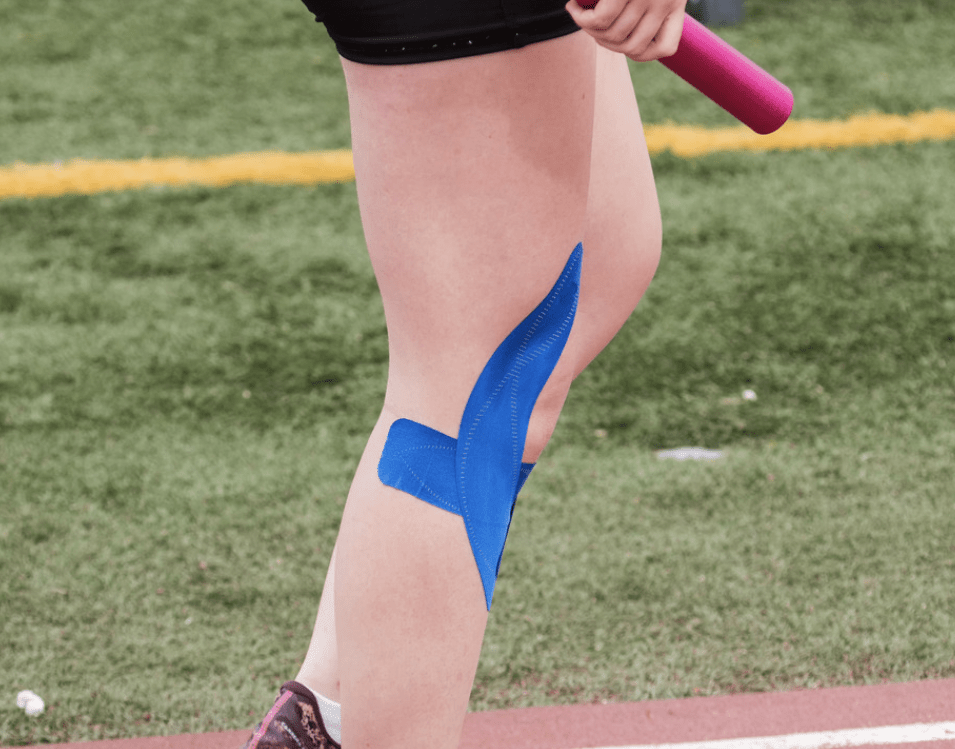
If you’re hypermobile, you’ve probably got a drawer of KT tape, a wrist splint you swear by and a pair of compression leggings you’re not sure are doing anything. They’re not equally useful. One of them has decent evidence behind it, one gives you about two days of relief, and one is used everywhere and has barely been tested. Here’s which is which.
Read More
Supports Help, but They Don’t Fix the Joint
All three work best alongside rehab, not instead of it. Every review we looked at says the same thing. Active rehab and strengthening are the main event, and taping, braces and compression are there to manage symptoms while you do that work.
The likely reason is in how they work. Tape and compression press on the skin and the tissue around a joint. That gives your nervous system extra information about where the joint is. Lax tissue already sends a noisier signal, so a bit of extra input can make a joint feel more controlled and less painful. Feeling more controlled and being mechanically held in place aren’t the same thing, though. Most of what follows comes back to that difference.
KT Tape: A Couple of Good Days, Not a Seatbelt
The best evidence we have is one trial in people with hEDS and shoulder pain. Taping improved pain and day to day function for about 48 hours.
The interesting part is that two different taping methods worked equally well. So you don’t need a perfect technique or a specialist application. The benefit seems to come from the general sensory input, and possibly from expecting it to help, rather than from the tape pulling the joint into a better position.
What tape didn’t do in that trial was improve joint position sense. Your shoulder wasn’t better at knowing where it was. A study in people with unstable shoulders who weren’t hypermobile found the same. People felt more stable and functioned better, but nothing measurable changed in their proprioception.
What that means for you
- Tape is reasonable for a bad patch, or before a day you know will be hard on a joint.
- Don’t rely on it to stop a joint subluxing. It isn’t holding anything in place.
- Your skin can react to it, so keep an eye on that, especially if you’re taping often.
Braces and Splints: Widely Used, Barely Studied
This is where the evidence is weakest, and it’s worth being honest about that. Braces and splints are part of routine hypermobility care, but they’ve hardly been tested in proper trials. Reviews of hypermobility rehab rate the evidence for mechanical supports as weak. A review of the research in children found these supports simply haven’t been put through randomised trials.
That doesn’t mean they don’t work. It means nobody has properly checked. When people with EDS are asked what helped, bracing comes out near the top. Those studies only ask people looking back, though, and nobody tested anything against a comparison.
That covers the question everyone asks: does wearing a brace make you weaker? The truthful answer is that nobody has measured it. The research hasn’t looked at over reliance, comfort or how long people keep wearing them.
What that means for you
- A brace that reduces pain or stops a joint going to its end range is doing a real job in the short term.
- Keep building strength and control alongside using it. Treat the brace as a tool for a task, not a permanent replacement for a joint you should be training.
Compression Garments: The Best Evidence of the Three
Compression has the most direct hypermobility research behind it.
In a randomised trial in hEDS, people did 4 weeks of physio. Some also wore compression garments every day and some didn’t. The compression group’s balance during movement improved more. Pain fell by a similar amount in both groups, so the garments added balance rather than extra pain relief over the physio.
A separate study followed people with mostly hEDS who wore compression garments for 2 years. Their pain dropped substantially, and there were signs of better proprioception and function and fewer sprains, subluxations and dislocations. A later study found people with HSD responded about as well as those with hEDS, so the diagnosis label doesn’t seem to change much here.
The catch is that most of this work wasn’t blinded. People knew they were wearing the garment, which leaves room for expectation and other treatments to play a part.
What that means for you
- If balance and feeling wobbly are your main problems, compression is the support with the best case behind it.
- It still works best on top of rehab, not instead of it.
Compression and POTS
This is a separate job, and on the physiology it’s the strongest evidence in this whole section. In randomised crossover trials, abdominal and lower body compression lowered heart rate when people stood up and improved their orthostatic symptoms.
Abdominal compression on its own helped too. That’s useful, because full waist high garments are a misery to wear for a lot of people, and an abdominal binder is often easier to put up with.
One caveat. These trials were in people with POTS generally, not people chosen because they’re hypermobile. POTS is common in hEDS and HSD, so the results are relevant to you, but nobody has run the trial in hypermobile people specifically yet.
The Body Braid
The Body Braid comes up constantly, so Jonny and I got one, wore it, and went through the research it is marketed on. The short version is that it is a genuinely well made garment, and that the published evidence behind the specific claims is a good deal thinner than the marketing implies.
Our full Body Braid review. If you would rather watch than read, it covers the same ground.
The written version, including the study everyone points to and what it does and does not show, is in the Body Braid for hypermobility, what the evidence actually says.
Go deeperKT Tape for Hypermobility and Ehlers Danlos SyndromeWhere KT tape came from and what the marketing claims, what the trials actually found for pain and proprioception, why it doesn’t immobilise a joint and why that’s good news, skin reactions and MCAS, and how to tape a hypermobile joint.Compression Garments for Hypermobility, EDS and POTS: What the Evidence Actually SaysThe two different jobs compression does, what the pressure numbers mean, where it needs to go for POTS, what it does for pain and joint stability in hEDS and HSD, and what to look for when you buy.The Body Braid for Hypermobility: What the Evidence Actually Says (and What It Doesn’t)What the Body Braid claims, the study everyone points to and why it can’t carry the weight, what the wider research shows, and the three things we actually noticed wearing it.Hypermobile Wrists: Why They Hurt, Which Brace to Use, and How to Build ControlWhy a lax wrist hurts, what each kind of support is actually for, the one trial that put a brace against exercise and got a draw, and when a click is worth getting looked at.Bracing, Taping and Joint Protection During Intimacy with HypermobilityWhere joints actually go wrong during sex, how people use tape, braces, compression and props, joint by joint approaches, and the routine for before, between and after.
Diet, Nutrition and Supplements
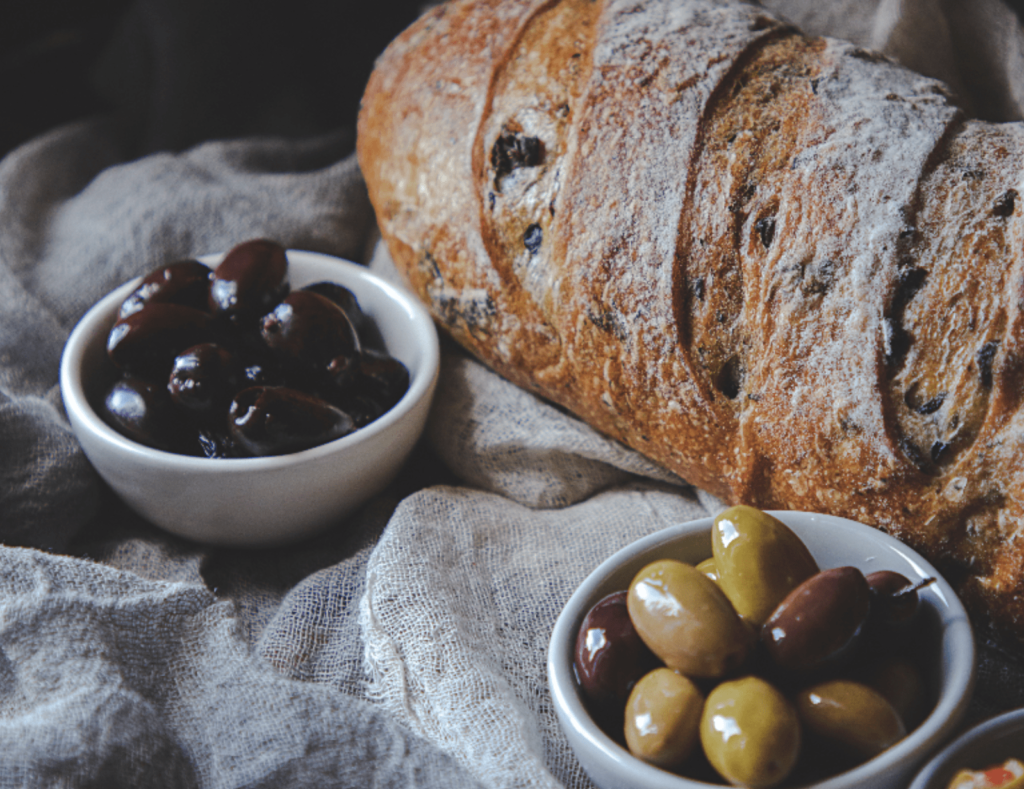
There’s no hypermobility diet, and nothing you have to stop eating because of the word hypermobile on a letter. What there is, for a lot of people, is a gut that won’t cooperate, a few deficiencies worth testing for, fluid and salt if you’ve got POTS, and a supplement aisle that’s far more confident than its evidence. Here’s where your effort is worth spending, and where your money isn’t.
Read More
There’s No Hypermobility Diet
Nobody has found a diet that treats hypermobility, and there’s no medical reason to cut out a food because of the diagnosis alone. Current gastroenterology guidance for hEDS puts it the same way: changing what you eat belongs to a specific problem, like IBS type symptoms, a stomach that empties slowly, reflux, suspected coeliac disease or mast cell triggers, rather than to being hypermobile.
That isn’t a brush off. For a lot of people food is one of the few things that moves symptoms at all, which is exactly why this corner of the internet is so full of nonsense. Some people do brilliantly without gluten and some don’t notice a thing, and that’s as true of everyone else as it is of you. A specific diet is worth the effort when it’s treating something you’ve actually been diagnosed with.
The people to help you work that out are a doctor and a dietitian, ideally both. The doctor runs the tests. The dietitian looks at what you actually eat and builds a plan that survives the chaos life throws your way.
When Your Gut Won’t Cooperate
Gut trouble is close to the norm in hypermobility rather than the exception. In one large study, almost everyone with HSD or hEDS met the criteria for at least one functional gut disorder, against fewer than half of the people they were compared with, and most had problems in more than one part of the gut at once. Reflux, nausea, indigestion, bloating, constipation and an appetite that vanishes when you most need it can all make eating enough hard work, before anyone has even started on what you should be eating.
Some of it is a gut that moves food along too slowly. At one specialist centre, most of the people with hEDS who were sent for motility testing turned out to have some form of it, and the strongest predictor was POTS. Those were people already referred for testing, so it isn’t the rate across everyone, but if you’ve got POTS and your stomach feels like it never quite empties, the link is worth raising.
One thing worth asking for early is a coeliac test. Guidance now says to consider it in anyone with gut symptoms rather than only in those with diarrhoea, and it’s a diagnosis with a real treatment that you only find by looking. Ask before you cut gluten out rather than after, because going gluten free first can make the test harder to read.
Low FODMAP: The Best Evidenced Option, With Strings Attached
FODMAPs are short chain carbohydrates that the small intestine absorbs poorly, so they draw water into the gut and get fermented by gut bacteria, which is where a lot of the gas and bloating comes from. A low FODMAP diet cuts them back to see whether your symptoms settle.
It’s the best evidenced diet available to this community, though the evidence sits mostly in IBS rather than in hypermobility. In IBS it reduces pain, discomfort and bloating for a good share of people. The one hypermobility specific look found that people with IBS improved whether they were hypermobile or not, with the bigger benefit in the hypermobile group, though it looked back at records and had no control group, so treat it as a promising hint rather than a settled answer.
It comes in three stages, and the last two matter most. Cut high FODMAP foods for a few weeks, bring them back one at a time to find your actual triggers, then eat as widely as your symptoms allow. It was never meant to be permanent, because long term restriction costs you nutrients, money and a fair bit of your life, and it goes far better with a dietitian than off a printout.
Gluten Free and Low Histamine
Going gluten free is popular in this community, and popular isn’t the same as proven. The study people usually point to followed 20 women with POTS and no coeliac disease whose autonomic symptom scores improved after cutting gluten, but it was small, had no comparison group and relied on people remembering how they’d felt beforehand. It’s preliminary at best, so get the coeliac test first.
Low histamine diets come up a lot around mast cell activation syndrome. Some people with that diagnosis do feel better eating less histamine, and guidance lists it among the elimination diets worth considering, with a dietitian alongside. The evidence tying mast cells and food together in hypermobility is limited though, so treat it as an experiment you review rather than a rule you live by.
Alcohol lands in both camps as well. It’s widely described as a histamine trigger, and it’s a diuretic, which works directly against the fluid and salt that help POTS. Notice what it does to you over the following day and decide from there.
When Cutting Foods Turns Into Something Else
It usually starts sensibly. You eat something, you feel dreadful, you stop eating it. Do that enough times over a few years and the list of foods you trust gets very short.
This is common enough to have been measured. In a large survey of adults with hEDS or HSD, well over half had changed their diet in the past year and a similar share regularly skipped meals. The thing most strongly linked to needing nutrition support wasn’t how bad the gut symptoms were. It was fear of eating.
That’s what ARFID, avoidant restrictive food intake disorder, describes: restricted eating that has nothing to do with weight or body shape, driven by low appetite, by the taste, smell or texture of food, or by fear of what eating will do. When eating has made you ill hundreds of times, avoiding food isn’t an irrational fear. It’s a learned one, and the learning was accurate.
If your safe list has been shrinking, say so to somebody, and say it early. Not because you’ve done anything wrong, but because the nutritional cost builds quietly while the short term relief is real. You don’t need a diagnosis or to be underweight to ask for help. In the UK, Beat runs free helplines, and a dietitian who understands both gut symptoms and eating behaviour will help you widen the list slowly rather than telling you to eat more.
Fluid and Salt for POTS
Many people with POTS have a low circulating blood volume, and they’re the ones fluid and salt make most sense for. More sodium means more retained water, which means more blood in circulation, which means standing up is easier to tolerate. When people with POTS spent six days on a high salt diet, their blood volume came back up and their standing heart rate came down, though not all the way to normal. It shifts the physiology rather than curing anything.
Numbers are where this gets muddled. Salt is only about 40% sodium, so 6 g of salt is roughly 2.4 g of sodium. That 6 g is the NHS ceiling for the general population, not POTS advice, and hypermobility guidance says to increase salt and fluid without putting a number on it. Any target is a conversation with your clinician, and more so if you have high blood pressure, kidney disease or heart problems.
Water works faster. In people with orthostatic problems, drinking a large glass, around 480 ml, in one go brought standing heart rate down within minutes, which is why a glass before you have to stand for a while is worth a try. Soup counts, which is handy on the days when chewing a meal feels like too much. But, this topic is fairly nuanced so feel free to go deeper using the link at the end of the section.
Deficiencies Worth Testing For
Fatigue is the common sign of a nutritional shortfall, which is awkward in a condition where fatigue is already part of it. When the diets of people with hEDS were measured, they came out high in protein and fat but low in calories overall, short on B vitamins and vitamin D, and very few people were getting enough fibre. In practice the three that come up most are iron, B12 and vitamin D.
Test rather than guess. Pooled trials of B12 in people who weren’t deficient found nothing for memory, thinking or mood, and fatigue was barely measured, so a deficiency is worth correcting and a normal level isn’t worth supplementing. Acid reducing tablets called proton pump inhibitors, and metformin, both get in the way of absorbing B12, and both are common in this population. Low iron brings tiredness, breathlessness, dizziness and a fast heartbeat, which overlaps with POTS enough to be worth ruling out, and iron tablets belong under a clinician’s eye because too much does harm.
On vitamin D and bones, density comes out a little lower across the Ehlers-Danlos syndromes, but a higher fracture rate hasn’t been clearly shown. Lower density on a scan isn’t the same as more broken bones.
Fixing a real deficiency won’t guarantee the fatigue lifts, because fatigue in hypermobility has more than one cause. It’s a cause worth ruling out rather than living with.
Protein
There’s no evidence that hypermobility raises your protein needs. Plenty of people feel better when they eat more of it, and the likeliest reason is that they weren’t meeting their baseline. Poor appetite, a slow stomach and days when cooking is out of the question all drag intake down, even when the average looks fine.
Requirements run at roughly 0.8 to 1.2 g per kilogram of body weight a day, so someone weighing 68 kg needs somewhere between 55 and 82 g, and more while recovering from injury, surgery or illness. Protein is what tissue gets repaired with and what the muscle around your joints is built from, so it matters when you’re doing rehab. Aim to meet your requirement rather than exceed it, whether it comes from food or a shake. It’s one of the more boring things in this section, and it’s worth getting right before anything more exotic.
Collagen, Magnesium, Vitamin C and Fibre
Nobody has run a trial of collagen, magnesium, vitamin C or psyllium husk in hypermobility. They turn up in general nutrition practice and in managing particular symptoms, which is a different claim from proven to help.
Collagen: your gut breaks it down into building blocks, and your own genes decide how those get rebuilt, so if the genetic instructions are the issue, a supplement can’t change them. Eating enough protein gives your body the raw material it uses to make its own. For most people collagen powder is money going nowhere.
Magnesium: worth correcting if you’re actually low. Some forms hold water in the bowel and soften stools, which can help constipation, and it’s in electrolyte drinks to replace what’s lost in sweat. Beyond that, treat it as clinical habit rather than evidence.
Vitamin C: your body needs it to make collagen, which is why sailors got scurvy without it. Nobody has shown that taking extra on top of a normal diet does anything for EDS.
Psyllium and fibre: constipation in hypermobility often isn’t a simple slow bowel. It’s frequently a rectum that doesn’t register fullness well, or muscles that don’t coordinate when you push, and in those cases more fibre can make the bloating worse rather than better.
Creatine
Creatine is the supplement we get asked about the most, and it’s about as safe as supplements get in the groups that have been studied properly. It works as a small energy reserve in muscle that tops up fuel quickly when demand spikes, and taking it reliably fills that reserve.
What it doesn’t do, on the evidence there is, is reliably reduce pain. In a placebo controlled trial in fibromyalgia, people got measurably stronger over 16 weeks and their pain didn’t change. Across arthritis and other long term musculoskeletal pain it’s the same story: strength improves and pain doesn’t reliably follow. The fatigue research is more interesting, with a handful of small early studies in ME/CFS and post COVID fatigue all pointing towards less fatigue, though none of them was big and none was in hypermobility. The brain fog claims are oversold, with small effects on narrow measures that tell you very little about a bad day. For hypermobility and EDS directly there’s no evidence either way, because nobody has run the study.
If you want to try it anyway, it’s a defensible decision made with your eyes open.
Form and dose: plain creatine monohydrate, 3 to 6 g a day. You can skip the loading phase, which is where the stomach complaints seem to cluster. Fancy versions and blends are marketing rather than evidence.
How long and how to judge it: give it a couple of months, and judge it on what you can do rather than on how much it hurts, because that’s where the evidence sits.
Blood tests: creatine raises creatinine on a routine kidney blood test without anything being wrong with your kidneys, so tell whoever orders your bloods. If you already have kidney disease, it’s your clinician’s call.
And if it does buy you a bit more capacity, spend it on doing your rehab more consistently rather than doing far more of it in one afternoon. Feeling able to do more before your tissues have caught up is the quickest route from a good week into a rotten fortnight.
Go deeperHypermobility and EDS: What Is the Best Diet?Why there’s no diet for hypermobility itself, what’s going on in the gut, how low FODMAP works across its three stages, the real numbers on salt and fluid for POTS, which deficiencies to test for, and what to do when your list of safe foods keeps shrinking.Creatine for Hypermobility, Fibromyalgia and Chronic Pain: What the Research Actually ShowsWhat creatine actually does inside a muscle, why the safety question is settled while the pain question isn’t, what the fibromyalgia and fatigue trials found, why the brain fog claims are oversold, and how to take it sensibly if you decide to.Which Supplements Are Worth Taking When You’re HypermobileWhy the made of collagen, so take collagen argument falls over in the gut, why a normal ferritin isn’t the same as enough, why iron that hasn’t moved in years may need a different schedule rather than a different tub, and where we’d actually put the money.Can Ehlers Danlos Syndrome Cause Weight Gain/Loss?Weight gain, weight loss and the swing between the two in hEDS, looked at through the gut, eating, medication, sleep, fatigue and how much you’re able to move.Does Losing Weight Cause More Subluxations if You’re Hypermobile?What’s actually been measured on weight loss and joint stability in hypermobility, the difference between the load on a joint and what holds it together, and what to weigh up before getting lighter.Ozempic, EDS and Hypermobility: What the Evidence Actually Says About Chronic PainWhat the evidence says about GLP-1 drugs and chronic pain, and the gastroparesis, muscle loss and joint stability questions that matter more when you have EDS or hypermobility.
Head, Neck, Jaw and Throat

Your neck aches and your head feels too heavy for it, your jaw clicks and occasionally goes somewhere it shouldn’t, and you choke on water but never on steak. All three are common in hypermobility, all three get sent to a different specialist, and all three get explained away far more often than they get explained . Here’s what’s going on in each, which bits are worth worrying about, and what helps.
Read More
A Hypermobile Neck Isn’t an Unstable One
Craniocervical instability, or CCI, is real and it can be serious. It’s when the ligaments holding your skull onto the top two vertebrae allow enough movement that the movement itself becomes the problem, and in the worst cases bone presses on the brainstem or spinal cord.
A hypermobile neck moves more than average. An unstable one moves enough to compress something or produce real neurological signs. The first is common in hEDS almost by definition and the second isn’t, and the Beighton score never looks at the neck anyway. There’s still no agreement on which measurements diagnose CCI in Ehlers Danlos, who should be operated on, or what counts as a good result.
The symptom lists online, the heavy head, the dizziness, the brain fog, the racing heart when you stand, are far better explained by things that are much more common in HEDS. Dysautonomia came out as the single common systemic problem in one Ehlers Danlos cohort, alongside high rates of migraine. The orthostatic side of that responds to fluids, salt and graded conditioning, and none of it gets fixed by fusing your neck.
Scans and Surgery
CCI is diagnosed off angles and distances measured on a scan, each with a cut off meant to separate normal from abnormal. When those cut offs were applied to upright MRI scans of 50 adults sent in for things like a trapped nerve, with anybody who had a connective tissue disorder deliberately screened out, up to about one in seven crossed one of the main lines depending on where their head happened to be. Now add a neck that moves more than average by definition, scanned upright or bending, often by a clinic that also sells the treatment. A number over a threshold is a piece of information, and it wants weighing by somebody independent.
The operation is occipitocervical fusion, fixing the skull to the upper spine with rods and screws, and you can’t undo it. Across everything published, only 78 people with Ehlers-Danlos had had it, nothing was randomised, and the conclusion was to operate only where the scan clearly shows instability and the symptoms and signs match it. The longest follow up tracked 20 people for five years. Headaches, dizziness, balance and walking were still better, while neck pain, fatigue and memory weren’t, and 40% asked for the hardware to come back out because it hurt.
So, surgery can be the right call for a small number of people with genuine, severe instability and matching neurological signs, and it’s a poor bet for a neck that’s sore and fed up. The same goes for dizziness blamed on the neck: the international vestibular society says there’s no agreed test for it, so anybody certain your neck is the cause and holding the definite fix is more confident than the entire field.
What Helps Most Necks
For most people the neck is guarded and poorly mapped rather than just unstable. Its main position sensors sit in the muscles and they feed straight into your balance and your sense of which way is up. People with chronic neck pain have measurably worse neck position sense, and the worse the pain, the bigger the error. A neck that’s spent years braced, with the big superficial muscles clamping everything down, is the likeliest source of the constant ache, the heavy head and the shoulders up round your ears.
So the work runs in our usual order. Clearer sensory input first, with slow head movements you pay attention to and repositioning tasks with your eyes closed. Then teaching the neck to let go of the guarding, because loading a clamped neck tends to add more clamping. Then retraining control, and a gentle nod called craniocervical flexion, which works the deep neck muscles (things like longs Colli) rather than the big ones at the front, changes how the neck muscles fire, including less overactivity in the superficial ones. Exercise for neck pain helps, modestly, and those trials were in neck pain generally rather than in hypermobility.
In our experience rather than from any trial, living in a collar for a neck that’s guarded rather than injured makes the weeks after it harder, and endless stretching to chase the tightness pulls on tissue that’s already lax.
When the Neck Is Serious
A small number of people do need urgent attention, and the pattern is lost function rather than ache. Get assessed promptly for new or worsening weakness in your arms or legs, hands getting clumsier, dropped things and fumbled buttons, walking or balance getting worse over weeks and months, changes in bladder or bowel control, electric shocks down your spine or limbs when you move your neck, or swallowing trouble and voice changes that persist.
Is the Jaw Part of It?
If you’ve got hEDS, the jaw is part of it, and that’s about as consistent a finding as this field produces. Temporomandibular disorders, trouble in the jaw joint or the muscles that work it, affect roughly 31% of adults generally. In a small hEDS group it was 92.9%, and in surveys across classical and hypermobile EDS nearly half reported the jaw dislocating.
Outside the syndromes it’s messier. In generalised hypermobility the clicking and the disc problems line up fairly consistently, and one registry found people with disc related jaw problems 6.7 times more likely to have joint hypermobility syndrome, while the link with jaw pain is genuinely split. Your Beighton score doesn’t test the jaw at all, so a low one tells you nothing about your jaw.
Why a Loose Jaw Feels Tight
The jaw hinges for the first part of opening, then slides forward out of the socket onto a slope of bone, with a small disc that’s meant to travel with it, and both joints sit on one bone so neither moves without the other. Make the ligaments around that a bit more giving and the muscles pick up the holding job. A ligament holds you for free. A muscle sends a bill.
That’s the tightness: a jaw being held rather than supported, gripped through the day until the side you favour aches from the ear down by evening. Pain in the chewing muscles at the angle of the jaw and above the ear is more common in hEDS than in people without it. The click is usually the disc sitting too far forward, and the joint slipping back under it as you open.
The cheapest thing in this whole section is the resting position. Your teeth aren’t meant to touch except when you eat or swallow, so teeth apart, tongue up behind the front teeth, lips closed and jaw heavy, checked a few times a day until it stops needing checking.
When Your Jaw Goes Out
This part is our clinical pattern rather than the literature. Don’t force it shut, because pushing up makes the muscles grip harder and the joint has to travel down before it can go back. Support the jaw with your hand, slow your breathing, put warmth over the joint and give the muscles a minute, then try small side to side movements and let the jaw find its own way. Expect a few sore days on soft food afterwards.
If it won’t go back, stop. A jaw that needs somebody else to put it back in, is a dislocation rather than a subluxation, and that’s an A and E job, short, undignified and thoroughly routine. Afterwards it’s worth noticing what set it off. Capping yawns with a fist under your chin, asking for breaks during dental work and saying the word hypermobile before anybody reaches for the dental tools are all cheap habits to pick up.
Exercises for a Hypermobile Jaw
Across 153 trials and 8,713 people with TMD, relaxation based psychological approaches, jaw mobilisation by a therapist and supervised jaw exercise all helped pain, coordination work showed the clearest benefit of the exercise options, and supervised exercise improved the clicking itself. Almost none of it was done in people with hypermobility, so we’re borrowing it, and starting with the conservative, reversible options is the sensible reading.
So control comes before range. In front of a mirror, with a fingertip resting on each joint: tongue on the roof of your mouth, open slowly only as far as the tongue stays put and keep your chin tracking straight down, then make small slow glides forward and side to side, nowhere near your end range. A short go morning and evening, stopping while it still feels easy. Working into the click teaches the muscles to brace harder, and if it’s sore the next day you did too much.
Training the neck can improve TMD pain and jaw function too, so if your neck is doing its own version of all this, work on both.
Why You Choke on Water
Air and food share an entrance, and on every swallow whatever you’re swallowing crosses the top of your airway. What keeps it out is mostly the entrance to the voice box shutting itself at the right moment, which makes it a timing job far more than a strength one. Delay that closure by a tenth of a second and the odds of the drink getting in where the air goes rise.
Thin liquid leaves the smallest window, because it arrives fast and won’t hold together, so it carries the highest risk and the risk falls as a drink gets thicker. That’s why yoghurt and soup go down fine and water doesn’t. Saliva is the same problem with no warning at all: thin, constant, and swallowed while you talk, laugh or lie flat, which is how you can choke on nothing while sitting on the sofa. It isn’t carelessness. It’s a timing problem measured in fractions of a second, on the least forgiving substance there is.
Is the Hypermobility Doing It?
Mostly, yes. Of 289 people with hEDS or HSD seen at a specialist throat clinic, about a third reported difficulty swallowing and more than a quarter reported voice box symptoms. Those were people already sitting in a clinic with a problem, so it shows the burden is real rather than the rate across everybody. Lax tissue in the voice box itself, small cartilages subluxing and the larynx shifting, has been seen and photographed in EDS, though it’s uncommon and isn’t the explanation for everybody who chokes on water.
A normal test result is common too. In one series of people with EDS and swallowing complaints, the throat stage of the swallow looked normal in every one of them, and on pressure testing of the gullet a normal study was the commonest result. That’s a statement about what one test could see rather than proof nothing happens. Food sticking behind your breastbone is a gullet problem rather than a choking one, and having POTS as well came with worse swallowing and reflux scores, so it’s a question worth getting answered.
What to Ask For, and When to Worry
The two tests that actually watch you swallow are a filmed barium swallow and FEES, a thin camera passed through the nose to look at the throat directly, and they’re the recommended methods. If your worry is things going down without you coughing, FEES is the more sensitive one and the one to name. The person who runs them and does the rehab afterwards is a speech and language therapist, which is the referral that gets missed. The sentence that works is: “I choke on thin liquids and on my own saliva, including when I’m not eating, and I’d like a swallowing assessment.”
Choking and coughing it straight back out is the protective system working. How much a drink going the wrong way matters depends far more on the person than on the single event, and thickened drinks improve what a scan shows without clear evidence that they prevent pneumonia. Get seen sooner if it’s happening at nearly every meal or getting worse, you’re losing weight or avoiding food, you keep getting chest infections, you wake at night gasping on saliva, things go down without you coughing, food sticks or swallowing hurts, or your voice changes for days afterwards.
Go deeperCraniocervical Instability in Hypermobility and EDS: What the Evidence Actually SaysThe difference between a hypermobile neck and an unstable one, why the scan measurements misfire even in people who aren’t hypermobile, what the fusion studies found once you read past the headline, what helps the far larger group with a guarded, aching neck, and the red flags that mean get seen.TMJD Exercises for a Hypermobile JawWhy the jaw clicks, catches and goes out, why a loose jaw ends up feeling tight, what to do when it locks open, why the standard exercise sheet was written for somebody else, and the small, slow exercises we’d use instead.Hypermobility and Throat ProblemsWhy you choke on water and your own saliva but not on steak, what the hypermobility is and isn’t doing to your throat, why tests so often come back normal, how worried to be, and which assessment to ask for by name.Headaches and Migraines in Hypermobility and EDSMigraine, headaches coming from the neck, the headache that’s worse when you stand, CSF leaks, craniocervical instability, the jaw and medication overuse, split apart, with how to tell them apart and first moves for each.
Teeth, Gums and the Dentist

If you’ve ever told a dentist you could still feel it and been told you couldn’t poosibly, you were right. Local anaesthetic running out early is one of the best documented problems in EDS, when it comes to dentistry, and it tends to arrive with a jaw that doesn’t enjoy being held wide open for an hour as well. The better news is that your teeth are probably in far better shape than the internet and instagram suggests, and most of what goes wrong in the dentist’s chair can be planned for before anybody even picks up a drill.
Read More
Why the Numbing Doesn’t Last
People with EDS report local anaesthetic failing far more often than people without it, and when lidocaine was put to a proper test, injected under the skin of the forearm, it took perfectly well at first and then wore off sooner in people with EDS. So, it looks less like the numbing not working, and more like it wearing off faster, which is a different problem with a different fix.
Lidocaine is the one most dentists reach for first, and it came out worst when people with EDS were asked what had worked for them. Articaine came out best by the way, but it still let most people down, so it’s worth asking about rather than counting on. Nobody yet knows why any of this happens, which is exactly why it wants planning for. Tell them when you book, or before you sit down, that numbing has failed for you before. Ask them to check you’re properly numb before they start, and on a long job to check again before the next bit, because your window may be shorter than they’re used to. And if one anaesthetic has ever held for you, write its name down somewhere you won’t lose it. That’s worth more than any general rule going.
Your Teeth Are Probably Fine
The crumbling teeth story is all over the internet, and it’s a frightening one. When teeth were actually examined in people with hEDS and compared with people without it, decay, fractures, enamel defects and oddly shaped roots didn’t come out any more common. Most of the crumbling claims trace back to case reports and to what people remember about their own teeth, which is understandable and isn’t the same thing as looking.
What did come out differently was a drier mouth, which most people have lived with for years and put down to not drinking enough water. Saliva is a big part of what protects your teeth between meals, so it’s worth mentioning to your dentist, even though nobody is likely to ask.
The Jaw in the Chair
When people with hEDS were examined properly, they had more jaw muscle pain, more joint pain, more of the little disc inside the joint sitting out of place, and less pain free opening than people without it. Plenty of people with hEDS also say their jaw has come right out at some point, and a good share of that never makes it into their notes.
Dental work holds that jaw near the end of its range, with somebody else’s hands keeping it there for as long as the job takes. If you put a shoulder in that position for an hour, nobody would be surprised it complained for a week afterwards. So, tell them your jaw is hypermobile and has come out before, and ask for the work in shorter stretches with breaks, or for something to rest your jaw on so your muscles aren’t holding it open the whole time. If your jaw gives you grief outside the dentist too, the head, neck and jaw section above goes into why.
Gum Disease Belongs to a Different Type
Early, severe gum disease, with adult teeth lost young, isn’t part of hEDS or HSD. It’s the hallmark of periodontal EDS, a separate and much rarer type, where the gums recede early and people can start losing adult teeth while they’re still young adults. A lot of what’s written online about gum recession and EDS fits periodontal EDS far better than it fits hEDS.
So if your gums are receding badly while you’re young, raise it, because that’s sometimes how periodontal EDS gets picked up. In hEDS there’s a hint of something much milder, a little more bone loss around some back teeth even after allowing for how well people brush.
Extractions, Bleeding and Healing
The lining of the mouth can be more fragile in EDS. It bruises easily, bleeds more, can tear when it’s stitched, and heals more slowly after a tooth comes out or after gum work. People with hEDS report more trouble after extractions than people without it. Most of the detail comes from case reports rather than proper studies, though, and when one surgical team planned for all of it in advance, the people they treated came through without major complications.
So the risk is real and it’s manageable, and the managing happens before the day rather than on it. Tell whoever is taking the tooth out that you have hEDS or HSD, that numbing has failed before if it has, and that your jaw doesn’t like being held open. If numbing, your jaw and healing are all a problem for you, it’s perfectly reasonable to ask for a dentist who knows EDS.
Go deeperTeeth, Gums and Jaw Pain in hEDS, and How to Get Through a Dental AppointmentWhy the jaw is the part that behaves differently, where the crumbling teeth story comes from, why gum disease belongs to a different type, what’s worth raising that nobody will ask you about, and the one sentence to say before the dentist starts.
Does Hypermobility Get Worse With Age?
hEDS and HSD aren’t thought to shorten your life. The complications that do shorten lives belong to vascular EDS, which is a different condition, and they aren’t part of the hypermobile picture. Whether it gets worse as you get older is a harder question, mostly because so few people have been followed into later life to find out. Plenty of people report more pain and more instability over the years, but it doesn’t go the same way for everybody, and a lot of what decides how it goes is something you can work on.
Read More
Will It Shorten My Life?
Probably not. The Ehlers Danlos syndromes are a family of conditions, and the one with the frightening reputation is vascular EDS. There the artery walls are fragile enough to rupture, and median survival sits at around 48 years. hEDS doesn’t carry that fragility. The trouble it brings shows up in the joints, the pain and the symptoms across the rest of the body, which is plenty to be carrying, rather than in how long you live.
The heart question comes up a lot. Some people with hEDS have a slightly widened aortic root, which is where the main artery leaves the heart. When it’s there it’s usually mild, and without significant widening it doesn’t carry an increased risk of dissection, a tear in the artery wall.
It’s worth knowing where that reassurance comes from, though. Nobody has run a large study counting deaths in hEDS and HSD, so “normal life expectancy” rests on the fatal vascular complications not turning up rather than on a survival study. The literature is consistent on it all the same. The thing that does take a hit is how well you live. In large surveys, chronic pain was reported by somewhere between 84% and 99% of people, and nearly half were out of work.
Does It Get Worse as You Get Older?
Nobody can give you a confident answer, and that’s a gap in the research rather than a brush off. The reviews that look at older adults with hEDS and HSD describe the course into later life as varied and still largely speculative, because so few people have been followed for long enough. What they do find is that many people report their pain, their instability and their day to day limits getting heavier with time, and that the symptom load, along with the other conditions that pile up alongside it, stays substantial into later life.
The papers’ word for it is heterogeneous. In plain terms it doesn’t go the same way for everyone, and nobody can yet tell from the outside which way it’ll go for you.
What Shapes How It Goes
The things most consistently tied to how disabling hypermobility becomes are pain, fatigue, autonomic symptoms like dizziness on standing, and psychological distress. That holds in children and in adults. In adults, body weight, age, how long the diagnosis took and fear of movement have also been linked to how much pain there is and how restricted mobility becomes. In children followed over several years, the ones who started out worst off were the most likely to go downhill: more pain, more fatigue, dizziness on standing, and poorer control of posture and balance.
Adults also seem to sort into milder and more complex groups rather than sharing one course. You can’t change your age or the years you’ve already spent waiting for a diagnosis. Most of the rest of that list can be worked on, though, and that’s where the effort is worth putting.
Bones, Falls and Fractures
Hypermobility doesn’t automatically mean osteoporosis, but your bones aren’t off the hook either. Compared with people without it, people with hEDS and HSD have been found to have smaller cortical bone (the dense outer shell that gives a bone its strength), lower muscle mass and more fractures. The researchers suggest a lifetime of less mechanical loading is one reason. Bone density on a scan often hasn’t come out much lower, though, and one study found no extra risk of low bone mass at all.
So the problem looks more like bone shape, weaker muscles, falls and how much load your skeleton has had over the years than bones that are simply thin. That’s useful, because loading is something you can change. The clinical guidance suggests low impact weight bearing exercise alongside enough calcium and vitamin D, and the bone researchers recommend regular activity and training aimed at cutting down falls.
The Exercise That Helps
Exercise is the main treatment that isn’t a drug, and the evidence backs a particular kind of it: tailored stabilising and strengthening work, rather than a generic programme you’re expected to push through. The best supported parts are therapeutic exercise, motor control training (retraining how your muscles coordinate a movement), proprioceptive work for your sense of where your joints are, and education so you can manage it yourself. Manual therapy, adaptive equipment and functional training have weaker evidence behind them.
Who delivers it matters too. In a large registry survey of people with hEDS, EDS specific physiotherapy was rated helpful more often than standard physiotherapy, and physio was the only non surgical treatment that sometimes rated as well as surgery. In one group followed over time, 54% had improved by around 20 months of coordinated physiotherapy, which is slower than anybody would like and a great deal better than nothing.
The pattern that comes out of all this:
- low impact strength work that progresses over time, for the trunk and the limbs
- balance and proprioception
- aerobic fitness at whatever level you can tolerate
- pacing
- looking after your joints
How much, how fast and when to back off still haven’t been pinned down, especially for anyone with POTS, severe fatigue or a lot of fear around movement. So start lower than feels necessary and build steadily.
Do People With hEDS Look Younger?
It comes up constantly, and no study has answered it. The skin in hEDS is described as soft, velvety and slightly stretchy, which is part of how it gets diagnosed, and that may well be why some people keep being told they look young for their age. Nobody has actually measured whether people with hEDS or HSD look younger or older than anyone else, though. If people keep telling you that you don’t look ill, the skin might be part of the reason, which is small consolation when you’re the one living in the joints underneath it.
Go deeperDoes EDS Get Worse as You Age?Why the average hides two very different groups, why the hypermobility gets quieter while everything else gets louder, what actually decides how bad a decade feels, the bone story and the bit of it that gets overstated, and what helps.Exercise and Rehabilitation for Hypermobility: The GuideOur full guide to moving with hypermobility, from core stability, pacing and foot arches to exercising with POTS, fear of movement, Pilates, running and the stretching that feels good and never holds.Do Hypermobile People Look Younger?Why so many people with hypermobility get told they look young for their age, what collagen and skin elasticity have to do with it, and what the research does and doesn’t say.Do Hypermobile People Have Less Collagen?Why collagen is a whole family rather than one protein, what actually goes wrong in the different types of EDS, what a skin biopsy shows in hEDS, and why not every hypermobile joint is a collagen story.Menopause, Perimenopause and HypermobilityWhat happens to joints, pain, POTS, sleep, bone and the pelvic floor as oestrogen shifts, why perimenopause can be the harder part, and what HRT does and doesn’t offer if you’re hypermobile.
Getting the Right Support
One of the most consistent themes in hEDS and HSD is the difficulty of getting appropriate medical care. Diagnostic delays of a decade or more are common, and the mismatch between how disabling these conditions can be and how they are often treated is a real problem.
Read More
Many people have their symptoms attributed to anxiety, hypochondria, or deconditioning before a connective tissue problem is even considered.
Finding Practitioners Who Understand
Not all physiotherapists, GPs, or specialists have working knowledge of hEDS and HSD. This is not entirely their fault. It is not well covered in standard medical training, but it does mean that navigating the healthcare system requires some self-advocacy. Key things to look for in a physiotherapist: understanding that end-range loading is problematic, focus on stability and neuromuscular control rather than passive stretching, awareness of the autonomic and fatigue components, and experience working with hypermobility specifically.
The same principles apply to other professionals. A pain specialist who does not understand central sensitisation in connective tissue disorders, or a cardiologist who dismisses POTS as anxiety, is likely to cause more harm than good regardless of their individual expertise.
The Right Mental Model
Perhaps the most useful reframe for anyone newly diagnosed: this is a manageable condition, not a terminal one. The research on exercise response, pacing, and structured rehabilitation is genuinely encouraging. The challenge is finding the right level of support and building a management strategy that addresses the whole picture, not just one joint at a time.
Go deeperEhlers Danlos Syndrome and the Impact of Medical TraumaBeing dismissed, disbelieved or mismanaged for years does its own damage alongside the condition itself. What that looks like, why it can make the next appointment feel like a risk, and what recovering from it can look like.
Chronic Pain, Relationships and Intimacy
The bit of chronic pain that gets skipped in clinic is the bit that affects your relationship, your sex life, and how you talk about any of it with the person you share a bed with. Sleep gets asked about. Walking the dog gets asked about. The fact your hip subluxes when you change position, or that you crash for three days after anything more than a cuddle, somehow does not.
That gap is where most of the hidden suffering sits, and it shows up across hypermobility, fibromyalgia, POTS and ME/CFS.
Go deeperChronic Pain, Relationships and Intimacy: The GuideTelling a new partner, talking about it inside a long term relationship, positioning, pacing intimacy, the LGBTQ and polyamorous experience of chronic pain, and looking after a body that doesn’t always cooperate.
Where to Go From Here
Knowing why your joints behave the way they do is useful. It doesn’t do a great deal for your shoulder on a Tuesday afternoon, though, until it turns into something you actually do with your body.
So a few times a year we run the Hypermobility Live Workshop, and that’s where we go properly deep on the rehab side of all this. Four weeks, two live sessions a week, working through the frameworks we use in our studios: why your joints can feel steady one day and unpredictable the next, how muscle tone and the signal from your joints shape your stability, and how to build movement that holds up in real life. You can send us videos of yourself doing the exercises for feedback, there’s live Q&A so you can ask about your own body rather than an average one, and the recordings go into the community if you can’t make it live. If you want the real deep dive, that’s it. When there isn’t a date up yet, put your name down on the page and we’ll tell you when the next one opens.
And if you want something free to get going with today, the Exercise and Rehabilitation Guide has exercises, taping videos and practical bits you can use straight away.

Ready to work through this with structure and support?
The Hypermobility Live Workshop is four weeks of breaking down and going deep into hypermobility exercise and education, with live Q&A so you can ask about your specific situation. Two free courses are included.
Rather go at your own pace? Hypermobility 101 is the foundation the rest of our courses build on.
References
Everything in this guide is built on published research, and every paper is listed here by the section it supports.
Read More
What Is Hypermobility and How Is It Diagnosed
- Castori, M. et al. (2017) ‘A framework for the classification of joint hypermobility and related conditions’, American Journal of Medical Genetics Part C: Seminars in Medical Genetics, 175(1), pp. 148 to 157. doi: 10.1002/ajmg.c.31539
- Demmler, J.C. et al. (2019) ‘Diagnosed prevalence of Ehlers-Danlos syndrome and hypermobility spectrum disorder in Wales, UK: a national electronic cohort study and case-control comparison’, BMJ Open, 9(11), p. e031365. doi: 10.1136/bmjopen-2019-031365
- Malfait, F. et al. (2017) ‘The 2017 international classification of the Ehlers-Danlos syndromes’, American Journal of Medical Genetics Part C: Seminars in Medical Genetics, 175(1), pp. 8 to 26. doi: 10.1002/ajmg.c.31552
- Morlino, S. and Castori, M. (2023) ‘Placing joint hypermobility in context: traits, disorders and syndromes’, British Medical Bulletin, 147(1), pp. 90 to 107. doi: 10.1093/bmb/ldad013
- The Ehlers-Danlos Society (no date) What is HSD? Available at: www.ehlers-danlos.com/what-is-hsd (Accessed: 2 October 2026).
- Tofts, L.J. et al. (2023) ‘Pediatric joint hypermobility: a diagnostic framework and narrative review’, Orphanet Journal of Rare Diseases, 18(1), article 104. doi: 10.1186/s13023-023-02717-2
Common Symptoms and Conditions Beyond Laxity
- Cederlöf, M. et al. (2016) ‘Nationwide population-based cohort study of psychiatric disorders in individuals with Ehlers-Danlos syndrome or hypermobility syndrome and their siblings’, BMC Psychiatry, 16(1), article 207. doi: 10.1186/s12888-016-0922-6
- Celletti, C. et al. (2020) ‘A new insight on postural tachycardia syndrome in 102 adults with hypermobile Ehlers-Danlos Syndrome/hypermobility spectrum disorder’, Monaldi Archives for Chest Disease, 90(2). doi: 10.4081/monaldi.2020.1286
- Darakjian, A.A. et al. (2024) ‘Similarities and differences in self-reported symptoms and comorbidities between hypermobile Ehlers-Danlos syndrome and hypermobility spectrum disorders’, Rheumatology Advances in Practice, 8(4), article rkae134. doi: 10.1093/rap/rkae134
- Daylor, V. et al. (2025) ‘Defining the Chronic Complexities of hEDS and HSD: A Global Survey of Diagnostic Challenges, Life-Long Comorbidities, and Unmet Needs’, Journal of Clinical Medicine, 14(16), p. 5636. doi: 10.3390/jcm14165636
- Demmler, J.C. et al. (2019) ‘Diagnosed prevalence of Ehlers-Danlos syndrome and hypermobility spectrum disorder in Wales, UK: a national electronic cohort study and case-control comparison’, BMJ Open, 9(11), p. e031365. doi: 10.1136/bmjopen-2019-031365
- Glayzer, J.E. et al. (2021) ‘High rate of dyspareunia and probable vulvodynia in Ehlers-Danlos syndromes and hypermobility spectrum disorders: An online survey’, American Journal of Medical Genetics Part C: Seminars in Medical Genetics, 187(4), pp. 599 to 608. doi: 10.1002/ajmg.c.31939
- Hugon-Rodin, J. et al. (2016) ‘Gynecologic symptoms and the influence on reproductive life in 386 women with hypermobility type ehlers-danlos syndrome: a cohort study’, Orphanet Journal of Rare Diseases, 11(1), article 124. doi: 10.1186/s13023-016-0511-2
- Kindgren, E., Quiñones Perez, A. and Knez, R. (2021) ‘Prevalence of ADHD and Autism Spectrum Disorder in Children with Hypermobility Spectrum Disorders or Hypermobile Ehlers-Danlos Syndrome: A Retrospective Study’, Neuropsychiatric Disease and Treatment, Volume 17, pp. 379 to 388. doi: 10.2147/ndt.s290494
- Kozyra, M., Kostyun, R. and Strecker, S. (2024) ‘The prevalence of multisystem diagnoses among young patients with hypermobile Ehlers-Danlos syndrome and hypermobility spectrum disorder: A retrospective analysis using a large healthcare claims database’, Medicine, 103(41), p. e39212. doi: 10.1097/md.0000000000039212
- Roma, M. et al. (2018) ‘Postural tachycardia syndrome and other forms of orthostatic intolerance in Ehlers-Danlos syndrome’, Autonomic Neuroscience, 215, pp. 89 to 96. doi: 10.1016/j.autneu.2018.02.006
- Thwaites, P.A., Gibson, P.R. and Burgell, R.E. (2022) ‘Hypermobile Ehlers-Danlos syndrome and disorders of the gastrointestinal tract: What the gastroenterologist needs to know’, Journal of Gastroenterology and Hepatology, 37(9), pp. 1693 to 1709. doi: 10.1111/jgh.15927
Why Does It Hurt?
- Baeza-Velasco, C., Bulbena, A., Polanco-Carrasco, R. and Jaussaud, R. (2018) ‘Cognitive, emotional, and behavioral considerations for chronic pain management in the Ehlers-Danlos syndrome hypermobility-type: a narrative review’, Disability and Rehabilitation, 41(9), pp. 1110 to 1118. doi: 10.1080/09638288.2017.1419294
- Bénistan, K. and Martinez, V. (2019) ‘Pain in hypermobile Ehlers-Danlos syndrome: New insights using new criteria’, American Journal of Medical Genetics Part A, 179(7), pp. 1226 to 1234. doi: 10.1002/ajmg.a.61175
- Castori, M. et al. (2013) ‘Re-writing the natural history of pain and related symptoms in the joint hypermobility syndrome/Ehlers-Danlos syndrome, hypermobility type’, American Journal of Medical Genetics Part A, 161(12), pp. 2989 to 3004. doi: 10.1002/ajmg.a.36315
- Chopra, P. et al. (2017) ‘Pain management in the Ehlers-Danlos syndromes’, American Journal of Medical Genetics Part C: Seminars in Medical Genetics, 175(1), pp. 212 to 219. doi: 10.1002/ajmg.c.31554
- De Wandele, I. et al. (2022) ‘Exploring pain mechanisms in hypermobile Ehlers-Danlos syndrome: A case-control study’, European Journal of Pain, 26(6), pp. 1355 to 1367. doi: 10.1002/ejp.1956
- Di Stefano, G. et al. (2016) ‘Central sensitization as the mechanism underlying pain in joint hypermobility syndrome/Ehlers-Danlos syndrome, hypermobility type’, European Journal of Pain, 20(8), pp. 1319 to 1325. doi: 10.1002/ejp.856
- Feldman, E.C.H. et al. (2020) ‘Pain Symptomatology and Management in Pediatric Ehlers-Danlos Syndrome: A Review’, Children, 7(9), p. 146. doi: 10.3390/children7090146
- Fernandez, A. et al. (2022) ‘Small fiber neuropathy in hypermobile Ehlers Danlos syndrome/hypermobility spectrum disorder’, Journal of Internal Medicine, 292(6), pp. 957 to 960. doi: 10.1111/joim.13539
- Guerrieri, V. et al. (2023) ‘Pain in Ehlers-Danlos Syndrome: A Non-Diagnostic Disabling Symptom?’, Healthcare, 11(7), p. 936. doi: 10.3390/healthcare11070936
- Henderson, F.C. et al. (2017) ‘Neurological and spinal manifestations of the Ehlers-Danlos syndromes’, American Journal of Medical Genetics Part C: Seminars in Medical Genetics, 175(1), pp. 195 to 211. doi: 10.1002/ajmg.c.31549
- Igharo, D. et al. (2022) ‘Skin biopsy reveals generalized small fibre neuropathy in hypermobile Ehlers-Danlos syndromes’, European Journal of Neurology, 30(3), pp. 719 to 728. doi: 10.1111/ene.15649
- Leone, C.M. et al. (2020) ‘Pain due to Ehlers-Danlos Syndrome Is Associated with Deficit of the Endogenous Pain Inhibitory Control’, Pain Medicine, 21(9), pp. 1929 to 1935. doi: 10.1093/pm/pnaa038
- Malfait, F. et al. (2021) ‘Pain in the Ehlers-Danlos syndromes: Mechanisms, models, and challenges’, American Journal of Medical Genetics Part C: Seminars in Medical Genetics, 187(4), pp. 429 to 445. doi: 10.1002/ajmg.c.31950
- Morlino, S. and Castori, M. (2023) ‘Placing joint hypermobility in context: traits, disorders and syndromes’, British Medical Bulletin, 147(1), pp. 90 to 107. doi: 10.1093/bmb/ldad013
- Novak, P. et al. (2025) ‘Hypermobile Ehlers-Danlos Syndrome: Cerebrovascular, Autonomic and Neuropathic Features’, American Journal of Medicine Open, 14, p. 100111. doi: 10.1016/j.ajmo.2025.100111
- Ribeiro, J.A.D.S. et al. (2024) ‘Chronic Pain and Joint Hypermobility: A Brief Diagnostic Review for Clinicians and the Potential Application of Infrared Thermography in Screening Hypermobile Inflamed Joints’, The Yale Journal of Biology and Medicine, 97(2), pp. 225 to 238. doi: 10.59249/wgrs1619
- Rombaut, L. et al. (2014) ‘Chronic pain in patients with the hypermobility type of Ehlers-Danlos syndrome: evidence for generalized hyperalgesia’, Clinical Rheumatology, 34(6), pp. 1121 to 1129. doi: 10.1007/s10067-014-2499-0
- Scheper, M.C. et al. (2016) ‘Disability in Adolescents and Adults Diagnosed With Hypermobility-Related Disorders: A Meta-Analysis’, Archives of Physical Medicine and Rehabilitation, 97(12), pp. 2174 to 2187. doi: 10.1016/j.apmr.2016.02.015
- Scheper, M.C. et al. (2017) ‘Generalized Hyperalgesia in Children and Adults Diagnosed With Hypermobility Syndrome and Ehlers-Danlos Syndrome Hypermobility Type: A Discriminative Analysis’, Arthritis Care & Research, 69(3), pp. 421 to 429. doi: 10.1002/acr.22998
- Stern, C.M. et al. (2017) ‘Musculoskeletal Conditions in a Pediatric Population with Ehlers-Danlos Syndrome’, The Journal of Pediatrics, 181, pp. 261 to 266. doi: 10.1016/j.jpeds.2016.10.078
- Syx, D., De Wandele, I., Rombaut, L. and Malfait, F. (2017) ‘Hypermobility, the Ehlers-Danlos syndromes and chronic pain’, Clinical and Experimental Rheumatology, 35(Suppl 107(5)), pp. 116 to 122.
- Tinkle, B. et al. (2017) ‘Hypermobile Ehlers-Danlos syndrome (a.k.a. Ehlers-Danlos syndrome Type III and Ehlers-Danlos syndrome hypermobility type): Clinical description and natural history’, American Journal of Medical Genetics Part C: Seminars in Medical Genetics, 175(1), pp. 48 to 69. doi: 10.1002/ajmg.c.31538
- Whalen, K.C. and Crone, W. (2022) ‘Multidisciplinary Approach to Treating Chronic Pain in Patients with Ehlers-Danlos Syndrome: Critically Appraised Topic’, Journal of Pain Research, Volume 15, pp. 2893 to 2904. doi: 10.2147/jpr.s377790
POTS and Dysautonomia
- Angeli, A.M. et al. (2024) ‘Symptom presentation by phenotype of postural orthostatic tachycardia syndrome’, Scientific Reports, 14(1), article 205. doi: 10.1038/s41598-023-50886-8
- Cortez, M.M. et al. (2025) ‘Impact of exercise to treat postural orthostatic tachycardia syndrome: a systematic review’, Frontiers in Neurology, 16, article 1567708. doi: 10.3389/fneur.2025.1567708
- Fedorowski, A. (2018) ‘Postural orthostatic tachycardia syndrome: clinical presentation, aetiology and management’, Journal of Internal Medicine, 285(4), pp. 352 to 366. doi: 10.1111/joim.12852
- Fu, Q. and Levine, B.D. (2018) ‘Exercise and non-pharmacological treatment of POTS’, Autonomic Neuroscience, 215, pp. 20 to 27. doi: 10.1016/j.autneu.2018.07.001
- Khurana, R.K. (2018) ‘Syncope and Headache’, Current Pain and Headache Reports, 22(8), article 54. doi: 10.1007/s11916-018-0706-4
- Kulin, D. et al. (2026) ‘Gastrointestinal Symptoms and Systemic Comorbidities in Patients With POTS : A Systematic Review and Meta-Analysis’, Neurogastroenterology & Motility, 38(4), article e70305. doi: 10.1111/nmo.70305
- Kwok, C.S. et al. (2026) ‘The co-existence of Ehlers-Danlos syndrome and postural orthostatic tachycardia syndrome: A systematic review of the literature’, Autonomic Neuroscience, 267, p. 103453. doi: 10.1016/j.autneu.2026.103453
- Mar, P.L. and Raj, S.R. (2020) ‘Postural Orthostatic Tachycardia Syndrome: Mechanisms and New Therapies’, Annual Review of Medicine, 71(1), pp. 235 to 248. doi: 10.1146/annurev-med-041818-011630
- Miller, A.J. et al. (2020) ‘Prevalence of hypermobile Ehlers-Danlos syndrome in postural orthostatic tachycardia syndrome’, Autonomic Neuroscience, 224, p. 102637. doi: 10.1016/j.autneu.2020.102637
- Ormiston, C.K., Świątkiewicz, I. and Taub, P.R. (2022) ‘Postural orthostatic tachycardia syndrome as a sequela of COVID-19’, Heart Rhythm, 19(11), pp. 1880 to 1889. doi: 10.1016/j.hrthm.2022.07.014
- Raj, S.R., Fedorowski, A. and Sheldon, R.S. (2022) ‘Diagnosis and management of postural orthostatic tachycardia syndrome’, Canadian Medical Association Journal, 194(10), pp. E378 to E385. doi: 10.1503/cmaj.211373
- Shaw, B.H. et al. (2019) ‘The face of postural tachycardia syndrome: insights from a large cross-sectional online community-based survey’, Journal of Internal Medicine, 286(4), pp. 438 to 448. doi: 10.1111/joim.12895
- Vernino, S. et al. (2021) ‘Postural orthostatic tachycardia syndrome (POTS): State of the science and clinical care from a 2019 National Institutes of Health Expert Consensus Meeting: Part 1’, Autonomic Neuroscience, 235, p. 102828. doi: 10.1016/j.autneu.2021.102828
Flare-ups, Fatigue, and Pacing
Flare-ups
- Aubry-Rozier, B. et al. (2021) ‘Are patients with hypermobile Ehlers-Danlos syndrome or hypermobility spectrum disorder so different?’, Rheumatology International, 41(10), pp. 1785 to 1794. doi: 10.1007/s00296-021-04968-3
- Gerhart, J.I. et al. (2016) ‘Relationships Between Sleep Quality and Pain-Related Factors for People with Chronic Low Back Pain: Tests of Reciprocal and Time of Day Effects’, Annals of Behavioral Medicine, 51(3), pp. 365 to 375. doi: 10.1007/s12160-016-9860-2
- Gomez-Arguelles, J., Moreno-Zazo, M. and Maestu, C. (2022) ‘Characterizing fibromyalgia flares: a prospective observational study’, Rheumatology, 60(4), pp. 242 to 246. doi: 10.5114/reum.2022.118677
- Goossens, Z. et al. (2025) ‘Day-to-day associations between pain intensity and sleep outcomes in an adult chronic musculoskeletal pain population: A systematic review’, Sleep Medicine Reviews, 79, p. 102013. doi: 10.1016/j.smrv.2024.102013
- Lindholm, S., Petersson, S., Molander, P. and Björk, M. (2025) ‘The Impact of Pain on Everyday Activities of People With Hypermobility Spectrum Disorders or Hypermobility Ehlers Danlos Syndrome’, European Journal of Pain, 29(3), article e70000. doi: 10.1002/ejp.70000
- Tang, N.K.Y. et al. (2012) ‘Deciphering the Temporal Link between Pain and Sleep in a Heterogeneous Chronic Pain Patient Sample: A Multilevel Daily Process Study’, SLEEP. doi: 10.5665/sleep.1830
Fatigue
- Crews-Stowe, C. et al. (2025) ‘Sleep Characteristics in Individuals with Ehlers-Danlos Syndrome’, Medical Sciences, 13(3), p. 85. doi: 10.3390/medsci13030085
- De Wandele, I. et al. (2016) ‘Orthostatic intolerance and fatigue in the hypermobility type of Ehlers-Danlos Syndrome’, Rheumatology, 55(8), pp. 1412 to 1420. doi: 10.1093/rheumatology/kew032
- Fairweather, D. et al. (2023) ‘High overlap in patients diagnosed with hypermobile Ehlers-Danlos syndrome or hypermobile spectrum disorders with fibromyalgia and 40 self-reported symptoms and comorbidities’, Frontiers in Medicine, 10, article 1096180. doi: 10.3389/fmed.2023.1096180
- Krahe, A.M., Adams, R.D. and Nicholson, L.L. (2017) ‘Features that exacerbate fatigue severity in joint hypermobility syndrome/Ehlers-Danlos syndrome: hypermobility type’, Disability and Rehabilitation, 40(17), pp. 1989 to 1996. doi: 10.1080/09638288.2017.1323022
- Udugampolage, N. et al. (2025) ‘Exploring fatigue in Marfan and hypermobile Ehlers-Danlos syndromes: an analytical cross-sectional study in two Italian healthcare centres’, BMJ Open, 15(1), p. e087298. doi: 10.1136/bmjopen-2024-087298
- Voermans, N.C. et al. (2010) ‘Fatigue Is a Frequent and Clinically Relevant Problem in Ehlers-Danlos Syndrome’, Seminars in Arthritis and Rheumatism, 40(3), pp. 267 to 274. doi: 10.1016/j.semarthrit.2009.08.003
Pacing
- Abonie, U.S., Sandercock, G.R.H., Heesterbeek, M. and Hettinga, F.J. (2018) ‘Effects of activity pacing in patients with chronic conditions associated with fatigue complaints: a meta-analysis’, Disability and Rehabilitation, 42(5), pp. 613 to 622. doi: 10.1080/09638288.2018.1504994
- Antcliff, D. et al. (2019) ‘Survey of activity pacing across healthcare professionals informs a new activity pacing framework for chronic pain/fatigue’, Musculoskeletal Care, 17(4), pp. 335 to 345. doi: 10.1002/msc.1421
- Antcliff, D. et al. (2021) ‘“Pacing does help you get your life back”: The acceptability of a newly developed activity pacing framework for chronic pain/fatigue’, Musculoskeletal Care, 20(1), pp. 99 to 110. doi: 10.1002/msc.1557
- Antcliff, D., Campbell, M., Woby, S. and Keeley, P. (2017) ‘Activity Pacing is Associated With Better and Worse Symptoms for Patients With Long-term Conditions’, The Clinical Journal of Pain, 33(3), pp. 205 to 214. doi: 10.1097/ajp.0000000000000401
- Guy, L., McKinstry, C. and Bruce, C. (2019) ‘Effectiveness of Pacing as a Learned Strategy for People With Chronic Pain: A Systematic Review’, American Journal of Occupational Therapy, 73(3), pp. 432 to 442. doi: 10.5014/ajot.2019.028555
- Murphy, S.L. and Kratz, A.L. (2014) ‘Activity pacing in daily life: A within-day analysis’, Pain, 155(12), pp. 2630 to 2637. doi: 10.1016/j.pain.2014.09.028
Children and Young People
- Annan, J., Abu-Rajab, R., Young, D. and Bennet, G. (2010) ‘Growing pains in children are associated with joint hypermobility’.
- Baeza-Velasco, C. (2021) ‘Neurodevelopmental atypisms in the context of joint hypermobility, hypermobility spectrum disorders, andEhlers-Danlossyndromes’, American Journal of Medical Genetics Part C: Seminars in Medical Genetics, 187(4), pp. 491 to 499. doi: 10.1002/ajmg.c.31946
- Baeza-Velasco, C. et al. (2025) ‘Autism in the context of joint hypermobility, hypermobility spectrum disorders, and Ehlers-Danlos syndromes: A systematic review and prevalence meta-analyses’, Autism, 29(8), pp. 1939 to 1958. doi: 10.1177/13623613251328059
- Blajwajs, L., Williams, J., Timmons, W. and Sproule, J. (2023) ‘Hypermobility prevalence, measurements, and outcomes in childhood, adolescence, and emerging adulthood: a systematic review’, Rheumatology International, 43(8), pp. 1423 to 1444. doi: 10.1007/s00296-023-05338-x
- Celletti, C. et al. (2015) ‘Phenotypic variability in developmental coordination disorder: Clustering of generalized joint hypermobility with attention deficit/hyperactivity disorder, atypical swallowing and narrative difficulties’, American Journal of Medical Genetics Part C: Seminars in Medical Genetics, 169(1), pp. 117 to 122. doi: 10.1002/ajmg.c.31427
- Csecs, J.L.L. et al. (2022) ‘Joint Hypermobility Links Neurodivergence to Dysautonomia and Pain’, Frontiers in Psychiatry, 12, article 786916. doi: 10.3389/fpsyt.2021.786916
- de Boer, R.M. et al. (2015) ‘Is Motor Performance in 5.5-Year-Old Children Associated with the Presence of Generalized Joint Hypermobility?’, The Journal of Pediatrics, 167(3), pp. 694 to 701.e1. doi: 10.1016/j.jpeds.2015.06.034
- Eki̇ci̇ Teki̇n, Z. et al. (2022) ‘Hypermobility in Turkish schoolchildren: Musculoskeletal pain, physical activity, balance, and quality of life’, Journal of Contemporary Medicine, 12(2), pp. 403 to 409. doi: 10.16899/jcm.1067861
- Garreth Brittain, M., Flanagan, S., Foreman, L. and Teran-Wodzinski, P. (2023) ‘Physical therapy interventions in generalized hypermobility spectrum disorder and hypermobile Ehlers-Danlos syndrome: a scoping review’, Disability and Rehabilitation, 46(10), pp. 1936 to 1953. doi: 10.1080/09638288.2023.2216028
- Glans, M.R. et al. (2025) ‘No association between joint hypermobility, musculoskeletal pain and neurodevelopmental problems in a school-based sample of 11-year-old children’, BJPsych Open, 11(6), article e262. doi: 10.1192/bjo.2025.10881
- Jaffe, M., Tirosh, E., Cohen, A. and Taub, Y. (1988) ‘Joint mobility and motor development’, Archives of Disease in Childhood, 63(2), pp. 159 to 161. doi: 10.1136/adc.63.2.159
- Jansson, A., Saartok, T., Werner, S. and Renström, P. (2004) ‘General joint laxity in 1845 Swedish school children of different ages: age- and gender-specific distributions’, Acta Paediatrica, 93(9), pp. 1202 to 1206. doi: 10.1111/j.1651-2227.2004.tb02749.x
- Jelsma, L.D. et al. (2013) ‘The relationship between joint mobility and motor performance in children with and without the diagnosis of developmental coordination disorder’, BMC Pediatrics, 13(1), article 35. doi: 10.1186/1471-2431-13-35
- Juul-Kristensen, B. et al. (2009) ‘Motor Competence and Physical Activity in 8-Year-Old School Children With Generalized Joint Hypermobility’, Pediatrics, 124(5), pp. 1380 to 1387. doi: 10.1542/peds.2009-0294
- Juul-Kristensen, B. et al. (2017) ‘Measurement properties of clinical assessment methods for classifying generalized joint hypermobility, A systematic review’, American Journal of Medical Genetics Part C: Seminars in Medical Genetics, 175(1), pp. 116 to 147. doi: 10.1002/ajmg.c.31540
- Kemp, S. et al. (2009) ‘A randomized comparative trial of generalized vs targeted physiotherapy in the management of childhood hypermobility’, Rheumatology, 49(2), pp. 315 to 325. doi: 10.1093/rheumatology/kep362
- Lamari, M.M. et al. (2022) ‘Psychosocial and Motor Characteristics of Patients With Hypermobility’, Frontiers in Psychiatry, 12, article 787822. doi: 10.3389/fpsyt.2021.787822
- Leone, V. et al. (2009) ‘Joint hypermobility and its relationship to musculoskeletal pain in schoolchildren: a cross-sectional study’, Archives of Disease in Childhood, 94(8), pp. 627 to 632. doi: 10.1136/adc.2008.150839
- Murray, K.J. (2006) ‘Hypermobility disorders in children and adolescents’, Best Practice & Research Clinical Rheumatology, 20(2), pp. 329 to 351. doi: 10.1016/j.berh.2005.12.003
- Nicholson, L.L., Adams, R.D., Tofts, L. and Pacey, V. (2017) ‘Physical and Psychosocial Characteristics of Current Child Dancers and Nondancers With Systemic Joint Hypermobility: A Descriptive Analysis’, Journal of Orthopaedic & Sports Physical Therapy, 47(10), pp. 782 to 791. doi: 10.2519/jospt.2017.7331
- Pacey, V. et al. (2013) ‘Exercise in children with joint hypermobility syndrome and knee pain: a randomised controlled trial comparing exercise into hypermobile versus neutral knee extension’, Pediatric Rheumatology, 11(1), article 30. doi: 10.1186/1546-0096-11-30
- Peterson, B., Coda, A., Pacey, V. and Hawke, F. (2018) ‘Physical and mechanical therapies for lower limb symptoms in children with Hypermobility Spectrum Disorder and Hypermobile Ehlers-Danlos Syndrome: a systematic review’, Journal of Foot and Ankle Research, 11(1), article 59. doi: 10.1186/s13047-018-0302-1
- Pochcial, P. et al. (2026) ‘Age-related symptom clustering in pediatric hypermobility spectrum disorders: a scoping review’, Orphanet Journal of Rare Diseases, 21(1), article 264. doi: 10.1186/s13023-026-04424-0
- Romeo, D.M. et al. (2022) ‘Developmental Coordination Disorder and Joint Hypermobility in Childhood: A Narrative Review’, Children, 9(7), p. 1011. doi: 10.3390/children9071011
- Singh, H. et al. (2017) ‘Beighton scores and cut-offs across the lifespan: cross-sectional study of an Australian population’, Rheumatology, 56(11), pp. 1857 to 1864. doi: 10.1093/rheumatology/kex043
- Smits-Engelsman, B., Klerks, M. and Kirby, A. (2011) ‘Beighton Score: A Valid Measure for Generalized Hypermobility in Children’, The Journal of Pediatrics, 158(1), pp. 119 to 123.e4. doi: 10.1016/j.jpeds.2010.07.021
- Tirosh, E. et al. (1991) ‘Prognosis of motor development and joint hypermobility’, Archives of Disease in Childhood, 66(8), pp. 931 to 933. doi: 10.1136/adc.66.8.931
- Tofts, L.J. et al. (2023) ‘Pediatric joint hypermobility: a diagnostic framework and narrative review’, Orphanet Journal of Rare Diseases, 18(1), article 104. doi: 10.1186/s13023-023-02717-2
- Viswanathan, V. and Khubchandani, R. (2008) ‘Joint hypermobility and growing pains in school children’, Clinical and Experimental Rheumatology, 26(5), pp. 962 to 966.
- Williams, C.M. et al. (2024) ‘Variability of joint hypermobility in children: a meta-analytic approach to set cut-off scores’, European Journal of Pediatrics, 183(8), pp. 3517 to 3529. doi: 10.1007/s00431-024-05621-4
Medication
- Atwell, K. et al. (2021) ‘Diagnosis and Management of Hypermobility Spectrum Disorders in Primary Care’, The Journal of the American Board of Family Medicine, 34(4), pp. 838 to 848. doi: 10.3122/jabfm.2021.04.200374
- Aziz, Q. et al. (2025) ‘AGA Clinical Practice Update on GI Manifestations and Autonomic or Immune Dysfunction in Hypermobile Ehlers-Danlos Syndrome: Expert Review’, Clinical Gastroenterology and Hepatology, 23(8), pp. 1291 to 1302. doi: 10.1016/j.cgh.2025.02.015
- Carroll, M.B. (2023) ‘Hypermobility spectrum disorders: A review’, Rheumatology and Immunology Research, 4(2), pp. 60 to 68. doi: 10.2478/rir-2023-0010
- De Wandele, I. et al. (2022) ‘Exploring pain mechanisms in hypermobile Ehlers-Danlos syndrome: A case-control study’, European Journal of Pain, 26(6), pp. 1355 to 1367. doi: 10.1002/ejp.1956
- Desai, M.J., Brestle, M. and Jonely, H. (2024) ‘Evidence for central sensitization as classified by the central sensitization inventory in patients with pain and hypermobility’, Pain Practice, 25(1), article e13411. doi: 10.1111/papr.13411
- Di Stefano, G. et al. (2016) ‘Central sensitization as the mechanism underlying pain in joint hypermobility syndrome/Ehlers-Danlos syndrome, hypermobility type’, European Journal of Pain, 20(8), pp. 1319 to 1325. doi: 10.1002/ejp.856
- Dickinson, M. et al. (2025) ‘UK Medical Cannabis Registry: An Analysis of Outcomes of Medical Cannabis Therapy for Hypermobility-Associated Chronic Pain’, ACR Open Rheumatology, 7(3), article e70024. doi: 10.1002/acr2.70024
- Farley, M. et al. (2025) ‘Prevalence of mast cell activation disorders and hereditary alpha tryptasemia among patients with postural orthostatic tachycardia syndrome and Ehlers-Danlos syndrome: A systematic review’, Annals of Allergy, Asthma & Immunology, 135(1), pp. 97 to 102. doi: 10.1016/j.anai.2025.03.022
- Fernandez, A. et al. (2022) ‘Small fiber neuropathy in hypermobile Ehlers Danlos syndrome/hypermobility spectrum disorder’, Journal of Internal Medicine, 292(6), pp. 957 to 960. doi: 10.1111/joim.13539
- Grattan, C.E.H. (2020) ‘Mast Cell Activation Syndrome (MCAS)’, in Postural Tachycardia Syndrome. Springer International Publishing, pp. 171 to 186. doi: 10.1007/978-3-030-54165-1_21
- Kaushal, R. et al. (2026) ‘Psychoactive medication use and cardiac electrophysiology in hypermobile Ehlers-Danlos syndrome and hypermobility spectrum disorder: a retrospective analysis’, Journal of Osteopathic Medicine. doi: 10.1515/jom-2025-0053
- Kwok, C.S. et al. (2025) ‘The evidence for treatments for postural orthostatic tachycardia syndrome: a systematic review of randomized trials’, Trends in Cardiovascular Medicine, 35(8), pp. 517 to 527. doi: 10.1016/j.tcm.2025.07.001
- Mehta, D., Simmonds, L., Hakim, A.J. and Matharu, M. (2024) ‘Headache disorders in patients with Ehlers-Danlos syndromes and hypermobility spectrum disorders’, Frontiers in Neurology, 15, article 1460352. doi: 10.3389/fneur.2024.1460352
- Morri, M. et al. (2026) ‘Characteristics of Pain in Patients Diagnosed With Ehlers-Danlos Syndrome and Hypermobility Spectrum Disorders. An Observational Study’, Pain Research and Management, 2026(1), article 6664142. doi: 10.1155/prm/6664142
- Ramírez-Paesano, C. et al. (2021) ‘Opioid-free anesthesia for patients with joint hypermobility syndrome undergoing craneo-cervical fixation: a case-series study focused on anti-hyperalgesic approach’, Orphanet Journal of Rare Diseases, 16(1), article 172. doi: 10.1186/s13023-021-01795-4
- Sebastian, R., Wright, T., Lee, S.J. and Gattu, K. (2026) ‘Efficacy of Lidocaine Infusion in the Management of Chronic Myofascial Pain and Intractable Migrainous Headache in a Patient With Hypermobile Ehlers-Danlos Syndrome: A Case Report’, Cureus. doi: 10.7759/cureus.103015
- Song, B. (2020) ‘Ehlers-Danlos Syndrome: An Analysis of the Current Treatment Options’, Pain Physician, 4;23(7;4), pp. 429 to 438. doi: 10.36076/ppj.2020/23/429
- Stafford, L.V. et al. (2025) ‘Medicinal cannabis in the treatment of hypermobile Ehlers-Danlos syndrome & hypermobility spectrum disorder: Real-world evidence from Project Twenty21’, Drug Science, Policy and Law, 11, article 20503245251398260. doi: 10.1177/20503245251398260
- Syx, D., De Wandele, I., Rombaut, L. and Malfait, F. (2017) ‘Hypermobility, the Ehlers-Danlos syndromes and chronic pain’, Clinical and Experimental Rheumatology, 35(Suppl 107(5)), pp. 116 to 122.
- Upadhyaya, A. et al. (2023) ‘P264 Medication usage in hypermobile ehlers-danlos syndrome/hypermobile spectrum disorder patients with concomitant disorders of gut-brain interactions’, Gut, pp. A189.2 to A190. doi: 10.1136/gutjnl-2023-bsg.332
- Wilson, F.C. et al. (2025) ‘Treatment Modalities, Pain Response, and Referrals for Hypermobile Ehlers-Danlos Syndrome and Hypermobility Spectrum Disorders: A Retrospective Study’, Mayo Clinic Proceedings: Innovations, Quality & Outcomes, 9(6), p. 100672. doi: 10.1016/j.mayocpiqo.2025.100672
Hormones, Reproductive Health and the Pelvic Floor
- Abaza, I. et al. (2026) ‘Joint hypermobility syndrome for the urogynaecologist: A narrative review’, European Journal of Obstetrics & Gynecology and Reproductive Biology, 318, p. 114943. doi: 10.1016/j.ejogrb.2026.114943
- Barton, L. et al. (2026) ‘Characterizing sexual dysfunction in females with hypermobile Ehlers Danlos syndrome or hypermobility spectrum disorder and genito-pelvic pain through cross-sectional analysis’, Rheumatology International, 46(7), article 145. doi: 10.1007/s00296-026-06161-w
- Castori, M. et al. (2012) ‘Gynecologic and obstetric implications of the joint hypermobility syndrome (a.k.a. Ehlers-Danlos syndrome hypermobility type) in 82 Italian patients’, American Journal of Medical Genetics Part A, 158A(9), pp. 2176 to 2182. doi: 10.1002/ajmg.a.35506
- Garreth Brittain, M., Flanagan, S., Foreman, L. and Teran-Wodzinski, P. (2023) ‘Physical therapy interventions in generalized hypermobility spectrum disorder and hypermobile Ehlers-Danlos syndrome: a scoping review’, Disability and Rehabilitation, 46(10), pp. 1936 to 1953. doi: 10.1080/09638288.2023.2216028
- Gilliam, E., Hoffman, J.D. and Yeh, G. (2019) ‘Urogenital and pelvic complications in the Ehlers-Danlos syndromes and associated hypermobility spectrum disorders: A scoping review’, Clinical Genetics, 97(1), pp. 168 to 178. doi: 10.1111/cge.13624
- Gilmer, G., Crasta, N. and Tanaka, M.J. (2025) ‘The Effect of Sex Hormones on Joint Ligament Properties: A Systematic Review and Meta-analysis’, The American Journal of Sports Medicine, 53(11), pp. 2738 to 2748. doi: 10.1177/03635465241310145
- Glayzer, J.E. et al. (2021) ‘High rate of dyspareunia and probable vulvodynia in Ehlers-Danlos syndromes and hypermobility spectrum disorders: An online survey’, American Journal of Medical Genetics Part C: Seminars in Medical Genetics, 187(4), pp. 599 to 608. doi: 10.1002/ajmg.c.31939
- Hannon, S.L., Andrews, J. and Laukaitis, C. (2026) ‘Lower androgen sulfate metabolites in women with hypermobile Ehlers-Danlos syndrome may be associated with changed metabolism and disposition’, The Journal of Steroid Biochemistry and Molecular Biology, 264, p. 107090. doi: 10.1016/j.jsbmb.2026.107090
- Hugon-Rodin, J. et al. (2016) ‘Gynecologic symptoms and the influence on reproductive life in 386 women with hypermobility type ehlers-danlos syndrome: a cohort study’, Orphanet Journal of Rare Diseases, 11(1), article 124. doi: 10.1186/s13023-016-0511-2
- Kaufman, M.R. et al. (2025) ‘The AUA/SUFU/AUGS Guideline on Genitourinary Syndrome of Menopause’, Journal of Urology, 214(3), pp. 242 to 250. doi: 10.1097/ju.0000000000004589
- Kciuk, O., Li, Q., Huszti, E. and McDermott, C.D. (2022) ‘Pelvic floor symptoms in cisgender women with Ehlers-Danlos syndrome: an international survey study’, International Urogynecology Journal, 34(2), pp. 473 to 483. doi: 10.1007/s00192-022-05273-8
- Kruse, C. et al. (2026) ‘Musculoskeletal Manifestations of Perimenopause: A Systematic Review and Meta-Analysis of 93,021 Women’, JBJS Open Access, 11(1). doi: 10.2106/jbjs.oa.25.00254
- Pearce, G., Bell, L., Pezaro, S. and Reinhold, E. (2023) ‘Childbearing with Hypermobile Ehlers-Danlos Syndrome and Hypermobility Spectrum Disorders: A Large International Survey of Outcomes and Complications’, International Journal of Environmental Research and Public Health, 20(20), p. 6957. doi: 10.3390/ijerph20206957
- Pezaro, S. et al. (2024) ‘Management of childbearing with hypermobile Ehlers-Danlos syndrome and hypermobility spectrum disorders: A scoping review and expert co-creation of evidence-based clinical guidelines’, PLOS ONE, 19(5), p. e0302401. doi: 10.1371/journal.pone.0302401
- Santoro, N., Roeca, C., Peters, B.A. and Neal-Perry, G. (2020) ‘The Menopause Transition: Signs, Symptoms, and Management Options’, The Journal of Clinical Endocrinology & Metabolism, 106(1), pp. 1 to 15. doi: 10.1210/clinem/dgaa764
- Sundelin, H.E.K., Stephansson, O., Johansson, K. and Ludvigsson, J.F. (2016) ‘Pregnancy outcome in joint hypermobility syndrome and Ehlers-Danlos syndrome’, Acta Obstetricia et Gynecologica Scandinavica, 96(1), pp. 114 to 119. doi: 10.1111/aogs.13043
Braces, Supports, KT Tape and Compression
- Benistan, K. et al. (2023) ‘Effects of compression garments on balance in hypermobile Ehlers-Danlos syndrome: a randomized controlled trial’, Disability and Rehabilitation, 46(9), pp. 1841 to 1850. doi: 10.1080/09638288.2023.2209742
- Benistan, K. et al. (2023) ‘The Effectiveness of Compression Garments for Reducing Pain in Non-Vascular Ehlers-Danlos Syndromes: A Prospective Observational Cohort Study’, Healthcare, 11(13), p. 1862. doi: 10.3390/healthcare11131862
- Boulu, X., Karam, J.D. and Schmidt, J. (2025) ‘Compression garments in hypermobile Ehlers-Danlos syndrome and hypermobility spectrum disorders: a retrospective cohort study’, BMC Musculoskeletal Disorders, 26(1), article 1066. doi: 10.1186/s12891-025-09318-z
- Bourne, K.M. et al. (2021) ‘Compression Garment Reduces Orthostatic Tachycardia and Symptoms in Patients With Postural Orthostatic Tachycardia Syndrome’, Journal of the American College of Cardiology, 77(3), pp. 285 to 296. doi: 10.1016/j.jacc.2020.11.040
- Bourne, K.M. et al. (2026) ‘Abdominal-only Compression Garments Reduce Orthostatic Tachycardia and Improve Symptoms in Patients With Postural Orthostatic Tachycardia Syndrome’, Canadian Journal of Cardiology, 42(6), pp. 1320 to 1328. doi: 10.1016/j.cjca.2025.11.038
- Bręborowicz, E. et al. (2025) ‘Using an Electronic Goniometer to Assess the Influence of Single-Application Kinesiology Taping on Unstable Shoulder Proprioception and Function’, Sensors, 25(7), p. 2326. doi: 10.3390/s25072326
- Garreth Brittain, M., Flanagan, S., Foreman, L. and Teran-Wodzinski, P. (2023) ‘Physical therapy interventions in generalized hypermobility spectrum disorder and hypermobile Ehlers-Danlos syndrome: a scoping review’, Disability and Rehabilitation, 46(10), pp. 1936 to 1953. doi: 10.1080/09638288.2023.2216028
- Mintken, P.E., Dommerholt, J. and Francomano, C.A. (2026) ‘Managing Patients With Hypermobility Disorders: They’ve Seen You, but Have You Seen Them?’, Journal of Orthopaedic & Sports Physical Therapy, 56(8), pp. 478 to 481. doi: 10.2519/jospt.2026.13979
- Peterson, B., Coda, A., Pacey, V. and Hawke, F. (2018) ‘Physical and mechanical therapies for lower limb symptoms in children with Hypermobility Spectrum Disorder and Hypermobile Ehlers-Danlos Syndrome: a systematic review’, Journal of Foot and Ankle Research, 11(1), article 59. doi: 10.1186/s13047-018-0302-1
- Song, B. (2020) ‘Ehlers-Danlos Syndrome: An Analysis of the Current Treatment Options’, Pain Physician, 4;23(7;4), pp. 429 to 438. doi: 10.36076/ppj.2020/23/429
- Tudini, F. et al. (2023) ‘Evaluating the effects of two different kinesiology taping techniques on shoulder pain and function in patients with hypermobile Ehlers-Danlos syndrome’, Frontiers in Pain Research, 4, article 1089748. doi: 10.3389/fpain.2023.1089748
- Tudini, F. et al. (2024) ‘Evaluating the effects of two different kinesiology taping techniques on shoulder range of motion and proprioception in patients with hypermobile Ehlers-Danlos syndrome: a randomized controlled trial’, Frontiers in Rehabilitation Sciences, 5, article 1383551. doi: 10.3389/fresc.2024.1383551
Diet, Nutrition and Supplements
- Alomari, M. et al. (2020) ‘Prevalence and Predictors of Gastrointestinal Dysmotility in Patients with Hypermobile Ehlers-Danlos Syndrome: A Tertiary Care Center Experience’, Cureus. doi: 10.7759/cureus.7881
- Alves, C.R.R. et al. (2013) ‘Creatine Supplementation in Fibromyalgia: A Randomized, Double-Blind, Placebo-Controlled Trial’, Arthritis Care & Research, 65(9), pp. 1449 to 1459. doi: 10.1002/acr.22020
- Avgerinos, K.I., Spyrou, N., Bougioukas, K.I. and Kapogiannis, D. (2018) ‘Effects of creatine supplementation on cognitive function of healthy individuals: A systematic review of randomized controlled trials’, Experimental Gerontology, 108, pp. 166 to 173. doi: 10.1016/j.exger.2018.04.013
- Aziz, Q. et al. (2025) ‘AGA Clinical Practice Update on GI Manifestations and Autonomic or Immune Dysfunction in Hypermobile Ehlers-Danlos Syndrome: Expert Review’, Clinical Gastroenterology and Hepatology, 23(8), pp. 1291 to 1302. doi: 10.1016/j.cgh.2025.02.015
- Baeza-Velasco, C. et al. (2026) ‘Insights in altered eating behaviors in women with Ehlers-Danlos syndromes’, Eating and Weight Disorders: Studies on Anorexia, Bulimia and Obesity, 31(1), article 69. doi: 10.1007/s40519-026-01872-2
- Balestrino, M. and Adriano, E. (2019) ‘Beyond sports: Efficacy and safety of creatine supplementation in pathological or paraphysiological conditions of brain and muscle’, Medicinal Research Reviews, 39(6), pp. 2427 to 2459. doi: 10.1002/med.21590
- Basalom, S. and Rauch, F. (2020) ‘Bone Disease in Patients with Ehlers-Danlos Syndromes’, Current Osteoporosis Reports, 18(2), pp. 95 to 102. doi: 10.1007/s11914-020-00568-5
- Bellini, M. et al. (2020) ‘Low FODMAP Diet: Evidence, Doubts, and Hopes’, Nutrients, 12(1), p. 148. doi: 10.3390/nu12010148
- Davies, T.W. et al. (2024) ‘Creatine supplementation for optimization of physical function in the patient at risk of functional disability: A systematic review and meta-analysis’, Journal of Parenteral and Enteral Nutrition, 48(4), pp. 389 to 405. doi: 10.1002/jpen.2607
- de Souza e Silva, A. et al. (2019) ‘Effects of Creatine Supplementation on Renal Function: A Systematic Review and Meta-Analysis’, Journal of Renal Nutrition, 29(6), pp. 480 to 489. doi: 10.1053/j.jrn.2019.05.004
- Dolan, E., Gualano, B. and Rawson, E.S. (2018) ‘Beyond muscle: the effects of creatine supplementation on brain creatine, cognitive processing, and traumatic brain injury’, European Journal of Sport Science, 19(1), pp. 1 to 14. doi: 10.1080/17461391.2018.1500644
- EFSA Panel on Nutrition, Novel Foods and Food Allergens (NDA) et al. (2024) ‘Creatine and improvement in cognitive function: Evaluation of a health claim pursuant to article 13(5) of regulation (EC) No 1924/2006’, EFSA Journal, 22(11). doi: 10.2903/j.efsa.2024.9100
- Flack, R. et al. (2026) ‘The Prevalence and Burden of Avoidant/Restrictive Food Intake Disorder Symptoms in Adults With Disorders of Gut-Brain Interaction: A Population-Based Study’, Gastroenterology, 170(2), pp. 365 to 374. doi: 10.1053/j.gastro.2025.07.043
- Fragkos, K.C. et al. (2019) ‘Joint Hypermobility Syndrome Affects Response to a Low Fermentable Oligosaccharide, Disaccharide, Monosaccharide and Polyol Diet in Irritable Bowel Syndrome Patients: A Retrospective Study’, Gastroenterology Research, 12(1), pp. 27 to 36. doi: 10.14740/gr1133
- Gajda-Bathelt, M. et al. (2025) ‘Creatine supplementation: bioavailability and effects on physical and cognitive performance’, Quality in Sport, 43, p. 62359. doi: 10.12775/qs.2025.43.62359
- Garland, E.M. et al. (2021) ‘Effect of High Dietary Sodium Intake in Patients With Postural Tachycardia Syndrome’, Journal of the American College of Cardiology, 77(17), pp. 2174 to 2184. doi: 10.1016/j.jacc.2021.03.005
- Godlewska, B.R. et al. (2024) ‘Six-Week Supplementation with Creatine in Myalgic Encephalomyelitis/Chronic Fatigue Syndrome (ME/CFS): A Magnetic Resonance Spectroscopy Feasibility Study at 3 Tesla’, Nutrients, 16(19), p. 3308. doi: 10.3390/nu16193308
- Goyal, O. et al. (2021) ‘Low fermentable oligosaccharide, disaccharide, monosaccharide, and polyol diet in patients with diarrhea-predominant irritable bowel syndrome: A prospective, randomized trial’, Journal of Gastroenterology and Hepatology, 36(8), pp. 2107 to 2115. doi: 10.1111/jgh.15410
- Guedry, S.E., Langley, B.O., Schaefer, K. and Hanes, D.A. (2024) ‘Integrative medicine for hypermobility spectrum disorders (HSD) and Ehlers-Danlos syndromes (EDS): a feasibility study’, Disability and Rehabilitation, 46(24), pp. 5854 to 5867. doi: 10.1080/09638288.2024.2314713
- Kreider, R.B. et al. (2017) ‘International Society of Sports Nutrition position stand: safety and efficacy of creatine supplementation in exercise, sport, and medicine’, Journal of the International Society of Sports Nutrition, 14(1), article 18. doi: 10.1186/s12970-017-0173-z
- Kreider, R.B. et al. (2025) ‘Safety of creatine supplementation: analysis of the prevalence of reported side effects in clinical trials and adverse event reports’, Journal of the International Society of Sports Nutrition, 22(sup1), article 2488937. doi: 10.1080/15502783.2025.2488937
- Lam, C.Y. et al. (2021) ‘Rome IV Functional Gastrointestinal Disorders and Health Impairment in Subjects With Hypermobility Spectrum Disorders or Hypermobile Ehlers-Danlos Syndrome’, Clinical Gastroenterology and Hepatology, 19(2), pp. 277 to 287.e3. doi: 10.1016/j.cgh.2020.02.034
- Longobardi, I., Gualano, B., Seguro, A.C. and Roschel, H. (2023) ‘Is It Time for a Requiem for Creatine Supplementation-Induced Kidney Failure? A Narrative Review’, Nutrients, 15(6), p. 1466. doi: 10.3390/nu15061466
- Longobardi, I., Solis, M.Y., Roschel, H. and Gualano, B. (2025) ‘A short review of the most common safety concerns regarding creatine ingestion’, Frontiers in Nutrition, 12, article 1682746. doi: 10.3389/fnut.2025.1682746
- Loughlin, E.A. et al. (2020) ‘Increased Salt Intake for Orthostatic Intolerance Syndromes: A Systematic Review and Meta-Analysis’, The American Journal of Medicine, 133(12), pp. 1471 to 1478.e4. doi: 10.1016/j.amjmed.2020.05.028
- Malfait, F. et al. (2020) ‘The Ehlers-Danlos syndromes’, Nature Reviews Disease Primers, 6(1), article 64. doi: 10.1038/s41572-020-0194-9
- Markun, S. et al. (2021) ‘Effects of Vitamin B12 Supplementation on Cognitive Function, Depressive Symptoms, and Fatigue: A Systematic Review, Meta-Analysis, and Meta-Regression’, Nutrients, 13(3), p. 923. doi: 10.3390/nu13030923
- Marshall, R.P., Droste, J.N., Giessing, J. and Kreider, R.B. (2022) ‘Role of Creatine Supplementation in Conditions Involving Mitochondrial Dysfunction: A Narrative Review’, Nutrients, 14(3), p. 529. doi: 10.3390/nu14030529
- McMorris, T., Hale, B.J., Pine, B.S. and Williams, T.B. (2024) ‘Creatine supplementation research fails to support the theoretical basis for an effect on cognition: Evidence from a systematic review’, Behavioural Brain Research, 466, p. 114982. doi: 10.1016/j.bbr.2024.114982
- Morariu, I.D. et al. (2023) ‘Effects of a Low-FODMAP Diet on Irritable Bowel Syndrome in Both Children and Adults, A Narrative Review’, Nutrients, 15(10), p. 2295. doi: 10.3390/nu15102295
- Munipalli, B. et al. (2022) ‘Association of Vitamin B12, Vitamin D, and Thyroid-Stimulating Hormone With Fatigue and Neurologic Symptoms in Patients With Fibromyalgia’, Mayo Clinic Proceedings: Innovations, Quality & Outcomes, 6(4), pp. 381 to 387. doi: 10.1016/j.mayocpiqo.2022.06.003
- NHS (2023) Salt in your diet. Available at: www.nhs.uk/live-well/eat-well/food-types/salt-in-your-diet
- Penny, H.A., Aziz, I. and Lam, C. (2024) ‘Mast cell activation and nutritional disorders in patients with hypermobility’, Current Opinion in Gastroenterology, 40(3), pp. 225 to 232. doi: 10.1097/mog.0000000000001008
- Pezaro, S. et al. (2024) ‘Management of childbearing with hypermobile Ehlers-Danlos syndrome and hypermobility spectrum disorders: A scoping review and expert co-creation of evidence-based clinical guidelines’, PLOS ONE, 19(5), p. e0302401. doi: 10.1371/journal.pone.0302401
- Salazar-Méndez, J. et al. (2026) ‘Impact of creatine supplementation alone or combined with exercise on inflammatory and clinical outcomes in chronic musculoskeletal pain treated in the rheumatological field: a systematic review’, Nutrition, 150, p. 113330. doi: 10.1016/j.nut.2026.113330
- Santos, M.S.C.D. et al. (2026) ‘Creatine supplementation on fatigue related to post-COVID-19 condition, fatigue study: a randomized controlled trial’, Frontiers in Nutrition, 13, article 1731306. doi: 10.3389/fnut.2026.1731306
- Shannon, J.R. et al. (2002) ‘Water drinking as a treatment for orthostatic syndromes’, The American Journal of Medicine, 112(5), pp. 355 to 360. doi: 10.1016/s0002-9343(02)01025-2
- Slankamenac, J. et al. (2023) ‘Effects of six-month creatine supplementation on patient- and clinician-reported outcomes, and tissue creatine levels in patients with post-COVID-19 fatigue syndrome’, Food Science & Nutrition, 11(11), pp. 6899 to 6906. doi: 10.1002/fsn3.3597
- Topan, R. et al. (2024) ‘Comprehensive Assessment of Nutrition and Dietary Influences in Hypermobile Ehlers-Danlos Syndrome, A Cross-Sectional Study’, American Journal of Gastroenterology, 119(4), pp. 727 to 738. doi: 10.14309/ajg.0000000000002586
- Topan, R. et al. (2026) ‘Nutrient intake, dietary patterns and relationship to symptoms and comorbidities in hypermobile Ehlers-Danlos syndrome’, Clinical Nutrition, 56, p. 106538. doi: 10.1016/j.clnu.2025.11.022
- Venezia, J. et al. (2023) ‘S634 Prevalence of Food Intolerance and Associations with Global Health and Psychological Symptoms in Adults with Ehlers-Danlos Syndrome (EDS) or Hypermobile EDS in the United States’, American Journal of Gastroenterology, 118(10S), pp. S464 to S465. doi: 10.14309/01.ajg.0000952176.49606.ce
- Whelan, K., Martin, L.D., Staudacher, H.M. and Lomer, M.C.E. (2018) ‘The low FODMAP diet in the management of irritable bowel syndrome: an evidence-based review of FODMAP restriction, reintroduction and personalisation in clinical practice’, Journal of Human Nutrition and Dietetics, 31(2), pp. 239 to 255. doi: 10.1111/jhn.12530
- Xu, C., Bi, S., Zhang, W. and Luo, L. (2024) ‘The effects of creatine supplementation on cognitive function in adults: a systematic review and meta-analysis’, Frontiers in Nutrition, 11, article 1424972. doi: 10.3389/fnut.2024.1424972
- Zha, K., Brook, J., McLaughlin, A. and Blitshteyn, S. (2022) ‘Gluten-free diet in postural orthostatic tachycardia syndrome (POTS)’, Chronic Illness, 19(2), pp. 409 to 417. doi: 10.1177/17423953221076984
- Z’Graggen, W.J., Hess, C.W. and Humm, A.M. (2010) ‘Acute fluid ingestion in the treatment of orthostatic intolerance: important implications for daily practice’, European Journal of Neurology, 17(11), pp. 1370 to 1376. doi: 10.1111/j.1468-1331.2010.03030.x
Head, Neck, Jaw and Throat
- Bech, K., Fogh, F.M., Lauridsen, E.F. and Sonnesen, L. (2022) ‘Temporomandibular disorders, bite force and osseous changes of the temporomandibular joints in patients with hypermobile Ehlers-Danlos syndrome compared to a healthy control group’, Journal of Oral Rehabilitation, 49(9), pp. 872 to 883. doi: 10.1111/joor.13348
- Borders, J.C. and Steele, C.M. (2024) ‘The effect of liquid consistency on penetration-aspiration: a Bayesian analysis of two large datasets’, Frontiers in Rehabilitation Sciences, 5, article 1337971. doi: 10.3389/fresc.2024.1337971
- Braga, S.P. et al. (2025) ‘Association between generalized joint hypermobility, temporomandibular joint hypertranslation and temporomandibular disorders: a scoping review’, Journal of Applied Oral Science, 33, article e20240302. doi: 10.1590/1678-7757-2024-0302
- Butt, M.F. et al. (2026) ‘Esophageal Dysmotility and Gastroesophageal Reflux Disease Risk in Hypermobile Ehlers-Danlos Syndrome’, Clinical Gastroenterology and Hepatology. doi: 10.1016/j.cgh.2026.04.019
- Chang, T.H. et al. (2015) ‘The association between temporomandibular disorders and joint hypermobility syndrome: a nationwide population-based study’, Clinical Oral Investigations, 19(8), pp. 2123 to 2132. doi: 10.1007/s00784-015-1422-7
- Diep, D. et al. (2016) ‘Dysfonction de l’appareil manducateur et syndrome d’Ehlers-Danlos de type hypermobile : étude cas-témoin’, Revue de Stomatologie, de Chirurgie Maxillo-faciale et de Chirurgie Orale, 117(4), pp. 228 to 233. doi: 10.1016/j.revsto.2016.07.009
- Dirito, A.M., Abichandani, D., Jadhakhan, F. and Falla, D. (2024) ‘The effects of exercise on neuromuscular function in people with chronic neck pain: A systematic review and meta-analysis’, PLOS ONE, 19(12), p. e0315817. doi: 10.1371/journal.pone.0315817
- Fikree, A., Aziz, Q. and Sifrim, D. (2017) ‘Mechanisms underlying reflux symptoms and dysphagia in patients with joint hypermobility syndrome, with and without postural tachycardia syndrome’, Neurogastroenterology & Motility, 29(6), article e13029. doi: 10.1111/nmo.13029
- Giraldo-Cadavid, L.F. et al. (2016) ‘Accuracy of endoscopic and videofluoroscopic evaluations of swallowing for oropharyngeal dysphagia’, The Laryngoscope, 127(9), pp. 2002 to 2010. doi: 10.1002/lary.26419
- Gross, A. et al. (2015) ‘Exercises for mechanical neck disorders’, Cochrane Database of Systematic Reviews, 2015(1). doi: 10.1002/14651858.cd004250.pub5
- Hansen, T., Beck, A.M., Kjaersgaard, A. and Poulsen, I. (2022) ‘Second update of a systematic review and evidence-based recommendations on texture modified foods and thickened liquids for adults (above 17 years) with oropharyngeal dysphagia’, Clinical Nutrition ESPEN, 49, pp. 551 to 555. doi: 10.1016/j.clnesp.2022.03.039
- Henderson, F.C. et al. (2019) ‘Cervical medullary syndrome secondary to craniocervical instability and ventral brainstem compression in hereditary hypermobility connective tissue disorders: 5-year follow-up after craniocervical reduction, fusion, and stabilization’, Neurosurgical Review, 42(4), pp. 915 to 936. doi: 10.1007/s10143-018-01070-4
- Hirsch, C., John, M.T. and Stang, A. (2008) ‘Association between generalized joint hypermobility and signs and diagnoses of temporomandibular disorders’, European Journal of Oral Sciences, 116(6), pp. 525 to 530. doi: 10.1111/j.1600-0722.2008.00581.x
- Lohkamp, L.N., Marathe, N. and Fehlings, M.G. (2022) ‘Craniocervical Instability in Ehlers-Danlos Syndrome, A Systematic Review of Diagnostic and Surgical Treatment Criteria’, Global Spine Journal, 12(8), pp. 1862 to 1871. doi: 10.1177/21925682211068520
- Malek, S., Reinhold, E.J. and Pearce, G.S. (2021) ‘The Beighton Score as a measure of generalised joint hypermobility’, Rheumatology International, 41(10), pp. 1707 to 1716. doi: 10.1007/s00296-021-04832-4
- Mari, A. et al. (2025) ‘Esophageal and Oropharyngeal Dysphagia: Clinical Recommendations From the United European Gastroenterology and European Society for Neurogastroenterology and Motility’, United European Gastroenterology Journal, 13(6), pp. 855 to 901. doi: 10.1002/ueg2.70062
- Menton, S.M. et al. (2023) ‘Laryngological Complaint Prevalence in Hypermobile Ehlers-Danlos or Hypermobility Spectrum Disorders’, The Laryngoscope, 134(2), pp. 773 to 778. doi: 10.1002/lary.30964
- Morales-Luque, C. et al. (2026) ‘Characterising Vocal Function and Laryngeal Structural Alterations in Ehlers-Danlos Syndromes: Insights from a Scoping Review’, Biology, 15(14), p. 1099. doi: 10.3390/biology15141099
- MRE Press (2024) ‘Effectiveness of an 8-week neck exercise training on pain, jaw function, and oral health-related quality of life in women with chronic temporomandibular disorders: a randomized controlled trial’, Journal of Oral & Facial Pain and Headache. doi: 10.22514/jofph.2024.005
- Nicholson, L.L. et al. (2023) ‘Reference values of four measures of craniocervical stability using upright dynamic magnetic resonance imaging’, La radiologia medica. doi: 10.1007/s11547-023-01588-8
- Palmer, P.M. and Padilla, A.H. (2024) ‘Linking the impact of aspiration to host variables using the BOLUS framework: support from a rapid review’, Frontiers in Rehabilitation Sciences, 5, article 1412635. doi: 10.3389/fresc.2024.1412635
- Peng, B. et al. (2021) ‘Cervical Proprioception Impairment in Neck Pain-Pathophysiology, Clinical Evaluation, and Management: A Narrative Review’, Pain and Therapy, 10(1), pp. 143 to 164. doi: 10.1007/s40122-020-00230-z
- Seemungal, B.M. et al. (2022) ‘The Bárány Society position on ‘Cervical Dizziness’’, Journal of Vestibular Research, 32(6), pp. 487 to 499. doi: 10.3233/ves-220202
- Sharma, A., Bryson, P.C. and Adessa, M. (2023) ‘Laryngological Symptomatology in Patients with Ehlers-Danlos Syndrome’, The Laryngoscope, 134(2), pp. 894 to 896. doi: 10.1002/lary.30852
- Shimada, A. et al. (2023) ‘Effectiveness of exercise therapy on pain relief and jaw mobility in patients with pain-related temporomandibular disorders: a systematic review’, Frontiers in Oral Health, 4, article 1170966. doi: 10.3389/froh.2023.1170966
- Shu, K. et al. (2022) ‘Temporal Sequence of Laryngeal Vestibule Closure and Reopening is Associated With Airway Protection’, The Laryngoscope, 133(3), pp. 521 to 527. doi: 10.1002/lary.30222
- Song, B., Yeh, P. and Harrell, J. (2020) ‘Systemic manifestations of Ehlers-Danlos syndrome’, Baylor University Medical Center Proceedings, 34(1), pp. 49 to 53. doi: 10.1080/08998280.2020.1805714
- Valesan, L.F. et al. (2021) ‘Prevalence of temporomandibular joint disorders: a systematic review and meta-analysis’, Clinical Oral Investigations, 25(2), pp. 441 to 453. doi: 10.1007/s00784-020-03710-w
- Willich, L. et al. (2023) ‘Prevalence and quality of temporomandibular disorders, chronic pain and psychological distress in patients with classical and hypermobile Ehlers-Danlos syndrome: an exploratory study’, Orphanet Journal of Rare Diseases, 18(1), article 294. doi: 10.1186/s13023-023-02877-1
- Wänman, A. and Marklund, S. (2019) ‘Treatment outcome of supervised exercise, home exercise and bite splint therapy, respectively, in patients with symptomatic disc displacement with reduction: A randomised clinical trial’, Journal of Oral Rehabilitation, 47(2), pp. 143 to 149. doi: 10.1111/joor.12888
- Yao, L. et al. (2023) ‘Management of chronic pain secondary to temporomandibular disorders: a systematic review and network meta-analysis of randomised trials’, BMJ, 383, p. e076226. doi: 10.1136/bmj-2023-076226
Teeth, Gums and the Dentist
- Bech, K., Fogh, F.M., Lauridsen, E.F. and Sonnesen, L. (2022) ‘Temporomandibular disorders, bite force and osseous changes of the temporomandibular joints in patients with hypermobile Ehlers-Danlos syndrome compared to a healthy control group’, Journal of Oral Rehabilitation, 49(9), pp. 872 to 883. doi: 10.1111/joor.13348
- Bourne, K.M. et al. (2026) ‘Patients with Ehlers-Danlos syndrome experience reduced effectiveness of lidocaine local anesthetic: a randomized cross-over clinical trial’, Regional Anesthesia & Pain Medicine, pp. rapm to 2025 to 107416. doi: 10.1136/rapm-2025-107416
- Honoré, M.B., Lauridsen, E.F. and Sonnesen, L. (2019) ‘Oro-dental characteristics in patients with hypermobile Ehlers-Danlos Syndrome compared to a healthy control group’, Journal of Oral Rehabilitation, 46(11), pp. 1055 to 1064. doi: 10.1111/joor.12838
- Kapferer-Seebacher, I., Lundberg, P., Malfait, F. and Zschocke, J. (2017) ‘Periodontal manifestations of Ehlers-Danlos syndromes: A systematic review’, Journal of Clinical Periodontology, 44(11), pp. 1088 to 1100. doi: 10.1111/jcpe.12807
- Lepperdinger, U. et al. (2022) ‘Oral characteristics in adult individuals with periodontal Ehlers-Danlos syndrome’, Journal of Clinical Periodontology, 49(12), pp. 1244 to 1252. doi: 10.1111/jcpe.13698
- Nayani, S., Dick, J. and Curl, C. (2019) ‘Ehlers-Danlos syndrome: a review’, Dental Update, 46(7), pp. 634 to 644. doi: 10.12968/denu.2019.46.7.634
- Schubart, J.R. et al. (2019) ‘Resistance to local anesthesia in people with the Ehlers-Danlos Syndromes presenting for dental surgery’, Journal of Dental Anesthesia and Pain Medicine, 19(5), p. 261. doi: 10.17245/jdapm.2019.19.5.261
- Van Camp, N., Aerden, T. and Politis, C. (2020) ‘Problems in the orofacial region associated with Ehlers-Danlos and Marfan syndromes: a case series’, British Journal of Oral and Maxillofacial Surgery, 58(2), pp. 208 to 213. doi: 10.1016/j.bjoms.2019.11.018
- Willich, L. et al. (2023) ‘Prevalence and quality of temporomandibular disorders, chronic pain and psychological distress in patients with classical and hypermobile Ehlers-Danlos syndrome: an exploratory study’, Orphanet Journal of Rare Diseases, 18(1), article 294. doi: 10.1186/s13023-023-02877-1
Does Hypermobility Get Worse With Age?
- Anderson, L.K. (2023) Health-related quality of life in midlife and older women with hypermobile Ehlers-Danlos syndrome and hypermobility spectrum disorders. Doctoral thesis. University of Missouri, Columbia. doi: 10.32469/10355/98741
- Anderson, L.K. and Lane, K.R. (2023) ‘Clinical trajectory of hypermobile Ehlers-Danlos syndrome/hypermobility spectrum disorders in older adults’, Journal of the American Association of Nurse Practitioners, 35(10), pp. 605 to 612. doi: 10.1097/jxx.0000000000000900
- Aubry-Rozier, B. et al. (2021) ‘Are patients with hypermobile Ehlers-Danlos syndrome or hypermobility spectrum disorder so different?’, Rheumatology International, 41(10), pp. 1785 to 1794. doi: 10.1007/s00296-021-04968-3
- Berg, K.M. and Dockrell, D.M. (2026) ‘The lived experience of hypermobile Ehlers-Danlos syndrome and hypermobility spectrum disorders in the United Kingdom: findings from a national cross-sectional survey’, Disability and Rehabilitation, 48(20), pp. 6545 to 6556. doi: 10.1080/09638288.2026.2646723
- Buryk-Iggers, S. et al. (2022) ‘Exercise and Rehabilitation in People With Ehlers-Danlos Syndrome: A Systematic Review’, Archives of Rehabilitation Research and Clinical Translation, 4(2), p. 100189. doi: 10.1016/j.arrct.2022.100189
- Carroll, M.B. (2023) ‘Hypermobility spectrum disorders: A review’, Rheumatology and Immunology Research, 4(2), pp. 60 to 68. doi: 10.2478/rir-2023-0010
- Chuchin, J.D. and Ornstein, T.J. (2023) ‘Fear avoidance, fear of falling, and pain disability in hypermobile Ehlers-Danlos syndrome and hypermobility spectrum disorders’, Disability and Rehabilitation, 46(18), pp. 4234 to 4245. doi: 10.1080/09638288.2023.2268520
- Collins Hutchinson, M.L., Liang, E., Fuster, E. and Blitshteyn, S. (2025) ‘Autonomic symptom burden, comorbidities and quality of life in women with Hypermobility Spectrum Disorders and hypermobile Ehlers-Danlos syndrome’, Autonomic Neuroscience, 262, p. 103356. doi: 10.1016/j.autneu.2025.103356
- Copetti, M. et al. (2019) ‘Severity classes in adults with hypermobile Ehlers-Danlos syndrome/hypermobility spectrum disorders: a pilot study of 105 Italian patients’, Rheumatology. doi: 10.1093/rheumatology/kez029
- Coussens, M. et al. (2023) ‘Bone parameters in hypermobile Ehlers-Danlos syndrome and hypermobility spectrum disorder: A comparative cross-sectional study’, Bone, 166, p. 116583. doi: 10.1016/j.bone.2022.116583
- Daylor, V. et al. (2025) ‘Defining the Chronic Complexities of hEDS and HSD: A Global Survey of Diagnostic Challenges, Life-Long Comorbidities, and Unmet Needs’, Journal of Clinical Medicine, 14(16), p. 5636. doi: 10.3390/jcm14165636
- De Baets, S. et al. (2022) ‘Societal participation in ehlers-danlos syndromes and hypermobility spectrum disorder, compared to fibromyalgia and healthy controls’, PLOS ONE, 17(6), p. e0269608. doi: 10.1371/journal.pone.0269608
- Doolan, B.J. et al. (2023) ‘Extracutaneous features and complications of the Ehlers-Danlos syndromes: A systematic review’, Frontiers in Medicine, 10, article 1053466. doi: 10.3389/fmed.2023.1053466
- Eichinger, J.K. et al. (2025) ‘Orthopaedic Manifestations in Hypermobile Ehlers-Danlos Syndrome’, Journal of Bone and Joint Surgery, 107(16), pp. 1848 to 1856. doi: 10.2106/jbjs.24.01106
- Forghani, I., See, J. and McGonigle, W.C. (2025) ‘Hypermobile Ehlers-Danlos Syndrome: Diagnostic Challenges and the Role of Genetic Testing’, Genes, 16(5), p. 530. doi: 10.3390/genes16050530
- Garreth Brittain, M., Flanagan, S., Foreman, L. and Teran-Wodzinski, P. (2023) ‘Physical therapy interventions in generalized hypermobility spectrum disorder and hypermobile Ehlers-Danlos syndrome: a scoping review’, Disability and Rehabilitation, 46(10), pp. 1936 to 1953. doi: 10.1080/09638288.2023.2216028
- Golden, D.W. et al. (2026) ‘Safety and Impacts of Physical Activity for Individuals Living With Hypermobility Spectrum Disorders and Hypermobile Ehlers-Danlos Syndrome: Protocol for a Scoping Review’, JMIR Research Protocols, 15, pp. e80394 to e80394. doi: 10.2196/80394
- Jones, E. and Carrieri, D. (2025) ‘Understanding the issues of hypermobility spectrum disorders and hypermobile Ehlers-Danlos syndrome in primary care: a qualitative integrative review’, Disability and Rehabilitation, 48(3), pp. 613 to 628. doi: 10.1080/09638288.2025.2517246
- Kalisch, L. et al. (2019) ‘Predictors of pain and mobility disability in the hypermobile Ehlers-Danlos syndrome’, Disability and Rehabilitation, 42(25), pp. 3679 to 3686. doi: 10.1080/09638288.2019.1608595
- Kałuża, B. et al. (2025) ‘Bone Densitometry Parameters in Females with Ehlers-Danlos Syndrome, Does the Hypermobile Subtype Increase the Risk of Low Bone Mass in Patients with Ehlers-Danlos Syndrome?’, Journal of Clinical Medicine, 14(3), p. 941. doi: 10.3390/jcm14030941
- Levy, H. (2016) Hypermobile Ehlers-Danlos syndrome. GeneReviews.
- Malfait, F. et al. (2020) ‘The Ehlers-Danlos syndromes’, Nature Reviews Disease Primers, 6(1), article 64. doi: 10.1038/s41572-020-0194-9
- Meulenbroek, T. et al. (2020) ‘Multidisciplinary treatment for hypermobile adolescents with chronic musculoskeletal pain’, Journal of Rehabilitation Medicine: Clinical Communications, 3(1), p. 1000033. doi: 10.2340/20030711-1000033
- Micale, L., Fusco, C. and Castori, M. (2021) ‘Ehlers-Danlos Syndromes, Joint Hypermobility and Hypermobility Spectrum Disorders’, in Progress in Heritable Soft Connective Tissue Diseases. Springer International Publishing, pp. 207 to 233. doi: 10.1007/978-3-030-80614-9_9
- Mintken, P.E., Dommerholt, J. and Francomano, C.A. (2026) ‘Managing Patients With Hypermobility Disorders: They’ve Seen You, but Have You Seen Them?’, Journal of Orthopaedic & Sports Physical Therapy, 56(8), pp. 478 to 481. doi: 10.2519/jospt.2026.13979
- Palmer, S. et al. (2020) ‘The effectiveness of conservative interventions for the management of syndromic hypermobility: a systematic literature review’, Clinical Rheumatology, 40(3), pp. 1113 to 1129. doi: 10.1007/s10067-020-05284-0
- Scheper, M.C. et al. (2016) ‘Disability in Adolescents and Adults Diagnosed With Hypermobility-Related Disorders: A Meta-Analysis’, Archives of Physical Medicine and Rehabilitation, 97(12), pp. 2174 to 2187. doi: 10.1016/j.apmr.2016.02.015
- Scheper, M.C. et al. (2017) ‘The natural history of children with joint hypermobility syndrome and Ehlers-Danlos hypermobility type: a longitudinal cohort study’, Rheumatology, 56(12), pp. 2073 to 2083. doi: 10.1093/rheumatology/kex148
- Sokol, O.E. et al. (2025) ‘The Relationship Between Fatigue, Pain Interference, Pain-Related Distress, and Avoidance in Pediatric Hypermobile Ehlers-Danlos Syndrome’, Children, 12(2), p. 170. doi: 10.3390/children12020170
- Teran-Wodzinski, P. and Kumar, A. (2023) ‘Clinical characteristics of patients with hypermobile type Ehlers-Danlos syndrome (hEDS) and generalized hypermobility spectrum disorders (G-HSD): an online survey’, Rheumatology International, 43(10), pp. 1935 to 1945. doi: 10.1007/s00296-023-05378-3
- Vasireddi, A., Strecker, S. and Giles, S. (2026) ‘Kinesiophobia, global health, pain, and bone mineral density in women with hypermobile Ehlers-Danlos syndrome: a prospective cohort study’, Rheumatology International, 46(6), article 95. doi: 10.1007/s00296-026-06134-z
- Yew, K.S., Kamps-Schmitt, K.A. and Borge, R. (2021) ‘Hypermobile Ehlers-Danlos syndrome and hypermobility spectrum disorders’, American Family Physician, 103(8), pp. 481 to 492.