
- What Are Tactile Cues and How Do They Help Recovery? - 28 March 2026
- Parsonage-Turner Syndrome and COVID-19: What the Research Shows - 28 March 2026
- Managing Pain in the Acute Phase of Parsonage-Turner Syndrome - 28 March 2026
If you’ve landed on this page, there’s a good chance you’re in the middle of one of the most frightening pain experiences of your life. We get it. The acute pain of Parsonage-Turner syndrome (PTS) is, by virtually every patient account, a 10 out of 10 experience that has people presenting to A&E convinced they’re having a heart attack. So if that’s where you are right now, you’re not being dramatic. What you’re feeling is real, it’s validated by the research, and there are things we can do about it.
This article is part of our comprehensive guide to Parsonage-Turner syndrome.
In this article, we’re going to walk through what’s actually causing this pain, why your standard painkillers probably aren’t touching it, and what the current evidence says about managing it. We’ll also cover what not to do and what to expect as the acute phase starts to settle. If you’re looking for the broader picture, our comprehensive guide to Parsonage-Turner syndrome covers the full condition in detail.
Why PTS Pain Is Different From Typical Shoulder Pain
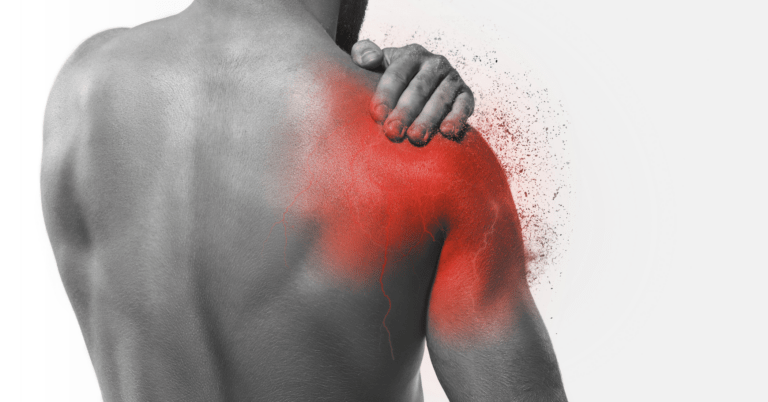
Here’s the thing that catches most people off guard, and often catches their GPs off guard too. The pain from neuralgic amyotrophy isn’t musculoskeletal pain. It’s not a rotator cuff tear or a frozen shoulder. What’s actually happening is inflammation of the brachial plexus, the network of nerves running from your neck into your arm [1][2]. This distinction matters enormously when it comes to treatment.
Neuropathic pain, which is what PTS produces, operates through completely different mechanisms to musculoskeletal pain. The nerves themselves are inflamed and damaged, sending aberrant signals that your brain interprets as deep, burning, relentless agony [10]. It’s the same fundamental category of pain you see in conditions like complex regional pain syndrome, though the mechanism and prognosis are quite different.
So why does paracetamol do absolutely nothing? Because it’s simply not designed for this kind of pain. People describe PTS pain as sharp, burning, stabbing or like an electric shock. It can radiate from the shoulder down the arm, or sit deep within the shoulder blade area. And unlike most musculoskeletal injuries where you can find a comfortable position, PTS pain can be relentless regardless of how you position yourself [1]. Those with existing chronic pain conditions often say this is in a completely different league.
What’s Actually Happening in the Acute Phase
Parsonage-Turner syndrome is an immune-mediated attack on the brachial plexus. Your immune system, for reasons we still don’t fully understand, launches an inflammatory assault on these nerves [2][3]. It’s somewhat analogous to Guillain-Barré syndrome, but localised to the brachial plexus rather than affecting nerves more widely.
The acute phase typically arrives with dramatic suddenness, often beginning at night. Van Alfen’s landmark study of 246 cases found that pain was the first symptom in the vast majority of patients, with most rating it as the worst pain they’d ever experienced [1]. The acute, severe pain phase typically lasts from a few days to several weeks, though for some it persists longer.
During this phase, the inflammation is actively damaging nerve fibres, which is what subsequently leads to the weakness and muscle wasting that characterises the condition. But in the immediate term, it’s the pain that dominates everything. The psychological impact of sudden severe medical episodes shouldn’t be underestimated.
Now, an important nuance. Not everyone with brachial neuritis follows the textbook presentation. Some people experience a more gradual onset, some have bilateral involvement, and the severity varies considerably [3]. But sudden, severe, unilateral shoulder pain remains the most common pattern.
Pain Management Options: What the Evidence Actually Says
Right, let’s get into the practical stuff. The evidence base for pain management specifically in PTS is relatively thin, there are no large randomised controlled trials telling us exactly what works best [4]. What we have is broader neuropathic pain literature, smaller PTS-specific studies, and clinical experience. With that caveat here’s what we know.
NSAIDs (Non-Steroidal Anti-Inflammatory Drugs)
Ibuprofen, naproxen, diclofenac and their relatives. These are usually the first thing people reach for, and they’re not entirely useless. Because there IS an inflammatory component to PTS, NSAIDs can help with that element. However, they typically can’t adequately address the neuropathic pain component, which is the dominant source of suffering [9]. Think of it this way: they might take you from a 10 to an 8, but at an 8 you’re still in agony.
Opioid Analgesics
This is where things get uncomfortable, because we live in an era of (entirely justified) concern about opioid use. However, the reality is that in the acute phase of Parsonage-Turner syndrome, opioids are often necessary. The pain can simply be too severe for anything else to manage in those first days [4]. The key word here is short-term: they’re not a good long-term strategy for neuropathic pain, but in the acute crisis they serve an important role. If your GP is reluctant to prescribe anything beyond paracetamol, it may be worth asking for a referral to someone who understands the specific challenges of treating PTS.
Neuropathic Pain Agents
This is where the real targeted treatment comes in. Medications designed specifically for nerve pain are often the most effective approach, particularly as the initial crisis transitions into sustained pain [9][10].
Gabapentin is probably the most commonly prescribed first-line neuropathic agent for PTS. It works by modulating calcium channels, essentially turning down the volume on overactive nerve signals. It needs titrating up gradually, which is a limitation when you need relief now.
Pregabalin (Lyrica) works through a similar mechanism but tends to be faster-acting. Both can cause drowsiness, which many people find helpful given the sleep disruption PTS causes.
Duloxetine and amitriptyline are also used. Amitriptyline taken at low doses at night can help with both pain and sleep. These aren’t prescribed because anyone thinks you’re depressed, they genuinely modulate pain pathways [9]. Those with experience of fibromyalgia pain management may already be familiar with these medications.
Corticosteroids
Now here’s where things get genuinely debated. The logic seems sound: PTS involves inflammation, corticosteroids reduce inflammation, so they should help. Van Alfen and colleagues reported that oral prednisolone given within the first month appeared to shorten pain duration [2][4]. However, the Cochrane review concluded the evidence was insufficient for strong recommendations [4]. What most agree on is that steroids need to be started early; waiting several weeks then trying them is unlikely to achieve much. It’s worth discussing with your neurologist, particularly when there’s a clear immunological trigger.
TENS (Transcutaneous Electrical Nerve Stimulation)
TENS units deliver mild electrical currents through skin pads, providing competing sensory input that can partially block pain signals. For some people with neuralgic amyotrophy, TENS provides meaningful short-term relief [10]. We wouldn’t suggest relying on it as primary treatment, but as an adjunct to medication it’s low-risk, inexpensive and gives people something they can control themselves.
Topical Treatments
Lidocaine patches (5%) can be applied directly over the area of worst pain and provide localised numbing. The evidence for these in neuropathic pain is moderate but positive [9]. Capsaicin cream works by depleting substance P from nerve endings, though it burns like hell for the first few applications, which is a tough sell for someone already in severe pain. It tends to be more useful in later stages when pain has reduced but remains persistent.
Nerve Blocks
For severe, refractory pain that isn’t responding to oral medications, nerve blocks can be considered. These involve injecting local anaesthetic around specific nerves of the brachial plexus and can provide significant temporary relief [11]. They require specialist input but for those in truly unmanageable pain they can be a genuine lifeline.
IVIg and Immunotherapy
Intravenous immunoglobulin and other immunomodulatory treatments represent an emerging area of interest. If PTS is immune-mediated, then modulating the immune response should help [3]. However, this remains experimental and the evidence base is still too small for definitive recommendations [4]. It’s most likely to be considered in recurrent neuralgic amyotrophy or severe bilateral cases.
What NOT To Do During the Acute Phase
When it comes to the acute phase, this section might be just as important as the treatment options above, because the wrong approach can create additional problems that complicate recovery significantly.
Don’t completely immobilise the arm. We understand the instinct, it hurts so you don’t want to move it. But prolonged immobilisation puts you at serious risk of developing adhesive capsulitis (frozen shoulder), which adds a whole second condition on top of PTS [1][6]. And frozen shoulder can take 12 to 18 months to resolve. If you’re already dealing with the various recovery phases of PTS, the last thing you need is that complicating things further.
But also don’t push through severe pain. During the worst of the pain phase, gentle range-of-motion movements are enough, just enough to keep the joint from seizing up. Think pendulum exercises, gentle passive movements. Our article on PTS exercises and rehabilitation covers the appropriate progression in detail.
Don’t let anyone aggressively manipulate your shoulder. We’ve heard from people whose physiotherapist, not recognising the condition, performed forceful mobilisations on an acutely inflamed brachial plexus. And if you haven’t received a proper diagnosis yet, our guide on getting a PTS diagnosis can help you advocate for yourself.
And on a tangential but genuinely relevant note: don’t underestimate the impact on your mental health. Sudden severe pain followed by loss of function is psychologically devastating. The relationship between pain and anxiety is well established, and addressing the psychological component early tends to improve pain outcomes overall.
The Transition: When Pain Gives Way to Weakness
One of the most distinctive features of PTS is this transition period. The acute pain begins to subside, and as it does weakness becomes apparent [1][2]. For some people the weakness was there all along but masked by the pain. For others it genuinely develops as the pain fades.
This transition can be confusing. You might feel like you should be getting better because the pain is improving, but then you realise you can’t lift your arm properly. The nerve damage that was happening beneath all that pain is now revealing itself, this is the natural progression of the condition, not a sign that something new has gone wrong.
When it comes to starting physiotherapy, gentle range-of-motion work can begin even during the pain phase, but more active strengthening should wait until pain is manageable [6]. The rehabilitation approach for PTS needs to be guided by symptoms, not a fixed timeline. It’s also worth understanding that brain and sensory mapping changes occur during PTS [7][8], which has implications for how rehabilitation should be approached.
Persistent Pain After the Acute Phase
Here’s something that doesn’t get talked about enough. Cup and colleagues found that around 60% of patients had residual pain complaints persisting for years after the acute phase [6]. That’s not a small number.
This chronic neuropathic pain is different from the acute phase. It’s typically less intense but more constant, often described as burning, aching or tingling, exacerbated by activity, cold weather, or fatigue [10]. When it comes to managing it, the neuropathic agents discussed earlier become the mainstay rather than opioids [9].
But medication alone rarely provides complete relief. Exercise (appropriately graded), sleep optimisation, and pacing strategies all play important roles. The principles of overcoming fear of movement apply here too, as many people develop understandable apprehension about using the affected arm. There’s also growing interest in central sensitisation: when your nervous system has been subjected to intense pain input, the processing systems can become upregulated [10]. Understanding that your brain can amplify pain responses actually opens up additional treatment avenues.
Night Pain: The Defining Struggle
If there’s one symptom that unites virtually every person with Parsonage-Turner syndrome, it’s the night pain. It’s almost pathognomonic for the condition [1]. The pain that wakes you at 2am, that won’t let you find a comfortable position, that leaves you exhausted by morning.
Why is it worse at night? Cortisol levels naturally drop (cortisol has anti-inflammatory properties), inflammatory markers tend to rise, and there’s less distraction. Your brain is essentially left alone with the pain signal and amplifies it accordingly.
So what can actually help? Positioning is key. Most people find lying flat or on the affected side makes things worse. Sleeping semi-reclined or supporting the affected arm on a pillow in front of you whilst lying on the other side often helps. Medication timing matters too: taking gabapentin or pregabalin’s larger dose at night helps with both pain and sleep. Amitriptyline taken 1-2 hours before bed can be particularly useful. Temperature is worth experimenting with, neuropathic pain responds unpredictably to heat and cold.
And when it comes to the mental side of night pain, techniques like breathing exercises can help break the catastrophising cycle at 3am. A brief tangent worth mentioning: if you’re dealing with brain fog and cognitive difficulties alongside the pain, severe sleep disruption is a massive contributor. As pain improves and sleep returns, the cognitive symptoms usually improve too.
Frequently Asked Questions
Why don’t normal painkillers work for PTS pain?
Standard painkillers like paracetamol and ibuprofen target musculoskeletal and inflammatory pain pathways. PTS pain is predominantly neuropathic, originating from the damaged nerves themselves [9][10]. It’s not that the painkillers are weak, they’re aimed at the wrong target. Neuropathic-specific medications like gabapentin and pregabalin tend to be far more effective.
How long does the acute pain last?
The intense acute pain phase typically lasts from a few days to around four weeks, though there’s considerable variation [1][5]. Severe pain averages around two to three weeks. However, residual pain of lesser intensity can persist for months, and around 60% report some ongoing pain even after the acute phase resolves [6]. The unbearable, crisis-level pain does improve even though it might not feel like it will.
Should I go to A&E for the pain?
If your pain is genuinely unmanageable, then yes. A&E can provide stronger analgesia, rule out other causes (like cardiac events if the pain is left-sided), and potentially start a referral to neurology. However, PTS isn’t widely recognised in emergency departments so you may need to advocate for yourself. Bringing information about Parsonage-Turner syndrome can help.
Can PTS pain come back after it’s gone?
Yes, unfortunately. Recurrence of neuralgic amyotrophy occurs in roughly 25-30% of cases [1][5], triggered by infections, surgery, or immunological events. The recurrence rate is particularly notable in those with the hereditary form. If you experience a return of that characteristic sudden severe pain, seek neurological assessment promptly [4].
When should I start physiotherapy?
During the acute severe pain phase, formal physiotherapy isn’t usually appropriate. However gentle passive range-of-motion exercises should begin as early as possible to prevent adhesive capsulitis [1][6]. Once pain has reduced enough, more structured rehabilitation can begin, typically around the 2-6 week mark. Our guide to PTS rehabilitation exercises outlines a phased approach. It’s also worth exploring supportive taping and compression garments for external support whilst muscles recover.
Supporting Your Recovery Beyond Pain Management
We’ve focused heavily on pain in this article, and rightly so. How you manage the acute phase directly affects rehabilitation outcomes. Untreated severe pain leads to immobility, secondary complications, and psychological distress, all of which worsen the recovery trajectory [8].
Those with PTS benefit from a coordinated approach: a neurologist for medical management, a physiotherapist for rehabilitation, and potentially a pain specialist if pain persists. If you’re dealing with shoulder blade weakness or coat hanger pain patterns, these need specific attention. The condition can also interact with pre-existing conditions, so if you have hypermobility or EDS, make sure your treating team knows.
PTS, whilst genuinely difficult, is a condition that the vast majority of people make meaningful recovery from [1][5]. The pain does get better. The weakness does improve. For a broader understanding, our Parsonage-Turner syndrome hub page links to all our resources on diagnosis, recovery phases, rehabilitation, and the neurological changes that accompany this condition.
– The Fibro Guy Team –
Where to Go From Here
If you’re working through recovery from Parsonage-Turner syndrome, the principles we use in our studios — neuron-first rehab, sensory mapping, graded loading — are the same ones that underpin our Hypermobility 101 course. It covers the frameworks for rebuilding joint control and proprioception that are directly relevant to PTS recovery. Have a look through the full course library for everything we offer.