

- Hypermobile hip exercises we use, and why clamshells aren’t one of them - 17 October 2026
- Is Fibromyalgia a Disability in the UK, and Can You Claim PIP? - 14 October 2026
- Fibromyalgia and Central Sensitisation, What Is It in Plain English? - 8 October 2026
This article is part of our comprehensive guide to living with fibromyalgia.
Back pain and fibromyalgia turn up together far more often than chance would allow. In an online survey of people who met the criteria for fibromyalgia, most had low back pain in the week before they filled it in [1]. Ask it the other way round and the overlap is still there: among people whose main complaint is chronic low back pain, close to half screen positive on the fibromyalgia criteria [2].
It isn’t a fibro problem on its own, though. Low back pain is the leading cause of years lived with disability anywhere in the world [3], and hundreds of millions of people are living with it right now [4]. For nearly all of them, nobody can point at a single bit of tissue and say that’s the one [5].
Back pain is an area fraught with misinformation, bad science, bias and some genuinely conflicting evidence. So below are the myths, the red flags, the things that really can cause it, and what the usual treatments actually do.
Diagnosing Back Pain With Fibro
For many with fibromyalgia, the frustration starts with the diagnosis itself: “non-specific low back pain”. Which means they don’t know the precise cause of your pain. That doesn’t mean the care is inadequate or that anyone is pulling a fast one. Pain is complicated, a lot like people.
The same is true of other diagnoses, such as patellofemoral pain syndrome, which roughly translates to pain at the front of the knee. Tell the doctor your knee hurts and you may well get told you have pain at the front of your knee, said in a fancier way. A lot of conditions come with a description of our symptoms rather than a straight to the point diagnosis of a cause. Fibromyalgia is one of them.
Finding a specific diagnosis does matter though, because back pain occasionally is serious. It just isn’t always possible. And there’s a strong pull, for all of us, towards a quick fix, rather than the slower work of changing what’s driving the pain.
As someone with fibromyalgia, you’ve probably found that the quick fix tends to start with a scan. Yet when people whose back pain showed no sign of anything sinister were randomised to imaging or no imaging, the scans didn’t improve their pain, their function or their quality of life [6].
Out With The Old Back Pain Treatment
You’ll already know the standard ways most professionals approach back pain, because you’ve almost certainly been through them. Nearly all of them aim to relieve pain and correct a supposed structural cause: bulging discs, degeneration, posture and so on.
Spinal adjustments, massage and posture training are a few of the techniques on offer. They usually come with good intentions, but the evidence under them is fairly underwhelming . Massage eases pain only in the short term [7], and spinal manipulation does about as well as other recommended treatments rather than better [8]. The explanation given for why a treatment works often doesn’t survive contact with the evidence either, and the chiropractic subluxation is a classic example [9].
Dozens of exercise systems have been invented over the years to fix these so called structural causes. Few of them beat any other form of exercise [10] [11].
Despite the money thrown at back pain research, the current approach to managing chronic back pain isn’t as effective as it should be.
Whether back pain becomes persistent and disabling depends on a mix of things: how intense it is at the start, psychological distress, pain elsewhere in the body, how the nervous system handles nociceptive input, how you think about pain, and social factors such as culture and what people around you believe about cause and effect [5]. Focus only on the back and you lose sight of the person, and of everything else thats contributing.
Things need to change, and they’re starting to. Science is just a slow beast.
Busting Myths Around Fibromyalgia And Back Pain
A chronic pain diagnosis sends most people to the internet, and the internet is a great resource that also happens to be plagued with total nonsense. These are the myths that cause the most damage.

Myth 1: Back Pain Means Damage
Pain is a very good way of keeping a person safe. It’s hard to ignore and it makes us pay attention, which is literally its job. The catch is that how much something hurts isn’t a direct readout of what’s happening in the tissue. It’s the nervous system’s best estimate, built from the signal coming in and everything else it already knows.
Think back to the last time you visited the dentist. They probably used something like lidocaine to numb your mouth, so you could enjoy a filling without screaming in agony. Dead thoughtful, dentists.
The sensory nerves in your mouth, lips and face were all blocked from talking to your brain, and your lip felt enormous. That sudden cut in communication leaves your brain guessing how big your lips are, because it’s no longer getting the information it normally uses.
Your brain doesn’t simply relay everything that arrives. It combines two kinds of processing, and it gets very good at filling in the gaps with its own narrative.
Bottom up processing is the brain working with the information arriving from your senses, such as sight and hearing, and using it to build a picture of the world around you.
Topdown processing is the brain using what it already knows, expects and understands about the situation to interpret what’s arriving. See a partially hidden object and your brain fills in the rest from experience.
Brains work best with both, and when pain is involved they can under or overestimate what’s actually going on. Think back to your teenage years and a spot coming up just before the big dance. It felt like an utter behemoth, and in the mirror it wasn’t all that big. Your perception was off, because a nervous system was being modulated by inflammation and worry at the same time.
Most back pain works the same way. For nearly all people with low back pain, no specific nociceptive cause can be found [5]. The nerves, the immune system and the endocrine system all feed into the experience, and pain can carry on long after an injury has healed.
In primary care, the overwhelming majority of low back pain can’t be pinned on a specific underlying cause such as cancer, infection, inflammatory disease, a fracture or serious nerve damage, which is exactly why it gets labelled non-specific [6]. There are red flags worth knowing, and they’re further down this page.
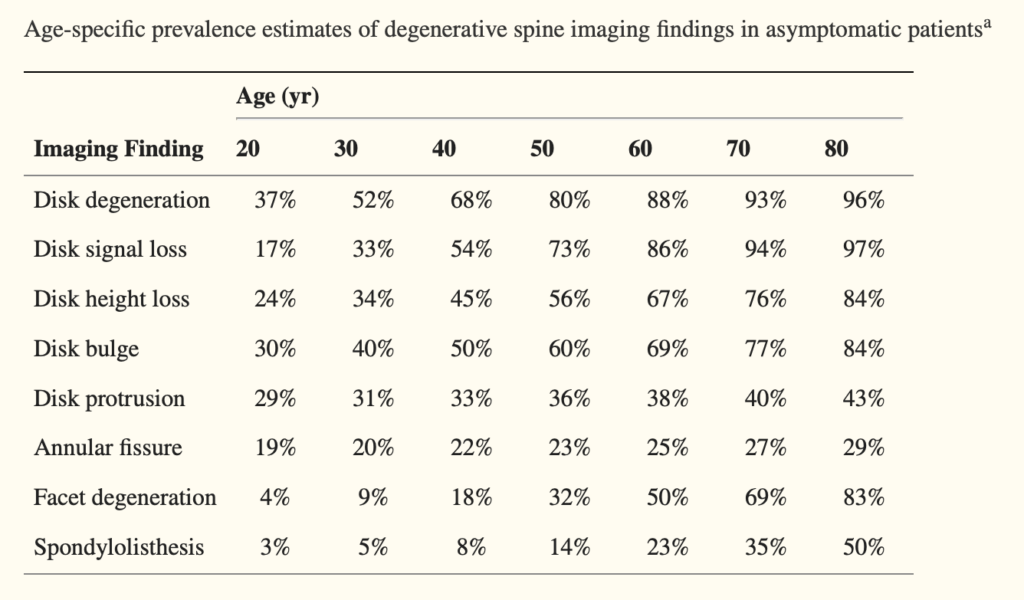
Degenerative changes, meanwhile, are something close to normal. In people with no pain at all, disc degeneration and disc bulges show up on scans in a sizeable chunk of twenty somethings and in most people by their eighties [12].
Myth 2: Your Weak Core
Pull the core stability idea apart and there’s nothing showing that weak or badly timed abdominal muscles cause back pain [13]. The idea has been floating around for decades anyway.
Plenty of assumptions have been made about what the “core” even is, with some people treating the transversus abdominis as the key to a stable spine. In reality, bones, ligaments, muscles and the nervous system all work together to produce stability, and no single one of them holds the thing up.
Pregnancy is a decent test of the idea. The abdominal wall stretches, hormones like relaxin change how tissues behave, and you could fairly call that a weak core. Yet sit up strength in pregnancy had nothing to do with backache, even though plenty of pregnant women can’t do a single sit up [13]. Blaming one tissue in a complex system for causing pain is pure lunacy. But alas, here we are.
A favourite study of mine tested a tailored self management programme against usual physiotherapy for women with pregnancy related pelvic girdle or low back pain. Of the 869 women who asked for physiotherapy, 635 never made it into the trial, because by two weeks after delivery their pain had already settled on its own [14]. Their abdominal muscles, at that point, were nowhere near back to normal.
Does Training the Core Help With Back Pain?
Pool the trials comparing core stability exercise with general exercise for chronic low back pain and core stability comes out ahead on pain and disability in the short term, with nothing between the two by six and twelve months [11].
So yes, in the short term. My own reading, which is a practitioner’s and not a finding, is that doing something physical beats doing nothing, and that believing you’re fixing a weak core gives the brain a reason to move with more confidence. The study that comes closest to testing that is in the exercise section below.
Myth 3: You Slipped a Disc
Discs can’t slip. They’re firmly attached to the vertebrae above and below through the endplates, which also act as a semi permeable interface for water and nutrients. What a disc can do is bulge or herniate, and the two words get used interchangeably when they shouldn’t.
A bulge is when the outer fibrous ring of the disc, the annulus fibrosus, extends past its usual boundary. It can happen gradually over the years or after an injury.
A herniation is when the nucleus pulposus, the gel-like centre, pushes out through a tear in that ring. It can irritate the nerve root sitting nearby and produce pain, numbness and weakness.
Despite the belief that a herniated or bulging disc is always painful, often it isn’t. Bulges, protrusions and degenerative changes are common in people with no pain or symptoms at all, they become more common with age, and they turn up in people as young as twenty [12].
That doesn’t make a scan meaningless. Pooling studies of adults aged fifty and under, bulges, degeneration, protrusions and extrusions were all more common in people with back pain than in people without it, while annular fissures and canal stenosis weren’t [15]. But because those same findings are so common in pain-free people, a scan on its own can’t tell you whether the thing on the screen is the reason you hurt. Which is why clinicians need to be careful how they word it, rather than frightening someone into sitting still for a year.
Herniations also have a habit of shrinking on their own, and here’s the part that sounds backwards: the bigger and messier the herniation, the more likely it is to regress, and the more likely it is to disappear altogether [16]. Across studies of people treated without surgery, most herniations got smaller [17].
Pain is complicated, though. A bulging or herniated disc causing no pain in most people doesn’t mean it can’t be contributing to yours.
Myth 4: Bad Posture Causes Back Pain
People with fibromyalgia are told, constantly, that correcting their posture will fix their pain. It won’t, and the measurements are fairly clear about it.
Pool the studies that measured the curve of the lower back while people stood and, on average, people with low back pain had the same amount of lumbar curve and the same standing pelvic tilt as people without it [18]. A later study using wearable sensors found the same thing, and it also showed how much one person’s standing curve shifts between one day and the next: up to around 15 degrees [19].
Two things follow from that. If a feature is just as common in people without pain, it can’t be blamed for the pain in people who have it. And if your standing posture moves that much day to day, a one-off postural assessment is on very shaky ground. Worth keeping in mind with posture aids like the Body Braid too, where the evidence is thinner than the marketing.
What I think happens, especially with fibro, is that people confuse posture with prolonged positional stress. They’re very different animals.
Posture is just how you move through the day, and there’s no one perfect version of it, because the best position depends entirely on what you’re doing. Getting your shoes out of the cupboard under the stairs, a rounded spine is the right tool. Reaching the top shelf, it’s the worst one available.
Prolonged positional stress is the other thing, and it’s the one that actually hurts. Hold any body part in one position for long enough and it gets uncomfortable. We have an inbuilt system for telling us when it’s time to move. It’s called discomfort, and it works pretty damn well. Stay put and high threshold nerves called nociceptors start responding to the sustained pressure, stretch and load, while blood flow, nerve sensitivity and tissue tone all shift. Usually what you get is a nagging “time to move, please”. Sometimes the nervous system weighs it all up and decides this needs to be louder.
Sit up straight for an hour and it’ll ache. Slump for an hour and it’ll ache. It isn’t the position, it’s the duration. Your best posture is your next one.
So, What Causes Back Pain?
Mostly, nobody can tell you. For nearly everyone with low back pain, no specific tissue cause can be found, and whether it becomes persistent and disabling comes down to a mix of biological, psychological and social factors [5].
Not all back pain is created equal, though. Sometimes it can be traced to something specific, and these are the ones worth knowing about.
Sciatica
Sciatica is a symptom rather than a diagnosis, and not a very specific one. It’s the loose term for one type of lumbar radiculopathy, meaning pain and other symptoms caused by irritation of a lumbar nerve root, or part of one. Many clinicians use it for leg symptoms coming from a herniated disc, while most people use it for any pain that shoots down the leg, which is where the confusion starts.
There are plenty of ways for those nerve roots to get irritated, and a disc herniation is only one, and compression isn’t the whole story either. Disc material that escapes isn’t inert: it sets off an inflammatory and immune response around the nerve root, and in animal work it can make the nerve root more excitable with no compression at all [20]. In some people, how much the nerve is squashed and how much it hurts don’t match [20]. In a small group of people waiting for surgery for disc-related radiculopathy, pain intensity tracked catastrophising and the body’s own capacity to damp pain down, not inflammatory markers in the disc or blood, and not the size of the herniation on MRI [21].
Fibromyalgia is described as a condition of central nervous system pain amplification [22]. In an early brain imaging study, the same amount of pressure produced activity across many more brain regions in people with fibromyalgia than in matched controls, and a pressure that was painful for the fibromyalgia group barely registered for the others [23]. The authors read that as the nervous system turning up its processing of nociceptive input rather than as damage in the tissue [23]. So if you have fibromyalgia and sciatica, the same irritation of the same nerve root may well land harder, and changes in load, stress and movement may register more loudly.
Scoliosis
Scoliosis comes up a lot, especially if you’re hypermobile, and its relationship with pain is far looser than you’d expect.
It’s a sideways curvature of the spine. It often starts in childhood, though it can appear at any age, and it can progress to a marked deformity or stay subtle and stable for life. Sometimes there’s a clear trigger such as a spinal injury or a serious disease. Often it seems to appear out of nowhere.
Whether the curve itself causes pain is the unsettled bit. The authors of one review of teenagers with idiopathic scoliosis describe little understanding of the causative relationship between the two, with the proportion in pain varying from study to study [24]. And teenagers who have scoliosis and back pain tend to share the features seen in other back pain, such as depression and insomnia [24].
Studies also disagree on whether a bigger curve means more pain. In a large group of teenagers with idiopathic scoliosis, around half had back pain, and neither having it nor how bad it was had anything to do with the size of the curve [25]. Where the curve sat did matter: lumbar curves came with pain low in the back, thoracic curves with pain higher up [25].
As for exercise to treat the curve, the evidence is thin: small trials, a lot of different comparisons, and mostly low or very low certainty, so it’s unclear whether exercise changes a curve in any way that matters. Scoliosis-specific exercise probably reduces trunk rotation by a couple of degrees, and adding it to bracing may shave a little off the curve [26].
To underline how loosely a curve and pain are connected, Lamar Gant, an American powerlifter, held the world deadlift record for years with idiopathic scoliosis and a very visible curve in his spine.
So scoliosis gets a place on this list of specific causes, and I’m genuinely in two minds about whether it has earned one.
We have a video on scoliosis, so feel free to check it out below.
Autoimmune Conditions
One area where medicine has excelled itself in recent years is the diagnosis and treatment of autoimmune conditions affecting the spine and joints. No surprise, given medicine’s never-ending search for cause and effect: here there’s usually something measurable to find and a drug that targets it.
Ankylosing spondylitis is the obvious example. Inflammation in the joints of the spine can, over years, lead to new bone forming between the vertebrae, which gradually fuses sections of it.
It’s strongly linked to a gene called HLA-B27, which a blood test picks up, and it runs in families. A positive test doesn’t diagnose it, though. Only around 5 to 10% of people carrying HLA-B27 ever develop the disease, so a rheumatologist makes the call by weighing symptoms, blood tests and imaging together [27]. Unlike non-specific back pain, where tests and imaging usually find nothing much, this has hallmark signs that show up on a scan.
The international recommendations put anti-inflammatories first. They specifically advise against conventional disease-modifying drugs such as methotrexate or sulfasalazine for disease that’s purely in the spine, because those drugs haven’t worked there. If the disease stays active anyway, the next step is a biologic or targeted drug, a TNF, IL-17 or JAK inhibitor, with TNF or IL-17 inhibitors usually tried first [28].
With objective findings like these to work from, doctors do well. Take them away, which is the situation in most low back pain, and they tend to flounder.
Does Fibromyalgia Cause Back Pain?
Our view of fibromyalgia is that it’s a label for a group of symptoms that turn up together, which is the definition of a syndrome. So it’s unlikely that fibromyalgia causes anything, because a name isn’t a mechanism.
Do people diagnosed with fibromyalgia have more back pain? Absolutely. Just not through direct cause and effect.
Pain brings other problems along with it, and those problems feed back in and make the pain worse. Sleep is the clearest one. Sleep and pain have been studied together a great deal, and each affects the other, but when people are followed over time, sleep problems predict later pain more reliably than pain predicts later sleep problems [29].
In a diary study of people with chronic low back pain, who rated their sleep and symptoms five times a day for a fortnight, a worse night than usual was followed by more pain, lower mood and more catastrophising the next day, strongest first thing in the morning [30]. The effects were small, and the link with physical function didn’t survive the authors correcting for running many tests [30].
The same study found that a good night buys you a morning rather than a day. Pain started lower, crept up through the hours, and by about 6pm it was no different from the day after a bad night [30]. Pain really is a complex beast, and at times just plain weird.
Catching up isn’t a full reset either. When healthy adults had five nights of four hours in bed, most of the damage wore off after one long night’s sleep, while sustained attention was still below par after four nights of up to twelve hours in bed [31].
Several large prospective studies suggest that ongoing sleep problems raise the risk of developing chronic pain in people who were pain free to start with [29]. In a Norwegian study that followed more than 14,000 women for about 11 years, those reporting several insomnia symptoms were more than twice as likely to report fibromyalgia at follow-up as those reporting none, though the overall risk stayed low [32]. Don’t carry that proportion over to yourself, though.
Nearly everyone with fibromyalgia sleeps badly [33], which may leave them more open to back pain and other chronic pain. They’re also more sensitive to noxious and potentially noxious input, because the nervous system amplifies it [22] [23].
Brain imaging has pointed at one region in particular, the insula. In a small study comparing women with fibromyalgia against pain-free women, there was more glutamate, an excitatory chemical messenger, at the back of the right insula, and higher levels went with lower pressure pain thresholds [34]. In another, how strongly the back of the insula was connected to other brain hubs tracked how much pain women with fibromyalgia reported [35]. Some of that didn’t hold up in a second, smaller group, and studies like these show links rather than cause and effect [35].
So if you’re more sensitive to input generally, your nervous system may object to smaller amounts of load or prolonged positional stress than someone else’s would. The same question comes up with fibromyalgia and osteoarthritis.
Are people with fibromyalgia more likely to have back pain? Yes, most likely by some of the routes above.
When to Worry About Back Pain With Fibromyalgia
People with fibromyalgia put new aches and pains down to their fibromyalgia, and that can be dangerous. I’m not writing this to frighten anybody. I’m writing it because so many people put off an appointment about a new pain on the assumption that it’s just another fibro thing. If there are red flags, or something simply doesn’t feel right, go and get it looked at.
Cancer, for what it’s worth, is a rare cause of back pain. Across six primary care studies, spinal cancer turned up in fewer than 1 in 100 people presenting with low back pain, and in some of those studies in nobody at all [36]. That’s why doctors don’t investigate everyone, and why it’s worth knowing which warning signs actually matter. Most serious conditions eventually produce other symptoms that mark them out as something more than ordinary back pain.
Persistent low back pain can be miserable, and it’s rarely dangerous. The point here isn’t alarm, it’s knowing what to act on.
Red Flags For Back Pain
- Loss of bladder or bowel control, difficulty passing urine, or numbness around the genitals, bottom or inner thighs, the saddle area. These can be signs of cauda equina syndrome, a serious compression of the nerves at the bottom of the spine [37].
- Sciatica in both legs [37].
- A fever alongside back pain, especially with new weakness or numbness, which can point to a spinal infection [38].
- A previous history of cancer [36] [39].
- Unexplained weight loss [36].
- Back pain that hasn’t improved at all after a month [36].
- Long term use of corticosteroid medicines, older age, or a significant fall or accident, all of which raise the chance of a spinal fracture [39].
None of these is a reliable test on its own, and most people who have one of them don’t have anything serious [39] [36]. A history of cancer is the most telling [39]. If one turns up alongside persistent, severe pain, get it checked rather than putting it down to fibromyalgia.
The Usual Treatments for Back Pain
Back pain, fibro and research together tend to produce a big fat “it depends”, and the treatments below are no exception.
Yoga For Lower Back Pain

A UK trial randomised adults with chronic or recurring low back pain to a 12-week yoga programme or usual care. The yoga group had better back function for up to a year and more confidence managing their pain for six months, while back pain scores and general health were no different between the groups. A handful of the yoga group reported side effects, mostly more pain [40].
A second trial, in mostly low-income adults with moderate to severe chronic low back pain, compared weekly yoga classes, physiotherapy, or an education book. Yoga was no worse than physiotherapy for back function and pain, though at twelve weeks neither beat the book on function. People in the yoga and physiotherapy groups were less likely than the book group to still be taking pain medication, and the gains in both held at a year [41].
Something more fibro specific now. A review of 61 trials in mostly female participants with fibromyalgia couldn’t say whether biofeedback, mindfulness, movement therapies like yoga, or relaxation worked at all, because the evidence was low or very low quality [42].
So: yoga may help somewhat, and in back pain it looks about as useful as physiotherapy [41] rather than as something special. If you enjoy it, that’s reason enough to do it.
Pilates
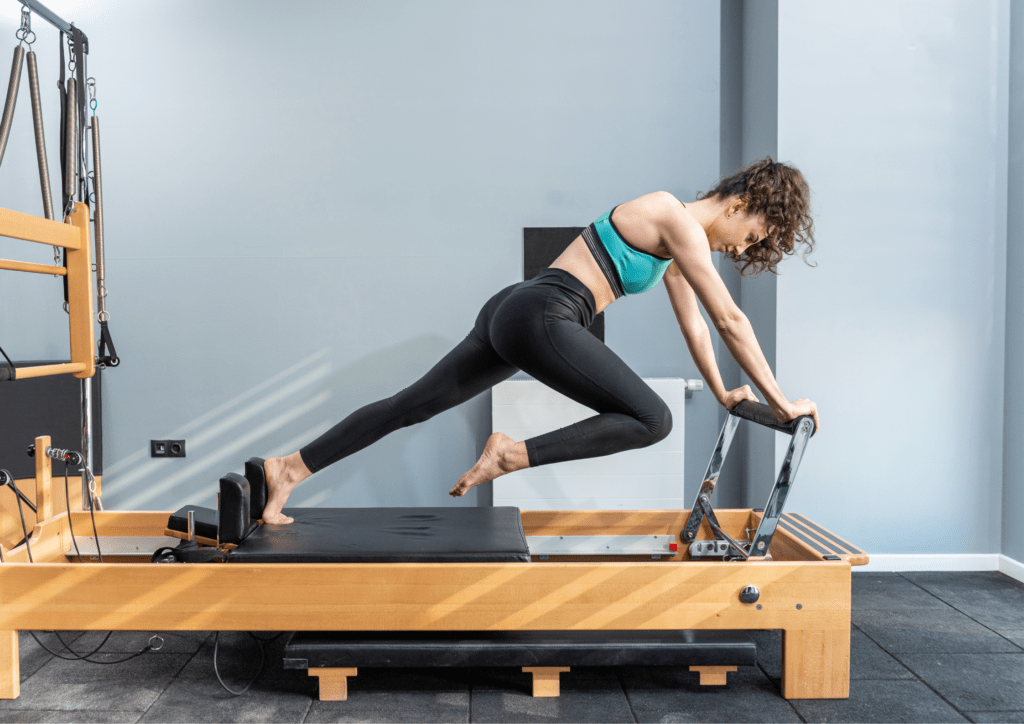
The picture for Pilates looks a lot like the one for yoga. There’s low quality evidence that it eases pain more than minimal intervention in the short term, no clear evidence that it beats any other form of exercise, and no clinically important effect on pain intensity anywhere in the trials [10]. For a fuller look, see our guide to Pilates for hypermobility and fibromyalgia.
Pool the exercise trials in adults with chronic non-specific low back pain and the best type seems to depend on what you’re trying to change: Pilates for pain, resistance and stabilisation or motor control work for physical function, resistance and aerobic training for mental health. All of it low quality evidence [43]. So Pilates may well help, and how much is going to vary from person to person.
Massage

A review of the massage trials concluded that the authors had “very little confidence” that massage is an effective treatment for low back pain, and that it eases pain only in the short term. In the previous version of that review the evidence had been rated moderate quality. Adding new trials and grading them more strictly dropped it to low or very low [7]. That’s how research is supposed to work, even when it’s disappointing.
Some people swear by massage, and if it makes you feel better for a while, that isn’t nothing. Just go in knowing the evidence for lasting change is weak.
Acupuncture
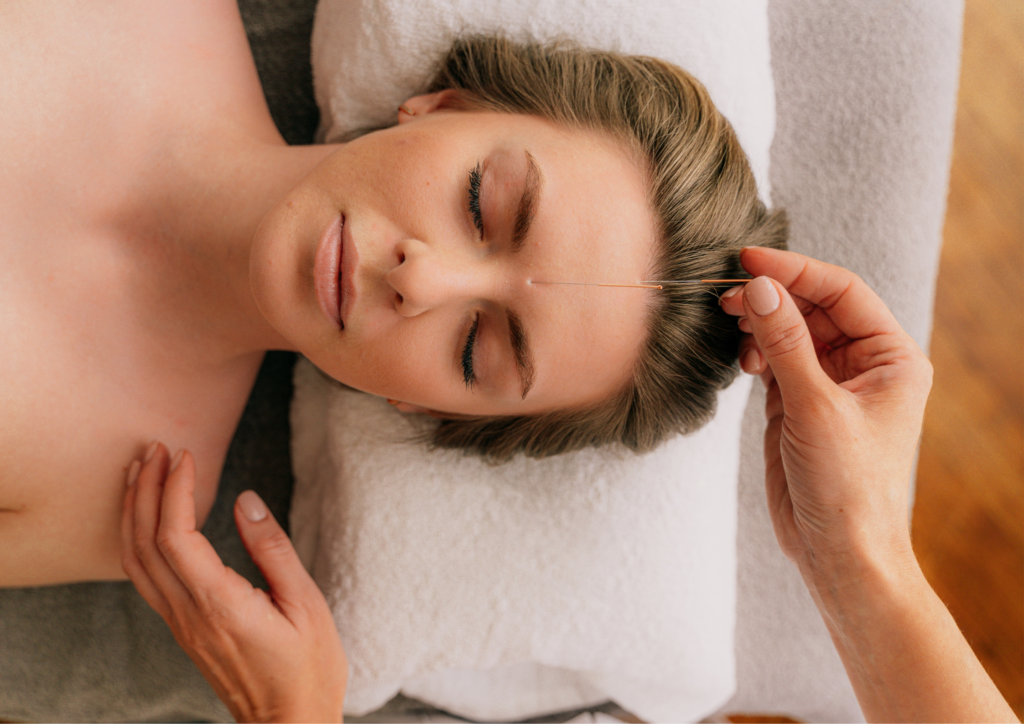
Acupuncture, the traditional Chinese practice of inserting needles into the skin at specific points, has been used by people with fibro and back pain for a very long time, and has been argued about for nearly as long.
Put real acupuncture against placebo acupuncture and no acupuncture and the difference between real and placebo came out at about 4 mm on a 100 mm pain scale, which the authors said seemed to lack clinical relevance and couldn’t be separated from bias [44]. Later work pooling the individual data of around twenty thousand people found acupuncture did beat both sham and no acupuncture for chronic pain [45] [46], although the gap over sham was much the smaller of the two [46].
How the sham is built changes the answer, too. In the larger pooled analysis, acupuncture’s advantage shrank when the fake version used a needle that actually went into the skin [46].
Taken together, most of acupuncture’s benefit comes from something other than putting needles in the “right” spots, and the gap over sham means it isn’t purely placebo either [45] [46]. NICE’s guideline for low back pain says not to offer it [47].
The other problem, and my own bias bites me on the behind here, is that it’s a passive therapy. I’d rather see someone in control of their own health than reliant on a practitioner and a method.
Chiropractic

Chiropractic is a field built around the spine and nervous system, and around one idea in particular: the “subluxation”, a misalignment of spinal joints held to cause pain and poor health. In standard medical language a subluxation is a partial dislocation of a joint. The chiropractic version has been stretched to cover almost any harmful distortion in the body, which is why so many doctors and scientists are sceptical of it.
Tested against the standard epidemiological criteria for cause and effect, the chiropractic subluxation met almost none of them, and no evidence turned up linking it to any disease, or to poor health that needs treating [9].
The field is somewhat split these days. Plenty still hold the old beliefs, while others have taken a biopsychosocial approach and keep adapting as the evidence comes in. That’s a good thing, because clinging to an outdated theory helps nobody.
There’s a reason the idea lands, mind. People with back pain often report that their back feels different from how it really is. Pooling the studies, people with back pain scored clearly higher than pain-free people on a questionnaire about how they perceive their own back [48]. Those were snapshots, so they can’t tell us whether pain changes how the back feels or the other way round [48]. Add in a worry about a weak spine or a vertebra being “out” and it’s easy to see why so many people feel misaligned and vulnerable when they’re nothing of the sort. A quick adjustment, and for some people, relief.
The trials are less exciting than the experience. For sudden onset low back pain, there’s low to very low quality evidence that spinal manipulation works no better than inactive treatment, than fake manipulation, or than adding it on top of other care [49]. For chronic low back pain, manipulation came out similar to other recommended therapies, with a small short-term gain in function [8]. Real-world chiropractic care looks about as effective as physiotherapy, with no serious side effects reported [50].
So some people do find relief with chiropractic, though probably not for the reason they’re given. An adjustment is an enormous amount of sensory input delivered in a fraction of a second, and that on its own can change how a back feels for a while.
Exercise

Rest and inactivity used to be the standard advice for non specific low back pain. Pool 249 trials and exercise probably eases chronic low back pain compared with no treatment, usual care or placebo, on moderate certainty evidence, though the improvement in day to day function was small [51].
Now, exercise and chronic pain is my area, so there’s bias coming. I’ll do my best to keep it at bay.
As with Pilates, the best type depends on what you’re trying to change, and the evidence for all of them is low quality [43]. Which is quite freeing, because it means the exercise can be fitted around what you need and what you’ll actually keep doing.
Core stability beat general exercise for short term relief and not for long-term [11]. And in a small group of people with chronic low back pain who did nine weeks of stabilisation exercises, how much their disability improved had nothing to do with how much their deep abdominal muscle function changed. What did track with improvement was less catastrophising and better forward-bending flexibility [52]. Small study, no control group, and another nail in the core myth.
The NICE Guidelines For Lower Back Pain
The NICE guideline on low back pain and sciatica sets out how healthcare professionals in England should assess and treat it, and most of it lines up with what’s above.
The first step is to think about alternative diagnoses and exclude specific causes such as cancer, infection, trauma and inflammatory disease. It suggests considering a risk stratification tool, such as the Keele STarT Back tool, to work out how much support someone needs. It advises against routinely offering imaging outside specialist settings, and says specialists should consider it only where the result is likely to change what happens next [47].
It recommends self management advice and encouragement to carry on with normal activities, and suggests considering a group exercise programme. Manual therapy, meaning manipulation, mobilisation or soft tissue techniques such as massage, should only be considered as part of a package that includes exercise. It says not to offer acupuncture, belts or corsets, foot orthotics, rocker sole shoes, traction, ultrasound, TENS, PENS or interferential therapy. Its earlier recommendations on psychological therapy were removed in July 2026 [47].
On medication, it says to consider oral NSAIDs, not to offer paracetamol on its own, and not to offer opioids for chronic low back pain or chronic sciatica. It also says not to offer gabapentinoids, other antiepileptics, oral corticosteroids or benzodiazepines for sciatica, or SSRIs, SNRIs or tricyclic antidepressants for low back pain [47].
For invasive treatment, it says not to offer spinal injections for low back pain, and sets out when to consider radiofrequency denervation, an epidural for acute and severe sciatica, or spinal decompression for sciatica. It says not to offer spinal fusion unless it’s part of a randomised controlled trial, and not to offer disc replacement [47].
The Takeaway From The Evidence On Treatments
Research on back pain is plain messy, and a lot of what gets offered to people with fibromyalgia and back pain comes with bigger claims than the evidence under it can carry.
That’s mainly because people are complicated. There’s no one size fits all approach, because too many things shape the experience of pain at once. Meanwhile the number of people living with low back pain keeps climbing [4], which suggests that hunting for a single tissue or mechanical source isn’t the answer. Injections, exercise, yoga, surgery and even burning nerves have all been thrown at it, and none of them reliably provides lasting relief for everyone. Scan findings don’t map neatly onto pain either, because plenty of people have “abnormal” findings and no pain whatsoever [12].
Treating chronic pain has to take in all the things that make us human, not just the tissue on the scan.
We don’t much like the word exercise at The Fibro Guy. It comes with baggage for people in pain, so we prefer movement. It’s less loaded, and it makes the point that moving is a normal part of a functioning body and brain rather than a prescription. It’s also the way in to loosening the association between movement and pain, which is most of the work.
Fibromyalgia Back Pain Exercises
Here’s something practical to finish on. We’ve made a video that walks you through a series of back pain rehab exercises for people living with fibromyalgia.
These aren’t about rigorous training or pushing past your limits. They’re about gently getting muscles and joints moving and building a better relationship with movement, and you can do them at home.
It isn’t about doing them perfectly. It’s about moving at your own pace and noticing how your body responds, and if something feels uncomfortable, pause, take a break, or change the movement to suit you.
Adam
References
[1] Salaffi, F., Mozzani, F., Draghessi, A., Atzeni, F., Catellani, R., Ciapetti, A. et al. (2016) ‘Identifying the symptom and functional domains in patients with fibromyalgia: results of a cross-sectional Internet-based survey in Italy’, Journal of Pain Research. https://doi.org/10.2147/jpr.s100829
[2] Aoyagi, K., He, J., Nicol, A.L., Clauw, D.J., Kluding, P.M., Jernigan, S. et al. (2019) ‘A Subgroup of Chronic Low Back Pain Patients With Central Sensitization’, The Clinical Journal of Pain. https://doi.org/10.1097/ajp.0000000000000755
[3] Wu, A., March, L., Zheng, X., Huang, J., Wang, X., Zhao, J. et al. (2020) ‘Global low back pain prevalence and years lived with disability from 1990 to 2017: estimates from the Global Burden of Disease Study 2017’, Annals of Translational Medicine. https://doi.org/10.21037/atm.2020.02.175
Read More[4] Ferreira, M.L., de Luca, K., Haile, L.M., Steinmetz, J.D., Culbreth, G.T., Cross, M. et al. (2023) ‘Global, regional, and national burden of low back pain, 1990–2020, its attributable risk factors, and projections to 2050: a systematic analysis of the Global Burden of Disease Study 2021’, The Lancet Rheumatology. https://doi.org/10.1016/s2665-9913(23)00098-x
[5] Hartvigsen, J., Hancock, M.J., Kongsted, A., Louw, Q., Ferreira, M.L., Genevay, S. et al. (2018) ‘What low back pain is and why we need to pay attention’, The Lancet. https://doi.org/10.1016/S0140-6736(18)30480-X
[6] Hall, A.M., Aubrey-Bassler, K., Thorne, B. and Maher, C.G. (2021) ‘Do not routinely offer imaging for uncomplicated low back pain’, BMJ. https://doi.org/10.1136/bmj.n291
[7] Furlan, A.D., Giraldo, M., Baskwill, A., Irvin, E. and Imamura, M. (2015) ‘Massage for low-back pain’, Cochrane Database of Systematic Reviews. https://doi.org/10.1002/14651858.cd001929.pub3
[8] Rubinstein, S.M., de Zoete, A., van Middelkoop, M., Assendelft, W.J.J., de Boer, M.R. and van Tulder, M.W. (2019) ‘Benefits and harms of spinal manipulative therapy for the treatment of chronic low back pain: systematic review and meta-analysis of randomised controlled trials’, BMJ. https://doi.org/10.1136/bmj.l689
[9] Mirtz, T.A., Morgan, L., Wyatt, L.H. and Greene, L. (2009) ‘An epidemiological examination of the subluxation construct using Hill’s criteria of causation’, Chiropractic & Osteopathy. https://doi.org/10.1186/1746-1340-17-13
[10] Yamato, T.P., Maher, C.G., Saragiotto, B.T., Hancock, M.J., Ostelo, R.W., Cabral, C.M. et al. (2015) ‘Pilates for low back pain’, Cochrane Database of Systematic Reviews. https://doi.org/10.1002/14651858.cd010265.pub2
[11] Wang, X.Q., Zheng, J.J., Yu, Z.W., Bi, X., Lou, S.J., Liu, J. et al. (2012) ‘A Meta-Analysis of Core Stability Exercise versus General Exercise for Chronic Low Back Pain’, PLoS ONE. https://doi.org/10.1371/journal.pone.0052082
[12] Brinjikji, W., Luetmer, P.H., Comstock, B., Bresnahan, B.W., Chen, L.E., Deyo, R.A. et al. (2014) ‘Systematic Literature Review of Imaging Features of Spinal Degeneration in Asymptomatic Populations’, American Journal of Neuroradiology. https://doi.org/10.3174/ajnr.a4173
[13] Lederman, E. (2010) ‘The myth of core stability’, Journal of Bodywork and Movement Therapies. https://doi.org/10.1016/j.jbmt.2009.08.001
[14] Bastiaenen, C.H., de Bie, R.A., Wolters, P.M., Vlaeyen, J.W., Leffers, P., Stelma, F. et al. (2006) ‘Effectiveness of a tailor-made intervention for pregnancy-related pelvic girdle and/or low back pain after delivery: Short-term results of a randomized clinical trial [ISRCTN08477490]’, BMC Musculoskeletal Disorders. https://doi.org/10.1186/1471-2474-7-19
[15] Brinjikji, W., Diehn, F.E., Jarvik, J.G., Carr, C.M., Kallmes, D.F., Murad, M.H. et al. (2015) ‘MRI Findings of Disc Degeneration are More Prevalent in Adults with Low Back Pain than in Asymptomatic Controls: A Systematic Review and Meta-Analysis’, American Journal of Neuroradiology. https://doi.org/10.3174/ajnr.a4498
[16] Rashed, S., Vassiliou, A., Starup-Hansen, J. and Tsang, K. (2023) ‘Systematic review and meta-analysis of predictive factors for spontaneous regression in lumbar disc herniation’, Journal of Neurosurgery: Spine. https://doi.org/10.3171/2023.6.spine23367
[17] Wang, Y., Dai, G., Jiang, L. and Liao, S. (2020) ‘The incidence of regression after the non-surgical treatment of symptomatic lumbar disc herniation: a systematic review and meta-analysis’, BMC Musculoskeletal Disorders. https://doi.org/10.1186/s12891-020-03548-z
[18] Laird, R.A., Gilbert, J., Kent, P. and Keating, J.L. (2014) ‘Comparing lumbo-pelvic kinematics in people with and without back pain: a systematic review and meta-analysis’, BMC Musculoskeletal Disorders. https://doi.org/10.1186/1471-2474-15-229
[19] Laird, R.A., Kent, P. and Keating, J.L. (2016) ‘How consistent are lordosis, range of movement and lumbo-pelvic rhythm in people with and without back pain?’, BMC Musculoskeletal Disorders. https://doi.org/10.1186/s12891-016-1250-1
[20] Ye, F., Lyu, F., Wang, H. and Zheng, Z. (2022) ‘The involvement of immune system in intervertebral disc herniation and degeneration’, JOR SPINE. https://doi.org/10.1002/jsp2.1196
[21] Samuelly‐Leichtag, G., Eisenberg, E., Zohar, Y., Andraous, M., Eran, A., Sviri, G.E. et al. (2022) ‘Mechanism underlying painful radiculopathy in patients with lumbar disc herniation’, European Journal of Pain. https://doi.org/10.1002/ejp.1947
[22] Clauw, D.J. (2014) ‘Fibromyalgia’, JAMA. https://doi.org/10.1001/jama.2014.3266
[23] Gracely, R.H., Petzke, F., Wolf, J.M. and Clauw, D.J. (2002) ‘Functional magnetic resonance imaging evidence of augmented pain processing in fibromyalgia’, Arthritis & Rheumatism. https://doi.org/10.1002/art.10225
[24] An, J.K., Berman, D. and Schulz, J. (2023) ‘Back pain in adolescent idiopathic scoliosis: A comprehensive review’, Journal of Children’s Orthopaedics. https://doi.org/10.1177/18632521221149058
[25] Sarkovich, S., Leonardi, C., Darlow, M., Martin, D., Issa, P., Soria, T. et al. (2024) ‘Back pain in adolescent idiopathic scoliosis: frequency and risk factors’, Spine Deformity. https://doi.org/10.1007/s43390-024-00904-0
[26] Romano, M., Minozzi, S., Bettany-Saltikov, J., Zaina, F., Chockalingam, N., Kotwicki, T. et al. (2024) ‘Therapeutic exercises for idiopathic scoliosis in adolescents’, Cochrane Database of Systematic Reviews. https://doi.org/10.1002/14651858.cd007837.pub3
[27] Deodhar, A., Gill, T. and Magrey, M. (2023) ‘Human Leukocyte Antigen B27‐Negative Axial Spondyloarthritis: What Do We Know?’, ACR Open Rheumatology. https://doi.org/10.1002/acr2.11555
[28] Ramiro, S., Nikiphorou, E., Sepriano, A., Ortolan, A., Webers, C., Baraliakos, X. et al. (2023) ‘ASAS-EULAR recommendations for the management of axial spondyloarthritis: 2022 update’, Annals of the Rheumatic Diseases. https://doi.org/10.1136/ard-2022-223296
[29] Finan, P.H., Goodin, B.R. and Smith, M.T. (2013) ‘The Association of Sleep and Pain: An Update and a Path Forward’, The Journal of Pain. https://doi.org/10.1016/j.jpain.2013.08.007
[30] Gerhart, J.I., Burns, J.W., Post, K.M., Smith, D.A., Porter, L.S., Burgess, H.J. et al. (2016) ‘Relationships Between Sleep Quality and Pain-Related Factors for People with Chronic Low Back Pain: Tests of Reciprocal and Time of Day Effects’, Annals of Behavioral Medicine. https://doi.org/10.1007/s12160-016-9860-2
[31] Yamazaki, E.M., Antler, C.A., Lasek, C.R. and Goel, N. (2020) ‘Residual, differential neurobehavioral deficits linger after multiple recovery nights following chronic sleep restriction or acute total sleep deprivation’, Sleep. https://doi.org/10.1093/sleep/zsaa224
[32] Skarpsno, E.S., Nilsen, T.I.L., Sand, T., Hagen, K. and Mork, P.J. (2019) ‘The joint effect of insomnia symptoms and lifestyle factors on risk of self-reported fibromyalgia in women: longitudinal data from the HUNT Study’, BMJ Open. https://doi.org/10.1136/bmjopen-2018-028684
[33] Lawson, K. (2020) ‘Sleep Dysfunction in Fibromyalgia and Therapeutic Approach Options’, OBM Neurobiology. https://doi.org/10.21926/obm.neurobiol.2001049
[34] Harris, R.E., Sundgren, P.C., Craig, A.D., Kirshenbaum, E., Sen, A., Napadow, V. et al. (2009) ‘Elevated insular glutamate in fibromyalgia is associated with experimental pain’, Arthritis & Rheumatism. https://doi.org/10.1002/art.24849
[35] Kaplan, C.M., Schrepf, A., Vatansever, D., Larkin, T.E., Mawla, I., Ichesco, E. et al. (2019) ‘Functional and neurochemical disruptions of brain hub topology in chronic pain’, Pain. https://doi.org/10.1097/j.pain.0000000000001480
[36] Henschke, N., Maher, C.G., Ostelo, R.W., de Vet, H.C., Macaskill, P. and Irwig, L. (2013) ‘Red flags to screen for malignancy in patients with low-back pain’, Cochrane Database of Systematic Reviews. https://doi.org/10.1002/14651858.CD008686.pub2
[37] Fairbank, J., Hashimoto, R., Dailey, A., Patel, A. and Dettori, J. (2011) ‘Does patient history and physical examination predict MRI proven cauda equina syndrome?’, Evidence-Based Spine-Care Journal. https://doi.org/10.1055/s-0031-1274754
[38] Yusuf, M., Finucane, L. and Selfe, J. (2019) ‘Red flags for the early detection of spinal infection in back pain patients’, BMC Musculoskeletal Disorders. https://doi.org/10.1186/s12891-019-2949-6
[39] Downie, A., Williams, C.M., Henschke, N., Hancock, M.J., Ostelo, R.W.J.G., de Vet, H.C.W. et al. (2013) ‘Red flags to screen for malignancy and fracture in patients with low back pain: systematic review’, BMJ. https://doi.org/10.1136/bmj.f7095
[40] Tilbrook, H.E., Cox, H., Hewitt, C.E., Kang’ombe, A.R., Chuang, L.H., Jayakody, S. et al. (2011) ‘Yoga for Chronic Low Back Pain’, Annals of Internal Medicine. https://doi.org/10.7326/0003-4819-155-9-201111010-00003
[41] Saper, R.B., Lemaster, C., Delitto, A., Sherman, K.J., Herman, P.M., Sadikova, E. et al. (2017) ‘Yoga, Physical Therapy, or Education for Chronic Low Back Pain’, Annals of Internal Medicine. https://doi.org/10.7326/m16-2579
[42] Theadom, A., Cropley, M., Smith, H.E., Feigin, V.L. and McPherson, K. (2015) ‘Mind and body therapy for fibromyalgia’, Cochrane Database of Systematic Reviews. https://doi.org/10.1002/14651858.cd001980.pub3
[43] Owen, P.J., Miller, C.T., Mundell, N.L., Verswijveren, S.J.J.M., Tagliaferri, S.D., Brisby, H. et al. (2019) ‘Which specific modes of exercise training are most effective for treating low back pain? Network meta-analysis’, British Journal of Sports Medicine. https://doi.org/10.1136/bjsports-2019-100886
[44] Madsen, M.V., Gotzsche, P.C. and Hrobjartsson, A. (2009) ‘Acupuncture treatment for pain: systematic review of randomised clinical trials with acupuncture, placebo acupuncture, and no acupuncture groups’, BMJ. https://doi.org/10.1136/bmj.a3115
[45] Vickers, A.J., Cronin, A.M., Maschino, A.C., Lewith, G., MacPherson, H., Foster, N.E. et al. (2012) ‘Acupuncture for Chronic Pain’, Archives of Internal Medicine. https://doi.org/10.1001/archinternmed.2012.3654
[46] Vickers, A.J., Vertosick, E.A., Lewith, G., MacPherson, H., Foster, N.E., Sherman, K.J. et al. (2018) ‘Acupuncture for Chronic Pain: Update of an Individual Patient Data Meta-Analysis’, The Journal of Pain. https://doi.org/10.1016/j.jpain.2017.11.005
[47] National Institute for Health and Care Excellence (2016, updated 2026) ‘Low back pain and sciatica in over 16s: assessment and management’, NICE guideline NG59. https://www.nice.org.uk/guidance/ng59
[48] Budzisz, A., Jung, A., Adamczyk, W.M., Szikszay, T.M., Carvalho, G.F., Bąbel, P. et al. (2024) ‘Body Image Measured via the Fremantle Awareness Questionnaire in Individuals With and Without Pain: A Systematic Review and Meta-Analysis’, The Journal of Pain. https://doi.org/10.1016/j.jpain.2024.104530
[49] Rubinstein, S.M., Terwee, C.B., Assendelft, W.J., de Boer, M.R. and van Tulder, M.W. (2012) ‘Spinal manipulative therapy for acute low-back pain’, Cochrane Database of Systematic Reviews. https://doi.org/10.1002/14651858.cd008880.pub2
[50] Blanchette, M.A., Stochkendahl, M.J., Borges Da Silva, R., Boruff, J., Harrison, P. and Bussières, A. (2016) ‘Effectiveness and Economic Evaluation of Chiropractic Care for the Treatment of Low Back Pain: A Systematic Review of Pragmatic Studies’, PLOS ONE. https://doi.org/10.1371/journal.pone.0160037
[51] Hayden, J.A., Ellis, J., Ogilvie, R., Malmivaara, A. and van Tulder, M.W. (2021) ‘Exercise therapy for chronic low back pain’, Cochrane Database of Systematic Reviews. https://doi.org/10.1002/14651858.cd009790.pub2
[52] Mannion, A.F., Caporaso, F., Pulkovski, N. and Sprott, H. (2012) ‘Spine stabilisation exercises in the treatment of chronic low back pain: a good clinical outcome is not associated with improved abdominal muscle function’, European Spine Journal. https://doi.org/10.1007/s00586-012-2155-9