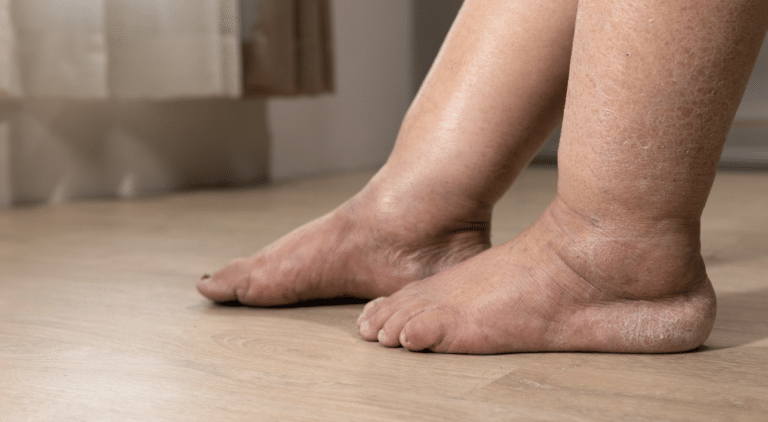


- Swollen legs and hypermobility: pooling, lymphoedema and lipoedema - 4 November 2026
- Walking with fibromyalgia - 2 November 2026
- Water exercise and hydrotherapy for fibromyalgia - 2 November 2026
This article is part of our comprehensive guide to living with fibromyalgia.
A lot of Fibromyalgia medication shifts scales, and we actually have trials that have measured just how much. Pregabalin carries the clearest weight gain of the lot, and Duloxetine seems to lower your appetite for a couple of months, and then quickly ramps it back up. Milnacipran, on average, does the opposite, and Amitriptyline, nobody can really answer from the trials at all.
Which drug does what to your weight
These are averages across trial populations, so they tell you what a drug tends to do, rather than what it will absolutely do to you, and plenty of people sit well outside an average at either end.
Pregabalin
Pregabalin is the worst of them for weight gain, and it’s also the one with the best data behind it, which is an unlucky combination to find yourself on the receiving end of.
Pooled across the long term pregabalin studies, about one in six people had crossed into clinically significant gain by the end of the first year, and most stayed near where they started [1].
There’s no early window you get through and then relax, and that’s the part which catches people out. In the fibromyalgia trials, new weight gain first showed up at around six to eight weeks, and the share of people affected climbed from there. [2]. In the pooled long term data, more people crossed that line somewhere between the second month and the twelfth than crossed it early [1].
Dose is part of it as well. As Gabapentinoids, the family pregabalin and gabapentin both sit in, come with weight gain, swelling in the hands, feet and ankles, and reviews of their use in fibromyalgia describe both as dose related across the 300 to 600 mg a day range [3].
Weight and swelling get reported side by side and they’re different problems with different answers. Fluid arrives faster than fat does, it shifts faster, and a bathroom scale weighs the two exactly the same.
Duloxetine
Duloxetine goes one way and then the other, which is worth knowing before you judge it on the first two months.
Early on it tends to take your appetite off you. In one fibromyalgia trial about one in fifteen people on duloxetine reported losing their appetite, against about one in two hundred on the dummy pill [4]. The pooled safety data across five fibromyalgia trials, list decreased appetite as a recognised adverse effect alongside a small average weight loss in the short term [5].
Then it turns around. Pull together sixteen studies of people taking duloxetine for chronic pain over a year or so, and the average weight had gone up by rather less than a kilogram, with about one in six crossing into clinically significant gain [6]. The appetite comes back, in other words, and then some. In the longer exposure data, roughly one in thirteen put on more than a tenth of their body weight [5].
There’s a good deal more to duloxetine than what it does to the scales, and we’ve been through the rest of it separately.
Milnacipran
Milnacipran is the exception, and it’s the exception by a distance. Pooled across three fibromyalgia trials and more than two thousand people, average weight went down rather than up [7]. The trials tested 100 mg a day and 200 mg [7]. At three months the average came in around a kilogram down on either dose, and by six months a little less than that [7]. Twice as many people hit the trials’ weight loss threshold as hit it on the dummy pill [7]. Each of the weight related side effects, appetite up, appetite down, anorexia, weight up and weight down, turned up in fewer than one person in fifty [7]. Further out the average loss held to around two years [7], then drifted back towards where people started, somewhere past the thirty month mark [7].
Amitriptyline
Amitriptyline is the one where the fibromyalgia trials can’t really give you an answer. The reviews say so themselves: the side effect reporting in those trials was inconsistent enough that they wouldn’t put a number on weight or appetite from it [8][9].
What exists instead, is the wider tricyclic antidepressant literature, and it doesn’t make for encouraging reading. Across those studies weight climbed by anywhere from 3 to 16 lb over about half a year, often alongside a stronger pull towards sweet things, and often enough that people came off the drug over it [10]. With nortriptyline, a close relative of amitriptyline, the gain started inside the first six weeks and carried on right through it [11].
Those figures come from treating depression, where the doses run a good deal higher than the ones amitriptyline is usually given for pain, so carrying them straight across to the low tablet you take at bedtime would be overstating them. What does look consistent though, is the duration: tricyclic weight gain keeps going across half a year rather than arriving and plateauing [10][11].
Gabapentin
Gabapentin gets prescribed around fibromyalgia a great deal without being licensed for it, so what we know about its effect on weight has had to come from elsewhere. In observational cohorts outside fibromyalgia, weight gain was reported by about one in twelve people on 1,200 mg a day, and roughly twice as often by those on double that [12].
Its timing looks different from pregabalin’s, which is worth knowing if you’ve been on both. In a series of people on long term high doses, the gain tended to start somewhere in the second or third month and then settle after about six to nine [13]. That’s a plateau, and pregabalin doesn’t reliably give you one [1].
We’ve a separate guide to gabapentin that covers the rest of what it does.

What to do if it’s the drug
What you’re weighing up is the weight against whatever pain relief the tablet is actually giving you, which makes the first question a different one from the one you came in with: is it still working? People stay on these for years on the strength of what they did in the first eight weeks. If you can’t tell any more, there’s most likely no trade to agonise over, and the conversation gets much easier.
If it’s working, the useful things to take to your prescriber are specific rather than general.
Dose. Weight gain on gabapentinoids is dose related [3], so asking whether you’re on more than you need is a legitimate question rather than an awkward one. It isn’t something to adjust on your own.
Timing. What you know about the time course tells you what to expect next. On pregabalin, crossing the line late is more common than crossing it early [1]. On gabapentin, the gain in that long term series tends to settle by about month nine [13]. On a tricyclic, half a year in is probably not the end of it [10][11].
Fluid or fat. Swelling in the hands and feet is reported alongside the weight gain on gabapentinoids [3], and the two want treating differently. Say if your shoes and rings have changed as well as the scale.
Numbers you actually took. A weight you measured, with dates against it, and the dose you were on at the time. It’s worth a great deal more than saying it went up a lot since you started, because the second one is far too easy for a tired clinician to nod at and move past.
A switch, if there’s one available. Milnacipran didn’t, on average, put weight on [7], and whether you can get hold of it where you live is a separate question from whether it would suit you. Ask what to expect from your weight if you do change something. That’s the question you came in with and it’s a fair one to put to the person holding the prescription pad.
And the safety line, which matters more than any of the above. Don’t stop duloxetine, pregabalin or amitriptyline on your own, and don’t stop any of them abruptly. Coming off them is done on a plan, with the person who prescribed them.
The fear underneath all of this is that you’re going to be made to choose: the pain back, or the weight staying. Sometimes that genuinely is the choice, and if it’s, it’s yours to make and nobody else gets a vote on it. Often it isn’t, because the realistic options are two drugs rather than one drug and nothing.
And if it isn’t the drug
Pool the fibromyalgia and obesity work together, and obesity turns up often in this group, with the review doing the pooling blunt that the studies underneath it carry a high risk of bias, meaning they were built in ways that could push the answer one way [14]. In one imaging cohort the gap was wide, with average BMI running about five points above the controls’ [15]. Obesity was recorded in getting on for half the fibromyalgia group and in well under a tenth of the controls [15].
The women with fibromyalgia in that imaging work had more visceral fat, which is the fat that sits in among the organs rather than under the skin, more fat in the abdominal wall, more in the liver and more threaded through the muscle itself, along with less fat free muscle volume, and most of those differences survived standardising for BMI [15][16]. A separate comparison using bioimpedance, which reads body composition by passing a small current through you, found higher fat mass, a higher body fat percentage and a larger visceral fat area, with no difference in muscle mass at all [17].
Those two sound like they disagree and they don’t, because they’re counting different things. Muscle mass is the whole lump, fat included. Fat free muscle volume is what’s left once you take the fat running through it back out. So a thigh can weigh exactly what you’d expect a thigh to weigh and still be made of something slightly different, and that’s the question this work is asking.
Match the control group for weight deliberately, though, and the differences in fat mass, fat percentage and visceral fat go away [18].
All of that was measured once, in two groups standing side by side, so it tells you they differ without telling you which came first. The condition itself, years of not being able to move much, and something that caused both are three candidates this kind of study can’t pull apart. What it does rule out is the idea that you’re dealing with a number on a scale and nothing else, which matters mostly because the number on the scale is the only thing anybody has been looking at.
Does fibromyalgia slow your metabolism down?
This gets repeated as though it were settled, and it’s thinner than it sounds.
Where resting energy expenditure has been measured directly against healthy controls, the two groups came out the same [19]. A separate comparison of metabolic rate, cardiac response and aerobic capacity against matched controls landed in the same place below the anaerobic threshold, which is the level of effort where your muscles start having to work without enough oxygen to keep up [20]. Both are small groups, and the measurement is fussy enough that there’s published guidance on how to run indirect calorimetry, the business of working out how much energy you’re burning from the air you breathe out, because the number moves if you run it badly [21].
So the direct comparisons that exist didn’t find a lower resting metabolic rate. That’s a narrower statement than your metabolism is fine, and a much narrower one than the thing you’ve probably been told, which is that fibromyalgia has slowed your metabolism and that’s why the weight won’t shift.
What does reliably change how much energy you get through in a day is how much you move in it, and in a condition where moving costs you something, that isn’t a small factor. It’s also the one part of this chain with anything resembling a lever on it.
When the weight goes the other way instead
Not everybody gains.
Gut symptoms are a large part of why. Feeling full after four mouthfuls, staying full for hours afterwards, and nausea that arrives with the food rather than before it: that’s functional dyspepsia, and the name does a good job of hiding what it actually is. In one group of adults with fibromyalgia about half met the criteria for irritable bowel syndrome and four in five met them for functional dyspepsia [22]. In another, three quarters had at least one disorder of gut brain interaction [23], which is the umbrella term for gut symptoms that are real and repeated without anything showing up on a camera. Put several months of that together and intake falls without anybody ever deciding to eat less.
Bloating and distension are part of the same functional gut picture as the rest of it, and a stomach that’s bigger at eight in the evening than it was at breakfast won’t respond to being treated as a weight problem.
Swallowing comes into it as well. In a study of women with fibromyalgia, roughly two thirds screened as at risk of dysphagia, the word for difficulty swallowing, and the ones who screened at risk had a lower BMI and worse quality of life while what the two groups reported eating didn’t actually differ [24]. Screening at risk is a long way from a diagnosed swallowing disorder, so take that to a clinician as a question rather than away with you as an answer.
Some of it’s deliberate. People cut foods out because they have worked out, rightly or otherwise, which ones set the gut off [25], and the reviews of restrictive eating in fibromyalgia are careful that the relief people report could be coming from several places at once, on an evidence base they describe as low quality [26]. When eating has made you ill often enough, not eating stops being a choice and becomes something you learned, and you learned it correctly. The cost just accumulates quietly while the relief arrives straight away.
In a report on juvenile fibromyalgia, a quarter of the young people in it had lost at least 5% of their body weight, and the cause wasn’t established [27]. In the gut literature, unexplained weight loss alongside IBS type symptoms is an alarm feature, meaning the thing that sends you for tests rather than the thing you file under a diagnosis you already have [28].
The thyroid
Worth testing. Rarely the whole answer. And treating it moves the scales a good deal less than anybody promises.
What turns up most clearly in fibromyalgia is an immune system that has taken an interest in the thyroid, rather than a thyroid that has failed. Antibodies and hormones answer different questions, so they’re worth separating before the numbers. An antibody result tells you the immune system is producing something aimed at the gland. A hormone result tells you whether the gland is still keeping up. You can have the first without the second for years.
Pooling the comparisons against healthy controls, thyroid peroxidase antibodies were found about three and a half times as often in fibromyalgia, and thyroglobulin antibodies a bit over twice as often [29]. In one group whose thyroid function tests were all normal, about one in five still carried thyroid peroxidase antibodies against one in fourteen of the controls [30]. In a large matched database, Hashimoto thyroiditis was recorded about a third more often in people with fibromyalgia than in matched controls [31], which is a real gap and a modest one.
On the hormone side it’s less tidy. Hypothyroidism comes in two grades and the difference matters here. Overt means the thyroid hormones themselves have dropped out of range. Subclinical means they haven’t, and the only sign is a raised TSH, which is the instruction coming down from the brain telling the gland to work harder. One fibromyalgia group had about one in five people with one grade or the other [32]. Set against that, other work found average TSH and FT4 sitting normally in fibromyalgia compared with controls, with no clear difference at group level [33].
The real problem is that the two conditions overlap on almost everything that would make you suspect either: fatigue, widespread pain, unrefreshing sleep, the cognitive symptoms everybody calls fibro fog, and low mood. The features that more often lean towards thyroid rather than fibromyalgia are the ones that get skipped over, and they’re cold sensitivity, dry skin, hair loss, menstrual changes and weight gain [34]. Reviews of differential diagnosis recommend at least basic thyroid testing when chronic widespread pain is being worked up, rather than inferring it from the symptoms [35].
Undertesting isn’t the only way this goes wrong. A primary care study found people with fibromyalgia taking thyroid hormone whose thyroid function had been normal when the treatment was started [36]. So the overlap can leave you untested, and it can also leave you on a treatment you didn’t need.
If you treat the thyroid, does the weight come off?
Less than you’ve been led to expect, and most of what does come off isn’t fat.
Pool the trials, and treating hypothyroidism back to normal thyroid function produced an average weight reduction of 1.39 kg [37]. A second pooling put it at about 2.15 kg in clinical hypothyroidism, and found no significant weight change at all in the subclinical kind [38].
What that weight is made of is the part nobody mentions. Following people across a year of treatment, average weight fell by about 4 kg while fat mass was virtually unchanged, and the loss was put down to the body shedding the excess water it had been holding [39]. Another cohort found a smaller drop again, and that one came with a significant fall in lean body mass and no change in fat mass at all [40].
The averages also hide how many people get nothing. Among 101 newly diagnosed adults the median change once TSH came back into range was a tenth of a kilogram, and only about half of them lost any weight at all [41]. In a national survey, people on levothyroxine with normal thyroid function still had a higher BMI than matched people with normal thyroid function who weren’t taking it [42].
So if your thyroid is genuinely underactive, treat it. Untreated hypothyroidism is worth treating on its own terms, and the fatigue and the cold and the rest of it are real. Just don’t treat it as the answer to the weight, and don’t let anybody nudge your dose up chasing the scales, because in subclinical hypothyroidism the guidance is clear that there’s no meaningful weight benefit to be had that way [43].
Does losing weight actually make fibromyalgia better?
Probably yes, on the things that have been measured. And how much you lose seems to matter a good deal less than you’d expect.
Across cohorts and registries, a higher BMI is repeatedly associated with worse fibromyalgia pain, fatigue, sleep and disability [44]. A separate cohort found the relationship held more strongly for tenderness, sleep and disability than it did for self reported pain or fatigue [45]. Worth holding on to, because it predicts which things are likely to shift and which aren’t.
Two measures do most of the work in this literature. The fibromyalgia impact questionnaire rolls pain, fatigue, function, mood and the rest of it into a single score. Tender points are the other one: specific spots that get pressed, and the count is how many of them hurt when they’re.
The best direct test put 83 people with fibromyalgia and obesity on a reduced calorie diet for half a year, against a group given no weight loss treatment at all [46]. The diet group came out better on the questionnaire, had fewer tender points and lower pain ratings at the ones they had, slept better and had less depression, and fatigue wasn’t reported [46]. The smallest change on that questionnaire anybody actually notices works out at about 14% [47], which is the yardstick worth holding the rest of these numbers against.
In a small uncontrolled run, women with fibromyalgia and obesity went on a very low calorie ketogenic diet, which means very little food and almost no carbohydrate, and the average score fell by well over a third inside a month and was still down four months after that, with around four in five of those who finished showing a change big enough to notice [48]. That’s a large effect, it had no control group behind it, and a very low calorie ketogenic diet changes a great deal more than calorie intake.
Elsewhere a low calorie intervention improved pain and overall symptom severity, and the people who lost at least a tenth of their body weight did better than the people who lost less [49]. A very low energy diet brought average total fibromyalgia scores down by nearly half within the first three weeks, and most people got at least a 30% symptom reduction out of it [50]. A behavioural weight loss programme produced a mean 4.4% loss, and that loss predicted how far symptoms and pain interference came down [51].
And then the kilograms stop explaining any of it. In that ketogenic run there was no significant relationship over time between how far BMI fell and how far the symptom score improved [48]. In the very low energy study, the people who responded had lost roughly the same amount of weight early on as the people who didn’t [50]. A trial of an anti inflammatory low FODMAP diet, meaning one that strips out the short chain carbohydrates that get fermented in the gut and leave you gassy and bloated, brought fatigue scores down roughly twice as far as the control group’s [52], and the symptom benefit turned up regardless of what happened to BMI or body fat [52]. Pool the weight loss trials in chronic musculoskeletal pain more broadly and the line relating pain reduction to weight lost was shallow and too uncertain to call [53]. In people with fibromyalgia and gluten sensitivity type symptoms, a gluten free diet and a reduced calorie diet produced much the same improvement as each other [54].
Lined up, that isn’t a picture of kilograms being the active ingredient. It looks a great deal more like the eating, the structure and the attention doing something the scale can’t see, with the weight loss arriving alongside rather than causing it. The review of this literature is cautious about exactly that, calling the benefit preliminary and flagging a high risk of bias in the studies underneath it [14].
Which is better news than it sounds, because the kilograms are the hard part and the part you can’t directly control. Nobody can decide to lose half a stone this fortnight. What you can do is change how you’re eating for three weeks and see whether anything moves, and on the evidence here that’s a reasonable test rather than a consolation prize.
Almost every one of these studies was run in people with fibromyalgia and obesity, so none of it tells you what losing weight would do if your weight is already in a normal range. And the amount of structured support in those programmes was considerable, which is a variable of its own.
Where movement fits
Weight and exercise get welded together in the advice people get handed, and this is the condition where that advice falls apart.
Just move more fails here because the dose is wrong, and the price of getting the dose wrong is two or three days you don’t get back, which makes the whole thing feel like a punishment for trying. Anybody who has been tipped into a flare by a walk they were told would help has learned something accurate about their own system, and then been told they’re deconditioned and afraid of movement.
The version that works starts far below what feels worth doing, goes up in increments that feel almost insulting, and treats the days after a session as the actual measurement rather than the session itself. That’s a whole subject of its own, it’s most of what we do, and it has nothing to do with the scales.
The short version
The drugs aren’t a class, so find out which one you’re on. Pregabalin carries the clearest gain signal and no safe early window [1][2]. Duloxetine takes your appetite early and tends to reverse later [5][6]. Milnacipran is the one that doesn’t, on average, put weight on [7]. Amitriptyline can’t be answered from the fibromyalgia trials, and the wider tricyclic evidence generally points the wrong way [8][9][10].
Ask about dose and about swelling, not only about stopping. Gabapentinoid weight gain is dose related, and fluid and fat weigh exactly the same to a bathroom scale [3].
Don’t stop any of these on your own. That’s a conversation and a plan, and it’s a conversation worth having on a reasonable week rather than in the middle of a flare.
Fibromyalgia does something to body composition, and the direct measurements of resting metabolic rate didn’t find the slowed metabolism you’ve been told about [19][20].
If the weight is falling rather than rising, get it looked at. Unexplained weight loss with gut symptoms is an alarm feature [28].
Test the thyroid, treat it if it needs treating, and expect very little from it on the scales. The average is a kilo or two [37][38], and most of that’s water and lean mass [39][40].
Losing weight does appear to improve symptom burden, and the benefit doesn’t track the kilograms, so a three week experiment is a better use of your energy than a six month target [48][50][52][53].
None of that makes the weight shift on its own. What it does is stop you guessing. You can find out which drug you’re on and what it tends to do, you can walk into the next appointment with dates and doses instead of a feeling, you can get the thyroid checked, and you can run a three week experiment instead of signing up to a six month campaign. That’s four things you can actually do, which is four more than eat less and move more ever gave you.
Adam
References
[1] Cabrera, J., Emir, B., Dills, D., Kevin Murphy, T., Whalen, E. and Clair, A. (2012) ‘Characterizing and understanding body weight patterns in patients treated with pregabalin’, Current Medical Research and Opinion. https://doi.org/10.1185/03007995.2012.684044
[2] Arnold, L.M., McCarberg, B.H., Clair, A.G., Whalen, E., Thomas, N., Jorga, A. et al. (2017) ‘Dose–response of pregabalin for diabetic peripheral neuropathy, postherpetic neuralgia, and fibromyalgia’, Postgraduate Medicine. https://doi.org/10.1080/00325481.2017.1384691
[3] Tzellos, T.G., Toulis, K.A., Goulis, D.G., Papazisis, G., Zampeli, V.A., Vakfari, A. et al. (2010) ‘Gabapentin and pregabalin in the treatment of fibromyalgia: a systematic review and a meta-analysis’, Journal of Clinical Pharmacy and Therapeutics. https://doi.org/10.1111/j.1365-2710.2009.01144.x
Read More[4] Murakami, M., Osada, K., Mizuno, H., Ochiai, T., Alev, L. and Nishioka, K. (2015) ‘A randomized, double-blind, placebo-controlled phase III trial of duloxetine in Japanese fibromyalgia patients’, Arthritis Research & Therapy. https://doi.org/10.1186/s13075-015-0718-y
[5] Choy, E.H.S., Mease, P.J., Kajdasz, D.K., Wohlreich, M.M., Crits-Christoph, P., Walker, D.J. et al. (2009) ‘Safety and tolerability of duloxetine in the treatment of patients with fibromyalgia: pooled analysis of data from five clinical trials’, Clinical Rheumatology. https://doi.org/10.1007/s10067-009-1203-2
[6] Gaynor, P., McCarberg, B., Zheng, W., Shoemaker, S. and Duenas, H. (2011) ‘Weight change with long-term duloxetine use in chronic painful conditions: an analysis of 16 clinical studies’, International Journal of Clinical Practice. https://doi.org/10.1111/j.1742-1241.2011.02635.x
[7] Arnold, L., Palmer, Hufford and Chen (2012) ‘Effect of milnacipran on body weight in patients with fibromyalgia’, International Journal of General Medicine. https://doi.org/10.2147/ijgm.s36444
[8] Nishishinya, B., Urrutia, G., Walitt, B., Rodriguez, A., Bonfill, X., Alegre, C. et al. (2008) ‘Amitriptyline in the treatment of fibromyalgia: a systematic review of its efficacy’, Rheumatology. https://doi.org/10.1093/rheumatology/ken317
[9] Moore, R.A., Derry, S., Aldington, D., Cole, P. and Wiffen, P.J. (2015) ‘Amitriptyline for fibromyalgia in adults’, Cochrane Database of Systematic Reviews. https://doi.org/10.1002/14651858.cd011824
[10] Berken, G.H., Weinstein, D.O. and Stern, W.C. (1984) ‘Weight gain’, Journal of Affective Disorders. https://doi.org/10.1016/0165-0327(84)90031-4
[11] Uher, R., Mors, O., Hauser, J., Rietschel, M., Maier, W., Kozel, D. et al. (2010) ‘Changes in body weight during pharmacological treatment of depression’, The International Journal of Neuropsychopharmacology. https://doi.org/10.1017/s1461145710000933
[12] Baulac, M. (1998) ‘Gabapentin add-on therapy with adaptable dosages in 610 patients with partial epilepsy: an open, observational study’, Seizure. https://doi.org/10.1016/s1059-1311(98)90009-7
[13] DeToledo, J.C., Toledo, C., DeCerce, J. and Ramsay, R.E. (1997) ‘Changes in Body Weight With Chronic, High-Dose Gabapentin Therapy’, Therapeutic Drug Monitoring. https://doi.org/10.1097/00007691-199708000-00006
[14] D’Onghia, M., Ciaffi, J., Lisi, L., Mancarella, L., Ricci, S., Stefanelli, N. et al. (2021) ‘Fibromyalgia and obesity: A comprehensive systematic review and meta-analysis’, Seminars in Arthritis and Rheumatism. https://doi.org/10.1016/j.semarthrit.2021.02.007
[15] Gerdle, B., Dahlqvist Leinhard, O., Lund, E., Bengtsson, A., Lundberg, P., Ghafouri, B. et al. (2022) ‘Fibromyalgia: Associations Between Fat Infiltration, Physical Capacity, and Clinical Variables’, Journal of Pain Research. https://doi.org/10.2147/jpr.s376590
[16] Gerdle, B., Dahlqvist Leinhard, O., Lund, E., Lundberg, P., Forsgren, M.F. and Ghafouri, B. (2024) ‘Pain and the biochemistry of fibromyalgia: patterns of peripheral cytokines and chemokines contribute to the differentiation between fibromyalgia and controls and are associated with pain, fat infiltration and content’, Frontiers in Pain Research. https://doi.org/10.3389/fpain.2024.1288024
[17] Vicente-Campos, D., Sánchez-Jorge, S., Martí, L., Buffet, J., Mendoza-Laiz, N., Rodriguez-Sanz, D. et al. (2023) ‘Skin Bioimpedance Analysis to Determine Cellular Integrity by Phase Angle in Women with Fibromyalgia: A Cross-Sectional Study’, Biomedicines. https://doi.org/10.3390/biomedicines11123321
[18] Correa-Rodríguez, M., El Mansouri-Yachou, J., Casas-Barragán, A., Molina, F., Rueda-Medina, B. and Aguilar-Ferrándiz, M.E. (2019) ‘The Association of Body Mass Index and Body Composition with Pain, Disease Activity, Fatigue, Sleep and Anxiety in Women with Fibromyalgia’, Nutrients. https://doi.org/10.3390/nu11051193
[19] Dal, U., Cimen, O.B., Incel, N.A., Adim, M., Dag, F., Erdogan, A.T. et al. (2011) ‘Fibromyalgia Syndrome Patients Optimize the Oxygen Cost of Walking by Preferring a Lower Walking Speed’, Journal of Musculoskeletal Pain. https://doi.org/10.3109/10582452.2011.609639
[20] Bardal, E., Olsen, T., Ettema, G. and Mork, P. (2013) ‘Metabolic rate, cardiac response, and aerobic capacity in fibromyalgia: a case–control study’, Scandinavian Journal of Rheumatology. https://doi.org/10.3109/03009742.2013.767372
[21] Fullmer, S., Benson-Davies, S., Earthman, C.P., Frankenfield, D.C., Gradwell, E., Lee, P.S.P. et al. (2015) ‘Evidence Analysis Library Review of Best Practices for Performing Indirect Calorimetry in Healthy and Non–Critically Ill Individuals’, Journal of the Academy of Nutrition and Dietetics. https://doi.org/10.1016/j.jand.2015.04.003
[22] Settembre, C., D’Antonio, E., Moscato, P., Loi, G., Santonicola, A. and Iovino, P. (2022) ‘Association among Disorders of Gut-Brain Interaction (DGBI) and Fibromyalgia: A Prospective Study’, Journal of Clinical Medicine. https://doi.org/10.3390/jcm11030809
[23] Santonicola, A., Moscato, P., Soldaini, C., Loi, G., Merchionda, A., D’Addieco, P. et al. (2025) ‘The effect of medical cannabis on gastrointestinal symptoms in fibromyalgia and disorders of gut-brain interaction: a patient‑centred real‑world observational study’, Clinical and Experimental Rheumatology. https://doi.org/10.55563/clinexprheumatol/o5ck22
[24] Correa-Rodríguez, M., Villaverde-Rodríguez, M.D.C., Casas-Barragán, A., Tapia-Haro, R.M. and Aguilar-Ferrándiz, M.E. (2024) ‘Nutritional Status, Dietary Intake, Quality of Life, and Dysphagia in Women With Fibromyalgia’, Nursing Research. https://doi.org/10.1097/nnr.0000000000000717
[25] Albaladejo, L., Cazzorla, F., Gauchet, A., Bosson, J., Bétry, C. and Druart, L. (2026) ‘“Food as Friend or Enemy”: A Qualitative Study of Motivations Underlying Restrictive Dietary Practices in Fibromyalgia’, Journal of Human Nutrition and Dietetics. https://doi.org/10.1111/jhn.70227
[26] Almirall, M., Musté, M., Serrat, M., Touriño, R., Espartal, E. and Marsal, S. (2024) ‘Restrictive Diets in Patients with Fibromyalgia: State of the Art’, Biomedicines. https://doi.org/10.3390/biomedicines12030629
[27] Miyamae, T., Isozaki, J., Kikuchi, M. and Yokota, S. (2016) ‘Eating Disorder in Juvenile Fibromyalgia’, Journal of Child and Adolescent Psychopharmacology. https://doi.org/10.1089/cap.2014.0136
[28] Camilleri, M. (2021) ‘Diagnosis and Treatment of Irritable Bowel Syndrome’, JAMA. https://doi.org/10.1001/jama.2020.22532
[29] Park, S., Kwon, J.S., Park, Y.B. and Park, J.W. (2021) ‘Is thyroid autoimmunity a predisposing factor for fibromyalgia? A systematic review and meta-analysis’, Clinical and Experimental Rheumatology. https://doi.org/10.55563/clinexprheumatol/y3gfva
[30] Suk, J., Lee, J. and Kim, J. (2012) ‘Association between Thyroid Autoimmunity and Fibromyalgia’, Experimental and Clinical Endocrinology & Diabetes. https://doi.org/10.1055/s-0032-1309008
[31] Magen, E., Tolkin, L., Aamar, S., Magen, I., Merzon, E., Green, I. et al. (2025) ‘Endocrine Comorbidities in Fibromyalgia’, Clinical Endocrinology. https://doi.org/10.1111/cen.70063
[32] Freire, M., Teodoro, R.B., Oliveira, L.B., Cunha, S.F.C., Ferreira, B.P. and Borges, M.D.F. (2006) ‘Concomitância de fibromialgia em pacientes portadores de hipotireoidismo e de alterações tireoideanas em pacientes com fibromialgia’, Revista Brasileira de Reumatologia. https://doi.org/10.1590/s0482-50042006000100004
[33] Skorpen, E., Pasca, N.B., Reitan, S.K. and Groven, N. (2024) ‘Exploring levels of TSH and FT4 in patients with chronic fatigue syndrome (CFS), fibromyalgia (FM) and healthy controls did not reveal any associations between fatigue score and level of thyroid hormones’, Nordic Journal of Psychiatry. https://doi.org/10.1080/08039488.2024.2332442
[34] D’Amuri, A., Greco, S., Pagani, M., Presciuttini, B., Ciaffi, J. and Ursini, F. (2024) ‘Common Non-Rheumatic Medical Conditions Mimicking Fibromyalgia: A Simple Framework for Differential Diagnosis’, Diagnostics. https://doi.org/10.3390/diagnostics14161758
[35] Häuser, W., Perrot, S., Sommer, C., Shir, Y. and Fitzcharles, M.A. (2017) ‘Diagnostic confounders of chronic widespread pain: not always fibromyalgia’, PAIN Reports. https://doi.org/10.1097/pr9.0000000000000598
[36] Aleksi, V., Elise, K. and Koskela, T.H. (2022) ‘Excess use of thyroid hormone treatment among patients with fibromyalgia: a cross-sectional study in primary health care’, BMC Research Notes. https://doi.org/10.1186/s13104-022-05971-y
[37] Wolde Sellasie, S., Ossola, N., Piticchio, T., Uccioli, L. and Trimboli, P. (2026) ‘Levothyroxine therapy for euthyroidism restoration results in clinically insignificant weight and anthropometric changes: a systematic review and meta-analysis’, International Journal of Obesity. https://doi.org/10.1038/s41366-026-02224-x
[38] Kretli-Souza, D., Meireles-Oliveira, G., Asevedo, R.A., Paulino, N.E., Alves-Silva, Y., Hortêncio-Medeiros, I.R. et al. (2026) ‘Levothyroxine monotherapy has limited effects on body composition in clinical and subclinical hypothyroidism: a systematic review and meta-analysis’, Reviews in Endocrine and Metabolic Disorders. https://doi.org/10.1007/s11154-026-10093-y
[39] Karmisholt, J., Andersen, S. and Laurberg, P. (2011) ‘Weight Loss after Therapy of Hypothyroidism Is Mainly Caused by Excretion of Excess Body Water Associated with Myxoedema’, The Journal of Clinical Endocrinology & Metabolism. https://doi.org/10.1210/jc.2010-1521
[40] Sirigiri, S., Vaikkakara, S., Sachan, A., Srinivasarao, P.V.L.N., Epuri, S., Anantarapu, S. et al. (2016) ‘Correction of Hypothyroidism Leads to Change in Lean Body Mass without Altering Insulin Resistance’, European Thyroid Journal. https://doi.org/10.1159/000448889
[41] Lee, S.Y., Braverman, L.E. and Pearce, E.N. (2014) ‘Changes in Body Weight after Treatment of Primary Hypothyroidism with Levothyroxine’, Endocrine Practice. https://doi.org/10.4158/ep14072.or
[42] Peterson, S.J., McAninch, E.A. and Bianco, A.C. (2016) ‘Is a Normal TSH Synonymous With “Euthyroidism” in Levothyroxine Monotherapy?’, The Journal of Clinical Endocrinology & Metabolism. https://doi.org/10.1210/jc.2016-2660
[43] Bekkering, G.E., Agoritsas, T., Lytvyn, L., Heen, A.F., Feller, M., Moutzouri, E. et al. (2019) ‘Thyroid hormones treatment for subclinical hypothyroidism: a clinical practice guideline’, BMJ. https://doi.org/10.1136/bmj.l2006
[44] Atzeni, F., Alciati, A., Salaffi, F., Di Carlo, M., Bazzichi, L., Govoni, M. et al. (2021) ‘The association between body mass index and fibromyalgia severity: data from a cross-sectional survey of 2339 patients’, Rheumatology Advances in Practice. https://doi.org/10.1093/rap/rkab015
[45] Okifuji, A., Donaldson, G.W., Barck, L. and Fine, P.G. (2010) ‘Relationship Between Fibromyalgia and Obesity in Pain, Function, Mood, and Sleep’, The Journal of Pain. https://doi.org/10.1016/j.jpain.2010.03.006
[46] Senna, M.K., Sallam, R.A.E.R., Ashour, H.S. and Elarman, M. (2012) ‘Effect of weight reduction on the quality of life in obese patients with fibromyalgia syndrome: a randomized controlled trial’, Clinical Rheumatology. https://doi.org/10.1007/s10067-012-2053-x
[47] BENNETT, R.M., BUSHMAKIN, A.G., CAPPELLERI, J.C., ZLATEVA, G. and SADOSKY, A.B. (2009) ‘Minimal Clinically Important Difference in the Fibromyalgia Impact Questionnaire’, The Journal of Rheumatology. https://doi.org/10.3899/jrheum.081090
[48] Ciaffi, J., Lisi, L., Mari, A., Mancarella, L., Brusi, V., Pignatti, F. et al. (2023) ‘Efficacy, safety and tolerability of very low-calorie ketogenic diet in obese women with fibromyalgia: a pilot interventional study’, Frontiers in Nutrition. https://doi.org/10.3389/fnut.2023.1219321
[49] Schrepf, A., Harte, S.E., Miller, N., Fowler, C., Nay, C., Williams, D.A. et al. (2017) ‘Improvement in the Spatial Distribution of Pain, Somatic Symptoms, and Depression After a Weight Loss Intervention’, The Journal of Pain. https://doi.org/10.1016/j.jpain.2017.08.004
[50] Stubbs, A., Harte, S., Clauw, D.J., Williams, D.A., McAfee, J., Miller, N. et al. (2022) ‘Early Relationships of a Low‐Energy Diet With Symptoms of Fibromyalgia’, ACR Open Rheumatology. https://doi.org/10.1002/acr2.11418
[51] Shapiro, J.R., Anderson, D.A. and Danoff-Burg, S. (2005) ‘A pilot study of the effects of behavioral weight loss treatment on fibromyalgia symptoms’, Journal of Psychosomatic Research. https://doi.org/10.1016/j.jpsychores.2005.06.081
[52] Silva, A.R., Bernardo, A., de Mesquita, M.F., Vaz-Patto, J., Moreira, P., Silva, M.L. et al. (2022) ‘An anti-inflammatory and low fermentable oligo, di, and monosaccharides and polyols diet improved patient reported outcomes in fibromyalgia: A randomized controlled trial’, Frontiers in Nutrition. https://doi.org/10.3389/fnut.2022.856216
[53] Cooper, L., Ryan, C.G., Ells, L.J., Hamilton, S., Atkinson, G., Cooper, K. et al. (2018) ‘Weight loss interventions for adults with overweight/obesity and chronic musculoskeletal pain: a mixed methods systematic review’, Obesity Reviews. https://doi.org/10.1111/obr.12686
[54] Slim, M., Calandre, E.P., Garcia-Leiva, J.M., Rico-Villademoros, F., Molina-Barea, R., Rodriguez-Lopez, C.M. et al. (2017) ‘The Effects of a Gluten-free Diet Versus a Hypocaloric Diet Among Patients With Fibromyalgia Experiencing Gluten Sensitivity–like Symptoms’, Journal of Clinical Gastroenterology. https://doi.org/10.1097/mcg.0000000000000651