
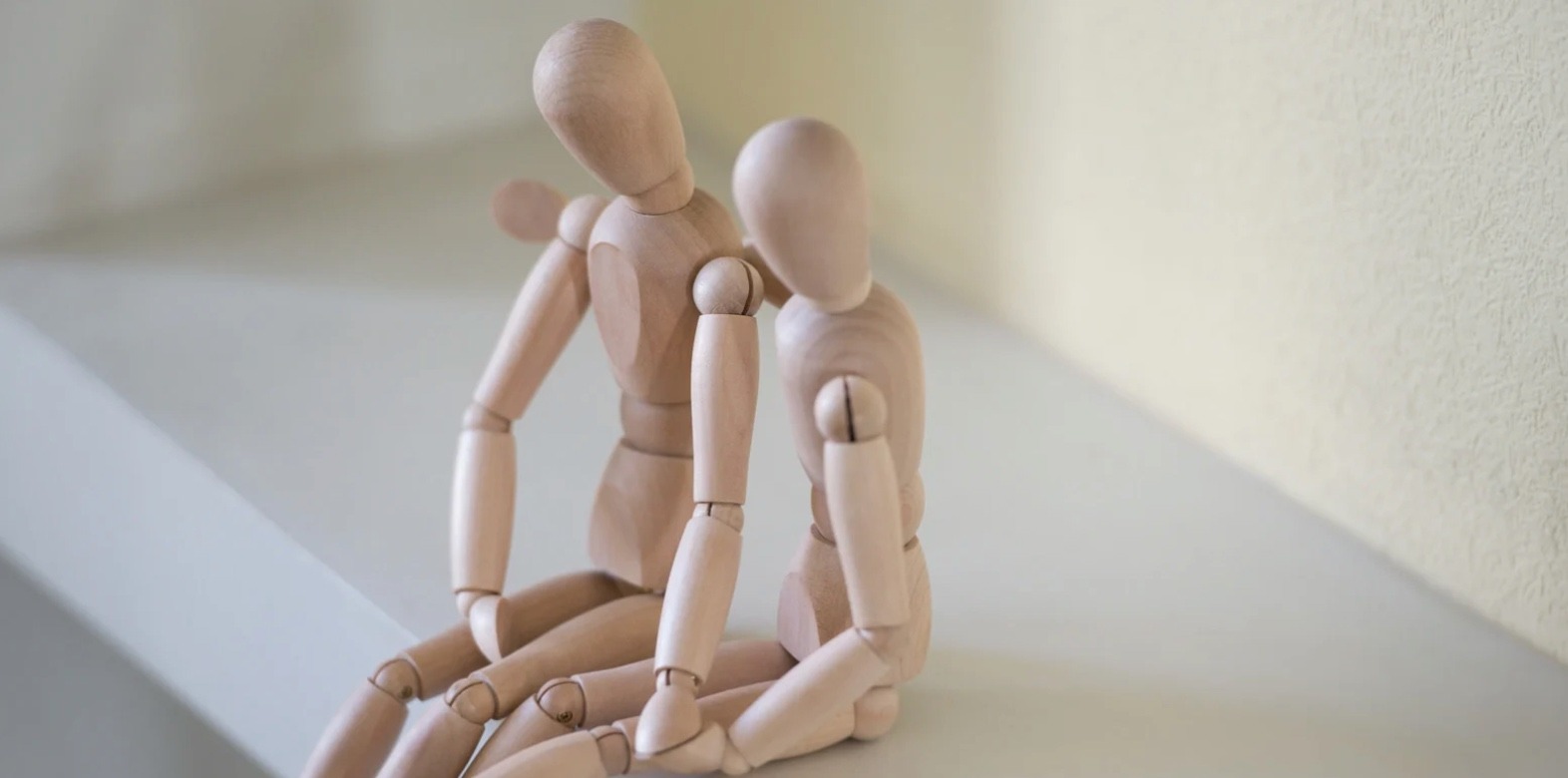
Key Takeaways
- Chronic pain, hypermobility, fibromyalgia, and dysautonomia all affect relationships and intimacy, but the conversation rarely gets the room it deserves inside a clinic.
- Disclosure timing in dating is a real variable. Earlier disclosure tends to filter out the wrong people without losing the right ones. Late disclosure tends to feel like a confession.
- The single biggest predictor of relationship satisfaction in chronic illness isn’t pain severity, it’s how the couple communicates about pain. Validating responses outperform problem solving and outperform solicitous responses.
- Painful sex is almost always a tissue and nervous system problem, not a desire problem. Pelvic floor physiotherapy is the most consistently evidence supported intervention across vulvodynia, dyspareunia, and post birth pain.
- Identity loss, body image change, and grief are part of the picture for almost everyone. Acceptance and Commitment Therapy and pain focused cognitive behavioural therapy have the strongest evidence for the psychological side.
- Long term relationships shift when one partner is chronically unwell. The mismatch is workable when both partners stop framing it as a deficit and start framing it as a structural change.
You’ve been told the chronic pain conversation is about sleep, work, and walking the dog. Nobody asked you about the bit where your relationship’s quietly under strain because your hip subluxes every time you change position, or because you crash for three days after anything more than a cuddle.
That part gets skipped. So we’re not going to skip it.
This is your starting point. Every section below expands when you click it, and links to a deeper article if you want to go further. Pick the topics that matter to you and skip what doesn’t.
- The Conversation Nobody Has
- Disclosure and Dating With Chronic Illness
- Communication Inside a Relationship
- Positioning and Physical Mechanics
- Pacing, Energy, and POTS
- Pain Management Before, During, and After
- Bracing, Taping, and Joint Protection
- Pelvic Pain, Vulvodynia, and the Pelvic Floor
- Grief, Identity, and the Emotional Layer
- Long Term Relationships and Caregiving
- LGBTQ+, Trans, and Polyamorous Experiences
- Getting Help, and Who to Look For
- References and Further Reading
The Conversation Nobody Has

If you live with chronic pain or a hypermobile body, your sex life, your dating life, and your long term relationship all get affected. Clinicians ask about everything except this. That gap is where most of the hidden suffering sits.
The numbers on this are uncomfortable. Studies of people with fibromyalgia report sexual dysfunction rates of around 70 to 95 percent. Studies of people with hEDS report similarly high rates of dyspareunia and pelvic floor dysfunction. Long term studies of couples where one partner has chronic illness consistently find that the quality of the relationship is more dependent on the way the couple communicates about the illness than on the severity of the illness itself.
None of this ever gets asked about in a fifteen minute GP appointment, because the GP’s run out of time at minute three and you haven’t yet got past the joint pain. So you go home with a prescription for something that probably won’t help, and the intimacy question stays unasked.
This guide exists because the gap matters. Relationships don’t survive long when both people are quietly suffering in parallel and pretending it’s fine. The good news is that almost every part of this is workable. Positioning’s workable. Pacing’s workable. Communication is the single most workable variable in the whole equation, and the research on it is genuinely good.
When it comes to where to start, start where it hurts most. The sections below are designed to be read in any order.
Disclosure and Dating With Chronic Illness

When do you tell a new partner that you’ve got chronic pain. On the first date. After three dates. After you’ve slept together. Never. The research has something to say about this, and so does the community.
Disclosure of an invisible illness is one of the most studied areas in chronic illness psychology, and there’s a clear pattern in the research. Early, partial disclosure tends to filter out incompatible partners without losing compatible ones. Late disclosure tends to feel like a confession, which puts the new partner in the role of having to forgive something, when actually nothing wrong has been done.
The community gets there by a different route. The most common phrase across the chronic illness dating threads we read was some version of, tell them early but tell them lightly. A line on a dating profile saying you live with chronic pain and you pace your energy is enough to let interested people self select. You don’t need the diagnostic history, the surgical history, or the medication list on a first date.
The disclosure question’s also different in LGBTQ+ contexts, where there’s often a second disclosure happening in parallel, and where the etiquette of how you do it is sometimes already established in a way that helps. Trans people on hormone therapy bring another layer, because changes in arousal, sensation, and pain often shift across the pathway and that’s information your partner may need.
→ Read the full piece on disclosure and dating with chronic illness
Communication Inside a Relationship

The strongest predictor of how a relationship handles chronic illness isn’t how bad the illness is. It’s how the two of you talk about it. The research on this is genuinely useful, and most of it never makes it out of the journals.
Dyadic coping research, primarily out of Bodenmann’s group in Switzerland, has consistently shown that couples who treat a chronic illness as a shared problem do better than couples who treat it as one person’s problem. The framing isn’t cosmetic. It changes the way both people relate to flares, to bad days, to medication side effects, and to the intimate side of the relationship.
One of the more useful findings is about partner responses to pain expression. There are three common partner response styles in the literature. Solicitous responses, where the partner does everything for the person in pain, are associated with worse outcomes, more disability, and more pain. Distracting responses, where the partner tries to take the person’s mind off the pain, are mixed. Validating responses, where the partner simply acknowledges what’s being felt without trying to fix it or distract from it, are associated with better outcomes across multiple studies.
The community version of this is shorter. The phrase that came up over and over was some version of, don’t try to fix it, just believe me. A safe word that means pause without it being a whole conversation. A check in question that isn’t, are you okay, because the answer to that’s always yes. Better is, where are you on the scale right now, or, do you need to stop, or, do you need a slower bit.
→ Read the full piece on couples communication and chronic pain
Positioning and Physical Mechanics

For hypermobile bodies, fibromyalgic bodies, and dysautonomic bodies, position isn’t just a comfort question. It’s a stability question and a blood flow question. The community’s worked this out in detail, and the biomechanics back them up.
Side lying with one leg drawn forward beats spread wide missionary for hips that like to drift out of socket. The mechanics are simple. End range external rotation of the hip in supine missionary is the single highest risk position for subluxation in a hypermobile body. Side lying keeps the hip closer to neutral, controls range, and lets the receiving partner hold position without the giving partner needing to load through their own joints.
Face down with pillows under the hips controls range of motion for the SI joint better than anything else, and is often the position with the lowest pain score for people with chronic low back pain. The person with the dodgy joints on top is a control thing, not a stamina thing, because that person can keep the range inside the safe zone. Edge of the bed with hips supported saves the lower back when the person with pain is the receiving partner.
For POTS and dysautonomia, position’s also a blood pressure question. Anything that loads the legs while upright, standing positions, shower sex, anything that asks the body to hold itself up while heart rate and arousal are climbing, tanks people with autonomic dysfunction fastest. Lying down isn’t just comfort, it’s symptom management.
Pacing, Energy, and POTS

If you flare for three days after sex, the problem isn’t sex. The problem’s the way the activity is paced, hydrated, and rested from. Pacing principles that apply to walking the dog apply here too, just with different inputs and different rest rules.
The classic pacing literature, going back to Fordyce and now built out by Nielson, Jensen, and others, gives you the framework. The principle is the same one we cover in our pacing guide for the rest of life. Predictable, sustainable, gradually expanded energy expenditure beats heroic effort followed by a crash, every single time.
Applied to intimacy, that means morning over evening for most people, because cortisol and energy are higher early. Hydration loaded before, particularly for POTS, with electrolytes within reach. Shorter sessions over heroic ones. Building in pauses inside the session, what one community member memorably called rest as a form of edging, which is both funny and biomechanically correct, because it keeps the heart rate down for ME/CFS and POTS and lets the autonomic system stay closer to baseline.
Scheduling matters. Several rheumatoid arthritis users we read said scheduling for a Friday so Saturday was the rest day changed everything. The grief of feeling like spontaneity’s gone is real, and we’ll deal with it in the emotional section, but the practical reality is that scheduling’s what makes intimacy sustainable for a lot of people.
→ Read the full piece on pacing intimacy with POTS and ME/CFS
Pain Management Before, During, and After
Pain management for intimacy is the same as pain management for any other activity. Planned, not improvised. Pre, during, and post, with the same logic you’d apply to a workout or a long day on your feet.
Topical NSAIDs on the joints thirty minutes beforehand have decent evidence for musculoskeletal pain, are systemically gentle, and don’t interfere with arousal. Heat first to loosen tissue, ice after if the body runs hot or if a specific joint’s been provoked. Tiger Balm after, definitely not before, because the local irritant effect on mucosa is exactly what you don’t want, and the community was very clear about this.
If you take regular pain medication that works, time it. The peak effect of most oral analgesics is sixty to ninety minutes after taking, so timing matters. Keep the meds in arm’s reach for during, not on the other side of the house. Trying to direct your partner to the medication cabinet mid flare is, as one community member put it, nobody’s idea of a good time.
The aftermath matters as much as the pre. Hydrate hard, particularly if there’s been autonomic load. Light movement the next day, not bed rest, because the deconditioning literature is consistent that the worst thing for a flare is to lie still and wait for it to pass. We’ve written about this at length in our piece on managing EDS flare ups, and the principles transfer.
→ Read the full piece on pain management before, during and after intimacy
Bracing, Taping, and Joint Protection
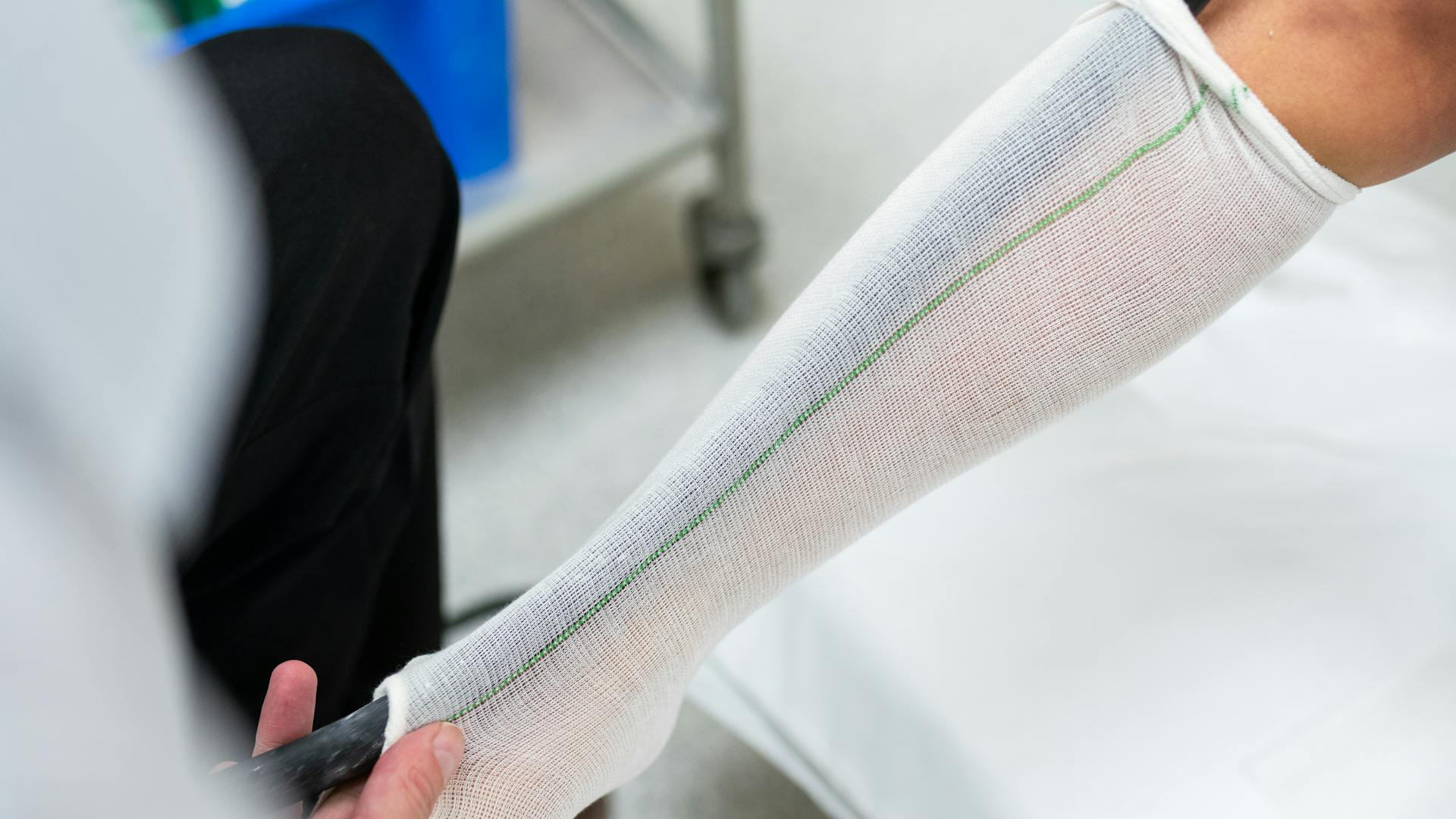
Joint protection during intimacy isn’t a mood killer, it’s a relaxation tool. The point of external support is that the person with hypermobility can actually let go, instead of holding posture the whole time, which is what causes most of the post sex flares.
KT tape on the SI joint or shoulder gives proprioceptive input, lets the joint know where it is, and reduces the cortical load of trying to track it. We’ve covered the evidence and the application in detail in our guide to KT tape for hypermobility. The principle for intimacy’s the same as for sport. Tape before, leave it on, let the joint feel held.
Compression sleeves left on do the same job for elbows and knees. Cuffs, straps, and rope, used carefully and consensually, are an external support tool in addition to whatever else they are. The community was articulate on this. A loose wrist cuff that keeps an arm in position is a way of letting the person with hypermobility relax that arm instead of stabilising it.
The work that translates best to in session stability isn’t stretching beforehand. Stretching beforehand tends to make things worse, not better, for hypermobile joints, because it dampens the proprioceptive signal exactly when you want it sharpened. Glute bridges, basic hip strengthening, and proprioceptive work through the week translate directly. The longer game’s the same longer game we run in the studios. Better joint position sense means better stability across every activity, intimacy included.
→ Read the full piece on bracing, taping and joint protection
Pelvic Pain, Vulvodynia, and the Pelvic Floor
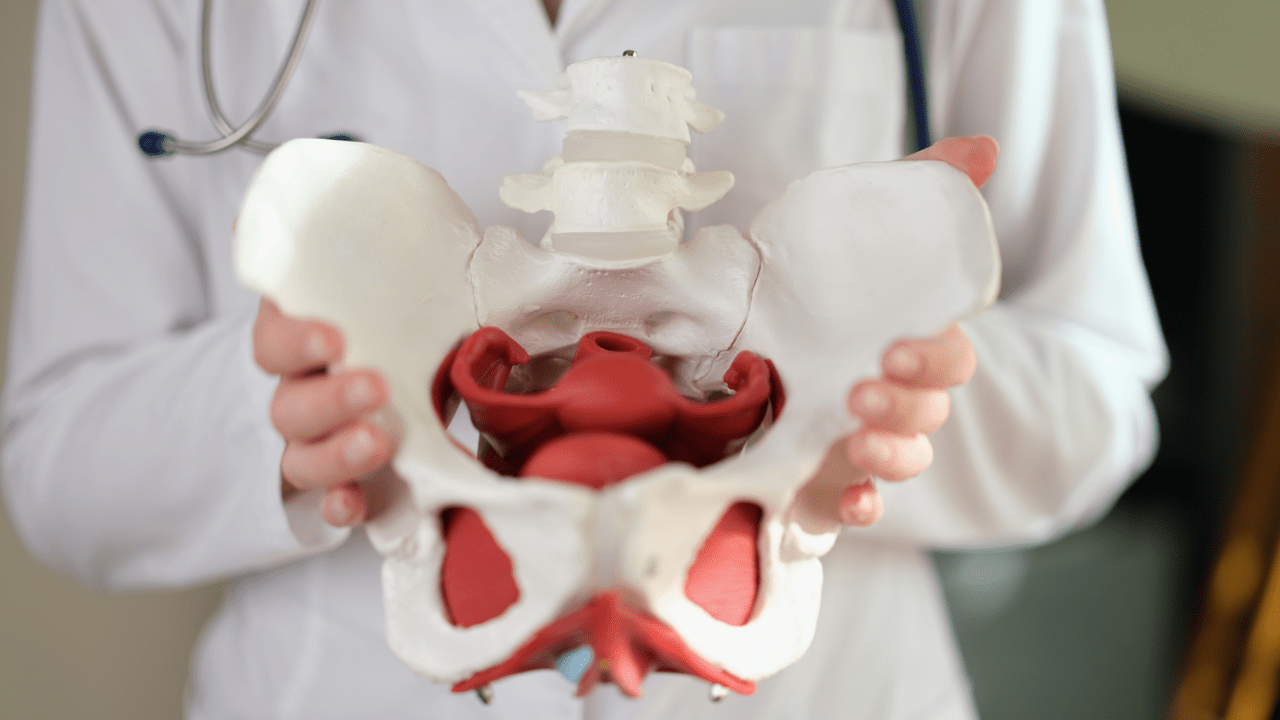
For a lot of people the issue isn’t desire, it’s that something genuinely hurts. Pelvic floor dysfunction, vulvodynia, endometriosis, and interstitial cystitis all need addressing on their own terms. The evidence here’s some of the strongest in the whole guide.
Pelvic floor physiotherapy is the single most consistently evidence supported intervention for pain during sex. The Cochrane review on pelvic floor muscle training for sexual dysfunction shows clinically meaningful improvements across vulvodynia, dyspareunia, post birth pain, and pelvic pain syndromes. The phrase that came up over and over in the community threads was, pelvic floor physio changed my life. The literature agrees.
Vulvodynia specifically has a multimodal evidence base now. The 2015 ISSVD consensus terminology, the Bergeron group’s work on cognitive behavioural therapy for provoked vestibulodynia, the dilator therapy literature, and the topical lidocaine and oestrogen cream evidence all point in the same direction. Combined treatment beats single modality treatment. The all important practical bit is that none of this gets started until someone tells you it exists.
Hypermobility brings a specific pelvic floor signature. A lot of people with hEDS have a hypertonic pelvic floor, not a weak one, and this is the bit that gets missed when generic Kegel advice gets handed out. The pelvic floor that grips and doesn’t release is the one that hurts. We’ve covered the relevant evidence in our piece on the pelvic floor in hypermobility, and the application to intimacy’s direct.
→ Read the full piece on pelvic pain, vulvodynia and the pelvic floor
Grief, Identity, and the Emotional Layer

The bit most clinicians never touch. Grief over a body that’s stopped cooperating. Identity loss when the things you used to do are no longer available. Guilt around partners. This is normal, it’s well studied, and there are things that help.
Chronic sorrow theory, originally from Olshansky’s work on parents of disabled children and now extended to chronic illness, describes a pattern of recurring grief that gets triggered by reminders of what’s changed. A flare during intimacy is one of the most reliable triggers, because it sits at the intersection of body, identity, and relationship. The grief isn’t a failure of acceptance, it’s a normal response to ongoing loss.
Charmaz’s classic work on identity loss in chronic illness and Bury’s concept of biographical disruption both describe the same phenomenon from different angles. The person you were before the illness isn’t the person you are now, and the sexual self schema, the internal sense of yourself as a sexual being, has to be rebuilt rather than restored. The evidence on this is reasonably good and the therapy modalities with the best outcomes are Acceptance and Commitment Therapy and pain focused cognitive behavioural therapy.
Medication’s part of this too, and it gets undertalked about. SSRIs cause sexual dysfunction in a meaningful percentage of users. Long term opioid use causes hypogonadism, which suppresses libido and erectile function. If your sex drive’s fallen off a cliff and you’re on either, that’s a conversation to have with your prescriber, not a moral failing.
And then the bit that needs saying. Penetrative sex on a flare day’s sometimes off the table. That doesn’t mean nothing happens. Cuddling counts. Voice counts. Hands count. The community was uniform on this, and the research on sexual satisfaction in chronic illness backs it up. People who expand their definition of what intimacy includes report higher satisfaction than people who keep trying to do the same thing they did before the illness.
→ Read the full piece on grief, identity and the emotional layer
Long Term Relationships and Caregiving
When chronic illness sits inside a long term relationship, the dynamics shift. The healthy partner often takes on caregiving load. Resentment, guilt, and a creeping role mismatch are common. This is workable but it’s got to be named.
The caregiver burden literature is large and mostly depressing. Spousal caregivers of people with chronic illness have higher rates of depression, higher rates of their own physical illness, and meaningful rates of relationship distress. The bit the literature also shows, which is less depressing, is that the couples who do well are the ones who reframe the situation as a shared problem rather than as one person’s illness and one person’s caregiving. The Kayser group calls this we disease, which is a slightly clunky name for a useful idea.
Sexual mismatch is one of the most reliably reported sources of stress. The partner without chronic pain often has the same libido they always had. The partner with pain often has fluctuating libido tied to flares, medication, sleep, and mental load. The community handles this in different ways. Some people negotiate solo time more explicitly. Some people redefine what counts as intimate contact. Some people, as we’ll cover in the LGBTQ+ section, use non monogamy as a structural solution to energy limits rather than as a lifestyle choice.
There’s also a small but real body of evidence on partner departure rates after a chronic illness diagnosis. Glantz’s 2009 paper found that women diagnosed with serious illness were significantly more likely to be left by their male partners than men diagnosed with the same illness. The pattern’s uncomfortable but worth knowing about, because it changes how to read warning signs early in a long relationship.
→ Read the full piece on long term relationships and caregiving
LGBTQ+, Trans, and Polyamorous Experiences

The chronic pain literature’s overwhelmingly written about cis heterosexual couples. The community isn’t. Trans men and trans women on hormone therapy, lesbian couples with two disabled partners, gay men with dysautonomia, and polyamorous people all have specific considerations that get missed by the default model.
Trans men and trans women on hormone therapy experience genuine changes in arousal, sensation, and pain across the medical pathway. Testosterone shifts pelvic floor tone and clitoral sensitivity. Oestrogen shifts erectile function and orgasm experience. None of this is a problem unless it’s left unspoken between partners. The point that came through clearly in the trans communities we read is that the conversation needs to keep happening as the body keeps shifting.
Lesbian couples where both partners have chronic illness face a specific kind of energy budgeting problem. The standard cis heterosexual model where one partner’s the well one and one partner’s the unwell one doesn’t apply. Both partners are managing flares, both partners are pacing, and the rhythm of the relationship’s got to accommodate that. The community’s years ahead of the literature on how to do this.
Gay men with dysautonomia gave us the most explicit accounts of working around erectile difficulty without falling into the sildenafil and tachycardia trap. The cardiovascular cost of standard erectile dysfunction medication in a body that already can’t regulate heart rate is meaningful, and most prescribers don’t know to ask.
Polyamorous people with chronic illness are an interesting case. The community we read described non monogamy as a structural solution to energy limits, not as a lifestyle posture. The reasoning is that one disabled person and one partner can leave the partner doing a disproportionate amount of caregiving and emotional support. Distributing that load across more than one partner can, in some configurations, reduce the burden on any single relationship. The academic literature on this is thin but emerging.
→ Read the full piece on LGBTQ+, trans and polyamorous experiences
Getting Help, and Who to Look For

The help that works is specific. A pelvic floor physiotherapist who actually understands hypermobile bodies is different from a generic physiotherapist. A sex therapist who works with chronic illness is different from a generic couples counsellor. Knowing what to look for matters.
For pelvic floor problems, look for a physiotherapist with specific pelvic floor postgraduate training, ideally with experience in hypermobility. In the UK, the Pelvic, Obstetric and Gynaecological Physiotherapy network’s the standard reference. In the US, the Academy of Pelvic Health is the equivalent. A generic pelvic floor referral that just teaches Kegels is, for a lot of people with hypermobility, the wrong intervention applied with confidence.
For sexual pain that isn’t responding to physiotherapy, vulvodynia clinics, gynaecology pain services, and pain psychology services with experience in dyspareunia are the next step. The waiting lists in the UK are long. The private route exists but it’s uneven.
For the relationship and identity side, look for a therapist who explicitly lists chronic illness or chronic pain in their specialism, or a sex therapist accredited with COSRT in the UK or AASECT in the US. Generic CBT will do something, but a therapist who understands what a flare is will get there faster.
If you’re a relationship coach, couples counsellor, sex therapist, or psychologist working in this space, or you know someone who is, please drop us a line through the website. We’re building this guide out and we want practitioner input alongside the community evidence.
References and Further Reading
The full reference list for the guide. Every claim above is sourced, and every deep dive linked from this hub carries its own references.
Read More- Aaron, R.V., Ravyts, S.G., Carnahan, N.D., Bhattiprolu, K., Harte, N., McCaulley, C.C., Vitalicia, L., Rogers, A.B., Wegener, S.T., and Dudeney, J. (2025). Prevalence of depression and anxiety among adults with chronic pain: a systematic review and meta-analysis. JAMA Network Open, 8(3), e250268. doi: 10.1001/jamanetworkopen.2025.0268
- Ajo, R., Segura, A., Inda, M.M., Planelles, B., Martínez, L., Ferrández, G., Sánchez, A., Margarit, C., and Peiró, A.M. (2016). Opioids increase sexual dysfunction in patients with non-cancer pain. Journal of Sexual Medicine, 13(9), 1377-1386. doi: 10.1016/j.jsxm.2016.07.003
- Akbari F, Mohammadi S, Dehghani M, Sanderman R, Hagedoorn M. Interpretations of partners’ responses to pain behaviours: perspectives of patients and partners. Br J Health Psychol. 2021;26(2):401-418. doi: 10.1111/bjhp.12490
- Ali, A., Andrzejowski, P., Kanakaris, N.K. and Giannoudis, P.V. (2020). Pelvic girdle pain, hypermobility spectrum disorder and hypermobility-type Ehlers-Danlos syndrome: a narrative literature review. Journal of Clinical Medicine, 9(12), 3992. doi: 10.3390/jcm9123992
- Alshahrani, S., Fathi, B.A., Abouelgreed, T.A. and El-Metwally, A. (2025). Prevalence of sexual dysfunction with chronic prostatitis/chronic pelvic pain syndrome: an updated systematic review and meta-analysis. Medicina (Kaunas), 61(6), 1110. doi: 10.3390/medicina61061110
- Arseneau, E., Landry, S. and Darling, E.K. (2019) ‘The Polyamorous Childbearing and Birth Experiences Study (POLYBABES): a qualitative study of the health care experiences of polyamorous families during pregnancy and birth’, CMAJ, 191(41), pp. E1120-E1127. doi: 10.1503/cmaj.190224
- Barr, A., Moore, K., Flegge, L.G., Atsaphanthong, E., Kirby, K.E., and Craner, J.R. (2024). Predictors of sexual satisfaction among patients with chronic pain. Frontiers in Pain Research, 5, 1375546. doi: 10.3389/fpain.2024.1375546
- Benini, S., Pellegrini, E., Descovich, C. and Lugaresi, A. (2023) ‘Burden and resources in caregivers of people with multiple sclerosis: a qualitative study’, PLoS ONE, 18(4), e0265297. doi: 10.1371/journal.pone.0265297
- Bergeron S, Vaillancourt-Morel MP, Corsini-Munt S, Steben M, Delisle I, Mayrand MH, Rosen NO. Cognitive-behavioral couple therapy versus lidocaine for provoked vestibulodynia: a randomized clinical trial. J Consult Clin Psychol. 2021;89(4):316-326. doi: 10.1037/ccp0000631
- Berghmans, B. (2018). Physiotherapy for pelvic pain and female sexual dysfunction: an untapped resource. International Urogynecology Journal, 29(5), 631-638. doi: 10.1007/s00192-017-3536-8
- Bornstein, J., Goldstein, A.T., Stockdale, C.K., Bergeron, S., Pukall, C., Zolnoun, D. and Coady, D. (2016). 2015 ISSVD, ISSWSH and IPPS consensus terminology and classification of persistent vulvar pain and vulvodynia. Journal of Sexual Medicine, 13(4), 607-612. doi: 10.1016/j.jsxm.2016.02.167
- Bręborowicz, E., Olczak, I., Lubiatowski, P., Ogrodowicz, P., Ślęzak, M., Bręborowicz, M. and Romanowski, L., 2025. Using an electronic goniometer to assess the influence of single application kinesiology taping on unstable shoulder proprioception and function. Sensors, 25(7), p.2326. doi: 10.3390/s25072326.
- Burns JW, Peterson KM, Smith DA, Keefe FJ, Porter LS, Schuster E, Kinner E. Temporal associations between spouse criticism/hostility and pain among patients with chronic pain: a within-couple daily diary study. Pain. 2013;154(12):2715-2721. doi: 10.1016/j.pain.2013.07.053
- Bury, M. (1982). Chronic illness as biographical disruption. Sociology of Health and Illness, 4(2), 167-182. doi: 10.1111/1467-9566.ep11339939
- Cano A, Barterian JA, Heller JB. Empathic and nonempathic interaction in chronic pain couples. Clin J Pain. 2008;24(8):678 to 684. doi: 10.1097/AJP.0b013e31816753d8
- Cano A, Williams AC de C. Social interaction in pain: reinforcing pain behaviours or building intimacy? Pain. 2010;149(1):9-11. doi: 10.1016/j.pain.2009.10.010
- Cardoso, D., Pascoal, P.M. and Maiochi, F.H. (2021) ‘Defining polyamory: a thematic analysis of lay people’s definitions’, Archives of Sexual Behavior, 50(4), pp. 1239-1252. doi: 10.1007/s10508-021-02002-y
- Castori, M. (2012). Ehlers-Danlos syndrome, hypermobility type: an underdiagnosed hereditary connective tissue disorder with mucocutaneous, articular, and systemic manifestations. ISRN Dermatology. doi: 10.5402/2012/751768
- Caño A, Leong LE, Heller JB, Lutz JR. Perceived entitlement to pain-related support and pain catastrophising: associations with perceived and observed support. Pain. 2009;147(1-3):249-254. doi: 10.1016/j.pain.2009.09.023
- Charbonneau-Lefebvre, V., Vaillancourt-Morel, M.P., Rosen, N.O., Steben, M. and Bergeron, S. (2022). Attachment and childhood maltreatment as moderators of treatment outcome in a randomised clinical trial for provoked vestibulodynia. Journal of Sexual Medicine, 19(3), 479-495. doi: 10.1016/j.jsxm.2021.12.013
- Charmaz, K. (1983). Loss of self: a fundamental form of suffering in the chronically ill. Sociology of Health and Illness, 5(2), 168-195. doi: 10.1111/1467-9566.ep10491512
- Chen, A., Shahiyan, R.H. and Anger, J.T. (2022). Interstitial cystitis/bladder pain syndrome treatment: a systematic review of sexual health outcomes. Sexual Medicine Reviews, 10(1), 71-76. doi: 10.1016/j.sxmr.2020.12.005
- de Vries, F., Bruin, M., Lobatto, D.J., Dekkers, O.M., Schoones, J.W., van Furth, W.R., Pereira, A.M., Karavitaki, N., Biermasz, N.R., and Zamanipoor Najafabadi, A.H. (2020). Opioids and their endocrine effects: a systematic review and meta-analysis. Journal of Clinical Endocrinology and Metabolism, 105(4), 1020-1029. doi: 10.1210/clinem/dgz022
- Dewan, M.F., Jones, K.D. and Lyons, K.S. (2024) ‘The protective roles of affectionate behaviors and communication on mental quality of life of couples living with fibromyalgia: movement toward a dyadic perspective’, Psychology, Health & Medicine, 29(2), pp. 375-384. doi: 10.1080/13548506.2023.2282957
- Eakes, G.G., Burke, M.L., and Hainsworth, M.A. (1998). Middle-range theory of chronic sorrow. Journal of Nursing Scholarship, 30(2), 179-184. doi: 10.1111/j.1547-5069.1998.tb01276.x
- Eastwood, F., and Godfrey, E. (2024). The efficacy, acceptability and safety of acceptance and commitment therapy for fibromyalgia: a systematic review and meta-analysis. British Journal of Pain, 18(3), 243-256. doi: 10.1177/20494637231221451
- Evans, H.D. (2017) Un/covering: making disability identity legible. Disability Studies Quarterly, 37(1). doi: 10.18061/dsq.v37i1.5556
- Fang, C., Baz, S.A., Sheard, L., and Carpentieri, J.D. (2024). ‘I am just a shadow of who I used to be’: Exploring existential loss of identity among people living with chronic conditions of Long COVID. Sociology of Health and Illness, 46(1), 59-77. doi: 10.1111/1467-9566.13690
- Fuster, E., Mirmosayyeb, O. and Blitshteyn, S. (2025). Sexual dysfunction in women with hypermobile Ehlers-Danlos syndrome and hypermobility spectrum disorders: an online community-based study. Rheumatology Advances in Practice, 9(2), rkaf023. doi: 10.1093/rap/rkaf023
- Glantz, M.J., Chamberlain, M.C., Liu, Q., Hsieh, C.-C., Edwards, K.R., Van Horn, A. and Recht, L. (2009) ‘Gender disparity in the rate of partner abandonment in patients with serious medical illness’, Cancer, 115(22), pp. 5237-5242. doi: 10.1002/cncr.24577
- Glayzer, J.E., McFarlin, B.L., Castori, M., Suarez, M.L., Meinel, M.C., Kobak, W.H., Steffen, A.D. and Schlaeger, J.M. (2021). High rate of dyspareunia and probable vulvodynia in Ehlers-Danlos syndromes and hypermobility spectrum disorders: an online survey. American Journal of Medical Genetics Part C: Seminars in Medical Genetics, 187(4), 599-608. doi: 10.1002/ajmg.c.31939
- Goldstein, A.T., Pukall, C.F., Brown, C., Bergeron, S., Stein, A. and Kellogg-Spadt, S. (2016). Vulvodynia: assessment and treatment. Journal of Sexual Medicine, 13(4), 572-590. doi: 10.1016/j.jsxm.2016.01.020
- Granero-Molina, J., Jiménez-Lasserrotte, M.M., Dobarrio-Sanz, I., Correa-Casado, M., Ramos-Rodríguez, C., and Romero-Alcalá, P. (2023). Sexuality in women with fibromyalgia syndrome: a metasynthesis of qualitative studies. Healthcare, 11(20), 2762. doi: 10.3390/healthcare11202762
- Graziani, C., and Chivers, M.L. (2024). Sexual shame and women’s sexual functioning. Sexes, 5(4), 739-757. doi: 10.3390/sexes5040047
- Hallinan, R., Byrne, A., Agho, K., McMahon, C.G., Tynan, P., and Attia, J. (2009). Hypogonadism in men receiving methadone and buprenorphine maintenance treatment. International Journal of Andrology, 32(2), 131-139. doi: 10.1111/j.1365-2605.2007.00824.x
- Han, G.T., Basch, M., Chen, D. and Zeltzer, L., 2026. Chronic pain in transgender and gender diverse youth: a biopsychosocial perspective. Frontiers in Pain Research. doi: 10.3389/fpain.2025.1709268.
- Harry-Leite, P., Paquete, M., Araújo, G., Oliveira, D., Fraiz, J.A. and Ribeiro, F., 2026. Effects of combined kinesiology taping and proprioceptive training on balance and proprioception in athletes with chronic ankle instability: a randomized controlled trial. Physical Therapy in Sport, 77, pp.113-122. doi: 10.1016/j.ptsp.2025.12.005.
- Helgeson, V.S., Jakubiak, B., Van Vleet, M. and Zajdel, M. (2018) Communal coping and adjustment to chronic illness: theory update and evidence. Personality and Social Psychology Review, 22(2), pp. 170 to 195. doi: 10.1177/1088868317735767
- Horn, A.B., Zimmerli, L., Maercker, A. and Holzer, B.M. (2023) ‘The worse we feel, the more intensively we need to stick together: a qualitative study of couples’ emotional co-regulation of the challenge of multimorbidity’, Frontiers in Psychology, 14, 1213927. doi: 10.3389/fpsyg.2023.1213927
- Hugon-Rodin, J., Lebègue, G., Becourt, S., Hamonet, C. and Gompel, A. (2016). Gynaecologic symptoms and the influence on reproductive life in 386 women with hypermobility type Ehlers-Danlos syndrome: a cohort study. Orphanet Journal of Rare Diseases, 11(1), 124. doi: 10.1186/s13023-016-0511-2
- Hulburt, T., Black, W.R., Bonnette, S., Thomas, S., Schille, A., DiCesare, C., Briggs, M.S., Õunpuu, S., Kashikar-Zuck, S. & Myer, G.D. (2025) ‘Does Joint Hypermobility Exacerbate Altered Landing and Jumping Strategies in Adolescents with Fibromyalgia Syndrome Compared to Controls?’, Clinical Biomechanics, 124, 106466. doi: 10.1016/j.clinbiomech.2025.106466
- Jeong, H.-J., Tarima, S., Nguyen, A., Qashqai, A., Muriello, M., Basel, D. & Slavens, B.A. (2024) ‘Lower extremity inter-joint coupling angles and variability during gait in pediatric hypermobility spectrum disorder’, Journal of Biomechanics, 170, 112151. doi: 10.1016/j.jbiomech.2024.112151
- Joachim, G. and Acorn, S. (2000) Stigma of visible and invisible chronic conditions. Journal of Advanced Nursing, 32(1), pp. 243 to 248. doi: 10.1046/j.1365-2648.2000.01466.x
- Justo-Cousiño, L.A., Da Cuña-Carrera, I., Alonso-Calvete, A. and González-González, Y., 2024. Effect of kinesio taping on wrist proprioception in healthy subjects: a randomized clinical trial. Journal of Hand Therapy, 37(2), pp.184-191. doi: 10.1016/j.jht.2023.10.010.
- Jóhannsdóttir, Á., Egilson, S.Þ., and Haraldsdóttir, F. (2022). Implications of internalised ableism for the health and wellbeing of disabled young people. Sociology of Health and Illness, 44(2), 360-376. doi: 10.1111/1467-9566.13425
- Kacmaz, K.S. and Unver, B., 2024. The efficacy of taping on elbow proprioception in healthy individuals: a single blinded randomized placebo controlled study. Journal of Hand Therapy, 37(2), pp.201-208. doi: 10.1016/j.jht.2024.02.014.
- Keene, L.C., Heath, R.D. and Bouris, A. (2022) Disclosure of sexual identities across social-relational contexts: findings from a national sample of Black sexual minority men. Journal of Racial and Ethnic Health Disparities, 9(1), pp. 201 to 214. doi: 10.1007/s40615-020-00944-y
- Knoepp, L.R., McDermott, K.C., Muñoz, A., Blomquist, J.L. and Handa, V.L. (2013). Joint hypermobility, obstetrical outcomes, and pelvic floor disorders. International Urogynecology Journal, 24(5), 735-740. doi: 10.1007/s00192-012-1913-x
- Krakowsky, Y., Potter, E., Hallarn, J., Monari, B., Wilcox, H., Bauer, G., Ravel, J. and Prodger, J.L. (2021). The effect of gender-affirming medical care on the vaginal and neovaginal microbiomes of transgender and gender-diverse people. Frontiers in Cellular and Infection Microbiology, 11, 769950. doi: 10.3389/fcimb.2021.769950
- Lai, L., Liu, Y., McCracken, L.M., Li, Y., and Ren, Z. (2023). The efficacy of acceptance and commitment therapy for chronic pain: a three-level meta-analysis and a trial sequential analysis of randomized controlled trials. Behaviour Research and Therapy, 165, 104308. doi: 10.1016/j.brat.2023.104308
- Larson, C.M., Stone, R.M., Grossi, E.F., Giveans, M.R. & Cornelsen, G.D. (2015) ‘Ehlers-Danlos Syndrome: Arthroscopic Management for Extreme Soft-Tissue Hip Instability’, Arthroscopy: The Journal of Arthroscopic & Related Surgery, 31(12), pp. 2287-2294. doi: 10.1016/j.arthro.2015.06.005
- Lyons KS, Lee CS. The theory of dyadic illness management. J Fam Nurs. 2018;24(1):8-28. doi: 10.1177/1074840717745669
- Maathz, P., McCracken, L.M., Eriksson, V., Säde, F., Aneblom, G., Rikner, Å., Skalkidou, A. and Buhrman, M. (2023). A feasibility trial of online acceptance and commitment therapy for women with provoked vestibulodynia. Scandinavian Journal of Pain, 23(3), 476-482. doi: 10.1515/sjpain-2022-0146
- Masheb, R.M., Kerns, R.D., Lozano, C., Minkin, M.J. and Richman, S. (2009). A randomised clinical trial for women with vulvodynia: cognitive-behavioural therapy vs. supportive psychotherapy. Pain, 141(1-2), 31-40. doi: 10.1016/j.pain.2008.09.031
- McKernan, L.C., Walsh, C.G., Reynolds, W.S., Crofford, L.J., Dmochowski, R.R. and Williams, D.A. (2018). Psychosocial co-morbidities in interstitial cystitis/bladder pain syndrome: a systematic review. Neurourology and Urodynamics, 37(3), 926-941. doi: 10.1002/nau.23421
- McLean, L., Antonio, F.I., Rodrigues, M.P. and Pukall, C. (2025). Pelvic floor muscle activation amplitude at rest, during voluntary contraction, and during Valsalva manoeuvre: a comparison between those with and without provoked vestibulodynia. Journal of Sexual Medicine, 22(4), 570-578. doi: 10.1093/jsxmed/qdae170
- Meyer, I.H. (2003) Prejudice, social stress, and mental health in lesbian, gay, and bisexual populations: conceptual issues and research evidence. Psychological Bulletin, 129(5), pp. 674 to 697. doi: 10.1037/0033-2909.129.5.674
- Monin, J.K., Levy, B., Doyle, M., Schulz, R. and Kershaw, T. (2019) ‘The impact of both spousal caregivers’ and care recipients’ health on relationship satisfaction in the Caregiver Health Effects Study’, Journal of Health Psychology, 24(12), pp. 1744-1755. doi: 10.1177/1359105317699682
- Monteiro Petry Jardim, L.M.M.P., Cerentini, T.M., Lobato, M.I.R., Costa, A.B., Silva, D.C., Schwarz, K. and Fontanari, A.M.V. (2022). Sexual function and quality of life in Brazilian transgender women following gender-affirming surgery: a cross-sectional study. International Journal of Environmental Research and Public Health, 19(23), 15773. doi: 10.3390/ijerph192315773
- Morin, M., Dumoulin, C., Bergeron, S., Mayrand, M.H., Khalifé, S., Waddell, G. and Dubois, M.F. (2021). Multimodal physical therapy versus topical lidocaine for provoked vestibulodynia: a multicenter, randomised trial. American Journal of Obstetrics and Gynecology, 224(2), 189.e1-189.e12. doi: 10.1016/j.ajog.2020.08.038
- Nees F, Ditzen B, Flor H. When shared pain is not half the pain: enhanced central nervous system processing and verbal reports of pain in the presence of a solicitous spouse. Pain. 2022;163(9):e1006 to e1012. doi: 10.1097/j.pain.0000000000002559
- Neville, C., Wilson, F.C., Fairweather, D., Caywood, M.K., Gegoutchadze, K., Rozen, L.E., Farahani, N.A., Shufelt, C., Knight, D.R., Gajarawala, S. and Bruno, K.A., 2026. Females with hypermobile Ehlers-Danlos syndrome self-report more sexual problems than chronic pain controls without hypermobility, males, or patients with hypermobile spectrum disorders. Frontiers in Reproductive Health. doi: 10.3389/frph.2026.1753684.
- Niedling, K. and Hämel, K. (2023) ‘Longing for normalcy in couple relationships: how chronic illness and care dependency change the relationship of long-married couples’, Frontiers in Public Health, 11, 1117786. doi: 10.3389/fpubh.2023.1117786
- Prenevost MH, Reme SE. Couples coping with chronic pain: how do intercouple interactions relate to pain coping? Scand J Pain. 2017;16(1):150-157. doi: 10.1016/j.sjpain.2017.05.010
- Rentscher, K.E. (2019) ‘Communal coping in couples with health problems’, Frontiers in Psychology, 10, 398. doi: 10.3389/fpsyg.2019.00398
- Riley, K.A., Benton, A.S., Deimling, T.A., Kunselman, A.R. and Harkins, G.J. (2019). Surgical excision versus ablation for superficial endometriosis-associated pain: a randomised controlled trial. Journal of Minimally Invasive Gynecology, 26(1), 71-77. doi: 10.1016/j.jmig.2018.03.023
- Romero-Alcala P, Hernandez-Padilla JM, Fernandez-Sola C, Coin-Perez-Carrasco MdR, Ramos-Rodriguez C, Ruiz-Fernandez MD, Granero-Molina J. Sexuality in male partners of women with fibromyalgia syndrome: a qualitative study. PLOS ONE. 2019;14(11):e0224990. doi: 10.1371/journal.pone.0224990
- Ruiz, D., Kriofske Mainella, A. and Rosenthal, D.A. (2023) The pursuit of intimacy: intimate relationship development for women with physical disabilities. Frontiers in Rehabilitation Sciences, 4, 1070501. doi: 10.3389/fresc.2023.1070501
- Serretti, A., and Chiesa, A. (2009). Treatment-emergent sexual dysfunction related to antidepressants: a meta-analysis. Journal of Clinical Psychopharmacology, 29(3), 259-266. doi: 10.1097/JCP.0b013e3181a5233f
- Shirsat, N., Finney, N., Strutner, S., Rinehart, J., Higgins III, K.E. and Shah, S., 2024. Characterizing chronic pain and adverse childhood experiences in the lesbian, gay, bisexual, transgender, or queer community. Anesthesia and Analgesia. doi: 10.1213/ANE.0000000000006922.
- Shrout, M.R., Buehler, E.M., Lee, D.G. and Renna, M.E. (2024) Illness-related partner communication predicts better health, COVID, and social-contextual outcomes amid the COVID-19 pandemic: a longitudinal study. Journal of Social and Personal Relationships, 41(11), pp. 3359 to 3384. doi: 10.1177/02654075241264852
- Shrout, M.R., Weigel, D.J. and Laurenceau, J.-P. (2024) Couples and concealable chronic illness: investigating couples’ communication, coping, and relational well-being over time. Journal of Family Psychology, 38(1), pp. 136 to 148. doi: 10.1037/fam0001136
- Stocking, S.Q., Webb, C.K., Miller, G.H., Thomeer, M., Goodin, B. and Sorge, R.E., 2024. Understanding risk of chronic pain development and related mental health disparities among transgender people: a review of current literature and future directions. The Journal of Pain, 37(Suppl), p.104681. doi: 10.1016/j.jpain.2024.104681.
- Tao, T.J., Lim, T.K., Yeung, E.T.F., Liu, H., Shris, P.B., Ma, L.K.Y., Lee, T.M.C., and Hou, W.K. (2023). Internet-based and mobile-based cognitive behavioral therapy for chronic diseases: a systematic review and meta-analysis. npj Digital Medicine, 6(1), 80. doi: 10.1038/s41746-023-00809-8
- Tordoff, D.M., Lunn, M.R., Chen, B., Flentje, A., Dastur, Z., Lubensky, M.E., Capriotti, M. and Obedin-Maliver, J. (2023). Testosterone use and sexual function among transgender men and gender diverse people assigned female at birth. American Journal of Obstetrics and Gynecology, 229(6), 669.e1-669.e17. doi: 10.1016/j.ajog.2023.08.035
- Tzitzika, M., Lampridis, E. and Kalamaras, D. (2020) ‘Relational satisfaction of spousal/partner informal caregivers of people with multiple sclerosis: relational commitment, caregiving burden, and prorelational behavioral tendencies’, International Journal of MS Care, 22(2), pp. 60-66. doi: 10.7224/1537-2073.2019-003
- Vernino, S., Bourne, K.M., Stiles, L.E., Grubb, B.P., Fedorowski, A., Stewart, J.M., Arnold, A.C., Pace, L.A., Axelsson, J., Boris, J.R., Moak, J.P. et al., 2021. Postural orthostatic tachycardia syndrome (POTS): state of the science and clinical care from a 2019 National Institutes of Health expert consensus meeting. Autonomic Neuroscience, 235, p.102828. doi: 10.1016/j.autneu.2021.102828.
- Weitkamp K, Feger F, Landolt SA, Roth M, Bodenmann G. Dyadic coping in couples facing chronic physical illness: a systematic review. Front Psychol. 2021;12:722740. doi: 10.3389/fpsyg.2021.722740
- Wetherell, J.L., Afari, N., Rutledge, T., Sorrell, J.T., Stoddard, J.A., Petkus, A.J., Solomon, B.C., Lehman, D.H., Liu, L., Lang, A.J., and Atkinson, H.J. (2011). A randomized, controlled trial of acceptance and commitment therapy and cognitive-behavioral therapy for chronic pain. Pain, 152(9), 2098-2107. doi: 10.1016/j.pain.2011.05.016
- Woodgate, R.L., Tennent, P., Barriage, S. and Legras, N. (2022) The centrality of disclosure decisions to the illness experience for youth with chronic conditions: a qualitative study. Journal of Health Psychology, 27(3), pp. 521 to 533. doi: 10.1177/1359105320962242
- Lyons KS. The roles of communication, collaboration, and social support on dyadic mental health in the context of chronic pain. Innovation in Aging. 2020;4(Supplement_1):648. doi: 10.1093/geroni/igaa057.2233
Every claim in this hub is sourced. Each deep dive linked from the sections above carries its own fuller reference list for that topic.