
- Hypermobile hip exercises we use, and why clamshells aren’t one of them - 17 October 2026
- Is Fibromyalgia a Disability in the UK, and Can You Claim PIP? - 14 October 2026
- Fibromyalgia and Central Sensitisation, What Is It in Plain English? - 8 October 2026
If you have hypermobility, fibromyalgia, POTS, endometriosis, or interstitial cystitis, and sex hurts, you are not unusual. You are also not broken, dramatic, or making it up. You are dealing with a genuinely complicated cluster of physical issues that most clinicians are not well equipped to address, and that nobody talks about honestly in public.
This blog is going to do that. Honestly. With the evidence.
We’re not going to tell you to “listen to your body” and leave it there. We’re going to look at what actually causes pelvic floor pain in these conditions, what the research says works, what people in the community have figured out through necessity, and who to see and what to ask for. It’s a long one. That’s intentional, because you deserve more than a two paragraph GP leaflet.
A few things this blog doesn’t cover: surgical options in detail (that’s a conversation for a gynaecologist or urogynaecologist), psychological therapy protocols beyond a summary, or anything that needs a one to one clinical assessment. What it does cover is the education layer, the stuff that helps you walk into an appointment knowing what questions to ask and why.
The Pelvic Floor in Chronic Pain: What It Actually Does
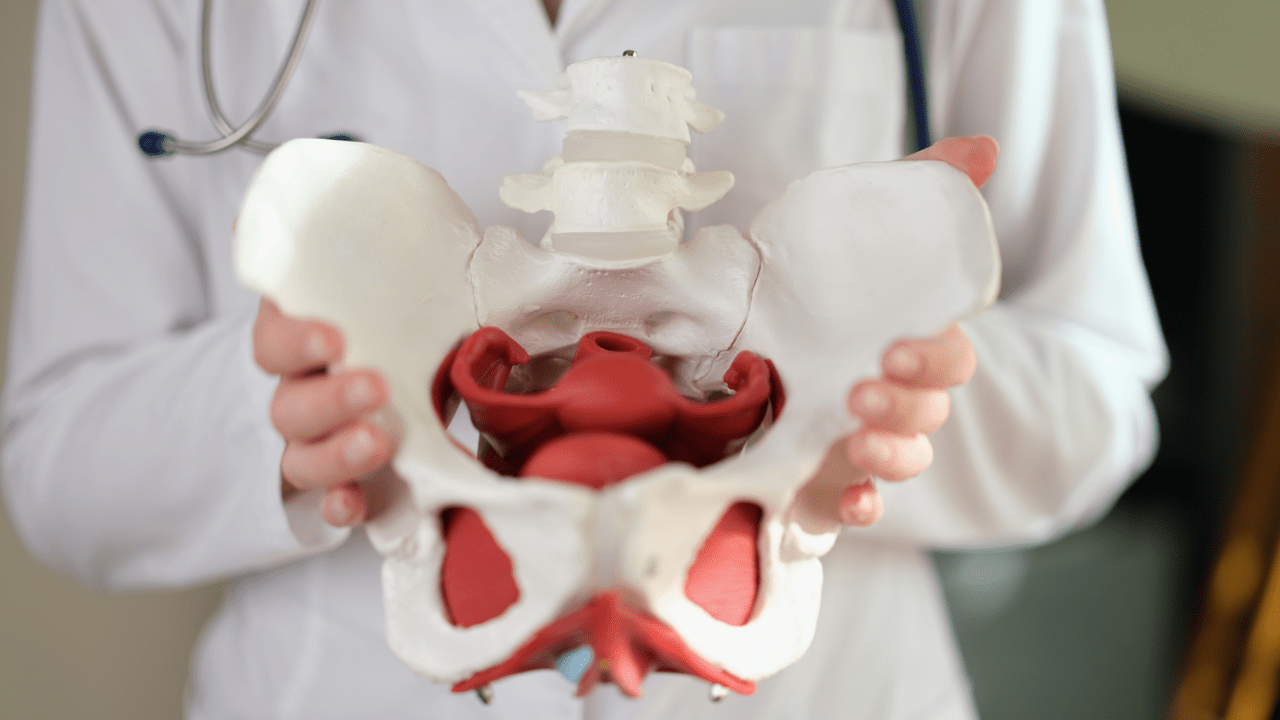
The pelvic floor is a group of muscles, ligaments, and connective tissue that form the base of the pelvis. It sits underneath everything, supports the bladder, bowel, and uterus (where applicable), and plays a role in continence, sexual function, and core stability. Most people only hear about it in one context: postnatal kegel exercises. That framing misses a lot of what it actually does.
In people with chronic pain, the pelvic floor tends to get involved in a broader pattern of muscle guarding. When your nervous system is persistently sensitised, muscles tighten as a protective response, and the pelvic floor is no different. It’s not separate from the rest of your musculoskeletal system. It responds to the same signals.
When it comes to hypermobility specifically, there’s a particular wrinkle. You might expect that lax connective tissue means a lax pelvic floor. In practice, the opposite is often true. The muscles compensate for ligamentous insufficiency by working harder and staying tighter, and what you end up with is a hypertonic (high resting tone) pelvic floor that isn’t weak but is overloaded and poorly coordinated. That distinction matters enormously for treatment, and we’ll come back to it.
For people with fibromyalgia, the central sensitisation that characterises the condition means that pain signals from the pelvic region are amplified and dysregulated in the same way they are elsewhere. The pelvic floor doesn’t operate in isolation from the rest of the pain system. It’s part of it.
Why Sex Hurts: The Differential
Dyspareunia (painful intercourse) in people with chronic pain conditions isn’t one thing. It’s a cluster of different mechanisms that can overlap, stack on top of each other, and produce a similar end result by very different routes. Sorting out which ones are at play matters, because they respond to different interventions.
The broad categories are:
- Entry pain (superficial dyspareunia): Pain at or near the vaginal opening. This is most associated with vulvodynia, provoked vestibulodynia, vaginismus, and hormonal changes affecting tissue quality.
- Deep dyspareunia: Pain during deep penetration, associated with endometriosis, interstitial cystitis, pelvic inflammatory disease, and structural issues including uterine or ovarian pathology.
- Pelvic floor muscle dysfunction: Either excessive tone (hypertonic), poor coordination, or triggered muscle spasm during penetration, common across hypermobility, fibromyalgia, and IC.
- Hormonal factors: Low oestrogen (from hormonal contraception, perimenopause, breastfeeding, or testosterone therapy) reduces vaginal lubrication and tissue quality, increasing friction and sensitivity.
- Neurological sensitisation: Central and peripheral sensitisation amplifies pain signals that might be minimal in a nervous system that isn’t sensitised.
In practice, most people with complex chronic conditions have more than one of these at play. A person with hEDS might have a hypertonic pelvic floor, hormonally driven tissue changes, and a sensitised nervous system all contributing simultaneously. Treating just one of them gets you partial results at best.
It’s also worth noting that male and AFAB non-binary people with chronic pelvic pain face the same complexity. Chronic prostatitis and chronic pelvic pain syndrome (CP/CPPS) is the most common urological diagnosis in men under 50, and sexual dysfunction is highly prevalent in that group, with erectile dysfunction and premature ejaculation rates each around one in three [1]. Depression, genital pain, and urinary symptoms independently worsen outcomes. It’s not just a female condition. The framing has always been too narrow.
Vulvodynia: What the Evidence Shows Works
Vulvodynia is defined as vulval pain lasting at least three months, without a clear identifiable cause [2]. It’s not a diagnosis of exclusion in a dismissive sense. It’s a recognised condition with its own ISSVD/ACOG classification system and an increasingly solid evidence base for treatment.
The most studied subtype is provoked vestibulodynia (PVD), which is pain at the vulval vestibule in response to pressure or attempted penetration. Population estimates put vulvodynia at around 7 to 15% of women. In those with hypermobility spectrum disorder or Ehlers-Danlos syndrome, the figure is substantially higher. One study found roughly 50% of women with hEDS or HSD screened positive for probable vulvodynia, compared to around 8% in the general population [3]. That’s not a coincidence.
When it comes to treatment, the research is clearer than the typical GP referral pathway would suggest.
Psychological interventions: CBT (cognitive behavioural therapy) outperforms generic supportive therapy for pain outcomes and overall satisfaction in PVD [4]. That doesn’t mean “it’s in your head.” It means that the cognitive and behavioural components of living with a pain condition affect pain processing, and directing those factors actively produces better outcomes than just listening. An online ACT (Acceptance and Commitment Therapy) feasibility trial showed large effects compared to waitlist for pain acceptance and quality of life, medium effects for pain catastrophising and anxiety, and small effects for sexual satisfaction, relationship adjustment, and pain with sexual activity [5]. Both are worth knowing about.
One finding worth mentioning for people considering couple based therapy: women with greater attachment avoidance tend to have poorer outcomes in conjoint couple therapy for PVD, particularly around sexual distress and function [6]. This doesn’t mean couple therapy is wrong, it means sequencing matters. Individual stabilisation first may be more effective for some people before moving to conjoint work.
Topical treatments: Topical oestrogen and testosterone compounds have evidence for secondary PVD and hormonally influenced vestibular changes. Topical lidocaine has some evidence for pain reduction. These are reasonable options when physical therapy is not accessible, but they’re not the most effective first line approach when you look at the RCT data.
Surgical options: Vestibulectomy (surgical removal of vestibular tissue) is reserved for refractory primary PVD after conservative treatments have failed. Outcome data are positive for carefully selected people, but it’s not where you start.
The evidence base for vulvodynia is, as a systematic review noted, largely “very low certainty” in aggregate [7]. That’s frustrating but honest. It also means the field is still developing, and that what’s currently supported is likely underselling what’s achievable with the right specialist.
Pelvic Floor Physiotherapy: The Single Strongest Intervention
This is the section that matters most. If you take one thing from this blog, take this.
The strongest RCT in this area compared multimodal physical therapy against topical lidocaine in a multicentre trial of 212 women with PVD. The physical therapy programme included education, pelvic floor muscle work with biofeedback, manual therapy, and progressive dilation. After ten weeks, physical therapy was significantly more effective at reducing pain during intercourse. The results held at six month follow up [8].
In plain terms: roughly four in five women in the physical therapy group reported major improvement, compared to around two in five in the lidocaine group. That’s a meaningful difference, not a marginal one.
Ready to work through this with structure and support?
The Hypermobility Live Workshop is four weeks of breaking down the frameworks we use in our studios, with live Q&A so you can ask about your specific situation. Two free courses are included.
What’s important is that the physical therapy programme wasn’t just dilators. It was a package. Education matters. Manual work matters. Biofeedback matters. Dilation on its own, without the surrounding programme, is a different intervention with different results. If someone offers you “just do the dilators and you’ll be fine,” that’s an incomplete version of what the evidence actually supports.
A systematic review confirmed that focused physiotherapy is a widely overlooked resource, with evidence across vulvodynia, vaginismus, and dyspareunia, and that poor physician awareness and referral barriers limit access [9]. That is still true. The average waiting time for a specialist pelvic floor physiotherapist on the NHS is significant, and not every GP knows to refer.
If you can access pelvic floor physiotherapy, do it. Ask your GP to refer. If you’re told “I don’t know who to refer you to,” that’s the GP’s gap to fill, not evidence that the treatment doesn’t exist.
The Hypermobile Pelvic Floor: Hypertonic, Not Weak
Here’s the thing that trips up a lot of people with hEDS and HSD. Because hypermobility is about loose connective tissue and excessive joint range, the assumption is that everything is lax and weak. The pelvic floor included. So kegels get prescribed, and then things get worse, or stay the same, and nobody explains why.
The mechanism is this: in connective tissue disorders, ligamentous support is reduced. The muscles around affected areas compensate by increasing their resting tone, essentially trying to do the job the ligaments aren’t fully doing. In the pelvic floor, this produces hypertonicity. High resting tone. Tight, guarded, not well coordinated. Muscles that can’t properly relax [11].
Research confirms that women with PVD show evidence of pelvic floor muscle overactivity [11]. The hypertonic pelvic floor in those with hEDS and HSD isn’t a failure of strength. It’s an overworked system doing its best with inadequate scaffolding.
The clinical implication is direct: the priority intervention is not strengthening. It’s downtraining. Learning to identify tension, to release it, to breathe into it, to coordinate the muscles properly rather than just add more load to an already overloaded system. A pelvic floor physiotherapist who understands hypermobility will know this. One who doesn’t may inadvertently make things worse by defaulting to standard strengthening protocols.
When it comes to the scale of the problem in hEDS/HSD: the numbers are striking. Around 64% of women with EDS or HSD report dyspareunia in survey data, well above general-population estimates which typically run between 8 and 21% depending on definition and population [3]. In a separate cohort of women with hypermobility type hEDS, over 60% reported severe dyspareunia [12]. Comorbidities including fibromyalgia (in around 40%), interstitial cystitis, and TMJ dysfunction are common in the same group. Sexual dysfunction across the board, measured by validated questionnaires, is significantly worse in hEDS/HSD than in the general population [13].
This is not a minor issue at the margins. It’s a major quality of life problem for a lot of people, and it’s not properly addressed in most hypermobility care pathways.
The postpartum period is a particularly high risk window. Hypermobility in one large cohort study didn’t increase the risk of pelvic floor disorders in the first decade after childbirth, though it was linked to lower rates of operative vaginal delivery and anal sphincter tearing [14]. The bigger postpartum signal sits elsewhere. Around 38% of women with hEDS report a worsening of their overall condition in the postpartum period (37.6% in the largest available cohort), and around a quarter (26%) report worsening during pregnancy itself [12]. Pelvic girdle pain has also been described as a recurring feature of hypermobility-related musculoskeletal load in narrative reviews of this group [21]. If you have a connective tissue disorder and you’ve recently given birth, a pelvic floor assessment isn’t optional extra credit. It’s a reasonable standard of care.
Endometriosis, Interstitial Cystitis, and Deep Dyspareunia
These two conditions deserve their own section because they produce pain through different mechanisms from vulvodynia, and because they’re both common in the hypermobility population.
Endometriosis affects roughly 1 in 10 people assigned female at birth of reproductive age. Deep dyspareunia is one of its cardinal symptoms, driven by peritoneal disease and deep infiltrating endometriosis. In the hEDS and HSD population, endometriosis is present in around a quarter of those who report dyspareunia [3], but the majority of dyspareunia in this group is thought to be driven by connective tissue and pelvic floor factors rather than endometriosis [12]. So even if you have both, treating only the endometriosis may not fully address the pain.
The evidence broadly supports that surgery produces more rapid pain relief for endometriosis than medical management alone, though combination approaches (surgery followed by hormonal suppression) tend to optimise longer term quality of life. For superficial endometriosis specifically, ablation showed improvement in dyspareunia at six months that wasn’t maintained at twelve months, while excision didn’t show significant change on that timeline [15]. Surgical options are complex and individual, this isn’t a decision a blog can make for you. But it’s worth knowing that the evidence for any given surgical route is more nuanced than “surgery fixes it.”
Hormonal contraception is worth a specific mention. Community experience is consistent with the research: some people find that stopping hormonal birth control resolves entry pain that persisted even after endometriosis surgery. Hormonal contraception can cause or contribute to vestibular sensitivity in some people. If your pain is primarily at the entry and you’re on hormonal contraception, it’s worth discussing with your prescriber.
Interstitial cystitis / bladder pain syndrome (IC/BPS) is a chronic bladder condition with bladder pain, pressure, and urinary urgency as its core symptoms. Sexual dysfunction is highly prevalent. The honest position from the research is that no treatment modality has strong evidence for improving sexual function specifically in IC/BPS [16]. Some interventions help IC symptoms overall, which may indirectly improve things. The relational and intimacy impacts of IC are significant, and the research identifies psychological support as a largely unmet treatment need for this population [17].
What the community has figured out (more on this shortly) often goes beyond what formal treatment protocols offer.
Dilator Therapy, Topical Treatments, and the Practical Kit
If you’ve been referred for dilator therapy, or you’re considering it, here’s what the evidence actually says rather than the overly brief instruction sheet you might have received.
Dilators (vaginal trainers) are part of the multimodal physiotherapy programme that has the strongest evidence [8]. On their own, as a self directed programme without the surrounding physiotherapy education and manual work, their effectiveness is less clear. If you’re doing dilators without working with a pelvic floor physio, you might be getting partial benefit. The dilator is a tool, not the whole treatment.
The principle behind progressive dilation is gradual desensitisation and coordination training. You’re not trying to “stretch” anything. You’re training the nervous system to not interpret vaginal penetration as a threat signal, and teaching the pelvic floor muscles to coordinate a relaxation response rather than a guarding response. That framing matters, because “just work through it” is the wrong approach and will make things worse.
Topical treatments worth knowing about:
- Topical lidocaine (5% ointment): Used nightly for several weeks, it has evidence for pain reduction. It’s more accessible than physiotherapy in many places. It underperforms multimodal physical therapy when they’re compared head to head [8], but it’s a reasonable option when physio isn’t available, or as an adjunct.
- Topical oestrogen: Particularly useful for hormonally driven vestibular changes, secondary PVD, and post-menopausal or post-partum tissue changes. If the tissue is atrophic and fragile, addressing that first makes a real difference.
- Topical testosterone: Has evidence in specific contexts including testosterone deficiency, SHBG excess (a hormone binding protein that reduces available testosterone), and some post-surgical presentations.
- Topical gabapentin and low dose naltrexone: Emerging evidence but not enough RCT data to draw firm conclusions yet.
Good quality lubricant matters and is non negotiable, not optional. For people with IC, glycerin free, sugar free, water based lubricant is important. Glycerin can trigger IC flares and yeast infections. Checking the ingredients list is worth five minutes of your time before buying anything.
What the Community Actually Does: Lived Experience
Research trials are the foundation. But people in the vulvodynia, endo, IC, and hypermobility communities have collectively worked out a lot of practical detail that doesn’t make it into journal articles, because journals don’t capture the specifics of daily life with these conditions. This is a summary of what people consistently share.
For vulvodynia:
The most consistently endorsed intervention across community discussions is pelvic floor physiotherapy. “Pelvic floor PT changed my life” is the refrain, which lines up with the RCT data. Beyond that:
- Using a dilator before partnered activity to relax the pelvic floor muscles, rather than attempting penetration from a high tone starting point.
- Not pushing through significant pain. This sounds obvious, but the advice to “just relax and persevere” is still given, and it makes things worse. Pain causes the pelvic floor to tighten further, which makes the next attempt more painful. Stopping and returning another time is a better physiological decision.
- Aftercare matters: ice packs, balms, and deliberate downtime post sex help reduce the negative association between intimacy and pain.
- Reframing what sex includes. A lot of people with vulvodynia report satisfying sex lives built primarily around oral, manual, and toy based stimulation. “I had to expand my definition of ‘normal sex life’ because there really is no such thing” is a useful reframe, not a consolation prize.
- Clitoral stimulation before any attempted penetration. An orgasm before penetration relaxes pelvic muscles. The nervous system override this creates is consistent with what the research says about reducing guarding responses.
For interstitial cystitis:
- Urinating before sex and immediately after to reduce the pseudo-UTI response.
- Glycerin free lubricant, as above. This comes up constantly and matters.
- Partner hygiene: residue from soap or body wash on a partner’s genitals is a documented IC trigger. Worth mentioning without making it awkward, because it’s practical information.
- Positional adjustment: reducing pressure on the bladder (bent forward positions, pillow under the lower back) can significantly change the experience during a flare.
- An orgasm before penetration reduces pelvic muscle guarding and makes penetration more comfortable for IC as well as vulvodynia.
- The Therawand (an acrylic internal massage tool designed for pelvic floor muscle work) is mentioned frequently as useful for releasing spasm and tension before sexual activity. It’s not a substitute for working with a physio, but it’s a practical self management tool.
For endometriosis:
- Taking ibuprofen 30 to 60 minutes before sexual activity to reduce inflammatory pain. (Note: not sustainable as a long term primary solution, but as a short term tool on difficult days it’s practical.)
- Warmth before and during: a heat pack on the abdomen before sex reduces uterine cramping.
- Plenty of time for arousal before penetration. Partners initiating oral sex first is cited specifically, because it gives pelvic floor muscles time to relax and delays penetration.
- Considering the impact of hormonal contraception if entry pain persists after surgical treatment.
One pattern across all these communities: the people managing best have usually had to become their own investigators. They’ve tried things, kept notes, found what helps and what doesn’t, and shared that information with each other because the formal system wasn’t giving them enough. That’s not how it should be. But it is how it often is, so knowing what others have tried is genuinely useful.
Trans Specific Considerations
This section is brief because the evidence base is thin. That isn’t dismissiveness, it’s honesty about the state of the research.
For trans men and non-binary people assigned female at birth who take testosterone: testosterone causes atrophic changes in vaginal tissue (analogous to post-menopausal changes), reducing lubrication and increasing tissue fragility. Vulvovaginal pain during sexual activity is highly prevalent in this group, with causes that are multifactorial including testosterone associated tissue changes and psychological factors related to gender affirmation [18]. Interventions are largely unstudied in this specific population, which is a care gap that needs addressing. Topical oestrogen is sometimes used locally to address tissue atrophy without significantly affecting testosterone levels systemically, though this is a clinical decision that needs individual discussion.
The vaginal microbiome in transmasculine people on testosterone also shifts to resemble a post-menopausal pattern, which increases susceptibility to certain infections and tissue fragility [19]. Worth knowing if you’re dealing with recurrent issues.
For trans women who have had vaginoplasty: genitourinary symptoms vary significantly by surgical technique and include scar tissue pain, neovaginal pain during receptive penetration, and dilation related challenges. Sexual function outcomes at a population level are generally positive, but the variance is wide and individual clinical assessment is essential [20]. The care gap here is also real.
When it comes to trans-specific pelvic floor care, the honest answer is that most pelvic floor physiotherapy services have been designed around cisgender presentations and not all practitioners are familiar with trans-specific anatomy and concerns. Asking at initial contact whether the physiotherapist has experience working with trans people is a reasonable question to ask before booking.
When to See Whom, and What to Ask For
The pathway for pelvic pain in chronic conditions is fragmented in the UK. There is no single specialist who holds all of it. Here’s who does what:
GP: First port of call. Ask specifically for a referral to a specialist pelvic floor physiotherapist (not just any physiotherapist). Ask about topical oestrogen if hormonal factors may be relevant. If you’re in the hypermobility or EDS population, note that explicitly, because it changes the clinical picture. A GP who doesn’t know about the connection between hypermobility and pelvic floor dysfunction isn’t giving you incomplete information deliberately, they just may not know it. You can share this blog.
Specialist pelvic floor physiotherapist: The single most important referral for most people with pelvic floor dysfunction contributing to dyspareunia. Look for someone with experience in hypermobility if possible. In the assessment, they should be evaluating resting tone as well as strength. If they immediately go to strengthening exercises without assessing for hypertonicity first, ask about that specifically.
Gynaecologist or vulval specialist: Relevant if endometriosis is suspected, if surgical options are being considered, or if the presentation is complex enough that a medical specialist input is needed alongside physiotherapy. In the UK, some areas have vulvodynia clinics, and a referral to one of these is worth asking about if your GP is uncertain.
Urogynaecologist: Relevant where bladder symptoms are a significant part of the picture, particularly in IC/BPS.
Clinical psychologist or sex therapist: CBT for PVD has real evidence behind it [4]. This isn’t an alternative to physiotherapy, it’s a complement. Couple based therapy may be useful when the pain has significantly affected the relationship, though sequencing matters (individual work first for some presentations).
Endocrinologist: If hormonal factors are complex, such as testosterone deficiency, SHBG abnormalities, or post-surgical hormonal disruption.
What to ask for in any appointment:
- “Is there any assessment for pelvic floor tone alongside any assessment for strength?”
- “What is the referral pathway for specialist pelvic floor physiotherapy in this area?”
- “Are topical hormonal preparations relevant for my presentation?”
- “Is this dyspareunia more likely to be entry pain or deep pain, and does that change the management?”
- “How does my hypermobility diagnosis affect how we approach this?”
You’re entitled to ask these questions. You’re also entitled to a second opinion if you get a response that amounts to “I don’t know, have you tried relaxing?”
Look, the system has failed a lot of people on this. Not always through malice, often through training gaps and outdated frameworks. A GP who tells you painful sex is normal and you just need to persevere is giving you advice that contradicts the current evidence. You don’t have to accept that.
When it comes to what’s achievable: pelvic floor dysfunction, vulvodynia, and dyspareunia in hypermobility and chronic pain conditions are treatable. They respond to the right interventions, delivered by someone who understands what they’re actually dealing with. The evidence base is there. The treatments are there. The access is the problem, and knowing what to ask for is the first step to getting it.
Frequently Asked Questions
Is pelvic floor pain during sex normal if you have hEDS or fibromyalgia?
It’s common, but it’s not something you just have to accept. Dyspareunia affects a majority of women with hEDS and a significant proportion of those with fibromyalgia. The mechanisms are specific and well described, and there are treatments backed by evidence. Common doesn’t mean untreatable.
My GP says painful sex is anxiety. What should I do?
Psychological factors can contribute to pelvic floor hypertonicity and pain processing, that’s real. But the framing of “it’s anxiety” is often used as a way to end a conversation rather than start an investigation. Ask specifically for a referral to a pelvic floor physiotherapist for an assessment of resting tone and coordination. That assessment will either find something or it won’t. At least then you have information rather than a guess.
Can kegel exercises make vulvodynia or pelvic floor pain worse?
Yes, they can. If the pelvic floor is already hypertonic (high resting tone), adding more contraction focused exercise without any downtraining or coordination work can increase tension. The priority in a hypertonic presentation is learning to relax and coordinate, not strengthening. This is one reason why seeing a specialist who assesses tone before prescribing exercises matters.
Does topical lidocaine actually work for vulvodynia?
There is evidence that it reduces pain, but in a head to head comparison with multimodal pelvic floor physiotherapy, it significantly underperformed on both pain and functional outcomes [8]. It’s a reasonable option when physiotherapy is inaccessible, and may be useful as an adjunct. It’s not the ceiling of what’s achievable.
I have interstitial cystitis. Will sex always be difficult?
Not necessarily. IC management is individual, and many people with IC find ways to manage the sexual dimension of the condition with the right combination of positioning, preparation, lube, timing, and (where appropriate) treatment for IC symptoms. The research is honest that the evidence for improving sexual function specifically in IC is limited [16], but that reflects a gap in what’s been studied, not a ceiling on what’s possible with the right management approach.
References
- Alshahrani, S., Fathi, B.A., Abouelgreed, T.A. and El-Metwally, A. (2025). Prevalence of sexual dysfunction with chronic prostatitis/chronic pelvic pain syndrome: an updated systematic review and meta-analysis. Medicina (Kaunas), 61(6), 1110. doi: 10.3390/medicina61061110
- Bornstein, J., Goldstein, A.T., Stockdale, C.K., Bergeron, S., Pukall, C., Zolnoun, D. and Coady, D. (2016). 2015 ISSVD, ISSWSH and IPPS consensus terminology and classification of persistent vulvar pain and vulvodynia. Journal of Sexual Medicine, 13(4), 607-612. doi: 10.1016/j.jsxm.2016.02.167
- Glayzer, J.E., McFarlin, B.L., Castori, M., Suarez, M.L., Meinel, M.C., Kobak, W.H., Steffen, A.D. and Schlaeger, J.M. (2021). High rate of dyspareunia and probable vulvodynia in Ehlers-Danlos syndromes and hypermobility spectrum disorders: an online survey. American Journal of Medical Genetics Part C: Seminars in Medical Genetics, 187(4), 599-608. doi: 10.1002/ajmg.c.31939
- Masheb, R.M., Kerns, R.D., Lozano, C., Minkin, M.J. and Richman, S. (2009). A randomised clinical trial for women with vulvodynia: cognitive-behavioural therapy vs. supportive psychotherapy. Pain, 141(1-2), 31-40. doi: 10.1016/j.pain.2008.09.031
- Maathz, P., McCracken, L.M., Eriksson, V., Säde, F., Aneblom, G., Rikner, Å., Skalkidou, A. and Buhrman, M. (2023). A feasibility trial of online acceptance and commitment therapy for women with provoked vestibulodynia. Scandinavian Journal of Pain, 23(3), 476-482. doi: 10.1515/sjpain-2022-0146
- Charbonneau-Lefebvre, V., Vaillancourt-Morel, M.P., Rosen, N.O., Steben, M. and Bergeron, S. (2022). Attachment and childhood maltreatment as moderators of treatment outcome in a randomised clinical trial for provoked vestibulodynia. Journal of Sexual Medicine, 19(3), 479-495. doi: 10.1016/j.jsxm.2021.12.013
- Goldstein, A.T., Pukall, C.F., Brown, C., Bergeron, S., Stein, A. and Kellogg-Spadt, S. (2016). Vulvodynia: assessment and treatment. Journal of Sexual Medicine, 13(4), 572-590. doi: 10.1016/j.jsxm.2016.01.020
- Morin, M., Dumoulin, C., Bergeron, S., Mayrand, M.H., Khalifé, S., Waddell, G. and Dubois, M.F. (2021). Multimodal physical therapy versus topical lidocaine for provoked vestibulodynia: a multicenter, randomised trial. American Journal of Obstetrics and Gynecology, 224(2), 189.e1-189.e12. doi: 10.1016/j.ajog.2020.08.038
- Berghmans, B. (2018). Physiotherapy for pelvic pain and female sexual dysfunction: an untapped resource. International Urogynecology Journal, 29(5), 631-638. doi: 10.1007/s00192-017-3536-8
- Castori, M. (2012). Ehlers-Danlos syndrome, hypermobility type: an underdiagnosed hereditary connective tissue disorder with mucocutaneous, articular, and systemic manifestations. ISRN Dermatology. doi: 10.5402/2012/751768
- McLean, L., Antonio, F.I., Rodrigues, M.P. and Pukall, C. (2025). Pelvic floor muscle activation amplitude at rest, during voluntary contraction, and during Valsalva manoeuvre: a comparison between those with and without provoked vestibulodynia. Journal of Sexual Medicine, 22(4), 570-578. doi: 10.1093/jsxmed/qdae170
- Hugon-Rodin, J., Lebègue, G., Becourt, S., Hamonet, C. and Gompel, A. (2016). Gynaecologic symptoms and the influence on reproductive life in 386 women with hypermobility type Ehlers-Danlos syndrome: a cohort study. Orphanet Journal of Rare Diseases, 11(1), 124. doi: 10.1186/s13023-016-0511-2
- Fuster, E., Mirmosayyeb, O. and Blitshteyn, S. (2025). Sexual dysfunction in women with hypermobile Ehlers-Danlos syndrome and hypermobility spectrum disorders: an online community-based study. Rheumatology Advances in Practice, 9(2), rkaf023. doi: 10.1093/rap/rkaf023
- Knoepp, L.R., McDermott, K.C., Muñoz, A., Blomquist, J.L. and Handa, V.L. (2013). Joint hypermobility, obstetrical outcomes, and pelvic floor disorders. International Urogynecology Journal, 24(5), 735-740. doi: 10.1007/s00192-012-1913-x
- Riley, K.A., Benton, A.S., Deimling, T.A., Kunselman, A.R. and Harkins, G.J. (2019). Surgical excision versus ablation for superficial endometriosis-associated pain: a randomised controlled trial. Journal of Minimally Invasive Gynecology, 26(1), 71-77. doi: 10.1016/j.jmig.2018.03.023
- Chen, A., Shahiyan, R.H. and Anger, J.T. (2022). Interstitial cystitis/bladder pain syndrome treatment: a systematic review of sexual health outcomes. Sexual Medicine Reviews, 10(1), 71-76. doi: 10.1016/j.sxmr.2020.12.005
- McKernan, L.C., Walsh, C.G., Reynolds, W.S., Crofford, L.J., Dmochowski, R.R. and Williams, D.A. (2018). Psychosocial co-morbidities in interstitial cystitis/bladder pain syndrome: a systematic review. Neurourology and Urodynamics, 37(3), 926-941. doi: 10.1002/nau.23421
- Tordoff, D.M., Lunn, M.R., Chen, B., Flentje, A., Dastur, Z., Lubensky, M.E., Capriotti, M. and Obedin-Maliver, J. (2023). Testosterone use and sexual function among transgender men and gender diverse people assigned female at birth. American Journal of Obstetrics and Gynecology, 229(6), 669.e1-669.e17. doi: 10.1016/j.ajog.2023.08.035
- Krakowsky, Y., Potter, E., Hallarn, J., Monari, B., Wilcox, H., Bauer, G., Ravel, J. and Prodger, J.L. (2021). The effect of gender-affirming medical care on the vaginal and neovaginal microbiomes of transgender and gender-diverse people. Frontiers in Cellular and Infection Microbiology, 11, 769950. doi: 10.3389/fcimb.2021.769950
- Monteiro Petry Jardim, L.M.M.P., Cerentini, T.M., Lobato, M.I.R., Costa, A.B., Silva, D.C., Schwarz, K. and Fontanari, A.M.V. (2022). Sexual function and quality of life in Brazilian transgender women following gender-affirming surgery: a cross-sectional study. International Journal of Environmental Research and Public Health, 19(23), 15773. doi: 10.3390/ijerph192315773
- Ali, A., Andrzejowski, P., Kanakaris, N.K. and Giannoudis, P.V. (2020). Pelvic girdle pain, hypermobility spectrum disorder and hypermobility-type Ehlers-Danlos syndrome: a narrative literature review. Journal of Clinical Medicine, 9(12), 3992. doi: 10.3390/jcm9123992
The Hypermobility Fundamentals Bundle
The Hypermobility Fundamentals Bundle is a structured education and movement pathway that starts at the bottom and builds upwards, grounded in motor learning and sensory motor science. Designed for people with hypermobility and persistent pain, it focuses on how strength and stability are organised and learned by the nervous system, beginning with the feet and progressing through sensory input, coordination, and motor learning. The courses are intended to be completed in sequence, with each one establishing the concepts and skills needed for the next.
Getting the right assessment matters more than any single treatment on this list, and the fuller guide to hypermobility, EDS, and the pelvic floor goes into the mechanics behind why this area is so often affected. Joint protection during sex is part of the same conversation, and using bracing and taping to protect joints during intimacy covers the practical side of it.