
- Hypermobile hip exercises we use, and why clamshells aren’t one of them - 17 October 2026
- Is Fibromyalgia a Disability in the UK, and Can You Claim PIP? - 14 October 2026
- Fibromyalgia and Central Sensitisation, What Is It in Plain English? - 8 October 2026
This article is part of our comprehensive guide to hypermobility and Ehlers-Danlos syndrome.
It’s not uncommon for those with Hypermobility and EDS to have difficulty with sleep, sleeping positions, getting to sleep, and last but not least, staying asleep. Subluxating/dislocating joints, gastric issues, pain, and even anxiety are all factors that many of those with conditions like Ehlers-Danlos syndrome and hypermobility struggle with while trying to sleep.
With so many with hypermobility struggling with sleep, you would expect to find more information on sleeping better. However, when looking online, you find the same old advice, tips and tricks across the internet. Relax before bed, and don’t use screens. Blah, blah, blah.
So, the purpose of writing this article is to give those with hypermobility who struggle with sleep good, targeted advice that’s not the same old stuff you find littered across the internet. However, I am going to go deep. Hypermobility complicates sleep massively, and if we want to improve our sleep when hypermobility is concerned, we have to cover many areas. This way, we become armed with the information we need to give ourselves the gift of good sleep.
This is a beast of an article, with a lot of information and the sole aim of teaching you what you need to know and looking at the complications to sleep that hypermobility often causes.
So, if you’re ready to improve your sleep, let’s go!
Lack of sleep increases pain
The relationship between sleep disturbances and pain has been widely studied[1]. Largely showing us that with sleep disturbances comes an increase in pain. And it is not simply that pain keeps you awake. In healthy volunteers, a single night without sleep is enough to raise pressure and cold pain sensitivity, weaken the body’s own pain inhibition, and make repeated stimuli stack up faster than they should[2]. One experiment traced the route rather than just the outcome. Ninety five healthy people had their sleep deliberately broken for two nights, which cut the deep N3 stage, raised inflammatory signalling and lowered the temperature at which heat started to hurt. The lost N3 followed by that inflammation accounted for roughly 35% of the change in that threshold[3]. Alongside the extra pain comes a sharp decline in physical functioning and mood, especially during the early parts of the next day[4]. Similarly, studies show that a good night’s sleep only appears to offer a temporary respite to pain, nudging us further down the rabbit hole that pain is an incredibly complex beast and often, at times, just plain weird. Additionally, lack of sleep can be one of the main contributing drivers of EDS flare ups, often manifesting as increased pain and fatigue.
Interestingly, sleep is only partly something you can bank, and the honest answer depends on which thing you are asking about. Pain sensitivity does appear to reset. A review of recovery sleep studies found that most of them show the raised pain sensitivity caused by sleep loss returning to normal once people are allowed to sleep properly again, most reliably after total deprivation and when pressure pain was the thing being measured[5]. The follow up experiment narrowed that down: pressure pain thresholds fell after total deprivation and came back after recovery sleep, while the measures of how well the body damps pain down didn’t shift clearly in either direction[6]. So the soreness side of the ledger is fairly forgiving.
What does not simply reset is the rest of it. After one working week of mild restriction, a weekend of recovery sleep brought inflammatory signalling and daytime sleepiness back to baseline, but reaction time on a sustained attention task stayed impaired[7]. Repeat that restrict and recover cycle over consecutive weeks and the subjective side partly settles while the inflammatory and cortisol disruption neither habituates nor fully clears[8]. A study that read gene expression rather than symptoms found the same split, as 68 blood genes came back fully while 74 were still dysregulated five weeks into recovery[9]. All of that is in healthy volunteers, mostly men, and nobody has tested catch up sleep in a hypermobile population at all. So the weekend lie in is not useless, it is just not a settlement of the debt.
Several large prospective studies suggest that prolonged sleep problems may even increase the risk of developing chronic pain in the future for healthy individuals[10]. The clearest single example comes from the Swedish SwePain cohort: people who already had local or regional pain and worse insomnia symptoms at the start went on to develop more widespread pain at follow up, and the worse the insomnia, the higher the risk[11]. So, right from the outset, we can see just how important sleep is for the general population. But does being hypermobile affect sleep? And if it does, to what degree?
We mention briefly the impact of not getting enough sleep, but on the other side of the coin is that consistently good sleep has a remarkable and extremely profound effect on mood, cognitive functions, and health in general. Furthermore, and most importantly for you reading this article, if you are hypermobile, poor sleep, pain and low mood tend to travel together rather than in single file. Large clinic datasets in hEDS and hypermobility spectrum disorder list trouble falling or staying asleep, insomnia, brain fog, constipation, nausea, headache and hypermobile anxiety side by side as the usual company[12], which is worth holding on to, because it means working on sleep is not a side quest.
Whilst many people with Hypermobility and EDS search for areas of their lives to focus on to better their health, sleep is, unfortunately, one of the more difficult areas to address. Recurrent subluxation/dislocations during sleep, the feeling of “tired but wired,” and pain, in general, all factor into creating these sleep disturbances that often increase pain and decrease mood.
And the numbers here are not small. Across chronic pain generally, pooling the available research puts sleep disturbance at roughly 73% to 75%, depending on which questionnaire was used[13], against roughly 10% of adults in the general population who meet the bar for insomnia disorder[14]. In hypermobility specifically, a survey of adults with Ehlers-Danlos syndrome found 67.5% taking more than half an hour to get to sleep, 26.2% getting under six hours, and 41.4% regularly using prescription sleep medication[15]. In adults with self reported hEDS, the more often people were in pain, the longer they took to get to sleep, and it climbed in steps rather than all at once[16]. So you’re not alone, as sleep problems have become almost a staple in Ehlers-Danlos syndrome and hypermobility.
One thing to flag early, because it matters if you ever get tested. When researchers put accelerometers on adults with hEDS and generalised hypermobility spectrum disorder, they found no difference in measured sleep against controls, though their daily step counts were lower[17]. So the subjective burden can be obvious while the simple objective summaries fail to separate the groups at all. The kit and the lived experience do not always agree here. That gap is not you exaggerating, it is a measurement problem, and it is one reason people get told their sleep study came back fine while they still feel wrecked.
I imagine you clicked on this article with one intention: to find out how to get better sleep when you have hypermobility.
So, this article is about sleep. It is a deep dive into how hypermobility affects it and what you can do at home to help you get better, more rested sleep.
Why do we even need sleep?
Sleep as a whole is an incredibly important function, however, we still are not entirely sure why we sleep in the first place. No, seriously, we have theories that cover restorative reasons for sleep, all the way to brain plasticity theories. But we still don’t have a definite answer as to why we need to sleep.
However, we do know that sleep is essential for us. Among other things, deep sleep is when fluid clearance through the brain appears to be at its most active, which is where the idea of sleep washing the brain comes from[19]. Worth saying plainly that the detail of that plumbing is still argued over rather than settled, so it is a real mechanism with a contested map, not something to bank on[19]. Deep sleep is also the stage most exposed to the drugs people in pain tend to be taking, as a review of analgesics and sleep architecture found opioids the most consistently disruptive to it, while some antidepressants suppress REM sleep instead, on an evidence base the authors call small and too mixed to pool[18]. Sleep also keeps the immune system in order, and going short on it for long enough nudges inflammatory signalling in the wrong direction[20]. And probably most known to all, sleep helps us to release growth hormones and repair tissue. For women going through perimenopause, sleep disruption can intersect with the other hormonal changes in ways that are particularly challenging. Our article on menopause, perimenopause, and hypermobility covers how to manage this transition.
Unfortunately, humans don’t possess any neat sleep tricks, like, say, the dolphin, which can pretty much switch one side of its brain off to sleep while using the other side to stay alive and function. With the average human sleeping for around 25 years of their life, we need to ensure that we get enough sleep because if we don’t, the problems that can occur are numerous.
For those with EDS or Hypermobility Syndrome who don’t get enough sleep, the same issues are present that occur in the general population, but also other issues can occur. Most prominently, there is a major link between tissue repair and sufficient sleep. The proper time for the body to repair and rebuild tissue is particularly important for those with tissue connectivity problems: it is sorely needed to heal from dislocations. With joint dislocations being fairly common with hypermobility, we must sleep to heal any damage sustained.
Sleep complications for those with Hypermobility and EDS
As we previously mentioned, sleep is important for repair, especially when healing joint sprains, subluxations, and injuries. However, many other issues can present themselves when you are hypermobile, which the general population is not privy to.
Increased risk of joint subluxation/dislocation
When we are in too much pain to sleep or if we have difficulties getting into a comfortable sleeping position, it can often leave those with hypermobility to be laid wide awake for hours. Unfortunately, with a lack of sleep also comes a decline in cognitive function. In a pilot case control study in hEDS, attention was measurably impaired, and performance on planning and switching tasks shifted with the position the body was in, coming out worse when standing with the legs crossed[21]. That is a small group, so hold it loosely. Subjective brain fog in hEDS also seems to rise and fall with pain, fatigue, low mood and anxiety rather than sitting at some fixed level, and it does that while formal testing comes back broadly normal apart from delayed verbal memory[22], which fits what people actually describe: some days the lights are on, some days they are not. Over a far longer horizon, pooled data from 20,065 adults aged over 45 found that sleeping four hours or less, or ten hours or more, went with faster cognitive decline than a seven hour night[23]. This decline can be especially detrimental for those with hypermobility, as not being present and aware due to tiredness can create the perfect environment for subluxation/dislocations to occur. After all, dislocations and subluxations increase when unaware of our environment. If you are too tired to focus when walking, it’s fairly easy to misjudge a step or a curb and sublux an ankle joint. Or perhaps closer to home for those of you reading, you bend over to grab something and are hit with a rib subluxation. Joint pain is not the only night time culprit either, because restless legs syndrome is a frequent travelling companion. For scale, in the general adult population restless legs runs at anywhere from 9.4% to 15% when it is counted as a symptom, falling to 1.9% to 4.6% once frequency, severity and differential diagnosis are applied, and it is about twice as common in women as in men[24]. Pooling the worldwide data and correcting for that definitional mess brings the general population figure down to around 3%[25]. Where it climbs is in pain. Pooled across rheumatic conditions, restless legs ran at about 38% in fibromyalgia[26]. Nobody has published a clean prevalence figure for hypermobility itself, and we are not going to invent one. What does exist, and is closer to home than fibromyalgia, is PoTS: questionnaires given to 96 people with physician diagnosed PoTS and 130 controls found restless legs in 15.6% of the PoTS group against 4.6% of controls, a gap that held when the groups were matched for age and sex and when the analysis was restricted to women. The authors were careful that they used a questionnaire rather than the diagnostic interview that counts as the gold standard, so read it as a real signal with a soft edge[27]. Given how much PoTS and hypermobility travel together, that is worth ruling in or out rather than filing under joint pain.
Gastric Issues
Another issue that interferes with creating a good sleeping pattern for those with Hypermobility/EDS is gastric issues. Proinflammatory cytokines, such as interleukin-1 and interleukin-6, have been linked to sleep dysfunction, and those same cytokines are altered in gastrointestinal conditions including reflux and inflammatory bowel disease[28]. One thing seems certain: gastric issues are likely to affect sleep, and poor sleep is likely to affect gastric issues, often compounding each other and leading to problems with EDS and nutrition. The link between left side sleeping and reflux reduction is directly relevant here, because reflux symptoms come up a lot in hypermobility. What we can no longer say is why. When it was measured in hypermobile people rather than assumed, neither reflux disease nor disordered movement in the gullet turned out to be more common than in everybody else referred with the same complaints[29]. The GERD section below has the numbers. Our full guide on hypermobility and throat problems covers the throat and swallowing side of this.
It has been shown repeatedly that people with IBS and functional dyspepsia also report poor sleep. In a population survey of 1,322 Australians, both irritable bowel syndrome and functional dyspepsia went with a higher sleep problem score even after age, sex and psychological distress were accounted for, which matters because it means the sleep problem is not simply anxiety wearing a different hat[30]. Direction of travel has been tested too. Using experience sampling in adults with IBS, poor subjective sleep quality predicted the next day’s abdominal pain and lower gut symptoms, while gut symptoms did not predict the following night’s sleep in the same model[31]. If you’re hypermobile, it’s very important to understand your hypermobility dietary needs. The right nutrition can help manage heds symptoms more effectively, support joint health, reduce inflammation, and improve your sleep, which, as we know, is very important.
Whilst gastric issues can cause poor sleep, sleep loss also appears to push back the other way, though here you need to know where the evidence comes from. In mice and rats, sleep deprivation thins the gut barrier, reduces the proteins that hold the lining together and drives inflammation, and transplanting gut bacteria from sleep deprived animals reproduces the damage in animals that slept normally. That is genuinely causal, and it is entirely in rodents. In humans it looks weaker: three nights of severe sleep restriction in healthy young men cut one measure of gut bacterial richness by 21% but did not change intestinal permeability at all[32], and pooling the human and rodent work found clear gut bacteria shifts overall, driven by the rodent studies, with the human findings not reaching significance[33]. So, unfortunately, it’s a somewhat chicken and egg situation, and the animal half of the chicken is much better evidenced than the human half.
There is one gut outcome where the human evidence is stronger than association, and it is ulcers. Genetic data from up to 1.33 million people for insomnia and up to 456,327 for peptic ulcer disease was used to test the direction of travel. One standard deviation higher in inherited liability to insomnia went with a 19% higher risk of peptic ulcer disease, and there was no sign of the reverse[34]. That design is not a trial, but it is a great deal harder to explain away than a questionnaire.
Closer to home, the gut and the autonomic nervous system are clearly tangled together in hypermobility. When researchers clustered people with hEDS and hypermobility spectrum disorder by their gut symptoms, the group with both upper gut disorders and IBS had more PoTS, heavier autonomic symptoms and worse quality of life than hEDS and HSD without them[35]. The American Gastroenterological Association’s 2025 expert review says much the same thing and is careful about it: hEDS, HSD, PoTS and mast cell activation syndrome have overlapping gut manifestations, the underlying biology is still limited and evolving, and testing everyone for PoTS or MCAS is not supported[36]. Where gut symptoms are stubborn and you also get symptoms on standing, they suggest testing targeted to the symptom pattern rather than run as routine, and otherwise working the gut up much the same way as anyone else[36].
GERD
GERD is another common problem affecting sleep in those with hypermobility. Gastroesophageal reflux disease (GERD) occurs when stomach acid repeatedly flows back into the tube connecting your mouth and stomach (oesophagus). This backwash (acid reflux) can irritate the lining of your oesophagus. Reflux comes up repeatedly in hypermobility, and it clusters with the gut and autonomic symptoms above rather than arriving on its own[35]. For years the explanation bolted onto that was a lax, poorly coordinated gullet, and we have repeated it on this page. It has now been measured directly and it did not hold up. Two specialist gut units went back over everyone they had put through the two tests that actually settle this, a pressure probe that records how the gullet moves and a probe worn for a day that records how much acid it is exposed to, and set those with hEDS or HSD against everybody else referred with the same complaints. Movement in the gullet came back normal in most of the hypermobile group, and being hypermobile did not predict a movement disorder once the other differences between the groups were accounted for. Reflux disease itself was no more common in the hypermobile group than in the comparison group[29]. A different specialist centre came at it from another angle and landed in the same place. They measured how the whole gut moved rather than just the gullet, in people sent for that testing, and they deliberately left out anyone who already carried a hypermobility diagnosis so that knowing the label could not colour the reading. Being hypermobile made no difference to whether the tests came back abnormal, and no difference to how bad the symptoms, mood or quality of life scores were either[37]. One honest caveat on that, because it cuts the other way: everybody in the most hypermobile group did have at least one abnormal result, against roughly four in five of everybody else, and there were far too few people in that group for the gap to mean anything yet[37]. One limit sits on both of them. This was measured in people who had already been referred to a specialist unit, so it does not tell you how common reflux disease is across everyone with hypermobility, and the comparison groups were not well people either, they were others sent for the same tests[29][37].
What did come up repeatedly instead was functional heartburn, in 62.5% of the hypermobile group sent for reflux testing. That is the label you get when the symptom is real, repeated and thoroughly unpleasant, and the acid exposure behind it comes back normal[29]. It sits next to reflux hypersensitivity, a related label for a gullet reporting acid it is not being overexposed to, which a review of the gastrointestinal picture in hEDS had already found more common in those with upper gut symptoms[38]. A large records study of Ehlers-Danlos syndrome as a whole logged reflux disease in 18.4%, but that is coded diagnoses across all the subtypes rather than hEDS measured directly[39]. Those three things, a symptom, a hypersensitive gullet and objectively measured acid exposure, are not the same measurement, and a figure quoted without saying which one it came from is worse than no figure. The gastroenterology guidance for our population says much the same, that the biology here is still evolving and that testing should not be reflexive[36]. And a symptom that turns out not to be acid damage is not a symptom you are imagining. It is still the thing waking you at three in the morning. I can personally attest to the problem, which is one of the reasons why I no longer eat late at night. That last bit is my own experience rather than a recommendation, and the evidence on meal timing is covered further down.
What the population data do show is that this runs in both directions. In the Norwegian HUNT study, 25,844 people were followed and their reflux and sleep tracked over time. Persistent sleep disturbance and persistent insomnia both went with an increased risk of developing new reflux symptoms, persistent reflux went with an increased risk of developing new sleep disturbance, and the longer the exposure the higher the risk[40]. The authors were explicit that this shows an association and that nobody has yet run the trial to see whether treating one fixes the other. Pooling 22 studies on reflux and sleep came out the same way: insomnia, disturbed sleep and short sleep each raised reflux risk, and reflux raised the risk of poor sleep afterwards[41]. So if you have both, neither one is simply a symptom of the other.

Vitamin D deficiency
Deficiency in vitamin D is common in those with hypermobility and Ehlers-Danlos syndrome, and it often gets blamed for poor sleep. The evidence is genuinely unsettled rather than quietly positive. Reviews of the observational work find lower vitamin D status turning up alongside worse sleep often enough to be interesting and inconsistently enough to be unconvincing[42]. On the question that actually matters, whether taking it changes anything, the work has been pulled together, and it amounts to 19 attempts of which only three could be combined. Sleep quality scores improved, and the authors were blunt that this rests on a handful of small trials, that the studies disagreed on population, dose, form and how they measured sleep, and that there were not enough studies on sleep disorders, apnoea, sleepiness or restless legs to pool at all[43]. A second review reached a similar conclusion off five studies with a similar warning attached[44].
The mechanism usually offered is that vitamin D receptors and the enzymes that activate them are found in several brain areas involved in regulating sleep, and that vitamin D sits somewhere in the pathways that produce melatonin[45]. That is a reason to think an effect is possible. It is not evidence that supplementing changes human sleep through that route, and the reviews that describe the biology say so themselves, in those words[45]. Trials have been run in fibromyalgia, chronic low back pain, veterans with chronic pain, apnoea and restless legs. None has been run in a hypermobile population[43].
Let it be known that even if it doesn’t help sleep, there are still numerous other reasons to get checked for low Vitamin D.
Obstructive Sleep Apnoea
There is also another fairly common problem that can affect the sleep of those with hypermobility: Obstructive Sleep Apnoea (OSA)
Sleep apnoea risk is also notably elevated in women with PCOS, now renamed PMOS, and the overlap with hypermobility is significant. Our piece on PCOS to PMOS and hypermobility walks through the sleep, metabolic and hormonal picture in detail.
Obstructive sleep apnea (OSA) is a relatively common condition in which the walls of the throat relax and narrow during sleep, interrupting normal breathing. This may lead to regularly interrupted sleep, which can have a big impact on quality of life and increase the risk of developing certain conditions.
Obstructive sleep apnoea was once badly underestimated in those with hypermobility and EDS, and the research has since caught up. The strongest single dataset compared 100 adults with EDS against 100 matched healthy controls using respiratory polygraphy: 32 of the 100 with EDS met the threshold for obstructive sleep apnoea, against 6 of the 100 controls. The EDS group were also sleepier on the Epworth scale and reported worse quality of life across every dimension, and the worse the apnoea, the worse both of those got. Notably, there was no difference in facial structure between the groups, so this is not simply a jaw shape story[46]. Just under half that EDS group had the hypermobile type.
In children it points the same way but with less confidence. Among 24 children and adolescents with EDS, apnoea turned up in 42% against 13% of a matched comparison group, but with numbers that small the gap is not solid enough to rely on. Treat it as a signal rather than a settled figure[47]. There is also a polysomnography study in hypermobile type EDS reporting shorter total sleep, worse sleep efficiency, more arousals, less slow wave sleep and a far higher apnoea rate than controls, but it has only been published as a conference abstract, so it needs confirming in a full peer reviewed dataset before anyone leans on the numbers[48].
And here is the part worth knowing if you already have a diagnosis and a machine. In a sleep clinic comparison of adults with hEDS or HSD and apnoea against matched people with apnoea alone, the hypermobile group had lower sleep efficiency and more insomnia, yet their CPAP adherence and their residual apnoea readings were much the same, and CPAP brought daytime sleepiness scores down in the controls without doing so significantly in the hypermobile group[49]. In other words, the apnoea was being treated properly and they were still tired. If that is you, the remaining sleepiness is unlikely to be explained by untreated apnoea alone, and it is worth looking at insomnia and at the autonomic picture below rather than turning the pressure up.
The Autonomic Nervous System
To further understand the relationship between sleep disturbances and hypermobility disorders, we must consider the role of the Autonomic Nervous System. A normally functioning ANS continuously “fine tunes” body systems in response to both internal and external stimuli to maintain homeostasis. When not functioning properly, which is common in people with hypermobility disorders, the ANS is unable to keep the body in a steady state, further contributing to fatigue and decreased quality of life by affecting the natural sleep cycle.
“Common” is doing a lot of work in that sentence, so here are the numbers. In a study of women with hypermobility spectrum disorder and hEDS, average scores on the COMPASS-31 autonomic questionnaire sat in the severe range, 58.3% reported a doctor diagnosed case of PoTS and 98.8% reported chronic pain[50]. Formal autonomic testing in 270 people with hEDS turned up mild but widespread autonomic failure in 90%, reduced brain blood flow velocity on standing in 79%, PoTS in 33%, and evidence of small fibre neuropathy in 64% to 82% depending on how it was assessed[51]. Reviews of dysautonomia in EDS and HSD describe postural tachycardia without a fall in blood pressure as the centre of it, with gut involvement, bladder symptoms, temperature control problems and mast cell overlap alongside[52], and reviews of the wider neurobiology in Ehlers-Danlos syndrome put neuroinflammation, small fibre neuropathy, altered interoception, chronic pain, anxiety, mood instability and cognitive difficulty in the same picture[53].
There is also direct evidence that the autonomic system misbehaves specifically at night. In 103 children with PoTS, 24 hour monitoring showed higher blood pressure while asleep, a higher rate pressure product while asleep, and blood pressure that failed to dip overnight the way it should, with the authors concluding that sympathetic activity was elevated, particularly during sleep and in the surge around waking[54]. That is the physiological version of “tired but wired”, and it is a decent explanation for why lying still in a dark room does not always convert into sleep.
Worth being straight about the limit of all this. Nobody has yet shown that the autonomic and small fibre abnormalities directly cause the poor sleep, as opposed to the poor sleep arising from the pain, the gut, the mood symptoms and the sleep disordered breathing sitting alongside them. The current evidence supports all of those as contributors and has not sorted out their relative weight[49]. Anyone telling you they know which one is your driver is guessing.
Likewise, I want to draw your attention to something that gets missed a lot of the time: Thoracic outlet syndrome (TOS)
We have noticed that the vast majority of our hypermobile clients with severe dysautonomia have, to some degree, Thoracic outlet syndrome.
TOS is prevalent in a lot of those with postural orthostatic tachycardia syndrome (PoTS), another dysautonomia condition commonly associated with Ehlers-Danlos syndrome.
Thoracic outlet syndrome (TOS) is a constellation of symptoms resulting from neurovascular compression at the thoracic outlet, causing some combination of pain in the neck and upper extremities, weakness, sensory loss, paresthesia, swelling, and even discolouration. What classification of TOS you receive depends on the anatomical structure that is being compressed: venous compression of the Subclavian vein, arterial compression of the subclavian artery, and neurogenic compression of the brachial plexus.
It’s not a mad assumption to think that compression of vascular and Neurogenic structures will cause sleep issues. Pins and needles, radiating pain, and weakness are all contenders for affecting sleep. Likewise, compression of sympathetic fibres forming the cardiac plexus may increase cardiac sympathetic activity and result in nighttime heart palpitations.
Before the practical bit, the honest state of the evidence, because this section is clinical pattern rather than literature. Nobody has published a solid prevalence figure for thoracic outlet syndrome in hEDS, HSD or generalised hypermobility, so what we have above is our caseload and not a statistic. Nobody has tested sleeping position, side lying or arm position overnight as a trigger for it either. What is described is that the symptoms get provoked by movement, and by extending or raising the arm[55], which is the reasoning behind the advice below rather than a trial of it.
So, with that said: if you do have TOS, it is worth avoiding sleeping positions that increase the pressure on the outlet. Generally, we suggest sleeping on your back, or with two pillows on the affected side, to keep the arm out of the positions that provoke it. On whether conservative treatment helps at all, the cohorts are encouraging and thin. A prospective series put people through a course of physical therapy and 27% improved enough that they did not go on to surgery, while 60% went on to have the operation[56]. None of that was done in a hypermobile group, and the scoping review of the rehab work, 29 studies of it, found the evidence low level throughout and what was actually delivered reported too vaguely to copy[57].
KT tape gets a great deal of praise and almost certainly does nothing through the mechanisms it is sold on. There is still no trial of taping in thoracic outlet syndrome. The taping evidence in our population is in shoulder symptoms, which is a different problem in a nearby place, and the review of conservative treatment for hEDS and HSD shoulders describes that literature as small and low certainty[58]. Treat it as cheap, harmless and unproven. If it makes a night more bearable, use it. Just do not expect it to be doing anything structural.
Bruising and sore spots
Due to the increased fragility of dermal blood capillaries and poor structural integrity of the skin, easy bruising is often seen as a hallmark of many subsets of Ehlers-Danlos syndrome, including the hypermobile type. We have not found a study that has measured pressure related bruising or sore spots against mattress firmness in this population, so what follows is clinical pattern rather than trial evidence, and it is worth saying which is which.
Certain sleeping positions may cause you to bruise or develop sore spots if your mattress is too hard. Yet, too soft a mattress can lead to uncomfortable sleeping positions and stiffness the next day. There are many “chicken and the egg” scenarios with hypermobility and sleep, and unfortunately, this is yet another one. So, with all of the above in mind, let’s take a look at the different things to consider when trying to sleep with hypermobility and Ehlers-Danlos syndrome.
Sleep positions for those with Hypermobility and EDS
One of the first things we should look at is sleep positions. If you’re going to be lying in bed for 8 hours, you need to be in a comfortable position and a position that isn’t going to cause issues. Depending on you as an individual, with individual joints and specific issues affected by hypermobility, you will need a sleep position that works best for you and your issues (a video on this later to help you).
Some people may find that sleeping on their left side helps with gastric issues and allows for a night of better sleep, but this may be the worst position to sleep in for someone with recurring shoulder subluxations.
Whilst the side sleeping position seems to be the most popular for the general population, what do those with EDS and hypermobility find as the most comfortable positions? Now, there wasn’t a lot of data on this to look at. So, without real data, we asked our hypermobile and EDS followers on our Facebook and Instagram pages.
The results
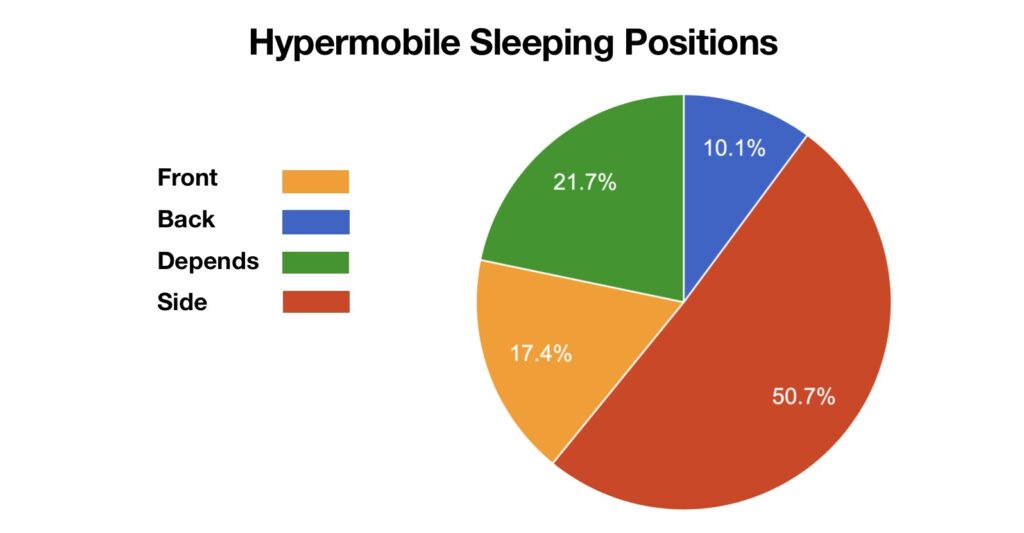
Remember that this isn’t a strict scientific experiment or done with thousands of people. However, we have a fairly large following on social media, so we did have a decent data set to look at. But, the kind of people who follow us, and many other factors may skew data, it is just how it goes.
We found that:
– Side sleeping: 50.7%
– Changed position depending on pain at the time: 21.7%
– Front sleeping: 17.4%
– Back sleeping: 10.1%
The results show a clear preference for side sleeping in those with hypermobility and EDS, or at least those who follow us on social media and participated in this little experiment. Much like the general population, those with hypermobility also prefer sleeping on their side. Additionally, from our survey we found that endometriosis in EDS was also a huge factor affecting sleep.
As we start to explore what we can do to help with sleep, let us first explore some of the pros and cons of each sleeping position when it relates to hypermobility. Why may they help you, but also what problems they may cause?
Sleeping on your front
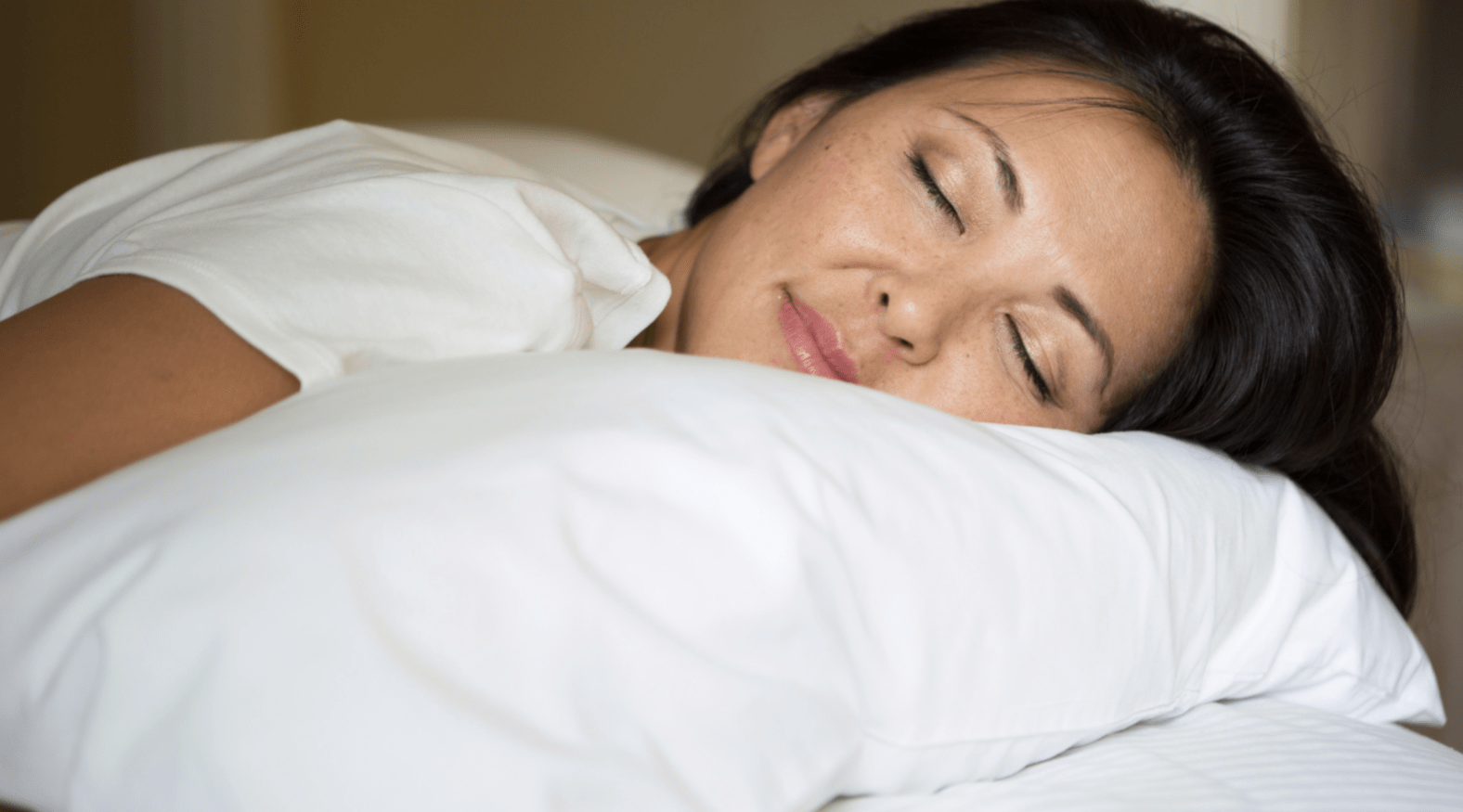
Favoured by 17% of those with EDS and hypermobility in our little experiment, sleeping on your stomach isn’t very popular amongst those with connective tissue disorders. Sleeping on your front requires you to turn your head to one side, at least if you want to continue breathing. Holding body parts in prolonged positions is uncomfortable, regardless of the body part. We have an inbuilt system that tells us when it’s time to change our position and posture. It’s called discomfort, and it works rather well.
Staying in one position for too long activates high threshold nerves(nociceptors) that detect things that might be potentially bad for us: too much pressure, stretch, load, etc. These nerves allow us to avoid getting hurt or damaged by actual or potential threats. Staying in one position for too long changes the blood flow, nerve sensitivity, and tissue tone. Ultimately, this forces our brain to either say, “Hey buddy, I think it’s time to move”, or, in some cases “Whoa, whoa, this is dangerous, untold danger. Here, have some pain, so you remember not to do this ever again!” Brains, you can’t live with them, and you certainly can’t live without them.
Likewise, sleeping on your front with your head turned to one side isn’t just going to cause sleep disturbances. It’s likely going to cause some modulation of your nervous system. Holding a muscle in a lengthened and weaker position for several hours may elicit certain protective measures being initiated by your brain, namely, causing your neck to become more painful and far more sensitive. Oh, and probably headaches as well.
There are also issues with the ribs. Many with hypermobile and EDS are prone to rib subluxations. Putting direct pressure through the ribs and the lower, less stable floating ribs may cause pain and even subluxations during the night, definitely causing sleep disturbances.
However, some people with hypermobility seem to like this position, so there must be a few pros, right?
Well, sleeping on your front can sometimes help digestion, which is good for those with gastric issues. But possibly one of the only real reasons to sleep on your front is that it can help relieve breathing difficulties caused by sleep apnea, which, if we remember from the paragraphs above, is pretty common in EDS and hypermobility.
Sleeping on your side
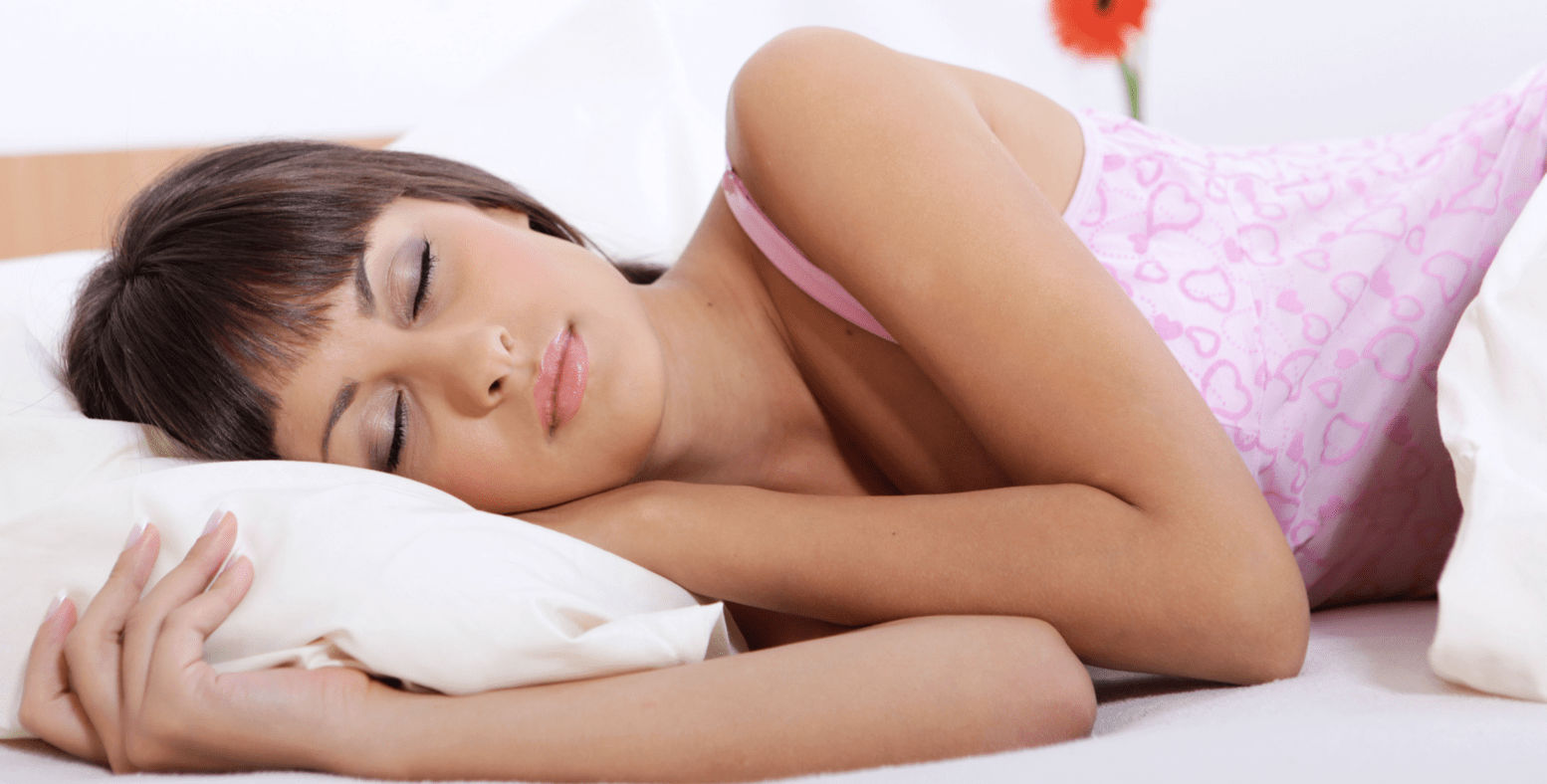
In our little experiment, side sleeping was favoured by 50% of those with EDS and hypermobility. With so many people choosing their sleeping position, let us explore why.
Side sleeping, especially on the left side, looks genuinely useful for reflux. An evidence based review of lifestyle measures in reflux disease found that elevating the head of the bed and lying in the left lateral position both improved the total time the oesophagus spent below pH 4, and that total reflux time, acid clearance and sphincter relaxations were all significantly prolonged lying on the right side compared with the left[59]. Whilst the exact mechanism is still not agreed upon, it’s most likely limiting the amount of stomach acid exposed to the oesophagus, because gastric fluid sits at a lower level than the oesophagus when you lie on your left.
Worth noting what the same review did not find. Of all the lifestyle measures examined, only weight loss and raising the head of the bed came out with evidence behind them. Stopping smoking, stopping alcohol and the usual list of dietary exclusions did not improve reflux measures or symptoms[59]. That is not permission to take up smoking, but it does mean the standard reflux advice sheet is mostly untested.
So, sleeping on your left side can help with digestion and common gastric issues such as GERD, but what about the right side?
People with heart conditions often gravitate to their right side, and some people with hypermobility report fewer palpitations that way round. We have left that in because it is a common report and it is worth trying if palpitations are what wakes you. What we are not going to do is give you a mechanism for it, because the vagus nerve explanation that usually gets attached to this is not something we can point to evidence for, and the reflux evidence above actively favours the left side. If palpitations on one side and reflux on the other are pulling you in opposite directions, that is a real conflict rather than a failure on your part, and raising the head of the bed is the move that helps the reflux without dictating which side you lie on[59].
We mentioned earlier that deep sleep is when fluid clearance through the brain appears most active. There is a study often quoted as showing that side sleeping is the best position for this, and it is worth knowing exactly what it was: anaesthetised rats and mice, imaged in different body positions, in which clearance was worst lying face down and better on the side and the back[60]. That is rodents under anaesthesia, not sleeping humans, and no one has repeated it in people. It is an interesting reason to think position might matter. It is not a reason to change how you sleep.
Another reason people find side sleeping so alluring is that, like front sleeping, it helps reduce snoring. Now, this may not be your favourite sleeping position, but it may be a sleeping position that your partner prefers for you. My wife has often given me a loving but pretty damn firm elbow to the ribs mid sleep. Reminding me to roll onto my side and to stop snoring. In my case, if I sleep on my side, it avoids the many preventable sleep disturbances that my wife will cause me if I disturb her sleep with my snoring.
A better evidenced win is apnoea, which as we have seen is common in this group[46]. CT imaging of 118 people with sleep disordered breathing found that in those with obstructive sleep apnoea, the retroglossal space, the bit of airway behind the tongue, opened up significantly as they moved from lying on their back to lying on their side. The space behind the palate did not change[61]. Two caveats the authors themselves flagged: the scans were done awake rather than asleep, and they described a possible relationship rather than a demonstrated one. Still, if you have apnoea, getting off your back is one of the few position changes with an anatomical reason behind it.
And it has been tested as a treatment, which is rarer. Reviews of positional therapy, meaning devices and vests that stop you rolling onto your back, estimate that somewhere between about 56% and 75% of people with apnoea have the position dependent kind, a range they carry over from earlier work rather than measure themselves[62]. That share shrinks as the apnoea gets more severe, and most of those whose apnoea does depend on position have the mild or moderate kind[62], which is exactly the group for whom this is worth thinking about. Pooling 19 randomised trials and 1,231 people, positional therapy brings down the apnoea count while you are on your back, but it did nothing for total sleep time or blood oxygen, and it came out behind CPAP on the overall apnoea index[63]. It did cause fewer device problems than either CPAP or an oral appliance, which counts for more than it sounds when a treatment only works while you keep using it[63]. A head to head in 52 people with mild to moderate position dependent apnoea found both brought daytime sleepiness down by about the same amount, with positional therapy keeping people off their backs better and nudging sleep efficiency up, and CPAP still lowering the apnoea count further[64]. So if you have apnoea, position is a real lever and a secondary one. None of that work has been done in a hypermobile group, and given that apnoea in Ehlers-Danlos syndrome pools at about 39% against roughly six times the odds of the general population[65], it is a reasonable thing to ask your sleep clinic about rather than to buy a vest for.
But, with every pro comes the potential for a con, which is usually the case with hypermobility!
Whilst so many hypermobile and EDS people seem to prefer the side sleeping position, there are, as with anything, those who do not. Side sleeping can be notorious for hypermobile joints, especially the shoulders, hips, and SI Joints. Prolonged periods with the hip stacked on top of the hip can often result in pain and soreness. Likewise, as we drift further into sleep, it is fairly easy for one leg to move forward of the other one, effectively leaving the hips twisted for several hours. As the nociceptors (danger nerves) of those with hypermobility appear more sensitive than the general population, this opens a pretty big can of worms. Most likely, creating issues with joint pain and stability issues at the hips and SI Joints.
There are also issues with the shoulder that can occur with side sleeping. We mentioned previously issues like Thoracic Outlet Syndrome (TOS), and this is something that can be made worse when side sleeping. Tingling/numb fingers, pins and needles, and a reduction in blood flow will all cause you to wake up due to discomfort or a racing heart. Likewise, side sleeping can have the potential to cause shoulder subluxations/dislocations for those with hypermobility. A great way to help manage and mitigate these issues is with some good sound rehab exercises, and you can find some in our hypermobility rehab resources section on the website.
Sleeping on your back
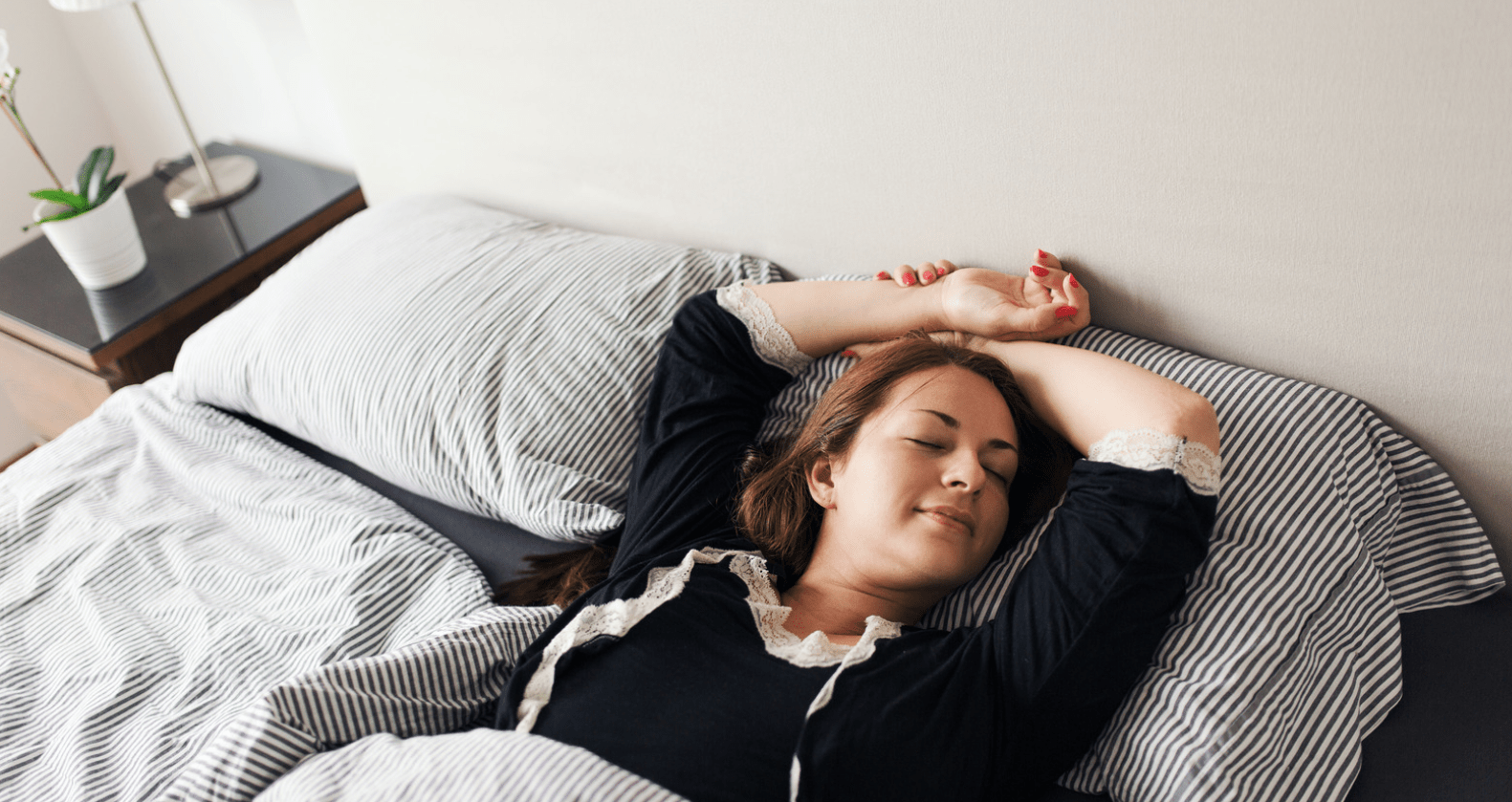
Favoured by only 10% of those with EDS and hypermobility in our little experiment, sleeping on the back seems to be the least popular position amongst those with EDS and hypermobility. To be honest, this doesn’t come as a surprise. Back sleeping is directly linked to making issues like sleep apnea worse, causing restrictions of air and causing multiple sleep disturbances. When we consider how many of those with hypermobility have sleep apnea, back sleeping doesn’t seem like a good idea.
Back sleeping also gets linked to sleep paralysis, and that one does have papers behind it. A survey of 6,730 people, 4,699 of them sleep paralysis experiencers, found episodes reported in the supine position more often than in all other positions put together, and lying on the back was three to four times more common during an episode than it was at ordinary sleep onset[66]. A community sample of 128 pointed the same way, though there the hallucinations were far more common than the paralysis itself, and just over half of the people who had them noticed posture making a difference[67]. In a large international sample, people with isolated sleep paralysis took longer to fall asleep, slept less and reported more insomnia symptoms, 76% described marked fear, and changing sleep position was one of the things they rated as more effective at preventing it[68]. Every one of those is self reported and observational, so what they establish is that the two things turn up together, not that one causes the other. The direction could still easily run the other way, with people who get sleep paralysis simply being more likely to sleep on their backs. I have left it in because I do love a weird fact, and it turns out to be a weird fact with a citation after all.
Sleeping on your back also locks your spine into one singular position, and as you will remember from earlier, bodies don’t like having their movement restricted.
It’s not all doom and gloom, though, as back sleeping can do one thing that a lot of other positions simply cannot: evenly distribute weight. Sleeping on your back allows your body weight to be evenly distributed across the widest surface of your body, minimizing pressure on body parts and keeping hypermobile joints in alignment. This position single handedly gives those with hypermobility the best joint positions during sleep, especially if many pillows around the body are used.
However, back sleeping may cause lower back pain and increase the risk of issues with acid reflux, so it’s another trade off for hypermobility. Looking at the above, it’s no wonder why it’s the least favoured position for those with hypermobility and EDS.
What keeps the nervous system switched on at night in hypermobility, EDS and fibromyalgia, and what actually shifts it. No list about screens and camomile tea.
Changing sleeping positions
Our second favourite sleeping position for those with EDS and hypermobility, at a whopping 20%, was changing sleeping positions depending on the pain at that time or during the night. This makes a lot of sense as to why it is so popular. After all, if your shoulder was fine last week when you were sleeping, but dislocated this week, then back sleeping is going to be better for the shoulder. But, we still hit the problems of different comorbidities that come with EDS and hypermobility. Issues like GERD and sleep apnea. Whilst a normal side sleeper may switch to back sleeping because of hip pain, issues like sleep apnea and Gerd have the potential to cause even more sleep disturbances. Often more than what the shoulder would have caused.
What can often occur for this subset of EDS and hypermobility sleepers is that they end up playing a night time game of “chase the pain”. They lay on their back for a little while until their back hurts or reflux kicks in. Then they turn over to their side to let their reflux settle down, and their back pain lessens, only for their shoulders to start hurting, forcing them into another position. Effectively, they spend the entire night trying to outrun various issues and pain.
Finding your sleep position when hypermobile
So, we looked at the sleeping positions that those with hypermobility often choose. What you have probably noticed by now is that with hypermobility and sleeping positions, it is the other issues that come with hypermobility that cause most of the problems with sleeping. A generic, do this or sleep in this exact way is not going to help you. You must determine which sleeping position is best for you and your joint, gastric, or breathing issues.
But don’t worry, you’re not alone in this. I have worked with and helped hundreds of people with hypermobility and EDS, tweaking and modifying sleeping positions so that they work for them and their issues. Each sleeping position has many modifications you can make so that it helps your main issues without causing multiple others. Now, this gets complicated, and text isn’t good for visual teaching, so let’s cover the next section via video.
Sleep set up for those with hypermobility
So, we covered sleeping positions, but did you know that the width of your hips and the firmness of your mattress are two key contenders in you wake up stiff and aching? This is why we need to cover your sleep setup. Your sleep setup is just as important as your sleeping position. Your sleep set up refers to the items that form part of your sleeping routine: sleeping masks, mattresses, pillows, etc.
Mattress
A good mattress is one of the best investments for sleep health, and you want one that is firm but not too hard, so that it supports your body well and fits your needs. However, more expensive doesn’t always mean better, so find one that suits you. That instinct is roughly where the trials land too. Reviews of the controlled work, 24 trials in one and 39 studies in the other, keep arriving at medium firm doing better than very soft or very firm on comfort, spinal alignment and back pain, with the authors noting that the studies define a mattress and measure sleep too differently to sit neatly together[69][70]. A small sleep lab study put 12 adults through three firmnesses and found sleep arrived faster on the medium firm mattress than on the soft one, along with more sleep spindle activity, while the firm mattress went one way for some people and the other way for others[71]. In 16 adults with chronic low back pain, five nights on a zonal support mattress, built to stop the spine curving sideways, brought pain down while lying and improved comfort, and did nothing at all for pain on getting up, stiffness on getting up, or sleep quality[72]. How much people moved in the night tracked their pain on getting up, and warmer skin went with less pain while lying, so movement and temperature may be doing as much of the work here as position is[72]. Two things follow. Medium firm is a sensible default rather than a marketing claim, and no trial has matched firmness to anybody’s body mass, body shape or sleeping position, so everything that follows is reasoning from hip and shoulder width rather than from a trial. Nobody has tested any of it in a hypermobile population.
If your hips are much larger than your waist and you are a side sleeper, a firm mattress will hike one side of your hip upwards, bending your spine to one side, likely causing a stiff back the next day or worse sleep disturbances. A softer mattress will allow your hips to sink into the bed, keeping your spine straighter and limiting the strain. Likewise, if you have fairly narrow hips and wider shoulders, then a soft mattress will exaggerate this, causing your already narrow hips to sink into the mattress, once again bending your spine. For soft mattresses, you can buy firm mattress toppers and vice versa.
Sleep masks
For many with hypermobility and EDS, sleep masks are often reported to be one of the best purchases for helping with sleep. A sleep mask has been widely reported to provide relaxing sensory input and lead to better sleep. The research on them is real, and it is almost entirely in hospitals. Pooled across intensive care wards, eye masks and earplugs improve how well people say they slept[73], though where actual sleep stages were measured rather than asked about, the main target of deep sleep was missed and the only gain left standing was fewer long awakenings, among those who kept the things on all night[74]. A pilot trial on hospital wards improved a one night sleep quality score and most people offered the kit used it, though it ran into enough trouble with eligibility and recruitment that the authors treat it as a feasibility question rather than an answer[75]. The one trial that tested them at home rather than on a ward is the most relevant thing here, and it ran in 210 women sleeping short in late pregnancy: a mask and earplugs added about 13 minutes of measured sleep a night over a sleep advice leaflet, and the sleep quality score improved too, with no difference in how labour or the babies went[76]. That is a small, real effect, in people who are not us, and nothing at all has tested them in a hypermobile population. I am fairly biased regarding sleep masks, having used one for around 2 years. As a light sleeper, I find that using a mask to block out light at night directly leads to a better night’s sleep. But, sleep masks are more of a personal preference, as for every person who swears by them, there is a score who doesn’t. Sleep masks are inexpensive these days, and they come in different fabrics and weights, so they’re easy enough to try. If sleep masks aren’t your thing, many people prefer blackout blinds.
Sex and sleep
It’s an old adage that men fall asleep after sex, and it has been looked at properly enough to be worth reporting rather than repeating. Surveys are clear about what people believe: sex ending in orgasm is widely reported to make sleep come faster and be better, with masturbation ending in orgasm rated much the same way[77][78]. Sex without orgasm gets rated either way, and by men in particular as making sleep worse[78]. Those are perceptions, which is a polite way of saying they are what people reckon.
The evolutionary argument runs that staying lying down after sex favours conception, and that the sleepiness which follows is the mechanism that keeps you there. It is a tidy story and it is not the reason to have sex. What is not in dispute is the ordinary version: sex releases a cascade of things that make you drowsy, and feelings of intimacy and safety are a reliable route into sleep for most people.
Two studies have gone further than asking. A fortnight of daily diaries, which lets each person act as their own comparison, found that only partnered sex ending in orgasm went with falling asleep faster and rating sleep better. Masturbation did not, and sex without orgasm did not[79]. Then a small pilot wired up 14 adults in cohabiting couples for actual sleep recordings, and partly backed that up: both partnered sex and solo masturbation went with better measured sleep efficiency and less time awake in the night, though people got into bed later afterwards, and what they said about their sleep didn’t differ[80]. So the diaries find a subjective effect from partnered orgasm and the machines find an objective effect from either. Both are small studies and neither settles it. What is not in dispute is that this runs both ways, because poor sleep flattens libido, and that feelings of intimacy and safety are a reliable route into sleep for most people. That is a good enough reason on its own.
Winding down on a night
It is important for us to wind down from busy days and to prepare the body for sleep. Your body’s circadian rhythm is what is responsible for sending signals to your brain that it’s time to sleep, so regulating it properly can work wonders. Try limiting your screen time before bed, establishing a relaxing nighttime routine, and getting proper movement throughout the day. A simple walk in the morning can help regulate your body’s circadian rhythm, too!
You have likely heard this one a million times, but putting it into practice takes serious effort. Numerous glasses block blue light, claiming to help you get to sleep quicker and for better sleep. The honest position is that it depends who you are, and the split is sharper than the marketing or the backlash suggests. In those who sleep normally the answer is close to no. Given blue light blocking glasses to wear in the evening, healthy adults reported falling asleep faster and waking less, while the movement monitors on their wrists showed no benefit and a drift towards slightly less sleep overall[81]. Pooling the crossover trials that used those monitors, there was no significant effect on how long sleep took to arrive, how long it lasted, how efficient it was, or time spent awake in the night[82]. In people who already have insomnia it looks better, though this has only been tested properly once and in a very small group: amber wraparound lenses for two hours before bed for a week improved an insomnia rating and increased total sleep time on both the questionnaire and the wrist monitor, without shifting how long sleep took to arrive[83]. And in delayed sleep phase, where the body clock is genuinely running late, two weeks of amber lenses advanced measured sleep onset by 132 minutes in an open trial, and moved melatonin timing 78 minutes earlier, which is a decent shift that did not reach statistical significance[84]. So: probably nothing if you sleep normally and are just on your phone too much, possibly something if your problem is insomnia or a late body clock. They are cheap and they cannot hurt you, which is a reasonable basis for trying something and a terrible basis for believing in it. I have tried these glasses and for sleep they did absolutely nothing, although they did lessen the premonitory urge that accompanies my Tourette syndrome, so at least I got something out of them.
Food and drink
Nothing will cause sleep disturbances as much as a full stomach while trying to sleep. The last thing your body needs while trying to wind down and fall asleep is to still be digesting food. This is the point to correct something, because we have said it ourselves for years. The evidence based review of reflux lifestyle measures looked at meal timing directly, and a later evening meal lowered stomach pH between midnight and 7am but did not change nocturnal acid exposure, the number of reflux episodes, or how long each episode lasted in people with reflux disease[59]. So the confident version of this advice is not supported. What the same review did support was raising the head of the bed and losing weight where relevant[59]. Not eating late still suits plenty of people, including me, and going to bed uncomfortably full is its own problem. Just know that it is comfort and habit doing the work rather than a measured effect on reflux. The same is true of water before bed, as instead of drinking large glasses, you could just sip it.
The right pillow
This tip feels more like common sense than a tip, but it’s still worth mentioning. Again, just like mattresses, the height and firmness of your pillow should be determined by your shoulder width and sleep position. If you are a side sleeper with large shoulders, then too small of a pillow will crick your neck, likewise, too large for narrow shoulders will also have the same effect. If you are more of a back sleeper, then your pillow height won’t need to be as thick as a side sleeper. But the overarching takeaway is that you need your spine straight to take unnecessary pressure off it. Worth knowing what the pillow trials actually deliver, because it is narrower than the packaging: pooled across 35 studies in chronic neck pain, rubber and spring pillows reduced neck pain, pain on waking and disability, and left sleep quality where it was[85]. Shape and height did more for spinal alignment than what the pillow was stuffed with, so rubber against feather on its own changed nothing reliable about side lying alignment[85]. The ergonomic work does back the position specific point, finding different ideal heights for lying on your back and lying on your side, although the new design was tested on six people rather than a cohort[86]. So a better pillow is a fair bet for waking up with less neck pain and a poor bet for sleeping more soundly.
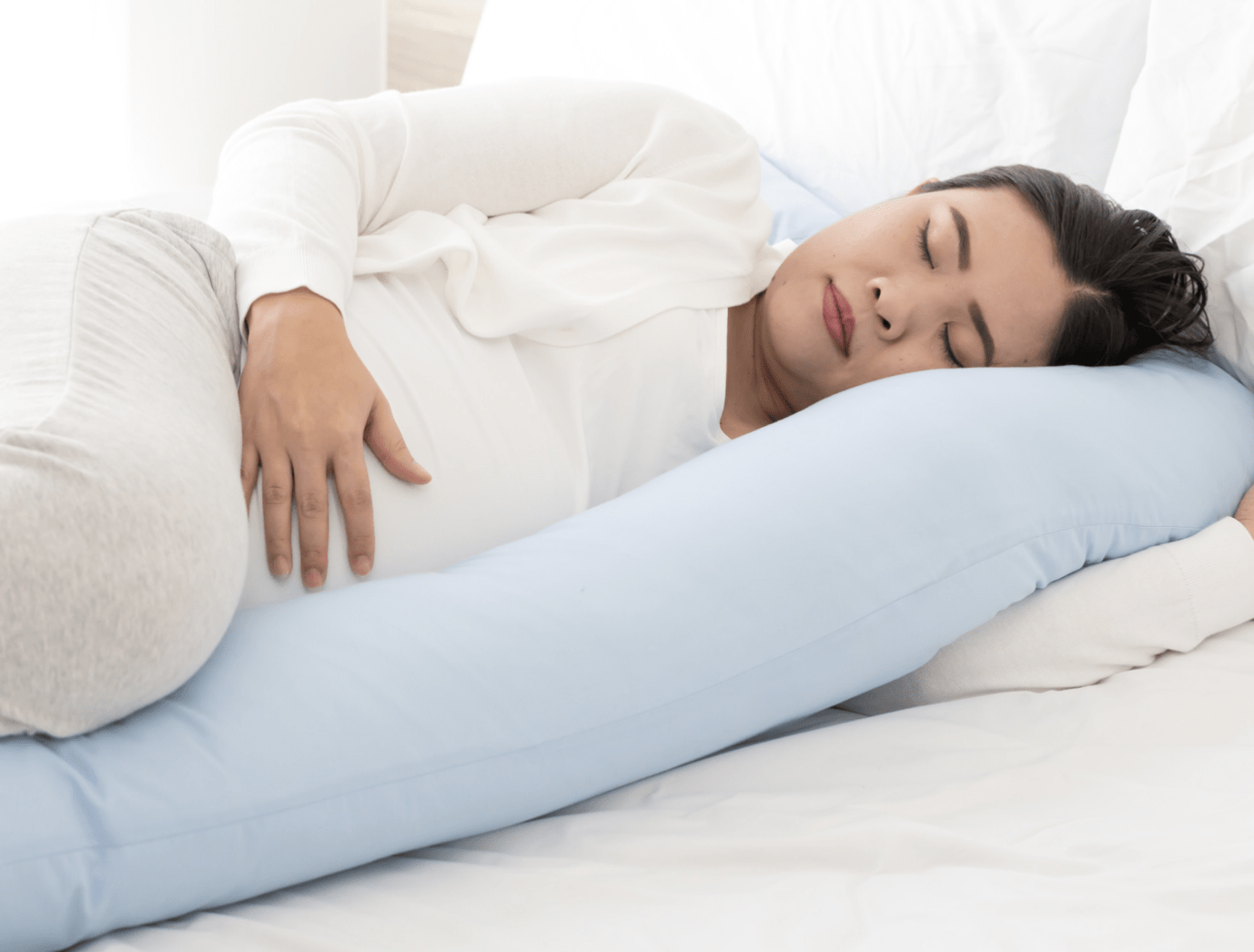
Additionally, many people with EDS/hypermobility disorders swear by finding a good body pillow or U shaped pillow that is commonly used by pregnant people. These types of pillows, when used correctly, can help reduce pressure on certain areas of the body, alleviate pain and allow your body to fully relax. A large U shaped pillow allows you to place the lower section of it between your knees, keeping your hips supported, but also, as it wraps around your body, it stops you from moving too much at night and pulling your joints out of position.
That mechanism has actually been measured, and it does what people say it does, but only that. Healthy young adults sleeping with a body pillow in a sleep lab had less pressure through the shoulder and hip and stayed settled on their side for longer, and beyond fewer brief interruptions of slow wave sleep, neither their sleep architecture overall nor their own rating of their sleep improved[87]. Read that as confirmation rather than disappointment, and If your problem is a shoulder that gives up at three in the morning and a habit of rolling into positions your joints object to, a body pillow addresses exactly that and should not be expected to make you sleep more deeply on top of it.
Anxiety about going to sleep
It’s fairly well established that a very high percentage of those with hypermobility and Ehlers Danlos syndrome struggle with anxiety. Pulling the psychological burden research across the EhlersDanlos syndromes together turns up exactly that pattern of raised anxiety and low mood running right through it[88], and the large clinic datasets list anxiety and low mood alongside the sleep problems rather than separately from them[12]. When you add a lack of sleep into the mix, the result can be genuinely miserable.
A lot of this anxiety can often be around getting to sleep. Many with hypermobility dreaded going to bed because they know they will be lying awake for many hours. I myself was in this same category for many years. I would find that as soon as I got into bed, my brain would wake up, and thoughts would fire away. I would lie trying to sleep and suddenly wonder what Jack Nicholson was in the last film. Then I would google it and find the answer, and a new thought would hit my mind. This in itself is incredibly frustrating. From working with hundreds of people with hypermobility over the years, I knew I was not alone!
One tip I will give you to help with this, and I want to be clear it is mine rather than the literature’s, is to use audio. I do not know whether listening to a podcast or an audiobook elicits the same feelings of safety I had when my mother read me bedtime stories as a kid. I do not know if it just bores my brain to sleep, but what I do know is that for myself and many others, audio helps us fall asleep.
I switched long ago from the narrative that when I go to bed, I must sleep. This narrative just causes more anxiety. What I do now when I go to bed is to go to bed knowing I am going to listen to my audiobook. By doing this, I take away the pressure that I must go to sleep. It also gives me something to focus my attention on instead of battling my thoughts.
I do the same thing every night. I set the sleep timer on audible for an hour, which means it will automatically stop playing. My sleep mask has two very thin Bluetooth speakers inside that go over my ears, so I don’t wear traditional headphones. This sleep setup works wonders for me, I always fall asleep within an hour.
Podcasts and stand-up comedy are other great audio to listen to. Now, this may not be for everyone, but if you haven’t tried it, I would recommend it. At worst, it doesn’t help, and at best, it helps you massively.
Since I am telling you what works for me, here is what the trials say, and they do not entirely agree with me. Music is the best studied version: a Cochrane review found moderate certainty evidence that listening to music improves sleep quality scores in adults with insomnia, while the certainty on insomnia severity itself was very low, and the outcomes that measured sleep rather than asking about it showed no clear improvement[89]. In adults without a sleep disorder it did not beat usual care overall, with a benefit appearing only in studies that ran three weeks or longer[90], which fits the trial where quiet music at bedtime improved older adults’ sleep scores cumulatively over three weeks rather than on night one[91]. Spoken audio, the thing I actually do, is the weakest evidenced of the lot. A randomised trial of an app’s bedtime stories and sleep sounds in working adults found they did no better than a digital control on sleep disturbance, daytime impairment or pre sleep arousal[92].
One thing genuinely worth knowing, because it is sold hard and the evidence points the other way. The review of noise as a sleep aid rated the evidence for continuous white or broadband noise as very low quality, with studies ranging from helpful to actively disruptive[93]. A seven night sleep lab study then found pink noise on its own reduced REM sleep, and pink noise added on top of intermittent environmental noise made sleep structure worse rather than better, while earplugs mitigated nearly all of the damage the noise was doing[94]. If your problem is a noisy street, the earplugs are the intervention and the noise machine may be a second problem. My hour of audiobook and a sleep timer is a different thing from eight hours of static, and the sleep timer is doing more work in that sentence than I gave it credit for.
What actually helps, and what the supplement aisle is selling you
Almost none of the treatment research below was actually done in hypermobility, and that is worth knowing before you read a word of it. It’s drawn from general insomnia, from chronic pain and from fibromyalgia, which are populations that share a great deal with ours without sharing the connective tissue. That doesn’t make it useless to you, it just means that anybody selling you an hEDS specific sleep protocol on the strength of it is getting well ahead of the evidence.
Start with the behaviour
When pain has been in the bed with you for years, a set of entirely sensible coping behaviours quietly turns itself into an insomnia generator. Reviews of sleep in chronic pain describe more or less the same pattern every time: less activity in the day, more time lying down, napping, and using the bedroom as the place you go to cope with being unwell rather than the place you go to sleep. Every one of those chips away at the sleep pressure you need in order to drop off, and between them they teach the bedroom to mean lying awake and uncomfortable rather than feeling sleepy[95]. Which is why cognitive behavioural therapy for insomnia, rather than a tablet, is what the reviews of sleep disturbance in chronic pain keep pointing to as the first thing to go at[95].
The numbers behind that are reasonably solid, by the standards of this field anyway. Pooling 14 randomised trials in chronic pain, cognitive behavioural therapy for insomnia improved sleep at the end of treatment, and the sleep gains were still there at follow ups out to 12 months, while the effect on the pain itself was smaller and a good deal less consistent[96]. A network analysis comparing it against therapy aimed at the pain and against hybrids of the two came out the same way round for sleep, and therapy aimed at the pain alone did not separate from control on a single outcome, though the authors were straight about the trials being small and at high risk of bias[97]. In musculoskeletal pain specifically, a dose response analysis found a large effect on insomnia, no significant pooled effect on pain intensity, and modelled the peak benefit at somewhere around 450 minutes of total treatment time, which works out at roughly eight sessions[98].
The individual trials read much the same. In fibromyalgia it improved self reported insomnia more than a waitlist and more than therapy aimed at the pain, and held that gain for longer, while pain and mood didn’t separate by group at all[99]. Six telephone sessions in older adults with osteoarthritis pain beat an education control by 3.5 points on insomnia severity at the end of treatment and by 3.0 points at twelve months, with more people in remission and fatigue improving, and pain improving early but not lasting[100]. It works down a wire too, which matters a great deal if getting to appointments is the problem in the first place, as an internet delivered course in chronic pain brought insomnia severity and the sleep diary measures down faster than applied relaxation, though the two groups had evened out by six months and the pain didn’t move[101], and a small telehealth study with no control group reported better insomnia severity, sleep efficiency and sleep latency in ten women[102].
There are caveats though, and they matter. It improves sleep reliably, and its effect on the pain itself is much smaller and sometimes not really there at all. It’s also work, delivered over weeks, which is a considerably harder sell than a capsule. And not one of those trials was run in hEDS, HSD or generalised hypermobility, as the reviews of conservative care in our population don’t contain a single sleep trial of any kind[103][104]. So it’s borrowed evidence, from people who share the pain and the insomnia but not the tissue, and on what has actually been measured so far, it’s still where we would put the effort first.
It’s also worth knowing what the objective research says about the shape of that sleep. Adults with chronic musculoskeletal pain had measurably less slow wave sleep on polysomnography than controls without pain, but the gap in how bad they said their sleep was, absolutely dwarfed the gap the machines could see. In that same study, the more somebody catastrophised about their pain, the less slow wave sleep they had[105]. That is a mechanism doing what mechanisms do, rather than a comment on anybody’s character, and mental arousal before sleep does appear to cost you the deepest and most restorative part of the night, which is at least something you can work on.
Melatonin
Melatonin has the broadest evidence base of anything in this aisle, and it’s still a good deal messier than the packaging suggests. Pulling together 57 separate evidence reviews, 80.9% of the pooled comparisons against a dummy pill came out in melatonin’s favour, which sounds tremendous until you read the next part, as only 8.8% of those reviews met all seven of the rigour criteria applied to them, and even what they counted as a sleep outcome varied enormously[106].
Where it looks strongest is circadian problems rather than general insomnia. Looking across the natural sleep supplements, a review found the evidence promising but uneven for melatonin, valerian, hops, magnesium, zinc, tryptophan, theanine, chamomile and tart cherry alike, with the standardisation, the dose and the timing all unsettled, and it flagged drug interactions and, rarely, serious harm[107]. Timing, for what it’s worth, tends to matter rather more than dose for a circadian effect.
In chronic pain specifically, keep your expectations fairly low. Pooling 23 trials in musculoskeletal pain, melatonin was no better than a dummy pill for pain overall, although sleep quality did improve. Against a dummy pill it was not superior for chronic musculoskeletal pain overall, sleep quality did improve in that group, and most of the effects sat below the point at which anybody would actually notice the difference[108]. So it’s reasonable for sleep, particularly if your body clock is the thing that has gone wrong, and it isn’t a painkiller.
Magnesium
Magnesium is the one that pretty much everybody in this community is already taking, and the evidence on it is genuinely conflicting rather than quietly positive. Across the common dietary supplements for sleep, the current picture is inconsistent results rather than any clear benefit[109].
The most useful single test of it gave 35 otherwise healthy poor sleepers melatonin and magnesium together, against a dummy pill in the same people, and several of the wrist monitor and diary measures did improve. The detail that gets left out though, is that average final scores on the Pittsburgh index still sat in the poor range, so people were measurably better and still sleeping badly. Nobody involved had hEDS or chronic pain, and because the magnesium came bundled up with the melatonin, it can’t tell you what the magnesium was doing on its own[110]. So that is about the ceiling on it, possibly a small nudge, and not a fix.
L-theanine and the herbal blends
Pooling 19 studies and 897 people shows small improvements in how long people said it took them to fall asleep, in how rough the following day felt, and in overall sleep quality. Every one of those is self reported though, the evidence on L-theanine on its own rather than bundled into a blend is thin, and dose and duration are both unresolved[111].
The blends are where it really falls apart. Over six weeks, a combined L-theanine, lemon balm, valerian and saffron product was tested in adults with impaired sleep against a dummy pill, and came out no better on either the measured or the self reported side[112]. Which is worth holding on to the next time a four ingredient sleep formula gets marketed at you on the strength of one ingredient’s research (which is nearly always how it’s done).
The short version
– Best return: the behavioural work. Get out of bed when you’re not sleeping, protect the sleep pressure, and treat the bedroom as somewhere you sleep rather than somewhere you cope[95].
– Worth investigating properly: apnoea, if you snore, wake unrefreshed or have been sleepy for years. Nearly a third of adults with EDS in the best study met the threshold[46], and if you’re already on CPAP and still exhausted, insomnia and the autonomic picture are the next places to look[49].
– Reasonable to try: melatonin, on the understanding that most of the pooled comparisons favour it and most of the reviews behind them were not rigorous[106][107]. Keep the expectations modest.
– Probably harmless, possibly useless: magnesium[109][110], L-theanine[111], sleep masks, blue light glasses.
– Not supported: multi ingredient herbal sleep blends[112], and the standard reflux diet sheet beyond raising the head of the bed and losing weight where that actually applies[59].
– Untested in hypermobility: every single one of them.
FAQ: Common Questions About EDS and Sleep
A number of interrelated factors contribute to the difficulty with sleep experienced by individuals with Ehlers-Danlos Syndrome (EDS). Finding a comfortable sleeping position becomes a challenge for those with chronic pain and discomfort caused by joint instability. Additionally, hypermobility increases the risk of painful dislocations while you sleep. Problems with the nervous system, including memory loss and chronic headaches, can make it even more difficult to fall or stay asleep. Many individuals with EDS also suffer from autonomic dysfunction, which can lead to sleep disorders like obstructive sleep apnoea, which disrupts breathing while you’re asleep. The quality of one’s sleep can also be affected by psychological factors, such as anxiety and depression. Finally, a vicious cycle of poor sleep followed by increased tiredness is created by the chronic fatigue that is associated with EDS. Medical management and individualised support are often necessary parts of a whole body strategy for dealing with these obstacles.
It is true that heat can worsen symptoms for people with Ehlers-Danlos Syndrome (EDS), especially for hypermobile EDS (hEDS). Hot weather can make people more sensitive to pain, which in turn can amplify symptoms like muscle fatigue and joint pain. Symptoms like vertigo and rapid heartbeat, brought on by dysautonomia, can become more severe in hot environments for people with hEDS. Heat also increases tiredness and skin reactions, making everyday tasks more difficult. Staying hydrated, avoiding strenuous activities in the heat, and using cooling methods to effectively regulate body temperature are recommended ways to manage these effects. Evidence from studies showing that hEDS symptoms are similar to those of disorders like fibromyalgia, which can also be made worse by heat, corroborate these findings
It is crucial to prioritise support, pressure relief, and adjustability when choosing a pillow for individuals with Ehlers-Danlos Syndrome (EDS) and hypermobility. If you sleep on your side, use a body pillow like the Pharmedoc U-Shape Pregnancy Pillow. If you suffer from joint pain, try a wedge pillow like the Kölbs Bed Wedge Pillow, and if you’re a memory foam pillow fan, try the Tempur Cloud Comfort Pillow. The Mediflow Water Pillow is one example of an adjustable water pillow. Cervical pillows aid in keeping the neck in a neutral position while you sleep. Feel free to try out various combinations of these pillows to find the perfect fit for your comfort and support needs. If you want expert advice, it’s best to consult a healthcare professional.
Although people with hypermobility or Ehlers-Danlos Syndrome (EDS) may not necessarily require more sleep, the necessity for restorative sleep is greatly amplified in cases of chronic pain. Daytime weariness and an increased perception of the need for sleep are consequences of pain’s disruption of sleep cycles, which prevents deep, restorative sleep and causes frequent awakenings. A vicious cycle is formed when pain and sleep deprivation feed into one another, as poor sleep further reduces pain tolerance and amplifies discomfort. Even though people get the recommended amount of sleep each night, they may still feel exhausted if they suffer from comorbid conditions such as autonomic dysfunction or obstructive sleep apnoea (OSA). Better pain management, treatment of underlying sleep disorders, and optimisation of sleep hygiene can all contribute to better sleep quality rather than more sleep overall.
Nobody has tested stretching as a sleep intervention in hypermobility, so there is no honest yes or no to give you. What we can say is that the reasoning usually offered for it does not hold up well. Poor sleep does lower pain thresholds, and it appears to do so partly through inflammatory signalling and weakened pain inhibition rather than through tight tissue. When sleep is deliberately broken in an experiment, the deep N3 stage drops, inflammatory signalling rises and the temperature at which heat starts to hurt falls, and that route accounts for around 35% of the effect. Nothing in that chain is a length problem. Our position on stretching in hypermobility is unchanged: it is not the work. If something before bed helps you sleep, gentle movement that gives your nervous system a clear signal about where your joints are is a better use of the time than pulling already lax tissue further.
It’s Time to Invest in Your Sleep
I truly believe all people should invest in three things: their health, their happiness, and their sleep.
Ideally, humans should spend about 1/3 of their day sleeping, and when that much of your day is filled with frustration, fatigue, and restlessness, things can feel hopeless. However, taking the time to work on your sleep will help improve your physical and mental health.
Living with EDS or Hypermobility Syndrome, getting your sleep schedule in order is especially important, as it gives your body the time it needs to rest and repair. It may take some trial and error to figure out what works best for you and your body, but once you start feeling rested, all the time and energy you spent trying to get a better night’s sleep will be worth it.
Adam
References
[1] Andersen, M.L., Araujo, P., Frange, C. and Tufik, S. (2018) ‘Sleep Disturbance and Pain’, Chest. https://doi.org/10.1016/j.chest.2018.07.019
[2] Staffe, A.T., Bech, M.W., Clemmensen, S.L.K., Nielsen, H.T., Larsen, D.B. and Petersen, K.K. (2019) ‘Total sleep deprivation increases pain sensitivity, impairs conditioned pain modulation and facilitates temporal summation of pain in healthy participants’, PLOS ONE. https://doi.org/10.1371/journal.pone.0225849
[3] Irwin, M.R., Olmstead, R., Bjurstrom, M.F., Finan, P.H. and Smith, M.T. (2022) ‘Sleep disruption and activation of cellular inflammation mediate heightened pain sensitivity: a randomized clinical trial’, Pain. https://doi.org/10.1097/j.pain.0000000000002811
Read More[4] Gerhart, J.I., Burns, J.W., Post, K.M., Smith, D.A., Porter, L.S., Burgess, H.J. et al. (2016) ‘Relationships Between Sleep Quality and Pain-Related Factors for People with Chronic Low Back Pain: Tests of Reciprocal and Time of Day Effects’, Annals of Behavioral Medicine. https://doi.org/10.1007/s12160-016-9860-2
[5] Stroemel-Scheder, C., Kundermann, B. and Lautenbacher, S. (2020) ‘The effects of recovery sleep on pain perception: A systematic review’, Neuroscience & Biobehavioral Reviews. https://doi.org/10.1016/j.neubiorev.2020.03.028
[6] Stroemel-Scheder, C. and Lautenbacher, S. (2023) ‘The Effects of Recovery Sleep on Experimental Pain’, The Journal of Pain. https://doi.org/10.1016/j.jpain.2022.10.009
[7] Pejovic, S., Basta, M., Vgontzas, A.N., Kritikou, I., Shaffer, M.L., Tsaoussoglou, M. et al. (2013) ‘Effects of recovery sleep after one work week of mild sleep restriction on interleukin-6 and cortisol secretion and daytime sleepiness and performance’, American Journal of Physiology-Endocrinology and Metabolism. https://doi.org/10.1152/ajpendo.00301.2013
[8] Simpson, N.S., Diolombi, M., Scott-Sutherland, J., Yang, H., Bhatt, V., Gautam, S. et al. (2016) ‘Repeating patterns of sleep restriction and recovery: Do we get used to it?’, Brain, Behavior, and Immunity. https://doi.org/10.1016/j.bbi.2016.06.001
[9] Cheng, J., Zhu, K., Wang, J., Huang, Q., Shen, J., Xiong, Y. et al. (2026) ‘Transcriptomic recovery and persistence patterns reveal the biological cost of sleep debt in healthy adult males’, SLEEP. https://doi.org/10.1093/sleep/zsag071
[10] Finan, P.H., Goodin, B.R. and Smith, M.T. (2013) ‘The Association of Sleep and Pain: An Update and a Path Forward’, The Journal of Pain. https://doi.org/10.1016/j.jpain.2013.08.007
[11] Wiklund, T., Gerdle, B., Linton, S.J., Dragioti, E. and Larsson, B. (2020) ‘Insomnia is a risk factor for spreading of chronic pain: A Swedish longitudinal population study (SwePain)’, European Journal of Pain. https://doi.org/10.1002/ejp.1582
[12] Darakjian, A.A., Bhutani, M., Fairweather, D., Kocsis, S.C., Fliess, J.J., Khatib, S. et al. (2024) ‘Similarities and differences in self-reported symptoms and comorbidities between hypermobile Ehlers-Danlos syndrome and hypermobility spectrum disorders’, Rheumatology Advances in Practice. https://doi.org/10.1093/rap/rkae134
[13] Sun, Y., Laksono, I., Selvanathan, J., Saripella, A., Nagappa, M., Pham, C. et al. (2021) ‘Prevalence of sleep disturbances in patients with chronic non-cancer pain: A systematic review and meta-analysis’, Sleep Medicine Reviews. https://doi.org/10.1016/j.smrv.2021.101467
[14] Morin, C.M. and Jarrin, D.C. (2022) ‘Epidemiology of Insomnia’, Sleep Medicine Clinics. https://doi.org/10.1016/j.jsmc.2022.03.003
[15] Crews-Stowe, C., Tudini, F., Jung, M.K., Forman, J., Riley, B., Eton, S. et al. (2025) ‘Sleep Characteristics in Individuals with Ehlers-Danlos Syndrome’, Medical Sciences. https://doi.org/10.3390/medsci13030085
[16] Tudini, F., Crews-Stowe, C. and Levine, D. (2026) ‘Pain, Sleep Latency, and Mental and Physical Health in Individuals with Self-Reported Hypermobile Ehlers-Danlos Syndrome’, Healthcare. https://doi.org/10.3390/healthcare14111573
[17] Coussens, M., De Wandele, I., Pacey, V., Malfait, F., De Craemer, M., Demeyer, H. et al. (2022) ‘Physical activity and sleep in patients with hypermobile Ehlers-Danlos syndrome and patients with generalized hypermobility spectrum disorder’, Edorium Journal of Disability and Rehabilitation. https://doi.org/10.5348/100049d05mc2020ra
[18] Antila, H., Lilius, T.O., Palada, V., Lohela, T., Bell, R.F., Porkka-Heiskanen, T. et al. (2024) ‘Effects of commonly used analgesics on sleep architecture: a topical review’, Pain. https://doi.org/10.1097/j.pain.0000000000003201
[19] Christensen, J., Yamakawa, G.R., Shultz, S.R. and Mychasiuk, R. (2021) ‘Is the glymphatic system the missing link between sleep impairments and neurological disorders? Examining the implications and uncertainties’, Progress in Neurobiology. https://doi.org/10.1016/j.pneurobio.2020.101917
[20] Besedovsky, L., Lange, T. and Haack, M. (2019) ‘The Sleep-Immune Crosstalk in Health and Disease’, Physiological Reviews. https://doi.org/10.1152/physrev.00010.2018
[21] Müller, K., Thiel, J.C., Schopen, L., Fimm, B., Schulz, J.B. and Maier, A. (2026) ‘Impaired attention and cognitive deficits associated with pain and autonomic symptoms in hypermobile Ehlers-Danlos syndrome: a pilot study’, Clinical Autonomic Research. https://doi.org/10.1007/s10286-026-01191-7
[22] Sousa, A., Jung, M., Allera, A. and Riley, B. (2025) ‘Neuropsychological Function and the Relationship Between Subjective Cognition, Objective Cognition, and Symptoms in Hypermobile Ehlers-Danlos Syndrome’, Brain and Behavior. https://doi.org/10.1002/brb3.70603
[23] Ma, Y., Liang, L., Zheng, F., Shi, L., Zhong, B. and Xie, W. (2020) ‘Association Between Sleep Duration and Cognitive Decline’, JAMA Network Open. https://doi.org/10.1001/jamanetworkopen.2020.13573
[24] Ohayon, M.M., O’Hara, R. and Vitiello, M.V. (2012) ‘Epidemiology of restless legs syndrome: A synthesis of the literature’, Sleep Medicine Reviews. https://doi.org/10.1016/j.smrv.2011.05.002
[25] Broström, A., Alimoradi, Z., Lind, J., Ulander, M., Lundin, F. and Pakpour, A. (2023) ‘Worldwide estimation of restless legs syndrome: a systematic review and meta-analysis of prevalence in the general adult population’, Journal of Sleep Research. https://doi.org/10.1111/jsr.13783
[26] Padhan, P., Maikap, D. and Pathak, M. (2023) ‘Restless leg syndrome in rheumatic conditions: Its prevalence and risk factors, a meta-analysis’, International Journal of Rheumatic Diseases. https://doi.org/10.1111/1756-185x.14710
[27] Dodson, C., Bagai, K., Weinstock, L.B., Thompson, E., Okamoto, L.E., Peltier, A. et al. (2021) ‘Restless legs syndrome is increased in postural orthostatic tachycardia syndrome’, Journal of Clinical Sleep Medicine. https://doi.org/10.5664/jcsm.9020
[28] Khanijow, V., Prakash, P., Emsellem, H.A., Borum, M.L. and Doman, D.B. (2015) ‘Sleep Dysfunction and Gastrointestinal Diseases’, Gastroenterology & Hepatology. https://pmc.ncbi.nlm.nih.gov/articles/PMC4849511/ NO DOI, PMID 27134599
[29] Butt, M.F., Dervin, H., Hoshino, S., Yazaki, E., Gérard, P., Sweis, R. et al. (2026) ‘Esophageal Dysmotility and Gastroesophageal Reflux Disease Risk in Hypermobile Ehlers-Danlos Syndrome’, Clinical Gastroenterology and Hepatology. https://doi.org/10.1016/j.cgh.2026.04.019
[30] Koloski, N.A., Jones, M., Walker, M.M., Keely, S., Holtmann, G. and Talley, N.J. (2021) ‘Sleep disturbances in the irritable bowel syndrome and functional dyspepsia are independent of psychological distress: a population-based study of 1322 Australians’, Alimentary Pharmacology & Therapeutics. https://doi.org/10.1111/apt.16500
[31] Topan, R., Vork, L., Fitzke, H., Pandya, S., Keszthelyi, D., Cornelis, J. et al. (2023) ‘Poor Subjective Sleep Quality Predicts Symptoms in Irritable Bowel Syndrome Using the Experience Sampling Method’, American Journal of Gastroenterology. https://doi.org/10.14309/ajg.0000000000002510
[32] Karl, J.P., Whitney, C.C., Wilson, M.A., Fagnant, H.S., Radcliffe, P.N., Chakraborty, N. et al. (2023) ‘Severe, short-term sleep restriction reduces gut microbiota community richness but does not alter intestinal permeability in healthy young men’, Scientific Reports. https://doi.org/10.1038/s41598-023-27463-0
[33] Supasitdikul, T., Mazariegos, J.R.R., Nhat, N.N., Tung, Y., Yang, D., Lee, L. et al. (2025) ‘Sleep Deprivation Alters Gut Microbiome Diversity and Taxonomy: A Systematic Review and Meta-Analysis of Human and Rodent Studies’, Journal of Sleep Research. https://doi.org/10.1111/jsr.70125
[34] Zha, L.F., Dong, J.T., Wang, J.L., Chen, Q.W., Wu, J.F., Zhou, Y.C. et al. (2021) ‘Effects of Insomnia on Peptic Ulcer Disease Using Mendelian Randomization’, Oxidative Medicine and Cellular Longevity. https://doi.org/10.1155/2021/2216314
[35] Choudhary, A., Fikree, A., Ruffle, J.K., Takahashi, K., Palsson, O.S., Aziz, I. et al. (2024) ‘A machine learning approach to stratify patients with hypermobile Ehlers-Danlos syndrome/hypermobility spectrum disorders according to disorders of gut brain interaction, comorbidities and quality of life’, Neurogastroenterology & Motility. https://doi.org/10.1111/nmo.14957
[36] Aziz, Q., Harris, L.A., Goodman, B.P., Simrén, M. and Shin, A. (2025) ‘AGA Clinical Practice Update on GI Manifestations and Autonomic or Immune Dysfunction in Hypermobile Ehlers-Danlos Syndrome: Expert Review’, Clinical Gastroenterology and Hepatology. https://doi.org/10.1016/j.cgh.2025.02.015
[37] Sweerts, K.W.E., Vork, L., Mujagic, Z., Conchillo, J.M. and Keszthelyi, D. (2025) ‘Comprehensive Motility Analysis in Patients with Hypermobility Spectrum Disorders and Gastrointestinal Symptoms: An Exploratory Tertiary Care Study’, Digestive Diseases and Sciences. https://doi.org/10.1007/s10620-025-09206-5
[38] Thwaites, P.A., Gibson, P.R. and Burgell, R.E. (2022) ‘Hypermobile Ehlers-Danlos syndrome and disorders of the gastrointestinal tract: What the gastroenterologist needs to know’, Journal of Gastroenterology and Hepatology. https://doi.org/10.1111/jgh.15927
[39] Alsakarneh, S., Al Ta’ani, O., Madi, M.Y., Syn, W., Ruffle, J.K., Aziz, Q. et al. (2025) ‘Comprehensive Risk Profile of Gastrointestinal and Extra Articular Comorbidities in Ehlers-Danlos Syndrome: A Propensity-Matched Analysis of 118,256 Individuals’, Alimentary Pharmacology & Therapeutics. https://doi.org/10.1111/apt.70506
[40] Lindam, A., Ness-Jensen, E., Jansson, C., Nordenstedt, H., Åkerstedt, T., Hveem, K. et al. (2016) ‘Gastroesophageal Reflux and Sleep Disturbances: A Bidirectional Association in a Population-Based Cohort Study, The HUNT Study’, Sleep. https://doi.org/10.5665/sleep.5976
[41] Tan, X., Wang, S., Wu, F. and Zhu, J. (2024) ‘Bidirectional correlation between gastroesophageal reflux disease and sleep problems: a systematic review and meta-analysis’, PeerJ. https://doi.org/10.7717/peerj.17202
[42] Huiberts, L.M. and Smolders, K.C.H.J. (2021) ‘Effects of vitamin D on mood and sleep in the healthy population: Interpretations from the serotonergic pathway’, Sleep Medicine Reviews. https://doi.org/10.1016/j.smrv.2020.101379
[43] Abboud, M. (2022) ‘Vitamin D Supplementation and Sleep: A Systematic Review and Meta-Analysis of Intervention Studies’, Nutrients. https://doi.org/10.3390/nu14051076
[44] Mirzaei-Azandaryani, Z., Abdolalipour, S. and Mirghafourvand, M. (2022) ‘The effect of vitamin D on sleep quality: A systematic review and meta-analysis’, Nutrition and Health. https://doi.org/10.1177/02601060221082367
[45] Romano, F., Muscogiuri, G., Di Benedetto, E., Zhukouskaya, V.V., Barrea, L., Savastano, S. et al. (2020) ‘Vitamin D and Sleep Regulation: Is there a Role for Vitamin D?’, Current Pharmaceutical Design. https://doi.org/10.2174/1381612826666200310145935
[46] Gaisl, T., Giunta, C., Bratton, D.J., Sutherland, K., Schlatzer, C., Sievi, N. et al. (2017) ‘Obstructive sleep apnoea and quality of life in Ehlers-Danlos syndrome: a parallel cohort study’, Thorax. https://doi.org/10.1136/thoraxjnl-2016-209560
[47] Stöberl, A.S., Gaisl, T., Giunta, C., Sievi, N.A., Singer, F., Möller, A. et al. (2018) ‘Obstructive Sleep Apnoea in Children and Adolescents with Ehlers-Danlos Syndrome’, Respiration. https://doi.org/10.1159/000494328
[48] Metlaine, A., Leger, D., Sauvet, F., Gomez-Merino, D., Chennaoui, M. and Hamonet, C. (2020) ‘1042 Sleep Characteristics In Ehlers Danlos Patients With Hypermobile Type: A Polysomnographic Study’, Sleep. https://doi.org/10.1093/sleep/zsaa056.1038
[49] Zhang, K.L., Wallon, R., Laukaitis, C.M. and Davies, C. (2026) ‘Obstructive sleep apnea and CPAP efficacy in patients with Hypermobile Ehlers-Danlos syndrome and hypermobility spectrum disorder: a case-control study’, Sleep and Breathing. https://doi.org/10.1007/s11325-026-03763-3
[50] Collins Hutchinson, M.L., Liang, E., Fuster, E. and Blitshteyn, S. (2025) ‘Autonomic symptom burden, comorbidities and quality of life in women with Hypermobility Spectrum Disorders and hypermobile Ehlers-Danlos syndrome’, Autonomic Neuroscience. https://doi.org/10.1016/j.autneu.2025.103356
[51] Novak, P., Systrom, D.M., Marciano, S.P., Witte, A., Warren, A., Felsenstein, D. et al. (2025) ‘Hypermobile Ehlers-Danlos Syndrome: Cerebrovascular, Autonomic and Neuropathic Features’, American Journal of Medicine Open. https://doi.org/10.1016/j.ajmo.2025.100111
[52] Mathias, C.J., Owens, A., Iodice, V. and Hakim, A. (2021) ‘Dysautonomia in the Ehlers-Danlos syndromes and hypermobility spectrum disorders, with a focus on the postural tachycardia syndrome’, American Journal of Medical Genetics Part C: Seminars in Medical Genetics. https://doi.org/10.1002/ajmg.c.31951
[53] Westerman, M., Kafkas, A., Parry-Jones, A., Strong, S., Retzler, C. and Hallam, G. (2025) ‘Neurobiological and neuropsychological disturbance in EDS’, Frontiers in Neurology. https://doi.org/10.3389/fneur.2025.1648702
[54] Cai, H., Wang, S., Zou, R., Wang, Y. and Wang, C. (2020) ‘Circadian rhythms of blood pressure and rate pressure product in children with postural tachycardia syndrome’, Autonomic Neuroscience. https://doi.org/10.1016/j.autneu.2020.102715
[55] Dengler, N.F., Pedro, M.T., Kretschmer, T., Heinen, C., Rosahl, S.K. and Antoniadis, G. (2022) ‘Neurogenic thoracic outlet syndrome’, Deutsches Ärzteblatt international. https://doi.org/10.3238/arztebl.m2022.0296
[56] Balderman, J., Abuirqeba, A.A., Eichaker, L., Pate, C., Earley, J.A., Bottros, M.M. et al. (2019) ‘Physical therapy management, surgical treatment, and patient-reported outcomes measures in a prospective observational cohort of patients with neurogenic thoracic outlet syndrome’, Journal of Vascular Surgery. https://doi.org/10.1016/j.jvs.2018.12.027
[57] O’Sullivan, J., Rushton, C., Bateman, M., Miller, C., Stapleton, C. and Hill, J. (2026) ‘Physical assessment and rehabilitation for neurogenic thoracic outlet syndrome (NTOS): A scoping review’, Hand Therapy. https://doi.org/10.1177/17589983251411877
[58] Higo, A., Palmer, S., Liaghat, B., Tallis, J., Silvester, L. and Pearce, G. (2024) ‘The Effectiveness of Conservative Interventions on Pain, Function, and Quality of Life in Adults with Hypermobile Ehlers-Danlos Syndrome/Hypermobility Spectrum Disorders and Shoulder Symptoms: A Systematic Review’, Archives of Rehabilitation Research and Clinical Translation. https://doi.org/10.1016/j.arrct.2024.100360
[59] Kaltenbach, T., Crockett, S. and Gerson, L.B. (2006) ‘Are Lifestyle Measures Effective in Patients With Gastroesophageal Reflux Disease?’, Archives of Internal Medicine. https://doi.org/10.1001/archinte.166.9.965
[60] Lee, H., Xie, L., Yu, M., Kang, H., Feng, T., Deane, R. et al. (2015) ‘The Effect of Body Posture on Brain Glymphatic Transport’, Journal of Neuroscience. https://doi.org/10.1523/jneurosci.1625-15.2015
[61] Kim, W.Y., Hong, S.N., Yang, S.K., Nam, K.J., Lim, K.H., Hwang, S.J. et al. (2019) ‘The effect of body position on airway patency in obstructive sleep apnea: CT imaging analysis’, Sleep and Breathing. https://doi.org/10.1007/s11325-019-01863-x
[62] Ravesloot, M.J.L., White, D., Heinzer, R., Oksenberg, A. and Pépin, J.L. (2017) ‘Efficacy of the New Generation of Devices for Positional Therapy for Patients With Positional Obstructive Sleep Apnea: A Systematic Review of the Literature and Meta-Analysis’, Journal of Clinical Sleep Medicine. https://doi.org/10.5664/jcsm.6622
[63] Gao, Y., Zhu, S., Li, W. and Lai, Y. (2025) ‘Comparative efficacy of sleep positional therapy, oral appliance therapy, and CPAP in obstructive sleep apnea: a meta-analysis of mean changes in key outcomes’, Frontiers in Medicine. https://doi.org/10.3389/fmed.2025.1517274
[64] Wilson, M.R., Carroll, R., Kinder, S., Ryan, A., Hukins, C.A., Duce, B. et al. (2025) ‘Prospective crossover trial of positional and CPAP therapy for the treatment of mild-to-moderate positional obstructive sleep apnea’, Journal of Clinical Sleep Medicine. https://doi.org/10.5664/jcsm.11378
[65] Sedky, K., Gaisl, T. and Bennett, D.S. (2019) ‘Prevalence of Obstructive Sleep Apnea in Joint Hypermobility Syndrome: A Systematic Review and Meta-Analysis’, Journal of Clinical Sleep Medicine. https://doi.org/10.5664/jcsm.7636
[66] Cheyne, J.A. (2002) ‘Situational factors affecting sleep paralysis and associated hallucinations: position and timing effects’, Journal of Sleep Research. https://doi.org/10.1046/j.1365-2869.2002.00297.x
[67] Dahmen, N., Kasten, M., Müller, M.J. and Mittag, K. (2002) ‘Frequency and dependence on body posture of hallucinations and sleep paralysis in a community sample’, Journal of Sleep Research. https://doi.org/10.1046/j.1365-2869.2002.00296.x
[68] Rauf, B., Sharpless, B.A., Denis, D., Perach, R., Madrid-Valero, J.J., French, C.C. et al. (2023) ‘Isolated sleep paralysis: Clinical features, perception of aetiology, prevention and disruption strategies in a large international sample’, Sleep Medicine. https://doi.org/10.1016/j.sleep.2023.02.023
[69] Radwan, A., Fess, P., James, D., Murphy, J., Myers, J., Rooney, M. et al. (2015) ‘Effect of different mattress designs on promoting sleep quality, pain reduction, and spinal alignment in adults with or without back pain; systematic review of controlled trials’, Sleep Health. https://doi.org/10.1016/j.sleh.2015.08.001
[70] Caggiari, G., Talesa, G.R., Toro, G., Jannelli, E., Monteleone, G. and Puddu, L. (2021) ‘What type of mattress should be chosen to avoid back pain and improve sleep quality? Review of the literature’, Journal of Orthopaedics and Traumatology. https://doi.org/10.1186/s10195-021-00616-5
[71] Hu, X., Gao, Y., Song, Y., Yang, X., Liu, K., Luo, B. et al. (2025) ‘The Effect of Mattress Firmness on Sleep Architecture and PSG Characteristics’, Nature and Science of Sleep. https://doi.org/10.2147/nss.s503222
[72] Bolton, R., Hulshof, H., Daanen, H.A.M. and van Dieën, J.H. (2022) ‘Effects of mattress support on sleeping position and low-back pain’, Sleep Science and Practice. https://doi.org/10.1186/s41606-022-00073-x
[73] Fang, C., Wang, H., Wang, R., Chou, F., Chang, S. and Fang, C. (2021) ‘Effect of earplugs and eye masks on the sleep quality of intensive care unit patients: A systematic review and meta-analysis’, Journal of Advanced Nursing. https://doi.org/10.1111/jan.14914
[74] Demoule, A., Carreira, S., Lavault, S., Pallanca, O., Morawiec, E., Mayaux, J. et al. (2017) ‘Impact of earplugs and eye mask on sleep in critically ill patients: a prospective randomized study’, Critical Care. https://doi.org/10.1186/s13054-017-1865-0
[75] Sweity, S., Finlay, A., Lees, C., Monk, A., Sherpa, T. and Wade, D. (2018) ‘SleepSure: a pilot randomized-controlled trial to assess the effects of eye masks and earplugs on the quality of sleep for patients in hospital’, Clinical Rehabilitation. https://doi.org/10.1177/0269215518806041
[76] Gan, F., Sooriappragasarao, M., Sulaiman, S., Razali, N., Hong, J.G.S. and Tan, P.C. (2023) ‘Eye-mask and earplugs compared with sleep advice leaflet to improve night sleep duration in pregnancy: a randomized controlled trial’, SLEEP. https://doi.org/10.1093/sleep/zsad196
[77] Lastella, M., O’Mullan, C., Paterson, J.L. and Reynolds, A.C. (2019) ‘Sex and Sleep: Perceptions of Sex as a Sleep Promoting Behavior in the General Adult Population’, Frontiers in Public Health. https://doi.org/10.3389/fpubh.2019.00033
[78] Pallesen, S., Waage, S., Thun, E., Andreassen, C.S. and Bjorvatn, B. (2019) ‘A national survey on how sexual activity is perceived to be associated with sleep’, Sleep and Biological Rhythms. https://doi.org/10.1007/s41105-019-00246-9
[79] Oesterling, C.F., Borg, C., Juhola, E. and Lancel, M. (2023) ‘The influence of sexual activity on sleep: A diary study’, Journal of Sleep Research. https://doi.org/10.1111/jsr.13814
[80] Lastella, M., Miller, D.J., Montero, A., Sprajcer, M., Ferguson, S.A., Browne, M. et al. (2025) ‘Sleep on it: A pilot study exploring the impact of sexual activity on sleep outcomes in cohabiting couples’, Sleep Health. https://doi.org/10.1016/j.sleh.2024.11.004
[81] Bigalke, J.A., Greenlund, I.M., Nicevski, J.R. and Carter, J.R. (2021) ‘Effect of evening blue light blocking glasses on subjective and objective sleep in healthy adults: A randomized control trial’, Sleep Health. https://doi.org/10.1016/j.sleh.2021.02.004
[82] Luna-Rangel, F.A., Gonzalez-Bedolla, B., Salazar-Ortega, M.J., Torres-Mancilla, X.M. and Martinez-Cadena, S. (2025) ‘Efficacy of blue-light blocking glasses on actigraphic sleep outcomes: a systematic review and meta-analysis of randomized controlled crossover trials’, Frontiers in Neurology. https://doi.org/10.3389/fneur.2025.1699303
[83] Shechter, A., Kim, E.W., St-Onge, M.P. and Westwood, A.J. (2018) ‘Blocking nocturnal blue light for insomnia: A randomized controlled trial’, Journal of Psychiatric Research. https://doi.org/10.1016/j.jpsychires.2017.10.015
[84] Esaki, Y., Kitajima, T., Ito, Y., Koike, S., Nakao, Y., Tsuchiya, A. et al. (2016) ‘Wearing blue light-blocking glasses in the evening advances circadian rhythms in the patients with delayed sleep phase disorder: An open-label trial’, Chronobiology International. https://doi.org/10.1080/07420528.2016.1194289
[85] Pang, J.C.Y., Tsang, S.M.H. and Fu, A.C.L. (2021) ‘The effects of pillow designs on neck pain, waking symptoms, neck disability, sleep quality and spinal alignment in adults: A systematic review and meta-analysis’, Clinical Biomechanics. https://doi.org/10.1016/j.clinbiomech.2021.105353
[86] Cai, D. and Chen, H.L. (2016) ‘Ergonomic approach for pillow concept design’, Applied Ergonomics. https://doi.org/10.1016/j.apergo.2015.07.004
[87] Park, I., Suzuki, C., Suzuki, Y., Kawana, F., Yajima, K., Fukusumi, S. et al. (2021) ‘Effects of Body Pillow Use on Sleeping Posture and Sleep Architecture in Healthy Young Adults’, Sleep Medicine Research. https://doi.org/10.17241/smr.2021.00878
[88] Kennedy, M., Loomba, K., Ghani, H. and Riley, B. (2022) ‘The psychological burden associated with Ehlers-Danlos syndromes: a systematic review’, Journal of Osteopathic Medicine. https://doi.org/10.1515/jom-2021-0267
[89] Jespersen, K.V., Pando-Naude, V., Koenig, J., Jennum, P. and Vuust, P. (2022) ‘Listening to music for insomnia in adults’, Cochrane Database of Systematic Reviews. https://doi.org/10.1002/14651858.cd010459.pub3
[90] Tang, Y.W., Teoh, S.L., Yeo, J.H.H., Ngim, C.F., Lai, N.M., Durrant, S.J. et al. (2021) ‘Music-based Intervention for Improving Sleep Quality of Adults without Sleep Disorder: A Systematic Review and Meta-analysis’, Behavioral Sleep Medicine. https://doi.org/10.1080/15402002.2021.1915787
[91] Lai, H. and Good, M. (2005) ‘Music improves sleep quality in older adults’, Journal of Advanced Nursing. https://doi.org/10.1111/j.1365-2648.2004.03281.x
[92] Vazzaz, J., Matcham, F., Economides, M., Bolton, H. and Cavanagh, K. (2026) ‘USleep: efficacy of app-based audio interventions to improve sleep disturbance in working adults, a multi-arm randomized controlled trial’, SLEEP. https://doi.org/10.1093/sleep/zsag154
[93] Riedy, S.M., Smith, M.G., Rocha, S. and Basner, M. (2021) ‘Noise as a sleep aid: A systematic review’, Sleep Medicine Reviews. https://doi.org/10.1016/j.smrv.2020.101385
[94] Basner, M., Smith, M.G., Cordoza, M., Kayser, M.S., Carlin, M., Ecker, A.J. et al. (2026) ‘Efficacy of pink noise and earplugs for mitigating the effects of intermittent environmental noise exposure on sleep’, SLEEP. https://doi.org/10.1093/sleep/zsag001
[95] Selvanathan, J., Tang, N.K.Y., Peng, P.W.H. and Chung, F. (2021) ‘Sleep and pain: relationship, mechanisms, and managing sleep disturbance in the chronic pain population’, International Anesthesiology Clinics. https://doi.org/10.1097/aia.0000000000000346
[96] Selvanathan, J., Pham, C., Nagappa, M., Peng, P.W.H., Englesakis, M., Espie, C.A. et al. (2021) ‘Cognitive behavioral therapy for insomnia in patients with chronic pain, a systematic review and meta-analysis of randomized controlled trials’, Sleep Medicine Reviews. https://doi.org/10.1016/j.smrv.2021.101460
[97] Enomoto, K., Adachi, T., Fujino, H., Kugo, M., Tatsumi, S. and Sasaki, J. (2022) ‘Comparison of the effectiveness of cognitive behavioral therapy for insomnia, cognitive behavioral therapy for pain, and hybrid cognitive behavioral therapy for insomnia and pain in individuals with comorbid insomnia and chronic pain: A systematic review and network meta-analysis’, Sleep Medicine Reviews. https://doi.org/10.1016/j.smrv.2022.101693
[98] Salazar-Méndez, J., Viscay-Sanhueza, N., Pinto-Vera, C., Oyarce-Contreras, F., Parra-Vera, M.F., Suso-Martí, L. et al. (2024) ‘Cognitive behavioral therapy for insomnia in people with chronic musculoskeletal pain. A systematic review and dose-response meta-analysis’, Sleep Medicine. https://doi.org/10.1016/j.sleep.2024.07.031
[99] McCrae, C.S., Williams, J., Roditi, D., Anderson, R., Mundt, J.M., Miller, M.B. et al. (2018) ‘Cognitive behavioral treatments for insomnia and pain in adults with comorbid chronic insomnia and fibromyalgia: clinical outcomes from the SPIN randomized controlled trial’, Sleep. https://doi.org/10.1093/sleep/zsy234
[100] McCurry, S.M., Zhu, W., Von Korff, M., Wellman, R., Morin, C.M., Thakral, M. et al. (2021) ‘Effect of Telephone Cognitive Behavioral Therapy for Insomnia in Older Adults With Osteoarthritis Pain’, JAMA Internal Medicine. https://doi.org/10.1001/jamainternmed.2020.9049
[101] Wiklund, T., Molander, P., Lindner, P., Andersson, G., Gerdle, B. and Dragioti, E. (2022) ‘Internet-Delivered Cognitive Behavioral Therapy for Insomnia Comorbid With Chronic Pain: Randomized Controlled Trial’, Journal of Medical Internet Research. https://doi.org/10.2196/29258
[102] Zambelli, Z., Halstead, E.J., Fidalgo, A.R., Mangar, S. and Dimitriou, D. (2024) ‘Telehealth delivery of adapted CBT-I for insomnia in chronic pain patients: a single arm feasibility study’, Frontiers in Psychology. https://doi.org/10.3389/fpsyg.2023.1266368
[103] Whalen, K.C. and Crone, W. (2022) ‘Multidisciplinary Approach to Treating Chronic Pain in Patients with Ehlers-Danlos Syndrome: Critically Appraised Topic’, Journal of Pain Research. https://doi.org/10.2147/jpr.s377790
[104] Palmer, S., Davey, I., Oliver, L., Preece, A., Sowerby, L. and House, S. (2020) ‘The effectiveness of conservative interventions for the management of syndromic hypermobility: a systematic literature review’, Clinical Rheumatology. https://doi.org/10.1007/s10067-020-05284-0
[105] Abeler, K., Friborg, O., Engstrøm, M., Sand, T. and Bergvik, S. (2020) ‘Sleep Characteristics in Adults With and Without Chronic Musculoskeletal Pain’, The Clinical Journal of Pain. https://doi.org/10.1097/ajp.0000000000000854
[106] Iyer, S., Monk, V., Slater, R. and Baxter, L. (2025) ‘Exogenous Melatonin and Sleep Quality: A Scoping Review of Systematic Reviews’, The Journal of Clinical Pharmacology. https://doi.org/10.1002/jcph.70115
[107] Yeom, J.W. and Cho, C.H. (2024) ‘Herbal and Natural Supplements for Improving Sleep: A Literature Review’, Psychiatry Investigation. https://doi.org/10.30773/pi.2024.0121
[108] Wu, K., Ho, T.H., Beckenkamp, P.R., Hall, M., Zhang, H., Puterflam, J. et al. (2026) ‘Efficacy and effectiveness of melatonin for the management of musculoskeletal pain: a systematic review and meta-analysis of placebo and active controlled trials’, Pain. https://doi.org/10.1097/j.pain.0000000000004045
[109] Esquivel, M.K. and Ghosn, B. (2024) ‘Current Evidence on Common Dietary Supplements for Sleep Quality’, American Journal of Lifestyle Medicine. https://doi.org/10.1177/15598276241227915
[110] Carlos, R.M., Matias, C.N., Cavaca, M.L., Cardoso, S., Santos, D.A., Giro, R. et al. (2024) ‘The effects of melatonin and magnesium in a novel supplement delivery system on sleep scores, body composition and metabolism in otherwise healthy individuals with sleep disturbances’, Chronobiology International. https://doi.org/10.1080/07420528.2024.2353225
[111] Bulman, A., D’Cunha, N.M., Marx, W., Turner, M., McKune, A. and Naumovski, N. (2025) ‘The effects of L-theanine consumption on sleep outcomes: A systematic review and meta-analysis’, Sleep Medicine Reviews. https://doi.org/10.1016/j.smrv.2025.102076
[112] Gutiérrez-Romero, S.A., Torres-Narváez, E.S., Zamora-Gómez, A.C., Castillo-Castillo, S., Latorre-Velásquez, A.L., Betancourt-Villamizar, C. et al. (2024) ‘Effect of a nutraceutical combination on sleep quality among people with impaired sleep: a randomised, placebo-controlled trial’, Scientific Reports. https://doi.org/10.1038/s41598-024-58661-z