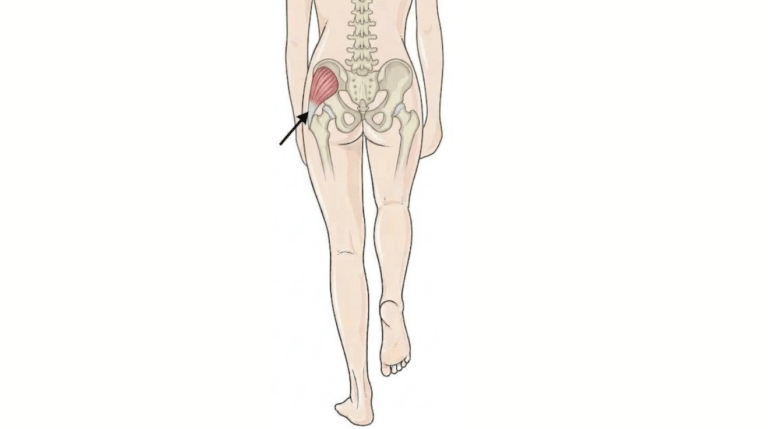


- Hypermobile hip exercises we use, and why clamshells aren’t one of them - 17 October 2026
- Is Fibromyalgia a Disability in the UK, and Can You Claim PIP? - 14 October 2026
- Fibromyalgia and Central Sensitisation, What Is It in Plain English? - 8 October 2026
This article is part of our comprehensive guide to hypermobility and Ehlers-Danlos syndrome.
Most of the drugs you have been handed for hypermobility pain have never actually been tested on hypermobility pain, and that’s worth saying before anything else, as it explains the thing that has probably been driving you mad for years: you take the tablet, it does something, it doesn’t do enough, and nobody can really tell you why. Pain in hEDS and HSD is usually several kinds of pain happening at the same time, arriving from unstable joints, from repeated small injuries, from nerves behaving oddly, and from a nervous system that has got a great deal better at amplifying signals than it used to be, all layered on top of each other rather than politely taking turns [1][2]. So a drug aimed at one of those will, at best, take the edge off one of them.
Meanwhile the thing with the most consistent signal across the EDS specific literature is exercise and rehab rather than any drug at all, and even that isn’t a cure, it’s just the one that keeps turning up as helping more people more reliably than anything else on the list [3][4].
So, we’re going through the lot. Anti inflammatories, paracetamol, the nerve drugs, the antidepressants that aren’t really being used as antidepressants, opioids, low dose naltrexone, cannabis, mast cell medication, and the POTS drugs, because a very large number of you are on one of those as well. For each one you get what the evidence actually shows, how good that evidence is, and whether any of it was ever done in people like you. Some of it is genuinely reassuring and a fair bit of it isn’t, unfortunately.
One thing to keep in mind before we start though. Nothing in here is a reason to stop taking something, it’s a reason to have a better conversation with whoever prescribed it.
Why the Pain Doesn’t Behave Like Joint Pain
If hypermobility pain were simply the result of loose joints being loose, it would behave like an injury, as it would sit in the joint, it would settle when the joint settled, and painkillers aimed at tissue damage would work about as well as they do for everybody else. That obviously isn’t what happens, and most of the last decade or so has gone on working out why.
Pain in the hypermobile Ehlers Danlos syndromes is described as several mechanisms running together: instability, repeated microtrauma, tissue fragility, degraded proprioception, muscle weakness, features that look genuinely neuropathic, and central sensitisation [1][2][5]. It also tends to start where the joints are least stable and most loaded, so hips, knees and ankles, before it spreads out and becomes a great deal harder to point at [2][6].
That last part is the bit that usually gets dismissed though, as a person who once had knee pain and now has pain more or less everywhere looks, to a busy clinician, like somebody whose story is getting bigger. It’s a well described pattern, and it has been for years.
Now, the sensitisation side of it has actually been measured, and in adults with hEDS the findings are fairly consistent, in that pressure has to be gentler before it registers as painful, repeated painful stimuli build up more than they should, and the natural pain damping effect you would normally get from exercising a muscle is reduced at the quadriceps [7]. Interestingly, one of the standard laboratory measures of descending pain control didn’t clearly differ, which matters, as it suggests the problem isn’t one single broken dial somewhere [7].
The same pattern turns up in teenagers, as adolescents with HSD or hEDS were more sensitive to pressure across several muscle groups, showed a partly blunted response to exercise, and reported more fatigue and more cognitive and emotional difficulty alongside it [8]. Which means this isn’t something that only develops after twenty years of being in pain and being disbelieved, it’s there early.
And it isn’t limited to the hypermobile type either. In classical EDS, where the genetics are confirmed rather than clinical, people were more sensitive to mechanical pressure in both arms and legs, more sensitive to cold in the legs, and had a weaker antinociceptive response on testing, which points at impaired pain modulation in a collagen disorder with a known gene sitting behind it [9]. So the sensitisation travels with the connective tissue problem, rather than turning up later on as a reaction to living with one.
Put a number on how common it is and you run into the usual mess, as looking back at people with hEDS and HSD who turned up at a clinic in pain, a high proportion scored in the central sensitisation range on the standard questionnaire [10]. Take that gently though please, as a clinic population is by definition the people who were struggling enough to attend.
All of which lands squarely on the medicine cabinet. Nociceptive pain, the kind that comes from tissue being loaded or damaged, responds reasonably well to anti inflammatories, and neuropathic pain, from the nerves themselves, responds better to the nerve drugs. Nociplastic pain, the sensitised kind, doesn’t respond particularly well to either, and it’s the kind most likely to be sitting underneath the widespread version of hypermobile pain [1][5]. So if you have got all three at once, and a lot of people do, then every drug you try will work partially and then plateau, which is exactly what you have been describing to doctors for years, and exactly what keeps getting written down as treatment resistant.
There’s a wider version of this too, and it’s the reason so many of you end up under four different specialists who never speak to each other. The sensitisation doesn’t stay in the joints, as it’s been linked to the multisystem picture that turns up alongside hypermobility, so the fatigue, the gut, the autonomic symptoms and the pain are increasingly being treated as connected rather than as an unlucky pile of separate diagnoses [5]. Which is why the sensible position on managing pain here is a multidisciplinary approach rather than a better tablet [11].
Which sounds like a fudge, and we know it does. If four mechanisms are contributing though, the only honest strategy is to take something off each of them, so a drug doing a bit, sleep doing a bit, load management doing a bit and rehab doing a bit. It’s a considerably less satisfying answer than one good prescription, and it’s the one that matches the biology.
It also explains why the single biggest unanswered question in this field is which person has which kind of pain, rather than which drug is best, as at the moment nobody can tell you that from the outside [1][10].
NSAIDs, and the Collagen Question
Ibuprofen, naproxen, diclofenac. They’re the first thing nearly everybody is handed, and in the hypermobility literature they’re mostly described rather than tested, as drug management in hypermobility care commonly leans on careful use of anti inflammatories and paracetamol, which is a description of what happens rather than condition specific evidence that any of it works, as that doesn’t exist [12][13][11].
What does exist is self report, and in a large survey run through the EDS community, anti inflammatories were among the most used treatments, and a bit over half the people using them rated them moderately to extremely helpful [14]. That’s genuinely worth knowing, and it’s also exactly the kind of finding that can’t separate the drug from everything else going on in somebody’s life, so treat it as a description of what people do and how they feel about it rather than proof of anything much.
Now, the collagen question, because it comes up constantly and it deserves a straight answer rather than the two extremes you get online.
The worry is real and the evidence behind it is indirect. In healthy young men, a week of indomethacin wiped out the rise in patellar tendon collagen synthesis that normally follows a long run [15]. That’s a striking result, and it’s also a strong drug, in healthy men, measured in a tendon after an enormous run, and not one of those people was hypermobile.
Pull the other way and you get a different answer, as in older men going through a period of limb immobilisation and then retraining, ibuprofen made no difference at all to the fall in tendon collagen synthesis that came with being immobilised [16]. So that’s much the same tissue and much the same question, with the opposite answer.
Wider than that, the picture across soft tissue repair is split by drug type rather than by drug class, as looking across the human and animal work together, the selective COX 2 inhibitors more often showed negative effects on soft tissue repair, while the older nonselective drugs more often showed no negative effect at all [17]. A fair chunk of that literature is animal work though, which makes it a reason to be careful rather than a fact about your tendons.
So the honest read is this: there’s a plausible mechanism, there’s mixed human evidence in people who don’t have a connective tissue disorder, and there is no study whatsoever of what anti inflammatories do to collagen in EDS. Anyone telling you that ibuprofen definitely damages your collagen is ahead of the evidence, and so is anyone telling you it definitely doesn’t.
What that leaves you with is a sensible middle, where anti inflammatories are reasonable for a flare, a sprain, or a period of genuine inflammation, and a much weaker proposition as a daily background drug for years, partly because of the tendon question and partly because of the perfectly ordinary gastric and cardiovascular reasons that apply to everybody else too. If you have the gut issues that come along with hypermobility for a lot of people, that second bit is not a small consideration.
Two practical things we would add, and neither of them is from a study. A lot of people end up taking anti inflammatories permanently because nobody ever said when to stop, rather than because anybody actually decided they should, so ask for a review date when one gets prescribed and you will avoid the four year accidental prescription. And topical versions exist and get forgotten about constantly, so for a specific joint that keeps flaring they’re worth asking about, as they put considerably less drug through the rest of you.
Paracetamol, the One Everybody Assumes Is Harmless
Paracetamol gets recommended precisely because it’s thought of as the safe one, and it is commonly used in hEDS and HSD, including in children [14][6][4]. Unfortunately the wider pain evidence is not especially kind to it, in either direction.
On effectiveness, the high quality evidence says it doesn’t work for acute low back pain, and that for hip or knee osteoarthritis the benefit is real but so small that it sits below what most people would actually notice [18][19]. Across chronic pain more broadly, the evidence for benefit is either insufficient or slight depending on the condition [18][20]. None of that work was done in hypermobility, so it’s a reason to suspect paracetamol is doing less than you hope, rather than a reason to believe it’s doing nothing.
On safety, the “harmless” framing doesn’t really survive contact with the long term data either. Regular long term use is associated with an increased risk of gastrointestinal bleeding, and with a small rise in systolic blood pressure of a few millimetres of mercury [21]. Neither of those is enormous on its own, and both of them are the sort of thing that gets ignored entirely because the drug is sold in petrol stations.
And the overdose picture is genuinely dose dependent liver damage, which is worth saying plainly, as the gap between a normal dose and a dangerous one is narrower than most people assume [22]. Which isn’t a reason to panic, it’s a reason to count what you’re actually taking, particularly if you’re also on one of the combination products with paracetamol hiding in it, and there are a lot of them.
So where does that leave paracetamol. Probably useful for some people, some of the time, in the way that a small effect is still an effect if you happen to be at the right end of it, and much less useful as the drug you rely on to get through a day. It isn’t the free hit it’s been sold as. If you have been taking it daily for years and honestly can’t tell whether it’s doing anything at all, that’s information worth taking to whoever prescribes it.
Gabapentin and Pregabalin
These two get prescribed on logic rather than on evidence, and the logic is decent enough. If part of your pain has neuropathic or centralised features, and in hypermobility a fair bit of it does, then a drug that quietens down overexcitable nerve signalling is a perfectly sensible thing to try [1]. The gap is that nobody has properly tested either of them in hEDS or HSD, so everything below is borrowed from other conditions.
In neuropathic pain generally, the gabapentinoids do reduce pain compared with a dummy tablet, with adverse effects clustering in the nervous system and psychiatric domains, which in plain terms means sedation, dizziness, unsteadiness, brain fog and mood changes [23]. That’s a real effect, and it’s also the reason a lot of people stop.
In fibromyalgia, which is the closest well studied comparator we have got, pregabalin comes out better than gabapentin, as it has moderate to good evidence for substantial pain relief over the first few months in roughly one in ten adults with moderate or severe pain, and no evidence at all for whether it still works beyond six months [24]. One in ten is not nothing, by the way, that’s a real minority of people getting a real result. It’s also nine in ten who don’t, which is worth knowing in advance, before you decide that the drug failing means you failed.
Gabapentin in fibromyalgia is a great deal thinner. It’s been looked at properly once, in a small group, and the quality of that evidence is very low, so benefit and harm are both genuinely uncertain [25]. So if you have been told that gabapentin is the evidence based option and pregabalin is the expensive alternative, that’s backwards.
Now, the six month thing deserves a second look, as it applies to nearly everything in this article. Most pain drug trials run for weeks to a few months, and most of you have been in pain for a decade or more, which means the honest sentence about long term use of almost any of these drugs is that nobody has measured it. Which is different from saying it stops working, and different again from saying it keeps working.
A practical note though. Gabapentinoids are the drugs most likely to interact badly with the fatigue and the cognitive symptoms that already come with this territory, so if you started one and your brain fog got noticeably worse, that’s a known effect rather than a coincidence [23].
Amitriptyline and Duloxetine
Both of these are antidepressants being used at doses and for reasons that have very little to do with depression, which is worth saying out loud, as being handed one without that explanation is how a lot of people end up feeling like they have just been told the pain is in their head.
Amitriptyline is the old one, usually given at a low dose at night. Comparing it against the drugs licensed for fibromyalgia, it was associated with less sleep disturbance, less fatigue, and better quality of life than placebo [26], and looking across the published overviews rather than at any single one, the same split shows up, in that the evidence for amitriptyline actually reducing pain is weak while the evidence for it improving sleep, fatigue and quality of life is stronger [27].
That distinction is important and it usually gets lost. Amitriptyline may not be much of a painkiller, and it may still be one of the more useful drugs on the whole list for a hypermobile person, as sleep is one of the biggest levers there is on how bad the next day feels, and this population sleeps badly for about six different structural reasons.
Duloxetine goes the other way, as at the higher dose it had the strongest association with improvement in both pain and mood out of the fibromyalgia options compared [26], and the evidence is rated highest in people who also have mood symptoms [27]. SNRIs therefore get put forward as potentially useful for widespread pain in hypermobility, by extrapolation from fibromyalgia rather than from anything anybody has ever done in hEDS [12].
So if a doctor offers you duloxetine, the reasoning is that the same drug appears to act on both pain processing and mood, and that in the population which looks most like yours it performed better than the alternatives, rather than anything at all about your pain being emotional. Whether that holds in hypermobility specifically, nobody has tested.
Worth knowing about the practical side too. Amitriptyline tends to cause dry mouth, constipation and morning grogginess, and constipation is not a trivial add on if your gut is already slow, which it is for a great many people with hypermobility. Duloxetine, on the other hand, has a withdrawal profile that is genuinely unpleasant if it gets stopped quickly, so it’s one to come off slowly and deliberately rather than on a whim.
Opioids, and the Problem Underneath Them
The evidence here turns properly against the thing most people are hoping for, so it’s worth being careful and not preachy about it, as plenty of you reading this are on an opioid and did not exactly go looking for one.
Start with the general picture. For long term opioid use in chronic pain, there isn’t enough evidence to show improved pain and function beyond a year, and the observational data links opioid therapy to overdose, dependence, fractures, heart attack and markers of sexual dysfunction, often more so at higher doses [28]. In hypermobile pain specifically it lands in much the same place from the other direction, as the standard analgesics often control the pain inadequately, and avoiding opioids remains the prudent position [12].
Now, the bit that makes all of this specifically awkward for hypermobility.
Opioid induced hyperalgesia is exactly what it sounds like, a state where being on opioids makes you more sensitive to pain rather than less [29][30][31]. It isn’t the same thing as tolerance, where the dose simply stops going as far, as this is the pain system turning its gain up in response to the drug that was meant to be turning it down.
Pooling the human work on it, there was evidence of hyperalgesia after chronic opioid exposure when it was measured by how much heat pain people could tolerate, though not on every sensory measure, which is a fairly typical picture for something that’s real but hard to pin down [32]. And in adults living at home with chronic pain, long term opioid use was associated with greater heat pain sensitivity even after accounting for depression, catastrophising and the underlying diagnosis [33]. That last adjustment matters a great deal, as it’s the usual way this finding gets waved away.
None of that proves the same thing happens to the same degree in hEDS, as nobody has looked. You are a population where central sensitisation is already common and already measurable though [7][10], and hyperalgesia is the same machinery being pushed in the same direction, so adding a drug that can do that, to a system that already does that, is at the very least a complication worth naming.
What we would genuinely rather you took from this than “opioids are bad” is this. If you have been on an opioid for a long time and your pain has quietly spread, or become more sensitive to things that never used to hurt, that is a recognised pattern with a name on it, and it’s worth raising rather than absorbing, ideally in a conversation that doesn’t start with you apologising.
Worth separating the acute from the chronic here as well, as the two keep getting muddled. A short course after a dislocation, a surgical procedure or a genuine acute injury is a completely different proposition from years of daily use, and everything above is about the years rather than the week. The population argument for caution does not translate into an argument that a hypermobile person in acute pain should be sent home with paracetamol and a leaflet, which unfortunately is how it often lands in practice once a note about opioid risk has appeared on a record.
And to be clear, because this gets weaponised: none of the above is an argument for taking somebody’s pain relief off them. Stopping an opioid abruptly is its own harm, and leaving somebody with nothing helps nobody at all.

Low Dose Naltrexone
LDN is the one that comes up on every forum going, and it sits in a fairly unusual spot: mechanistically interesting, widely used, and still genuinely preliminary.
The proposed mechanism isn’t standard opioid blocking at all. At the low doses used for pain, it’s described as acting on microglia and on neuroinflammatory signalling, which is a completely different lever from every other drug in this article [34][35][36]. That’s an appealing idea for a sensitised pain system, and an idea is what it still is, rather than a settled fact.
Across the centralised pain conditions, what has actually been published is small studies, series of cases, and narrative reviews, and they do suggest improvements in pain, hyperalgesia, sleep and function. The literature is also heterogeneous and underpowered, which is a polite way of saying the studies are small, they don’t measure the same things, and you can’t safely pool them [37][38].
In EDS specifically there’s nothing. No condition specific trial exists in this evidence base, so LDN in hypermobility is an extrapolation from other centralised pain conditions rather than an established treatment [38][37].
Which is not the same as saying don’t try it. It’s cheap, the side effect profile in the published work is mild, and the mechanism is at least pointed at the right problem. It’s also the drug most likely to be surrounded by people telling you it changed their life, and a field of small uncontrolled studies is exactly the situation where that impression forms whether or not the drug is doing any of it.
If you do try it, try it the way you would try anything with weak evidence behind it, so one change at a time, a rough note of where your pain and your sleep were before, and a fixed point at which you actually decide. Otherwise you’ll end up three months in, having changed four things at once, completely unable to tell which one did what (which is most of how the internet ended up so confident about LDN in the first place).
Cannabis and CBD
This is the one where the gap between what the internet says and what the evidence says is widest in both directions, so it needs unpicking into three separate questions. Does cannabis help chronic pain generally. Does it help hypermobile pain specifically. And is CBD on its own the same thing as cannabis, because it is very much sold as though it is.
Start with chronic pain generally, where non inhaled medical cannabis probably produces a small improvement in pain and a small improvement in sleep over a few months, with the average benefit sitting around half a point on a ten point scale [39]. Half a point is small, though it’s also enough to tip a proportion of people over the line into an improvement they would genuinely notice, which is the more useful way to read it.
Put that in terms of who responds and the modesty of it becomes a lot clearer. For a thirty per cent reduction in pain in chronic noncancer pain, you would need to treat roughly two dozen people for one extra person to get there who wouldn’t have got there on a dummy tablet, and for a fifty per cent reduction there was no clear difference at all [40]. In neuropathic pain, the selective cannabinoids came out at around two thirds of a point on a ten point scale, which is again small [41].
Not everybody reads the same literature the same way either. Across the randomised work, the evidence neither supports nor refutes efficacy and safety, with every included study at high or unclear risk of bias, which is about as blunt as this field ever gets [42]. The more recent overviews land in much the same territory: some benefit, common non serious adverse effects, and quality that keeps limiting the conclusions [43][44][45].
Now, hypermobility specifically, where the picture is newer and genuinely more interesting.
There’s a UK registry of people prescribed cannabis based medicinal products, and a group within it had HSD or hEDS with chronic pain. After starting, their reported pain severity and interference improved, as did sleep, anxiety and general quality of life [46]. Roughly a third had at least one adverse event, headache being the most common one, and the design can’t establish that the drug caused the improvement [46].
A later update of the same registry, with more people and two years of follow up, reported clinically meaningful pain improvements in somewhere between a half and two thirds of participants across several different pain measures, alongside reductions in the opioids they were also prescribed [47]. That opioid reduction is the finding most worth watching, in our opinion. It’s still uncontrolled though, and proper controlled work is exactly what it needs [47].
In survey and interview work in this population, perceived helpfulness is high as well, which is real information about what people experience, and is also wide open to selection and expectancy effects, as the people who found it useless mostly stopped, and then stopped answering surveys [14][48].
So the honest summary for hypermobility is that the syndrome specific signal exists, it’s consistent, it’s observational, and nobody has run the thing that would tell you whether it’s the drug.
Then there’s CBD, which needs separating out completely, as CBD on its own is not interchangeable with cannabis or with THC containing products, and the pain evidence for it is a great deal thinner. In neuropathic pain, CBD alone showed no significant difference [49], and the more recent chronic pain work suggests that products low in THC relative to CBD may not improve outcomes at all [43]. Looking at CBD by itself, the clinical and preclinical evidence is described as promising, while the clinical evidence remains limited and more work with isolated CBD is needed [50]. The broader pharmacology points the same way, in that the more consistent pain signals come from THC containing or mixed preparations [51].
Which matters commercially as much as it does clinically, because the CBD oil in the health food shop is the version with the weakest evidence, sold at the highest markup, in a market with no consistency of dosing between brands. The community knows this perfectly well and it still costs people a fortune every year.
One more thing about the products themselves, as it affects how any of this evidence applies to you. The better results mostly came from prescribed, standardised preparations with a known content, and the oil somebody buys online is a different product with a different dose and often a different ratio, so there’s no reason at all to assume a finding from one transfers to the other [51][43]. Which means a person telling you cannabis did nothing for them, and a person telling you it changed everything, may not have been taking comparable things at all.
On harms, be realistic rather than alarmed. Adverse effects are common and mostly not serious: dizziness, sedation, dry mouth, transient cognitive effects and gastrointestinal upset, with dizziness becoming more of a theme over longer follow up [39][45][52]. For a population that already has orthostatic problems, dizziness is not a neutral side effect, and that interaction has never been studied.
Local Anaesthetic, and Why Your Dentist Needs Telling
If there’s one medication issue in this whole article that is properly, specifically EDS related rather than borrowed from fibromyalgia, it’s this one, and it’s also the one most likely to have happened to you and been treated as an exaggeration.
The first signals came from surveys. In a large dental survey, the overwhelming majority of EDS respondents recalled inadequate pain prevention from local anaesthetic, against about a third of people without EDS [53]. Older survey work in joint hypermobility syndrome found the same thing, with poorer recalled anaesthetic effect than controls [54]. Recall is a weak form of evidence and everybody involved knew that, which is why it all sat there for years being quoted by people with EDS and ignored by people without it.
It’s since been tested properly though, and the result is more precise and a lot more useful than the surveys ever were.
With lidocaine injected under the skin of the forearm, there was no difference between people with EDS and healthy controls at five minutes. The difference showed up later, with fewer people with EDS still adequately anaesthetised at fifteen minutes and at thirty minutes [55]. So what’s actually going on looks like a shorter duration of effect, rather than the anaesthetic failing to work in the first place.
That distinction is the practically useful bit, as it explains the experience that gets people labelled as difficult, which is the block working, the dentist starting, and the sensation coming back partway through while everybody in the room assumes you’re anxious. It also tells you what to ask for, which is not necessarily a bigger dose up front, but an awareness that the window is shorter and may need topping up sooner.
Take the numbers gently though please. This has been tested properly once, in adults, on forearm skin, using one anaesthetic, and skin on a forearm is not a molar. What it does establish is that the effect is real and measurable rather than recalled, which after twenty years of people being disbelieved is not a small thing.
It isn’t only dentistry either, even though that’s where it gets noticed, as the same issue applies to stitches, skin procedures, joint injections, minor surgery and anything else where somebody numbs an area and then works in it for half an hour. Nobody has tested those situations specifically, so that’s an extrapolation from forearm skin rather than a finding, and it’s a reasonable one to raise in advance rather than discover halfway through. The same goes for epidurals and spinal anaesthesia in labour, which come up constantly in the community and have not been studied in EDS in this evidence base at all. Which is not a reason to refuse one, obviously, it’s a reason to have said something to the anaesthetist beforehand, rather than at the point where saying anything at all is considerably harder.
One practical suggestion though, and it’s the one we give clients most often. Tell them before rather than during. A short line in advance, saying that reduced duration of local anaesthetic has been demonstrated in EDS and that you may need topping up, does far more than anything you can say once the drill is already going. Most dentists have never been taught this, and most of them will take it perfectly well if it arrives as information rather than as an accusation.
Mast Cell Medications
Antihistamines, and the drugs that sit behind them, have become a very large part of the hypermobility conversation, and the evidence underneath them is not where most people think it is.
Almost all of it comes from mast cell activation syndrome and mastocytosis rather than from EDS. Standard treatment in that world usually starts with H1 and H2 blockade, on the reasoning that histamine drives a lot of mast cell symptoms, and it builds up from there by adding other mediator blocking drugs as needed [56][57][58]. That’s expert guidance plus small studies plus stepwise clinical practice rather than a body of high quality trial evidence, and it was never developed for hypermobile people in the first place.
The non sedating H1 drugs, so cetirizine and fexofenadine and that family, are generally preferred over the older sedating ones [56]. On formal testing of H1 antihistamines in primary mast cell activation syndromes, the whole evidence base amounted to a handful of small studies with a couple of dozen people between them, all at moderate or high risk of bias [59]. The best of it was in adults with cutaneous or systemic mastocytosis, where a month of rupatadine improved itching, weals and flushing, tachycardia, headache and quality of life compared with placebo, though it did not improve gastrointestinal symptoms [59].
Worth holding on to that last detail, as the gut symptoms are the ones a lot of hypermobile people are actually taking these drugs for.
Then the stabilisers. Sodium cromoglicate is described as reducing mediator release, and ketotifen does two jobs, blocking H1 and stabilising mast cells, and it’s used mainly for skin symptoms [57][56]. Montelukast, the leukotriene drug, has support that is entirely at the level of individual reports, including children with mastocytosis whose wheeze, gut and skin symptoms hadn’t settled on everything else [56]. A small set of reports found markedly raised urinary leukotriene metabolites during attacks and described montelukast contributing to preventing later ones, which is interesting, and it’s three people [60]. There’s also a single published account of a woman with complex regional pain syndrome, hEDS and a family history of mast cell disease who reported subjective pain improvement over six months after montelukast and cromoglicate were added, which generates a hypothesis and absolutely nothing more [61].
Now, the EDS specific part, and it’s mostly about how slippery the diagnosis is.
Mast cell conditions and hypermobile syndromes do keep turning up together in the published literature [62][63][64], and in an allergy and immunology clinic population, about one in ten people seen had hEDS or HSD alongside mast cell activation disease, with the fairly obvious caveat that a specialty clinic attracts exactly those people [65].
And the prevalence figure moves enormously depending on who is doing the defining. Looking back at young people with POTS, the proportion who met criteria for mast cell activation syndrome ranged from about one in fifty to nearly nine in ten, purely depending on which definition was applied, and the people diagnosed under the broader clinical criteria responded to mast cell treatment about as well as the ones meeting the stricter criteria [66].
That second half is the bit that trips everybody up, including clinicians. Responding to an antihistamine is part of some diagnostic frameworks, so improving on H1 and H2 blockers, leukotriene drugs, cromoglicate or ketotifen cannot be used as independent proof that you have the condition, because the response was built into the definition in the first place [66][65][67]. It might mean you have it, and it might just mean that antihistamines do things in bodies.
A couple of practical points get lost in the argument about whether MCAS is real. The H2 blockers, so famotidine and that family, are stomach acid drugs being used for a different reason, which catches people out when a pharmacist starts asking about their reflux. And the non sedating H1 drugs are cheap, available without a prescription and low risk, which is genuinely why a trial of them is a reasonable thing to do even on evidence this thin [56][57].
So where does that leave somebody who genuinely does feel better on cetirizine and famotidine, which is a lot of people. It leaves them with a reasonable, cheap, low risk thing that is helping and no proof of why, which is a perfectly acceptable place to be. What it doesn’t support is the bigger version of the claim, where mast cells get presented as the engine driving hypermobile pain generally, as the evidence for a genuine causal link there is weak and actively contested [64][63][67]. Some people with hEDS, POTS or overlapping symptoms do improve symptomatically on anti mediator drugs, including antihistamines, and that is a very long way from a pain treatment [64][68].
The POTS Drugs, Because a Lot of You Are On One
Strictly speaking these aren’t pain drugs. Practically speaking, a very large number of hypermobile people end up on at least one of them, they interact with everything else in this article, and the evidence behind them follows exactly the same pattern the pain drugs do, so leaving them out would be a bit daft.
The headline first. No drug is licensed for POTS anywhere, the evidence base remains limited, and everything on this list is used off label and normally alongside the non drug measures rather than instead of them [69][70][71][72]. The consistent message is that different drugs appear to suit different physiological problems, and that matching the drug to the problem matters considerably more than picking the best drug [72][69].
Which is why “I tried a beta blocker and it made me worse” is such a common story, and why it usually gets interpreted as treatment resistance instead of as a mismatch.
Beta Blockers
These are used to bring down a heart rate that climbs too hard on standing, and they suit a hyperadrenergic pattern best [73][74][75]. The dose is the part that gets missed.
At a low dose, propranolol acutely lowered standing heart rate and improved how people felt, compared with a dummy tablet. At four times that dose it lowered heart rate further and did not improve symptoms any further, and may have made some of them worse [76]. The same pattern showed up on exercise capacity, where a low single dose improved peak oxygen uptake in adults with POTS, while higher doses of propranolol or metoprolol did not, despite lowering heart rate by a similar amount [77].
So more heart rate control is not more benefit, which is worth sitting with for a second, as the instinct when a drug half works is always to go up.
Longer term the picture gets a good deal more mixed, as over three months, propranolol and bisoprolol produced similar improvements in orthostatic intolerance, mood and the physical side of quality of life [78]. But over four weeks of long acting propranolol, upright heart rate normalised while quality of life did not improve at all, and reduced upright cardiac output and blood pressure were put forward as a plausible reason some people feel worse rather than better [79].
Read those two together and you get the real message, which is that a normal looking heart rate and a person who feels better are two very different things. So if your numbers improved and you didn’t, that gap is exactly the one that turned up here as well.
The tradeoffs are the obvious ones, and they matter most in precisely the people most likely to be offered the drug: fatigue, exercise intolerance, low blood pressure, slow heart rate and fainting [73][80][81]. If you already run low on blood pressure and short on energy, a beta blocker can take both of those somewhere worse.
Ivabradine
Ivabradine is the more interesting one mechanistically, as it slows the sinus node directly without the wider beta blocker effects on blood pressure and contractility [82][83][84]. For somebody whose problem is tachycardia but whose blood pressure is already on the floor, that’s a meaningful difference.
The strongest direct evidence is in adults with hyperadrenergic POTS, where ivabradine significantly reduced heart rate and improved physical and social functioning without causing significant slowing of the heart or drops in blood pressure [85]. More recently, in women with POTS, both ivabradine and propranolol reduced orthostatic tachycardia compared with placebo with no significant difference between the two on peak heart rate reduction, ivabradine produced a larger rise in systolic blood pressure than propranolol, and both improved several orthostatic symptoms [86].
That’s about as good as the POTS drug evidence gets, and it’s still two pieces of work in small groups.
The wider literature is encouraging and low certainty, which are not contradictory statements. Heart rate reductions and symptomatic improvement turn up consistently across retrospective groups, paediatric series and the small randomised work, and the same overviews repeatedly rate the evidence as low quality because the studies are small, different from each other and mostly observational [70][87][82]. Side effects were usually mild and often settled, with visual phenomena, which people describe as flashes or brightness at the edge of vision, plus headache, fatigue, nausea, flushing and occasional slowing of the heart [87][81][88][89].
The phosphene thing is worth flagging because it sounds alarming and generally isn’t. It’s a known effect of the channel the drug acts on, and it tends to fade.
Midodrine
Midodrine goes at a completely different problem, which is blood pooling in the legs and vessels that aren’t tightening the way they should [73][69][80]. If your issue is pooling rather than a hyperadrenergic drive, it’s the more logical choice, and if your issue is the opposite, it probably won’t do a great deal.
The evidence is noticeably stronger in children than it is in adults. In children, adding midodrine to conventional treatment gave better short term results and lower symptom scores than a beta blocker or conventional treatment alone [90], and pooling the paediatric work, it improved the odds of a symptom response compared with control and slightly outperformed beta blockers, though the adult evidence stays limited [91].
Subtype matters here more than it does for most of these drugs, and it’s been demonstrated rather than assumed. In adolescents, midodrine improved calf vascular resistance, reduced calf venous capacitance and lowered upright heart rate in neuropathic POTS, and those effects were simply not seen in the hyperadrenergic group [92]. There’s also work in children suggesting the change in blood pressure from lying to standing before treatment may help predict who responds, with a smaller upright rise associated with better response and longer benefit [93][94].
That’s about the closest thing POTS has to a way of picking the right drug for the right person, and it exists mostly in children.
Side effects are well described, though a lot of that description comes from orthostatic hypotension rather than from POTS: headache, scalp tingling or hair standing on end, gut complaints, urinary urgency or retention, and high blood pressure when lying down [73][80][92][95]. In the POTS specific pooling, raised blood pressure turned up in roughly one in twelve and gut disturbance in about one in thirty, from small and varied studies [91].
The supine hypertension one is the reason you’ll be told not to take it before lying down, and it’s a genuine instruction rather than a cautious one.
Fludrocortisone
Fludrocortisone is used to expand blood volume, it’s prescribed a great deal, and the direct POTS evidence for it is the weakest of anything in common use [73][69][96].
The consensus position is unusually blunt about it, in that the drug is frequently used, and there’s no evidence people with low volume POTS respond better than people with normal volume, and no evidence that it actually increases blood volume in POTS [69]. So the main reason it gets prescribed has never been shown to happen.
What sits underneath it is older, uncontrolled work in a small group of women with POTS reporting large symptom improvement after bisoprolol, fludrocortisone or both, and it needed confirming properly [97]. Nobody has done that confirming.
The safety side, by contrast, is fairly clear: headache, swelling, raised blood pressure, low potassium, and concern in anybody with heart failure [73][80][98]. In older people with hypotensive disorders, a third stopped it, commonly because of high blood pressure, cardiac failure, low mood or swelling, and about a quarter developed low potassium [99]. And in adults with orthostatic hypotension, fludrocortisone was associated with a higher rate of all cause hospitalisation than midodrine, especially in people with heart failure, from observational data in a different condition [100].
So the summary is uncomfortable but straightforward, as it has weaker efficacy evidence than nearly anything else on the list and clearer harm evidence than nearly anything else on the list. Which doesn’t mean nobody should be taking it, it means it’s a strange thing to reach for as a default, and if you are on it long term then the potassium check is not optional.
Pyridostigmine
Pyridostigmine works on cholinergic transmission at the autonomic ganglia, and it can lower standing heart rate without obviously dropping blood pressure, which is the reason it gets used in people who can’t tolerate anything that lowers pressure [73][74][80].
A single low dose reduced standing heart rate at two and four hours and improved symptom burden compared with a dummy tablet, with no significant change in blood pressure [101]. Looking back at a large single centre group, symptoms improved in a bit over four in ten of everybody given it, and in about half of the people who could actually stay on it, with improvements in fatigue, palpitations, presyncope and fainting [102].
That gap between everybody given it and everybody who could stay on it is more or less the whole story with this drug. Of that group, a substantial minority couldn’t tolerate it even after the dose was adjusted, and gut problems were far and away the commonest reason [102]. Diarrhoea, cramping, nausea, vomiting, wind and painful periods are the recurring limitations [74][80].
For a population where a large proportion already has a difficult gut, that’s a meaningful obstacle rather than a footnote.
Longer term the results are less impressive, as adding pyridostigmine to propranolol or bisoprolol over three months did not improve symptom scores beyond the beta blocker on its own [78].
Desmopressin
Desmopressin has clear short term evidence and almost nothing at all beyond it. Given as a single oral dose, it lowered standing heart rate compared with a dummy tablet over four hours and improved orthostatic symptom scores, without significantly affecting standing blood pressure [103]. The safety profile would need examining before it could be recommended as a routine treatment though [103].
That warning has never been answered, and the longer term evidence is looking back at records rather than testing anything. In a single centre group given it, two thirds could tolerate it after adjustment, and somewhere between a quarter and four in ten met the response definition over about a year, depending on whether you count everybody or only the people who stayed on it [104]. Low sodium was the commonest adverse effect, in about one in five [104].
That’s the thing to watch, and it isn’t unique to POTS. Desmopressin holds on to water, and iatrogenic low sodium is the recurring safety concern across every population it gets used in [105][106][107]. Low sodium presents as headache, nausea, confusion and, at the far end of it, seizures, which overlaps confusingly with the symptoms you were treating in the first place.
So it’s a drug for occasions rather than a drug for every day, which is more or less how it tends to get used in practice anyway.
What the POTS Literature Actually Adds Up To
Non drug treatment still anchors the whole field, as education, more fluid and salt, compression and especially structured exercise sit before or alongside the medication in every consensus document and review we have [69][71][73][108][109][75][110].
And there’s one direct comparison that ought to be quoted far more often than it is. Over three months, exercise training improved quality of life and the underlying haemodynamics, while propranolol lowered heart rate without improving quality of life [79][81]. So one of them fixed the number and the other one changed how people actually felt.
Which is not an argument for stopping your medication, and anybody who reads it that way has read it wrong. Plenty of people can’t begin exercising at all until a drug has made standing up survivable, and that is a completely legitimate use of a drug.
Hypermobile Children, and Why the Evidence Goes Odd
There’s a strange inversion in this literature that nobody really warns parents about. For the pain drugs, almost everything has been done in adults and then hopefully applied to children, and for several of the POTS drugs the opposite is true, in that the better evidence is in children while the adult evidence stays thin.
What the pain actually looks like in children with hEDS and HSD is widespread, interfering with ordinary life, and what they get given for it is largely the same list adults get, with paracetamol and anti inflammatories near the front [6]. The sensitisation findings show up early too, as adolescents with HSD or hEDS were already more sensitive to pressure across several muscle groups, with a partly blunted response to exercise and more fatigue and cognitive difficulty alongside it [8].
Which is the bit worth holding on to if you are a parent being told they’ll grow out of it, as the nervous system changes are measurable in teenagers, so this isn’t something that develops after decades of adult stress.
On the POTS side, midodrine is the clearest example of the inversion. In children, adding it to conventional treatment produced better short term results and lower symptom scores than either a beta blocker or conventional treatment alone [90], and pooling the paediatric work it improved the odds of a response compared with control and slightly outperformed beta blockers, with the adult evidence explicitly described as still limited [91]. Ivabradine has a paediatric literature as well, though it’s retrospective and small [89].
There’s also the closest thing anybody has to a way of predicting who will respond, and it exists in children rather than in adults. The change in blood pressure from lying to standing before treatment appears to help identify who does well on midodrine, with a smaller upright rise associated with better response and longer benefit [93][94]. In adults, that kind of matching is mostly still aspiration [69].
Paediatric POTS guidance itself puts education, fluid, salt, compression and structured exercise before or alongside the drugs, exactly the same as it does in adults [71]. That ordering is not a fob off, it’s what the evidence supports, and it’s also the part that requires a school to cooperate, which is usually the harder half of the problem by a large margin.
One caution worth being blunt about. A child on a drug with adult evidence behind it is being treated on an extrapolation from a different body, and a child on a drug with paediatric evidence behind it is being treated on evidence that was mostly gathered in a handful of small studies. Neither of those is a reason to refuse treatment, and both of them are reasons to ask for a review date rather than an open prescription, and to write down what you are actually hoping will change before it starts.
Because the honest position with children, more than anywhere else in this article, is that the trade between a drug’s benefit and its effect on a growing person doing school and sport has not been measured over any useful timescale. Nobody has followed these children for years. The people prescribing know that, and most of them will say so if they’re asked directly.
Where Exercise and Rehab Actually Sit
Obviously this is the bit where we have a horse in the race, so it’s worth being specific about it rather than smug about it.
Exercise and rehab keep turning up because they act on several of the plausible pain drivers at the same time rather than on one of them: proprioception, motor control, deconditioning, fear of moving, and possibly the ongoing input from joints that keeps the sensitisation topped up [3][5]. Which is a structural advantage over any single drug, given that the pain itself is several mechanisms at once.
Pulling together the controlled work in children and adults with hEDS, every included piece showed improvement in pain or proprioception in the intervention group, with the honest caveat that the studies were small and quite different from each other [3]. Looking more broadly across physiotherapy approaches in generalised HSD and hEDS, therapeutic exercise and motor function training came out as the best supported [111].
The condition specific work points the same way. In hEDS with chronic low back pain, three months of neurocognitive rehabilitation improved pain, fatigue, fear of movement and disability, in a small group and without randomisation, so treat that as a hint rather than a finding [112]. In a nine week rehabilitation programme for hEDS, functional exercise capacity, balance, fatigue and quality of life all improved immediately afterwards, and some of those gains were still there at six months [113].
Now, the finding that keeps everybody honest, as looking back at a very large hEDS and HSD clinic population, fewer than three in ten reported improvement from any single treatment at all, so nothing worked for most people [4]. Which is a genuinely sobering number to sit with for a minute.
Within that same fairly disappointing picture, physical activity and exercise was one of the interventions most consistently associated with reported improvement, across hypermobility, joint pain and muscle pain [4].
So the claim is that in a field where most things help a minority, exercise helps a larger minority more consistently than the alternatives, and it does it without a potassium check or a withdrawal taper, rather than that it fixes hypermobile pain. Which is a considerably smaller claim than the one usually made for it, and it’s the one the evidence actually supports.
It has to be the right kind though, which is where most of it falls down in practice, as generic strengthening handed over on a photocopied sheet is not what was studied, and it’s not what tends to work for people whose problem is a noisier signal coming from the joint and a movement strategy built around protecting it.
How to Tell Whether a Drug Is Actually Doing Anything
Nobody teaches this part, and everybody is expected to do it anyway.
The problem is structural. Pain moves about on its own, so it’s worse in the week before a period, worse after a bad night, worse in a flare, better in a good stretch, and all of that happens whether or not you started a tablet six weeks ago. Layer a slow acting drug on top of a symptom that swings about by itself, add the perfectly normal hope that this one will be the one, and you end up with a judgement that’s almost impossible to make fairly. Which is just what the signal looks like, unfortunately.
A few things do make it easier though, and none of them are complicated.
– One change at a time: This is the boring one and it’s the one that matters most. Starting a drug the same fortnight you start a supplement, change your sleep routine and begin a new exercise programme guarantees you’ll never know which one moved the needle, so space them out by at least a few weeks, even though everything in you wants to throw the lot at it.
– Write down the before: Not a detailed diary, as most people abandon those inside a fortnight. Three numbers on a phone note is plenty: worst pain this week, average pain this week, and one thing you couldn’t do that you would like to. That last one is the most useful of the three, as function shifts in ways that pain scores don’t, and you will forget where you started within a month.
– Give it a fixed window and a fixed answer: Decide before you start how long you’re giving it and what counts as enough. Most trials of these drugs run for weeks to a few months, and pregabalin’s better evidence sits in that same window with nothing measured beyond six months [24], so somewhere between six and twelve weeks is a reasonable line for most of them. Then actually stop and answer the question, rather than drifting on for two years.
– Expect a partial answer: Take the pregabalin figure as the template, as substantial relief in roughly one in ten adults with moderate or severe pain is the realistic shape of a good result in this field [24], and the equivalent numbers in hEDS and HSD clinic populations are grimmer still, with fewer than three in ten reporting improvement from any single treatment [4]. A drug that takes a bit off the edge is still doing something.
– Separate pain from everything else: Amitriptyline is the clearest example of why this one matters, as the evidence for it reducing pain is weak while the evidence for it improving sleep, fatigue and quality of life is stronger [27][26]. If you judge it purely on a pain score you may well throw away a drug that was genuinely helping you, just not in the place you happened to be looking.
Now, the awkward bit. A drug doing nothing is a result, and it’s the result most people are worst at accepting, as stopping feels like losing the option, when knowing that gabapentin does nothing for you is worth a great deal more than staying on it for four years at a dose you’re frightened to reduce, and it’s one fewer thing interacting with the next drug somebody offers you.
And there’s a version of this that runs the other way, which is the drug that’s quietly making things worse. Fatigue and exercise intolerance on a beta blocker [73][80], brain fog on a gabapentinoid [23], gut symptoms on pyridostigmine [102], spreading sensitivity on a long term opioid [33][32]. Every one of those is a recognised effect that looks, from the inside, exactly like the condition getting worse, which is how people end up on a drug for years treating symptoms the drug itself is causing.
The general rule we would give anybody, for whatever it’s worth, is that if a symptom appeared or worsened within a few weeks of a medication change, the medication is the first suspect rather than the last one. It’s rarely where anybody starts looking.
The Whole List, Briefly
If you want the short version to take to an appointment, this is it.
– Anti inflammatories: Sensible for a flare or a genuine inflammatory episode, much weaker as a daily background drug for years. Widely used in this population and rated helpful by a bit over half of the people using them, though that’s self report rather than proof [14]. The collagen worry has a plausible mechanism and mixed human evidence, none of it done in EDS [15][16][17].
– Paracetamol: Commonly used and probably doing less than you hope. Ineffective for acute low back pain and only minimally helpful for hip or knee osteoarthritis, with insufficient or slight evidence across most chronic pain [18][19][20]. Long term use carries a raised risk of gastrointestinal bleeding and a small rise in blood pressure [21].
– Pregabalin: The better supported of the two gabapentinoids, with moderate to good evidence for substantial relief in about one in ten adults over the first few months, and nothing measured beyond six months [24]. Sedation, dizziness and cognitive effects are the usual reason people stop [23].
– Gabapentin: Looked at properly once in fibromyalgia, in a small group, at very low quality, so benefit and harm are both uncertain [25]. Prescribed far more often than that evidence justifies.
– Amitriptyline: Weak evidence as a painkiller, stronger evidence for sleep, fatigue and quality of life [27][26]. Judge it on how the next day feels rather than on a pain score.
– Duloxetine: The strongest association with improvement in both pain and mood among the fibromyalgia options, and rated highest in people who also have mood symptoms [26][27]. Extrapolated to hypermobility rather than ever tested in it [12].
– Opioids: Insufficient evidence for improved pain and function beyond a year, with dose related harms and a recognised risk of the pain system becoming more sensitive on them [28][32][33]. Particularly complicated in a group where sensitisation is already common [7][10].
– Low dose naltrexone: Mechanistically interesting, aimed at neuroinflammatory signalling rather than at opioid receptors in the usual way, and still preliminary everywhere [34][35]. No EDS specific evidence exists at all [38][37].
– Cannabis: Small average benefit in chronic pain generally, with common non serious adverse effects [39][40][43]. The hypermobility specific data is observational, consistent, and reports reduced opioid prescribing alongside improved pain and sleep [46][47].
– CBD on its own: The weakest evidence of the cannabinoid options, with no significant difference in neuropathic pain and clinical evidence for isolated CBD still described as limited [49][50]. Also, by a large margin, the most heavily marketed.
– Local anaesthetic: The one genuinely EDS specific medication finding in here. Effect at five minutes is normal, and fewer people with EDS are still adequately anaesthetised at fifteen and thirty minutes, so it’s a shorter window rather than a failure [55].
– Mast cell drugs: H1 and H2 blockade is the standard starting point in mast cell conditions, on expert guidance and small studies rather than trials [56][57]. In hypermobility the overlap is real, the prevalence figures swing enormously by definition, and responding to the drug is part of some diagnostic frameworks, so it can’t prove the diagnosis [66][65].
– Beta blockers: Low doses do better than high ones on symptoms and on exercise capacity, and a normalised heart rate does not reliably mean a person who feels better [76][77][79]. Fatigue, low blood pressure and exercise intolerance are the tradeoffs that matter most here [73][80].
– Ivabradine: Lowers heart rate without the wider beta blocker effects, with the strongest direct evidence in hyperadrenergic POTS and a newer head to head against propranolol showing no clear difference on peak heart rate [85][86]. Overall quality is still rated low [87][82].
– Midodrine: Aimed at pooling and low vascular tone, with better evidence in children than in adults, and effects that show up in neuropathic POTS but not in the hyperadrenergic pattern [90][91][92]. Supine hypertension is the reason for the do not lie down instruction [95].
– Fludrocortisone: Weaker efficacy evidence than almost anything else on this list, with the consensus stating there’s no evidence it actually increases blood volume in POTS, and clearer harm evidence including low potassium [69][99][100].
– Pyridostigmine: Lowers standing heart rate without dropping blood pressure, helps a minority, and a substantial number can’t tolerate it because of gut effects [101][102]. Adding it to a beta blocker over three months added nothing [78].
– Desmopressin: Clear short term effect on standing heart rate and symptoms, with the safety profile needing examining before routine use, and low sodium as the recurring concern [103][104][105].
– Exercise and rehab: The most consistent signal in the EDS specific literature, acting on several pain drivers at once rather than on one [3][111][5]. Still only helps a minority, and a larger, more consistent minority than the alternatives [4].
What Nobody Has Worked Out Yet
The biggest shift in this literature over the last decade or so is away from treating hypermobile pain as simple joint pain, and towards treating it as several mechanisms at once with central sensitisation frequently in the mix [1][5].
The question that shift creates has not been answered. Which people have predominantly nociceptive pain, which have neuropathic, which have nociplastic, and which have some combination, because that’s what would tell a prescriber which drug matches the biology in front of them [1][10]. At the moment nobody can do that reliably, so drug choice in hypermobility is educated guesswork followed by trial and error, and the trial and error is happening on you. Which does at least give you a decent question to ask about whatever gets offered next, as knowing which problem a drug is aimed at tells you quite a lot about whether it’s aimed at yours.
There’s a second gap that’s just as big and gets mentioned a great deal less. Nearly every number in this article came from somewhere else: fibromyalgia, neuropathic pain, orthostatic hypotension, mastocytosis, healthy young men and their tendons. The genuinely hypermobility specific evidence in the whole of the above amounts to the local anaesthetic work, the cannabis registry data, the sensory testing and a handful of small rehabilitation studies, and everything else is a reasonable extrapolation, which is a reason to suspect something rather than a reason to believe it.
And the third gap is time. Almost nothing here has been measured past six months, so you have had this for years and you’ll have it for years, and the evidence base has looked at weeks.
None of which means the drugs are useless or that you should come off them. It means the reason nothing has worked properly is unlikely to be that you’re doing it wrong, and considerably more likely to be that you’re being treated from evidence generated in other people, for other conditions, over shorter timescales than your life actually runs on.
The Fibro Guy

References
[1] Malfait, F., Colman, M., Vroman, R., De Wandele, I., Rombaut, L., Miller, R.E. et al. (2021) ‘Pain in the Ehlers–Danlos syndromes: Mechanisms, models, and challenges’, American Journal of Medical Genetics Part C: Seminars in Medical Genetics. https://doi.org/10.1002/ajmg.c.31950
[2] Morlino, S. and Castori, M. (2023) ‘Placing joint hypermobility in context: traits, disorders and syndromes’, British Medical Bulletin. https://doi.org/10.1093/bmb/ldad013
[3] Reychler, G., De Backer, M., Piraux, E., Poncin, W. and Caty, G. (2021) ‘Physical therapy treatment of hypermobile Ehlers–Danlos syndrome: A systematic review’, American Journal of Medical Genetics Part A. https://doi.org/10.1002/ajmg.a.62393
Read More[4] Wilson, F.C., Bruno, K.A., Fairweather, D., Carroll, M.G., Darakjian, A.A., Gajarawala, S. et al. (2025) ‘Treatment Modalities, Pain Response, and Referrals for Hypermobile Ehlers-Danlos Syndrome and Hypermobility Spectrum Disorders: A Retrospective Study’, Mayo Clinic Proceedings: Innovations, Quality & Outcomes. https://doi.org/10.1016/j.mayocpiqo.2025.100672
[5] Montemayor Zarazúa, A.P., Elizondo Solis, C.V., Ayala García, C., Pacheco Estrella, D.J., Ilizaliturri Guerra, O., Arana Guajardo, A.C. et al. (2026) ‘Linking central sensitization to multisystemic manifestations in hypermobile Ehlers-Danlos syndrome’, Frontiers in Pain Research. https://doi.org/10.3389/fpain.2026.1799439
[6] Jeong, H.J., Engel, J.M., Wilwert, O., Muriello, M., Basel, D. and Slavens, B.A. (2023) ‘Pain Characteristics and Symptom Management in Children with Hypermobile Ehlers–Danlos Syndrome and Hypermobility Spectrum Disorder’, Physical & Occupational Therapy In Pediatrics. https://doi.org/10.1080/01942638.2022.2163601
[7] De Wandele, I., Colman, M., Hermans, L., Van Oosterwijck, J., Meeus, M., Rombaut, L. et al. (2022) ‘Exploring pain mechanisms in hypermobile Ehlers‐Danlos syndrome: A case–control study’, European Journal of Pain. https://doi.org/10.1002/ejp.1956
[8] Schubert‐Hjalmarsson, E., Fasth, A., Ickmans, K., Söderpalm, A. and Lundberg, M. (2025) ‘Exploring signs of central sensitization in adolescents with hypermobility Spectrum disorder or hypermobile Ehlers‐Danlos syndrome’, European Journal of Pain. https://doi.org/10.1002/ejp.4754
[9] Colman, M., Syx, D., De Wandele, I., Rombaut, L., Wille, D., Malfait, Z. et al. (2023) ‘Sensory Profiling in Classical Ehlers-Danlos Syndrome: A Case-Control Study Revealing Pain Characteristics, Somatosensory Changes, and Impaired Pain Modulation’, The Journal of Pain. https://doi.org/10.1016/j.jpain.2023.06.015
[10] Desai, M.J., Brestle, M. and Jonely, H. (2025) ‘Evidence for central sensitization as classified by the central sensitization inventory in patients with pain and hypermobility’, Pain Practice. https://doi.org/10.1111/papr.13411
[11] Whalen, K.C. and Crone, W. (2022) ‘Multidisciplinary Approach to Treating Chronic Pain in Patients with Ehlers–Danlos Syndrome: Critically Appraised Topic’, Journal of Pain Research. https://doi.org/10.2147/jpr.s377790
[12] Carroll, M.B. (2023) ‘Hypermobility spectrum disorders: A review’, Rheumatology and Immunology Research. https://doi.org/10.2478/rir-2023-0010
[13] Olszak, J., Kapłan, W., Rachwał, D., Piątek, E., Zalewa, K., Bartoszek, L. et al. (2023) ‘Ehlers-Danlos Syndrome – living with chronic pain. Current knowledge of the disease’, Journal of Education, Health and Sport. https://doi.org/10.12775/jehs.2023.19.01.015
[14] Demes, J.S., McNair, B. and Taylor, M.R.G. (2020) ‘Use of complementary therapies for chronic pain management in patients with reported Ehlers‐Danlos syndrome or hypermobility spectrum disorders’, American Journal of Medical Genetics Part A. https://doi.org/10.1002/ajmg.a.61837
[15] Christensen, B., Dandanell, S., Kjaer, M. and Langberg, H. (2011) ‘Effect of anti-inflammatory medication on the running-induced rise in patella tendon collagen synthesis in humans’, Journal of Applied Physiology. https://doi.org/10.1152/japplphysiol.00942.2010
[16] Dideriksen, K., Boesen, A.P., Reitelseder, S., Couppé, C., Svensson, R., Schjerling, P. et al. (2017) ‘Tendon collagen synthesis declines with immobilization in elderly humans: no effect of anti-inflammatory medication’, Journal of Applied Physiology. https://doi.org/10.1152/japplphysiol.00809.2015
[17] Ghosh, N., Kolade, O.O., Shontz, E., Rosenthal, Y., Zuckerman, J.D., Bosco, J.A. et al. (2019) ‘Nonsteroidal Anti-Inflammatory Drugs (NSAIDs) and Their Effect on Musculoskeletal Soft-Tissue Healing’, JBJS Reviews. https://doi.org/10.2106/jbjs.rvw.19.00055
[18] Abdel Shaheed, C., Ferreira, G.E., Dmitritchenko, A., McLachlan, A.J., Day, R.O., Saragiotto, B. et al. (2021) ‘The efficacy and safety of paracetamol for pain relief: an overview of systematic reviews’, Medical Journal of Australia. https://doi.org/10.5694/mja2.50992
[19] Machado, G.C., Maher, C.G., Ferreira, P.H., Pinheiro, M.B., Lin, C.W.C., Day, R.O. et al. (2015) ‘Efficacy and safety of paracetamol for spinal pain and osteoarthritis: systematic review and meta-analysis of randomised placebo controlled trials’, BMJ. https://doi.org/10.1136/bmj.h1225
[20] Ennis, Z.N., Dideriksen, D., Vægter, H.B., Handberg, G. and Pottegård, A. (2016) ‘Acetaminophen for Chronic Pain: A Systematic Review on Efficacy’, Basic & Clinical Pharmacology & Toxicology. https://doi.org/10.1111/bcpt.12527
[21] McCrae, J.C., Morrison, E.E., MacIntyre, I.M., Dear, J.W. and Webb, D.J. (2018) ‘Long‐term adverse effects of paracetamol – a review’, British Journal of Clinical Pharmacology. https://doi.org/10.1111/bcp.13656
[22] Chidiac, A.S., Buckley, N.A., Noghrehchi, F. and Cairns, R. (2023) ‘Paracetamol (acetaminophen) overdose and hepatotoxicity: mechanism, treatment, prevention measures, and estimates of burden of disease’, Expert Opinion on Drug Metabolism & Toxicology. https://doi.org/10.1080/17425255.2023.2223959
[23] Meaadi, J., Obara, I., Eldabe, S. and Nazar, H. (2023) ‘The safety and efficacy of gabapentinoids in the management of neuropathic pain: a systematic review with meta-analysis of randomised controlled trials’, International Journal of Clinical Pharmacy. https://doi.org/10.1007/s11096-022-01528-y
[24] Moore, A., Bidonde, J., Fisher, E., Häuser, W., Bell, R.F., Perrot, S. et al. (2025) ‘Effectiveness of pharmacological therapies for fibromyalgia syndrome in adults: an overview of Cochrane Reviews’, Rheumatology. https://doi.org/10.1093/rheumatology/keae707
[25] Cooper, T.E., Derry, S., Wiffen, P.J. and Moore, R.A. (2017) ‘Gabapentin for fibromyalgia pain in adults’, Cochrane Database of Systematic Reviews. https://doi.org/10.1002/14651858.cd012188.pub2
[26] Farag, H.M., Yunusa, I., Goswami, H., Sultan, I., Doucette, J.A. and Eguale, T. (2022) ‘Comparison of Amitriptyline and US Food and Drug Administration–Approved Treatments for Fibromyalgia’, JAMA Network Open. https://doi.org/10.1001/jamanetworkopen.2022.12939
[27] de Farias, Á.D., Eberle, L., Amador, T.A. and da Silva Dal Pizzol, T. (2020) ‘Comparing the efficacy and safety of duloxetine and amitriptyline in the treatment of fibromyalgia: overview of systematic reviews’, Advances in Rheumatology. https://doi.org/10.1186/s42358-020-00137-5
[28] Chou, R., Turner, J.A., Devine, E.B., Hansen, R.N., Sullivan, S.D., Blazina, I. et al. (2015) ‘The Effectiveness and Risks of Long-Term Opioid Therapy for Chronic Pain: A Systematic Review for a National Institutes of Health Pathways to Prevention Workshop’, Annals of Internal Medicine. https://doi.org/10.7326/m14-2559
[29] Mercadante, S., Arcuri, E. and Santoni, A. (2019) ‘Opioid-Induced Tolerance and Hyperalgesia’, CNS Drugs. https://doi.org/10.1007/s40263-019-00660-0
[30] Lee, M.O. (2011) ‘A Comprehensive Review of Opioid-Induced Hyperalgesia’, Pain Physician. https://doi.org/10.36076/ppj.2011/14/145
[31] Chu, L.F., Angst, M.S. and Clark, D. (2008) ‘Opioid-induced Hyperalgesia in Humans’, The Clinical Journal of Pain. https://doi.org/10.1097/ajp.0b013e31816b2f43
[32] Higgins, C., Smith, B.H. and Matthews, K. (2019) ‘Evidence of opioid-induced hyperalgesia in clinical populations after chronic opioid exposure: a systematic review and meta-analysis’, British Journal of Anaesthesia. https://doi.org/10.1016/j.bja.2018.09.019
[33] Hooten, W.M., Lamer, T.J. and Twyner, C. (2015) ‘Opioid-induced hyperalgesia in community-dwelling adults with chronic pain’, Pain. https://doi.org/10.1097/j.pain.0000000000000170
[34] Kim, P.S. and Fishman, M.A. (2020) ‘Low-Dose Naltrexone for Chronic Pain: Update and Systemic Review’, Current Pain and Headache Reports. https://doi.org/10.1007/s11916-020-00898-0
[35] Younger, J., Parkitny, L. and McLain, D. (2014) ‘The use of low-dose naltrexone (LDN) as a novel anti-inflammatory treatment for chronic pain’, Clinical Rheumatology. https://doi.org/10.1007/s10067-014-2517-2
[36] Toljan, K. and Vrooman, B. (2018) ‘Low-Dose Naltrexone (LDN)—Review of Therapeutic Utilization’, Medical Sciences. https://doi.org/10.3390/medsci6040082
[37] McKenzie, A., Bittar, T., Dombrower, R., Raman, D., Hussain, H., Theeraphapphong, N. et al. (2026) ‘Low-Dose Naltrexone in Chronic Pain Management: Mechanisms, Evidence, and Clinical Implications’, Journal of Personalized Medicine. https://doi.org/10.3390/jpm16030151
[38] Rupp, A., Young, E. and Chadwick, A.L. (2023) ‘Low-dose naltrexone’s utility for non-cancer centralized pain conditions: a scoping review’, Pain Medicine. https://doi.org/10.1093/pm/pnad074
[39] Wang, L., Hong, P.J., May, C., Rehman, Y., Oparin, Y., Hong, C.J. et al. (2021) ‘Medical cannabis or cannabinoids for chronic non-cancer and cancer related pain: a systematic review and meta-analysis of randomised clinical trials’, BMJ. https://doi.org/10.1136/bmj.n1034
[40] Stockings, E., Campbell, G., Hall, W.D., Nielsen, S., Zagic, D., Rahman, R. et al. (2018) ‘Cannabis and cannabinoids for the treatment of people with chronic noncancer pain conditions: a systematic review and meta-analysis of controlled and observational studies’, Pain. https://doi.org/10.1097/j.pain.0000000000001293
[41] Meng, H., Johnston, B., Englesakis, M., Moulin, D.E. and Bhatia, A. (2017) ‘Selective Cannabinoids for Chronic Neuropathic Pain: A Systematic Review and Meta-analysis’, Anesthesia & Analgesia. https://doi.org/10.1213/ane.0000000000002110
[42] Fisher, E., Moore, R.A., Fogarty, A.E., Finn, D.P., Finnerup, N.B., Gilron, I. et al. (2021) ‘Cannabinoids, cannabis, and cannabis-based medicine for pain management: a systematic review of randomised controlled trials’, Pain. https://doi.org/10.1097/j.pain.0000000000001929
[43] Chou, R., Fu, R., Ahmed, A.Y. and Morasco, B.J. (2026) ‘Cannabis-Based Products for Chronic Pain’, Annals of Internal Medicine. https://doi.org/10.7326/annals-25-03152
[44] Barakji, J., Korang, S.K., Feinberg, J., Maagaard, M., Mathiesen, O., Gluud, C. et al. (2023) ‘Cannabinoids versus placebo for pain: A systematic review with meta-analysis and Trial Sequential Analysis’, PLOS ONE. https://doi.org/10.1371/journal.pone.0267420
[45] Sic, A., George, C., Gonzalez, D.F., Tseriotis, V.S. and Knezevic, N.N. (2025) ‘Cannabinoids in Chronic Pain: Clinical Outcomes, Adverse Effects and Legal Challenges’, Neurology International. https://doi.org/10.3390/neurolint17090141
[46] Dickinson, M., Erridge, S., Warner‐Levy, J., Clarke, E., McLachlan, K., Coomber, R. et al. (2025) ‘UK Medical Cannabis Registry: An Analysis of Outcomes of Medical Cannabis Therapy for Hypermobility‐Associated Chronic Pain’, ACR Open Rheumatology. https://doi.org/10.1002/acr2.70024
[47] Alemi, M., Erridge, S., Clarke, E., McLachlan, K., Coomber, R., Barnes, S. et al. (2026) ‘UK Medical Cannabis Registry: an updated analysis of clinical outcomes of medicinal cannabis therapy for hypermobility-associated chronic pain’, Clinical Rheumatology. https://doi.org/10.1007/s10067-026-08166-z
[48] Doyle, T.A. and Halverson, C.M.E. (2022) ‘Use of complementary and alternative medicine by patients with hypermobile Ehlers–Danlos Syndrome: A qualitative study’, Frontiers in Medicine. https://doi.org/10.3389/fmed.2022.1056438
[49] Sainsbury, B., Bloxham, J., Pour, M.H., Padilla, M. and Enciso, R. (2021) ‘Efficacy of cannabis-based medications compared to placebo for the treatment of chronic neuropathic pain: a systematic review with meta-analysis’, Journal of Dental Anesthesia and Pain Medicine. https://doi.org/10.17245/jdapm.2021.21.6.479
[50] Cásedas, G., Yarza-Sancho, M.D. and López, V. (2024) ‘Cannabidiol (CBD): A Systematic Review of Clinical and Preclinical Evidence in the Treatment of Pain’, Pharmaceuticals. https://doi.org/10.3390/ph17111438
[51] Bilbao, A. and Spanagel, R. (2022) ‘Medical cannabinoids: a pharmacology-based systematic review and meta-analysis for all relevant medical indications’, BMC Medicine. https://doi.org/10.1186/s12916-022-02459-1
[52] Bell, A.D., MacCallum, C., Margolese, S., Walsh, Z., Wright, P., Daeninck, P.J. et al. (2024) ‘Clinical Practice Guidelines for Cannabis and Cannabinoid-Based Medicines in the Management of Chronic Pain and Co-Occurring Conditions’, Cannabis & Cannabinoid Research. https://doi.org/10.1089/can.2021.0156
[53] Schubart, J.R., Schaefer, E., Janicki, P., Adhikary, S.D., Schilling, A., Hakim, A.J. et al. (2019) ‘Resistance to local anesthesia in people with the Ehlers-Danlos Syndromes presenting for dental surgery’, Journal of Dental Anesthesia and Pain Medicine. https://doi.org/10.17245/jdapm.2019.19.5.261
[54] Hakim, A.J., Grahame, R., Norris, P. and Hopper, C. (2005) ‘Local Anaesthetic Failure in Joint Hypermobility Syndrome’, Journal of the Royal Society of Medicine. https://doi.org/10.1258/jrsm.98.2.84
[55] Bourne, K.M., Thai, S., Lei, L.Y., Siddiqui, T., Black, B., Peltier, A. et al. (2026) ‘Patients with Ehlers-Danlos syndrome experience reduced effectiveness of lidocaine local anesthetic: a randomized cross-over clinical trial’, Regional Anesthesia & Pain Medicine. https://doi.org/10.1136/rapm-2025-107416
[56] Picard, M., Giavina-Bianchi, P., Mezzano, V. and Castells, M. (2013) ‘Expanding Spectrum of Mast Cell Activation Disorders: Monoclonal and Idiopathic Mast Cell Activation Syndromes’, Clinical Therapeutics. https://doi.org/10.1016/j.clinthera.2013.04.001
[57] Castells, M. and Butterfield, J. (2019) ‘Mast Cell Activation Syndrome and Mastocytosis: Initial Treatment Options and Long-Term Management’, The Journal of Allergy and Clinical Immunology: In Practice. https://doi.org/10.1016/j.jaip.2019.02.002
[58] Valent, P., Hartmann, K., Bonadonna, P., Niedoszytko, M., Triggiani, M., Arock, M. et al. (2022) ‘Mast Cell Activation Syndromes: Collegium Internationale Allergologicum Update 2022’, International Archives of Allergy and Immunology. https://doi.org/10.1159/000524532
[59] Nurmatov, U.B., Rhatigan, E., Simons, F.E.R. and Sheikh, A. (2015) ‘H 1 ‐antihistamines for primary mast cell activation syndromes: a systematic review’, Allergy. https://doi.org/10.1111/all.12672
[60] Butterfield, J.H. and Taylor, A. (2025) ‘Acute/baseline ratios of all 3 MC mediator metabolites can enhance diagnosis and management of mast cell activation syndrome’, Journal of Allergy and Clinical Immunology: Global. https://doi.org/10.1016/j.jacig.2024.100399
[61] Shabbir, Z., Mazdeyasnan, L. and McLain, M. (2025) ‘A Case of Complex Regional Pain Syndrome With Hypermobile Ehlers-Danlos Syndrome and Mast Cell Activation Syndrome: The Role of Unconventional Therapies’, Cureus. https://doi.org/10.7759/cureus.87898
[62] Monaco, A., Choi, D., Uzun, S., Maitland, A. and Riley, B. (2022) ‘Association of mast-cell-related conditions with hypermobile syndromes: a review of the literature’, Immunologic Research. https://doi.org/10.1007/s12026-022-09280-1
[63] Kucharik, A.H. and Chang, C. (2020) ‘The Relationship Between Hypermobile Ehlers-Danlos Syndrome (hEDS), Postural Orthostatic Tachycardia Syndrome (POTS), and Mast Cell Activation Syndrome (MCAS)’, Clinical Reviews in Allergy & Immunology. https://doi.org/10.1007/s12016-019-08755-8
[64] Grattan, C.E.H. (2021) ‘Mast Cell Activation Syndrome (MCAS)’, Postural Tachycardia Syndrome. https://doi.org/10.1007/978-3-030-54165-1_21
[65] Brock, I., Prendergast, W. and Maitland, A. (2021) ‘Mast cell activation disease and immunoglobulin deficiency in patients with hypermobile Ehlers‐Danlos syndrome/hypermobility spectrum disorder’, American Journal of Medical Genetics Part C: Seminars in Medical Genetics. https://doi.org/10.1002/ajmg.c.31940
[66] Yao, L., Subramaniam, K., Raja, K.M., Arunachalam, A., Tran, A., Pandey, T. et al. (2025) ‘Association of postural orthostatic tachycardia syndrome, hypermobility spectrum disorders, and mast cell activation syndrome in young patients; prevalence, overlap and response to therapy depends on the definition’, Frontiers in Neurology. https://doi.org/10.3389/fneur.2025.1513199
[67] Conway, A.E., Verdi, M., Shaker, M.S., Bernstein, J.A., Beamish, C.C., Morse, R. et al. (2024) ‘Beyond Confirmed Mast Cell Activation Syndrome: Approaching Patients With Dysautonomia and Related Conditions’, The Journal of Allergy and Clinical Immunology: In Practice. https://doi.org/10.1016/j.jaip.2024.03.019
[68] Weinstock, L.B., Afrin, L.B., Reiersen, A.M., Brook, J., Blitshteyn, S., Ehrlich, G. et al. (2025) ‘Prevalence and treatment response of neuropsychiatric disorders in mast cell activation syndrome’, Brain, Behavior, & Immunity – Health. https://doi.org/10.1016/j.bbih.2025.101048
[69] Vernino, S., Bourne, K.M., Stiles, L.E., Grubb, B.P., Fedorowski, A., Stewart, J.M. et al. (2021) ‘Postural orthostatic tachycardia syndrome (POTS): State of the science and clinical care from a 2019 National Institutes of Health Expert Consensus Meeting – Part 1’, Autonomic Neuroscience. https://doi.org/10.1016/j.autneu.2021.102828
[70] Kwok, C.S., Lee, S., Hall, M., Qureshi, A.I., Lip, G.Y.H., Loke, Y.K. et al. (2025) ‘The evidence for treatments for postural orthostatic tachycardia syndrome: a systematic review of randomized trials’, Trends in Cardiovascular Medicine. https://doi.org/10.1016/j.tcm.2025.07.001
[71] Huynh, P., Brown, A., Campisi, L., Mruk, A., Nguyen, T., Raschka, M. et al. (2024) ‘Management of Postural Orthostatic Tachycardia Syndrome in Pediatric Patients: A Clinical Review’, The Journal of Pediatric Pharmacology and Therapeutics. https://doi.org/10.5863/1551-6776-29.5.456
[72] Miller, A.J. and Raj, S.R. (2018) ‘Pharmacotherapy for postural tachycardia syndrome’, Autonomic Neuroscience. https://doi.org/10.1016/j.autneu.2018.04.008
[73] Benarroch, E.E. (2012) ‘Postural Tachycardia Syndrome: A Heterogeneous and Multifactorial Disorder’, Mayo Clinic Proceedings. https://doi.org/10.1016/j.mayocp.2012.08.013
[74] Mar, P.L. and Raj, S.R. (2020) ‘Postural Orthostatic Tachycardia Syndrome: Mechanisms and New Therapies’, Annual Review of Medicine. https://doi.org/10.1146/annurev-med-041818-011630
[75] Ghazal, M., Akkawi, A.R., Fancher, A., Oundo, E., Tanzeem, H., Sajjad, L. et al. (2025) ‘Pathophysiology and management of postural orthostatic tachycardia syndrome (POTS): A literature review’, Current Problems in Cardiology. https://doi.org/10.1016/j.cpcardiol.2024.102977
[76] Raj, S.R., Black, B.K., Biaggioni, I., Paranjape, S.Y., Ramirez, M., Dupont, W.D. et al. (2009) ‘Propranolol Decreases Tachycardia and Improves Symptoms in the Postural Tachycardia Syndrome’, Circulation. https://doi.org/10.1161/circulationaha.108.846501
[77] Arnold, A.C., Okamoto, L.E., Diedrich, A., Paranjape, S.Y., Raj, S.R., Biaggioni, I. et al. (2013) ‘Low-dose propranolol and exercise capacity in postural tachycardia syndrome’, Neurology. https://doi.org/10.1212/wnl.0b013e318293e310
[78] Moon, J., Kim, D.Y., Lee, W.J., Lee, H.S., Lim, J.A., Kim, T.J. et al. (2018) ‘Efficacy of Propranolol, Bisoprolol, and Pyridostigmine for Postural Tachycardia Syndrome: a Randomized Clinical Trial’, Neurotherapeutics. https://doi.org/10.1007/s13311-018-0612-9
[79] Fu, Q., VanGundy, T.B., Shibata, S., Auchus, R.J., Williams, G.H. and Levine, B.D. (2011) ‘Exercise Training Versus Propranolol in the Treatment of the Postural Orthostatic Tachycardia Syndrome’, Hypertension. https://doi.org/10.1161/hypertensionaha.111.172262
[80] Tahir, F., Bin Arif, T., Majid, Z., Ahmed, J. and Khalid, M. (2020) ‘Ivabradine in Postural Orthostatic Tachycardia Syndrome: A Review of the Literature’, Cureus. https://doi.org/10.7759/cureus.7868
[81] Uppal, J., Deol, P., Giri, P., Sheldon, R.S., King-Shier, K. and Raj, S.R. (2026) ‘Do Medications Actually Help in Patients with Postural Orthostatic Tachycardia Syndrome?: A Qualitative Study’, CJC Open. https://doi.org/10.1016/j.cjco.2026.01.002
[82] Kumar, V., Qadri, S.H., Nardelli da Silva, A.B., Malaj, A., Qadri, S.F., Wajeeha, F. et al. (2026) ‘Ivabradine in the Treatment of POTS Before and After COVID-19 Pandemic: A Systematic Review and Meta-Analysis’, Journal of Cardiovascular Pharmacology. https://doi.org/10.1097/fjc.0000000000001823
[83] Miglis, M.G. and Muppidi, S. (2021) ‘Towards more evidenced-based therapies for postural tachycardia syndrome and other updates on recent autonomic research’, Clinical Autonomic Research. https://doi.org/10.1007/s10286-021-00795-5
[84] Hajiqasemi, M., Ebrahimzade, M., Ghelichkhan, Z.A., Huang, X., Morkos, D., Jennings, D. et al. (2024) ‘Ivabradine Approved and Other Uses in Clinical Practice: A Systematic Review’, Journal of Cardiovascular Pharmacology. https://doi.org/10.1097/fjc.0000000000001609
[85] Taub, P.R., Zadourian, A., Lo, H.C., Ormiston, C.K., Golshan, S. and Hsu, J.C. (2021) ‘Randomized Trial of Ivabradine in Patients With Hyperadrenergic Postural Orthostatic Tachycardia Syndrome’, Journal of the American College of Cardiology. https://doi.org/10.1016/j.jacc.2020.12.029
[86] Uppal, J., Deol, P., Giri, P., Singh, A., Hamzeh, R., Qi, J. et al. (2026) ‘A Randomized Crossover Trial of Ivabradine, Propranolol, and Placebo in Postural Orthostatic Tachycardia Syndrome’, JACC: Advances. https://doi.org/10.1016/j.jacadv.2026.102795
[87] Kwok, C.S., Gillespie, D., Ur Rehman Qazi, N., Nazari, B., Hall, M., Lip, G.Y.H. et al. (2026) ‘Ivabradine as a Treatment for Postural Orthostatic Tachycardia Syndrome: A Systematic Review’, Journal of Cardiovascular Pharmacology. https://doi.org/10.1097/fjc.0000000000001784
[88] Ruzieh, M., Sirianni, N., Ammari, Z., Dasa, O., Alhazmi, L., Karabin, B. et al. (2017) ‘Ivabradine in the treatment of postural tachycardia syndrome (POTS), a single center experience’, Pacing and Clinical Electrophysiology. https://doi.org/10.1111/pace.13182
[89] Towheed, A., Nesheiwat, Z., Mangi, M.A., Karabin, B. and Grubb, B.P. (2020) ‘Ivabradine in children with postural orthostatic tachycardia syndrome: a retrospective study’, Cardiology in the Young. https://doi.org/10.1017/s1047951120001341
[90] Chen, L., Wang, L., Sun, J., Qin, J., Tang, C., Jin, H. et al. (2011) ‘Midodrine Hydrochloride Is Effective in the Treatment of Children With Postural Orthostatic Tachycardia Syndrome’, Circulation Journal. https://doi.org/10.1253/circj.cj-10-0514
[91] Kwok, C.S., Lee, S., Afzal, A., Choi, L., Nazari, B., Hall, M. et al. (2026) ‘Midodrine Hydrochloride as a Treatment for Postural Orthostatic Tachycardia Syndrome: A Systematic Review and Meta-Analysis’, Journal of Cardiovascular Pharmacology. https://doi.org/10.1097/fjc.0000000000001822
[92] Ross, A.J., Ocon, A.J., Medow, M.S. and Stewart, J.M. (2014) ‘A double-blind placebo-controlled cross-over study of the vascular effects of midodrine in neuropathic compared with hyperadrenergic postural tachycardia syndrome’, Clinical Science. https://doi.org/10.1042/cs20130222
[93] Deng, W., Liu, Y., Liu, A.D., Holmberg, L., Ochs, T., Li, X. et al. (2014) ‘Difference between Supine and Upright Blood Pressure Associates to the Efficacy of Midodrine on Postural Orthostatic Tachycardia Syndrome (POTS) in Children’, Pediatric Cardiology. https://doi.org/10.1007/s00246-013-0843-9
[94] Li, H.X., Deng, W.J., Zhang, C.Y., Jin, H.F. and Du, J.B. (2016) ‘[Predictive value of upright blood pressure change for long-term prognosis of children with postural tachycardia syndrome treated with midodrine hydrochloride]’, Zhonghua er ke za zhi = Chinese journal of pediatrics. PMID: 27412743. https://pubmed.ncbi.nlm.nih.gov/27412743/
[95] Parsaik, A.K., Singh, B., Altayar, O., Mascarenhas, S.S., Singh, S.K., Erwin, P.J. et al. (2013) ‘Midodrine for Orthostatic Hypotension: A Systematic Review and Meta-Analysis of Clinical Trials’, Journal of General Internal Medicine. https://doi.org/10.1007/s11606-013-2520-3
[96] Lobo, M.D. (2021) ‘Fludrocortisone’, Postural Tachycardia Syndrome. https://doi.org/10.1007/978-3-030-54165-1_31
[97] Freitas, J., Santos, R., Azevedo, E., Costa, O., Carvalho, M. and Falcão de Freitas, A. (2000) ‘Clinical improvement in patients with orthostatic intolerance after treatment with bisoprolol and fludrocortisone’, Clinical Autonomic Research. https://doi.org/10.1007/bf02281112
[98] Biaggioni, I. (2021) ‘Blood pressure regulation in autonomic failure by dietary sodium, blood volume and posture’, Autonomic Neuroscience. https://doi.org/10.1016/j.autneu.2021.102891
[99] Hussain, R.M., McIntosh, S.J., Lawson, J. and Kenny, R.A. (1996) ‘Fludrocortisone in the treatment of hypotensive disorders in the elderly.’, Heart. https://doi.org/10.1136/hrt.76.6.507
[100] Grijalva, C.G., Biaggioni, I., Griffin, M.R. and Shibao, C.A. (2017) ‘Fludrocortisone Is Associated With a Higher Risk of All‐Cause Hospitalizations Compared With Midodrine in Patients With Orthostatic Hypotension’, Journal of the American Heart Association. https://doi.org/10.1161/jaha.117.006848
[101] Raj, S.R., Black, B.K., Biaggioni, I., Harris, P.A. and Robertson, D. (2005) ‘Acetylcholinesterase Inhibition Improves Tachycardia in Postural Tachycardia Syndrome’, Circulation. https://doi.org/10.1161/circulationaha.104.497594
[102] KANJWAL, K., KARABIN, B., SHEIKH, M., ELMER, L., KANJWAL, Y., SAEED, B. et al. (2011) ‘Pyridostigmine in the Treatment of Postural Orthostatic Tachycardia: A Single‐Center Experience’, Pacing and Clinical Electrophysiology. https://doi.org/10.1111/j.1540-8159.2011.03047.x
[103] Coffin, S.T., Black, B.K., Biaggioni, I., Paranjape, S.Y., Orozco, C., Black, P.W. et al. (2012) ‘Desmopressin acutely decreases tachycardia and improves symptoms in the postural tachycardia syndrome’, Heart Rhythm. https://doi.org/10.1016/j.hrthm.2012.05.002
[104] Grubb, B. (2015) ‘Desmopressin In The Treatment of Postural Orthostatic Tachycardia’, Journal of Innovations in Cardiac Rhythm Management. https://doi.org/10.19102/icrm.2015.061202
[105] Achinger, S.G. and Ayus, J.C. (2019) ‘Use of Desmopressin in Hyponatremia: Foe and Friend’, Kidney Medicine. https://doi.org/10.1016/j.xkme.2019.02.002
[106] Stoof, S.C.M., Cnossen, M.H., de Maat, M.P.M., Leebeek, F.W.G. and Kruip, M.J.H.A. (2016) ‘Side effects of desmopressin in patients with bleeding disorders’, Haemophilia. https://doi.org/10.1111/hae.12732
[107] Al Arashi, W., Romano, L.G.R., Leebeek, F.W.G., Kruip, M.J.H.A., van Galen, K.P.M., Turan, O. et al. (2024) ‘Desmopressin to prevent and treat bleeding in pregnant women with an inherited bleeding disorder: a systematic literature review’, Journal of Thrombosis and Haemostasis. https://doi.org/10.1016/j.jtha.2023.09.021
[108] Fedorowski, A. (2019) ‘Postural orthostatic tachycardia syndrome: clinical presentation, aetiology and management’, Journal of Internal Medicine. https://doi.org/10.1111/joim.12852
[109] Narasimhan, B., Aggarwal, D., Satish, P., Kantharia, B. and Aronow, W.S. (2022) ‘Postural orthostatic tachycardia syndrome: pathophysiology, management, and experimental therapies’, Expert Opinion on Investigational Drugs. https://doi.org/10.1080/13543784.2022.2121697
[110] Pierson, B.C., Apilado, K., Franzos, M.A., Allard, R., Mancuso, J.D., Tribble, D. et al. (2025) ‘Oral medications for the treatment of postural orthostatic tachycardia syndrome; a systematic review of studies before and during the COVID-19 pandemic’, Frontiers in Neurology. https://doi.org/10.3389/fneur.2024.1515486
[111] Garreth Brittain, M., Flanagan, S., Foreman, L. and Teran-Wodzinski, P. (2024) ‘Physical therapy interventions in generalized hypermobility spectrum disorder and hypermobile Ehlers-Danlos syndrome: a scoping review’, Disability and Rehabilitation. https://doi.org/10.1080/09638288.2023.2216028
[112] Celletti, C., Paolucci, T., Maggi, L., Volpi, G., Billi, M., Mollica, R. et al. (2021) ‘Pain Management through Neurocognitive Therapeutic Exercises in Hypermobile Ehlers–Danlos Syndrome Patients with Chronic Low Back Pain’, BioMed Research International. https://doi.org/10.1155/2021/6664864
[113] Hakimi, A., Bergoin, C., De Jesus, A., Hoorelbeke, A., Ramon, P., Florea, O. et al. (2023) ‘Multiple Sustainable Benefits of a Rehabilitation Program in Therapeutic Management of Hypermobile Ehlers-Danlos Syndrome: A Prospective and Controlled Study at Short- and Medium-Term’, Archives of Physical Medicine and Rehabilitation. https://doi.org/10.1016/j.apmr.2023.06.012