
This article is part of our comprehensive guide to hypermobility and Ehlers-Danlos syndrome.
A well balanced diet is essential to our health, but with conditions such as Ehlers Danlos Syndrome (EDS) and Hypermobility Spectrum Disorder, the topic of diet can be fraught with pitfalls and disappointment. What works for one may not necessarily work for others, and with co-morbidities such as Mast Cell Activation Disorder, slow gut motility, and a whole host of other issues, finding a hypermobility diet that agrees with you as an individual can be somewhat daunting.
The old saying, “You are what you eat,” has a profound significance when navigating the challenges of conditions like EDS and hypermobility. Food is not only fuel here. For a fair number of people it is one of the few levers that moves symptoms at all, which is exactly why it attracts so much nonsense.
Our previous exploration into the role of diet in managing EDS and hypermobility was a stepping stone, a starting point that sparked conversations and raised awareness. However, we realised that there was a need for more depth, nuance, and actionable insights. The EDS community deserved a comprehensive, research-backed, and practical guide to nutrition, and we were determined to deliver it.
At The Fibro Guy, we have qualifications in nutrition, but our scope mainly revolves around pain and joint stability. So, to provide the most value-driven information about hypermobility and diet, we contacted Katie Mednick, a registered dietitian specialising in hypermobility and EDS nutrition. Her expertise and our commitment to the EDS community have resulted in this revamped and enriched blog post centred around diet.
The aim is to give you enough of the mechanism to make your own decisions about food, and to sidestep the fads, the supplement bills and the outright harmful advice that circles this community, whether you are newly diagnosed or thinking years ahead about hypermobility symptoms and whether EDS gets worse as you age.
This blog post is more than just a rewrite of the old one; it’s a testament to our dedication to serving the EDS community with the best resources and information, and we thought Katie was the best woman for the job to help.
So, whether you have just been diagnosed, have been at this for years, or you are trying to support someone who has, this article is for you. We will go through what the gut side of hypermobility actually looks like, where diet genuinely helps, where it does not, and which of the popular answers have no evidence behind them at all.
Roadblocks to the Hypermobile diet
One of the key nutritional challenges for individuals with EDS and hypermobility is managing gastrointestinal symptoms like acid reflux and nausea, which can make eating certain foods difficult. Often, individuals can struggle immensely with just maintaining adequate nutrition due to symptoms like poor appetite, nausea, fatigue, or even gastro pain.
It’s also not uncommon for individuals with EDS to self-impose restrictive diets in an attempt to help manage symptoms. While this approach may offer temporary relief, it can lead to nutritional deficiencies over time, potentially exacerbating symptoms like fatigue and weakness.
On top of everything already mentioned, there is an abundance of misinformation about which diets or supplements are useful in EDS, ranging from creatine monohydrate, collagen and folate, to untested protocols that claim to change the genetic makeup of the people taking them. Most of it travels by social media, and it leads people down a path of unhelpful or actively harmful dietary practices while making their bank account steadily smaller.
None of this is rare or unusual. When 680 adults with hEDS or HSD were surveyed, 62.1% had changed their diet in the previous year and 62.3% regularly skipped meals, and the diet changes tracked with reflux, functional dyspepsia, reported MCAS and a positive screen for avoidant restrictive food intake disorder[1]. So for anyone with hypermobility who has trouble around food, there are usually a few roadblocks in the way of nutrition, including the ones behind EDS weight gain and loss. They can include:
IBS: Up to 62% of those with hypermobile EDS also have irritable bowel syndrome, and the review that reports it argues this is a distinct, under recognised group rather than a coincidence, which is one reason standard IBS algorithms often disappoint here[2]. The wider picture is similar. When 603 people with HSD or hEDS were compared against matched controls, 98% met the criteria for at least one functional gastrointestinal disorder against 47% of matched controls, and 84% had problems in two or more regions of the gut at once[3]. Worth knowing, though: once the total number of somatic symptoms was accounted for, some of those associations weakened sharply or disappeared, so the gut burden is not purely a connective tissue story[3].
GI symptoms: Gut symptoms are common enough in this population to shape what people can eat. In 218 people with hEDS seen at one tertiary centre, 62.3% had at least one gastrointestinal symptom at diagnosis. Only 42 of them went on to formal motility testing, and of those, 76.2% showed some form of dysmotility, 42.8% gastroparesis, 11.9% altered small bowel or colonic transit and 9.5% global dysmotility[4]. Those are numbers from a tested subgroup at a specialist centre, not the rate across everyone with hypermobility. The strongest predictor was POTS. In those who had it, the odds of dysmotility were nearly six times higher, and that held up after the other conditions were accounted for[4].
Dyspepsia: Also known as indigestion, this is discomfort or pain in the upper abdomen, often after eating or drinking. In a tertiary clinic cohort of people with functional dyspepsia, 55% met criteria for joint hypermobility syndrome[5]. The interesting part is what turned up alongside it, or rather what did not: symptom profiles, gastric emptying, sensitivity to distension, accommodation and gastric compliance were all similar whether or not the person was hypermobile[5]. So the overlap is real, and the obvious mechanical explanation for it is not. Either way, dyspepsia is unpleasant, and it very often drives people to eat less and less to avoid the symptoms.
Postural Orthostatic Tachycardia Syndrome (POTS): POTS brings light headedness, palpitations, shakiness on standing and dizziness, and understandably that flattens the appetite. Fluid and salt are the usual first line advice because they aim at blood volume, and we come back to the detail of that below. Low blood carbon dioxide is something we see a lot of in this group in our own clinical work, and we cover it separately. What matters here is simpler: when standing up is difficult, sitting down to a proper meal often stops happening.
Mast Cell Activation Syndrome (MCAS): Mast cells matter for host defence against parasites and for allergic reactions, and they release inflammatory mediators, histamine among them, in response to allergens, pathogens and physiological triggers. Some people who have been told they have MCAS feel better on a lower histamine intake, and a low histamine diet is one of the elimination diets current gastroenterology guidance says can be considered, with nutritional counselling alongside it[6]. Be clear on where the evidence sits, though: reviews of mast cell activation and nutrition in hypermobility describe the links as plausible and the evidence base as limited[7].
Living with EDS or hypermobility spectrum disorder tends to come with a barrage of unsolicited advice, most of it built on the idea that there is an EDS diet. That myth is worth dispelling, because the harm sitting behind it is real.
There is no universally prescribed diet for EDS or HSD. In fact, there’s no medical justification for individuals with these conditions to categorically avoid certain foods based on their diagnosis alone. I really want you to read that again: there’s no medical justification for those with EDS to avoid certain foods.
Do not take that the wrong way. What it means is that nutrition should be decided person by person, not by diagnosis. Look at the general population and some people can eat gluten and some cannot. Some do better on fewer carbohydrates and some do better on more. Nutrition is individual, and current guidance for hEDS says the same thing in more formal language[6].
Having EDS does not mean you need a specific diet. Your nutrition should be based on what you need as an individual, and EDS may impact this area for you, but not in another individual. The decision to exclude specific foods from your diet should be a personal one, grounded in your experiences and guided by professional advice. If certain foods consistently trigger discomfort, it’s worth discussing this with a healthcare professional. Similarly, if you have a diagnosed food allergy, it’s essential to avoid allergenic foods to prevent adverse reactions.
Remember that certain health conditions can co-exist with EDS and HSD, such as irritable bowel syndrome (IBS), gastro-oesophageal reflux disease (GERD), or coeliac disease, and may necessitate specific dietary adjustments. In these instances, professional guidance can be a huge help to navigate your dietary choices without compromising on your nutritional needs.
When is a Specific Diet Necessary for EDS?
The honest answer is that there is no diet for hypermobility itself. The 2025 American Gastroenterological Association clinical practice update on hEDS says as much: dietary change belongs to a defined problem, such as IBS type symptoms, gastroparesis type symptoms, reflux, suspected coeliac disease or clinically suspected mast cell triggers, rather than to the diagnosis of hypermobility[6].
That same update is worth reading for what it rules out as much as what it recommends. It says there is not enough research to support routine testing for disaccharidase deficiencies or other diet mediated mechanisms as a general explanation for gut symptoms in this group, and it advises that coeliac testing be considered earlier in those with gut symptoms rather than only in people with diarrhoea[6]. That last point earns its place. In a large single centre cohort of children with joint hypermobility, coeliac disease was documented in 4% and eosinophilic oesophagitis in 21%[8]. Those are diagnoses with real treatments, and you only find them by looking.
The practical version: a specific diet is worth the effort when it is treating something you have actually been diagnosed with. It is not worth the effort as a response to the word hypermobile on a letter.
There is no golden ticket and no magic EDS diet waiting in the wings, but there are plenty of situations where sitting down with a professional about food is the right call, including:
Food Intolerances and Allergies:
Food intolerances and allergies are challenges that many face, regardless of their overall health status. For individuals with Ehlers-Danlos Syndrome or Hypermobility Spectrum Disorders, these dietary hurdles can add another layer to their daily management of symptoms.
Lactose intolerance, for instance, is a common issue where the body struggles to digest lactose, a sugar found in milk and dairy products. Symptoms can range from bloating and gas to diarrhoea, often occurring a few hours after consuming lactose-containing foods or drinks. For someone with EDS, this can exacerbate the discomfort they might already be experiencing due to their condition. On the more severe end of the spectrum, we have conditions like coeliac disease. This autoimmune disorder is triggered by ingesting gluten, a protein found in wheat, barley, and rye. When someone with coeliac disease eats gluten, their immune system reacts by damaging the lining of the small intestine. This not only leads to gastrointestinal symptoms but can also result in long-term complications if not addressed. For an individual with EDS, managing coeliac disease becomes another crucial aspect of their health journey. Another significant concern for the EDS community is Mast Cell Activation Disorder (MCAD).
Mast cells play a vital role in our immune response, but in MCAD, they become overactive, releasing excessive amounts of histamine and other chemicals into the bloodstream. This can lead to many symptoms, from skin rashes and abdominal pain to fatigue and headaches. For those with EDS, who might already be managing a myriad of symptoms, MCAD can add another layer of complexity. One of the primary dietary interventions for managing MCAD, which many people find helpful (although not all) is adopting a low histamine diet. This involves avoiding foods high in histamines or triggering histamine release.
Examples include aged cheeses, smoked meats, certain vegetables like aubergines, and alcoholic beverages. It’s essential to understand that these food reactions and immune responses aren’t merely about discomfort, as over time, continually consuming foods that one is intolerant or allergic to or that trigger mast cell activation can lead to inflammation, nutrient deficiencies, and other health complications.
For those with EDS or HSD, this can compound their daily challenges. Recognising and addressing these food intolerances, allergies, and immune responses is paramount. It often starts with keen observation, noting when symptoms flare up and what was consumed prior. Medical tests, such as blood tests for allergies or breath tests for lactose intolerance, can provide more definitive answers. Once identified, working with a nutritionist or dietitian can help craft a diet that avoids these triggers while ensuring all nutritional needs are met.
Nutritional Deficiencies: Very often for those in the community, blood tests can reveal some large nutritional deficiencies which may necessitate the need for dietary changes. One of the most frequently observed deficiencies in the EDS community is iron. Iron plays a pivotal role in our body, aiding in the production of red blood cells and ensuring oxygen is efficiently transported throughout the body. A deficiency can lead to symptoms like fatigue, paleness, shortness of breath, and even hair loss. For someone with EDS, these symptoms can compound the challenges they already face daily.
Dietary changes can be a frontline approach. Incorporating iron-rich foods becomes paramount. This might mean adding more lean meats like beef or chicken liver to one’s diet. For vegetarians or those who prefer plant-based sources, foods like lentils, chickpeas, spinach, and fortified cereals can be beneficial. Combining these with vitamin C-rich foods, such as oranges or bell peppers, can enhance iron absorption, making the dietary changes even more effective. However, introducing an iron supplement might be recommended in cases where the deficiency is pronounced or when dietary changes aren’t sufficient.
It’s crucial to note that iron supplements should be taken under the guidance of a healthcare professional, as excessive iron can have adverse effects. It’s worth noting that iron isn’t the only nutrient of concern. EDS individuals might also face deficiencies in other vitamins and minerals, such as vitamin D or magnesium. Each deficiency presents its own set of challenges and requires a tailored approach to ensure the individual’s overall well-being.
Chronic Conditions: For many individuals with Ehlers-Danlos Syndrome (EDS), the challenges don’t stop at joint hypermobility or skin elasticity. Many people with EDS also grapple with other chronic conditions, each bringing its own set of dietary considerations.
Take, for instance, diabetes. This condition, marked by the body’s inability to regulate blood sugar levels effectively, necessitates a careful approach to diet. Someone with both EDS and diabetes would need to be particularly mindful of their carbohydrate intake, ensuring they balance it with their insulin or other diabetes medications. They’d also need to monitor their blood sugar levels regularly and might benefit from consuming meals at consistent times. Foods rich in fibre, such as whole grains, legumes, and vegetables, would be encouraged, while sugary snacks and beverages might be limited.
High blood pressure, or hypertension, is another condition that can coexist with EDS. Dietary management for hypertension often revolves around the DASH (Dietary Approaches to Stop Hypertension) diet. This diet emphasises consuming fruits, vegetables, lean proteins, and whole grains while reducing sodium, saturated fats, and cholesterol. For someone with both EDS and hypertension, reducing their intake of processed foods, which are often high in salt and unhealthy fats, would be crucial.
They might also be advised to incorporate potassium, magnesium, and calcium-rich foods, such as bananas, leafy greens, and dairy or fortified alternatives. Again, some people with EDS are also diagnosed with Postural Orthostatic Tachycardia Syndrome (POTS), a condition where standing up from a lying position can cause a rapid increase in heart rate. One of the dietary recommendations for POTS is an increased sodium intake. This might seem counterintuitive, especially when the general advice leans towards reducing salt. For anyone with POTS, though, higher sodium can help increase blood volume, making it easier for the heart to pump blood. They might be advised to incorporate more broths, consume saltier snacks, or even add a bit more salt to their meals under medical supervision.
Constipation: It is a topic many people would rather not raise, but chronic constipation is a large shadow over a lot of lives in this community, and it is one of the reasons a specific diet sometimes is warranted. So what connects a connective tissue disorder to a digestive one? The likeliest route runs through the gut brain axis, the communication network between the digestive system and the central nervous system, and through altered sensory processing. When the rhythmic contractions that move food along are slower, weaker or poorly coordinated, everything slows down, and constipation follows.
The knock on effects are lower abdominal discomfort, bloating, straining and gas pain. Diet and movement both matter: too little fluid can it worse, and so does being sedentary. Fibre is less straightforward than it looks, and it helps some people here and bloats others. Gentle, regular hypermobile exercise helps here, sometimes medication is the right answer, and there is more detail in our guide to constipation in hypermobility and EDS.
Hydration, POTS and Sodium Intake
No article about hypermobility and diet would be complete without at least touching on hydration. But, for those with Ehlers-Danlos Syndrome and Hypermobility, this is an especially important topic!
Postural Orthostatic Tachycardia Syndrome, commonly known and referred to as POTS, is a condition that is intricately linked with Ehlers-Danlos Syndrome. At its core, POTS is characterised by a significant increase in heart rate when a person transitions from sitting to standing. This sharp rise in heart rate is often accompanied by symptoms such as dizziness and/or even fainting. However, what does this have to do with hydration and sodium, and why do they matter so much in EDS and hypermobility?
Well, it starts with electrolytes, which are minerals like sodium, chloride, potassium, calcium, and magnesium. These electrolytes play a pivotal role in our body as they are responsible for a few fairly important tasks such as transmitting nerve impulses, contracting muscles, and most importantly for our discussion, maintaining fluid balance. Sodium, in particular, is a standout player when it comes to fluid balance. It aids the body in retaining water. This relationship between sodium and water is quite symbiotic: as sodium intake increases, the amount of water retained by the body also rises. This water retention subsequently boosts the overall blood volume, which is precisely what individuals with POTS desire to alleviate their symptoms.
Many people with POTS do have a low circulating volume, and that is the group for whom fluid and salt make the most physiological sense. When the same people were put on six days of high sodium and six days of low sodium, the high sodium period cut the plasma volume deficit from around 11% to under 1%, lowered standing heart rate and lowered standing noradrenaline, although heart rate and noradrenaline were both still higher than in controls afterwards[9]. So volume expansion moves the physiology without fixing the syndrome, and low blood volume is one pattern among several rather than the explanation for everyone.
So then, how do electrolytes, and particularly sodium, assist those with POTS in combating hypovolaemia? The answer lies in the body’s natural response to electrolyte consumption, as when we consume electrolytes, our body retains the water we drink, leading to an increase in blood volume. So electrolytes and fluid together are aimed squarely at that low volume, which is why they are usually the first thing anyone suggests.
The Role of Sodium in POTS Management
Numbers are where this gets muddled, so it is worth being precise. Salt is sodium chloride and it is only about 40% sodium by weight, so 6 g of salt is roughly 2.4 g of sodium, and 10 g of salt is roughly 4 g of sodium. The NHS advice for adults in the UK is no more than 6 g of salt a day, which is the general population ceiling rather than advice for anyone with POTS[10]. Guidance for hypermobility with POTS is to increase fluid and salt alongside exercise training and compression garments, without putting a number on it[6]. The one concrete target in the papers we are working from, 5 to 7 g of salt a day or 2000 to 2800 mg of sodium with at least 2.5 litres of fluid, comes from guidance written for pregnancy, and the same document says intake has to be tailored to medical history, other conditions and medication[11]. Treat it as a ballpark somebody else was given, not as your prescription. Targets belong to your clinician, and they matter more if you have high blood pressure, kidney disease or heart failure.
On fluid, the guidance we are working from does not set a general daily target for POTS at all. The only figure in it is the pregnancy one above. Beyond that the advice is to drink more, and to take it from water, broths, teas and juices rather than water alone. It is also worth knowing how thin the evidence underneath all of this is. Pool every trial of extra salt for orthostatic intolerance and what comes out is low quality, short term evidence, which is not the same as finding that it does not work, but it does mean nobody can tell you how much, for how long, or for whom[12].
Water on its own does something different, and faster. In people with orthostatic syndromes, rapidly drinking 480 ml of tap water dropped standing heart rate from about 123 to 108 beats per minute[13]. In POTS specifically, quickly taking in 450 ml of water or clear soup improved orthostatic intolerance by self report[14]. That is a short acting effect measured over minutes, which is a different thing from chronic salt loading, and it is the reason a glass of water before standing for a long time is worth a try.
The intricate relationship between EDS, hypermobility, and POTS makes managing fluid and sodium balance even more crucial. Proper hydration and sodium intake not only help manage POTS symptoms but also play a vital role in ensuring the overall well-being of those with EDS and hypermobility.
Potentially go gluten-free for POTS
Gluten free eating is popular in this community. In a US survey, 53.6% of adults with EDS or hEDS reported eating gluten free, against 37.0% of controls, which tells you how common it is and nothing at all about whether it works[15]. The study people usually point to looked at 20 women with POTS and no coeliac disease, and found COMPASS-31 scores about 33.9% better after a gluten free diet, with the biggest gains in orthostatic intolerance, vasomotor and gut domains[16]. Read the design before you read the result: it was small, retrospective, uncontrolled and based on recalled before and after scores, so it is preliminary and nothing more[16]. Current guidance lists gluten free among the elimination diets that can be considered for gut symptoms, with nutritional counselling alongside[6]. The thing genuinely worth doing first is asking about a coeliac test, which guidance says to consider early in anyone with gut symptoms rather than only in those with diarrhoea[6]. Ask before you cut gluten out rather than after, and your GP will tell you why the order matters.

Things to Consider as part of your Hypermobility Diet
As you can see from the paragraphs above, we are left with a big hole in our dietary plan when we consider other comorbidities. Given the issues we have covered, and depending on you and your symptoms, what can we consider helping with our hypermobility diet?
Water: Increasing fluid helps with conditions that travel with hypermobility, POTS in particular, because it is aimed at blood volume. Rapid intake is the version with the quickest measured effect: 480 ml of tap water lowered standing heart rate in people with orthostatic syndromes[13], and 450 ml of water or clear soup improved orthostatic intolerance in POTS[14]. Soup counts, which is useful on the days when chewing a meal feels like too much. Hydration also matters for the bowel, and we have covered why in our guide to constipation in hypermobility and EDS.
Sodium: More sodium means more retained water, which means more circulating volume, which means better tolerance of being upright. Salt also supports vascular tone, which matters when blood is pooling in the legs. The numbers are where people come unstuck, so, again: the UK advice for adults is a ceiling of 6 g of salt a day, about 2.4 g of sodium, and that is the general population figure, not POTS advice[10]. Guidance for hypermobility with POTS says to increase fluid and salt without specifying an amount[6], six days of high sodium intake measurably expanded plasma volume and lowered standing heart rate when it was tested directly[9], and pooling the trials of salt for orthostatic intolerance leaves you with short term, low quality evidence[12]. Which is to say it is worth doing, with your clinician, at a dose that suits you, rather than off a number you read on the internet.
Alcohol: Alcohol is a diuretic, which works directly against everything the fluid and salt strategy above is trying to do, and in our clinical experience the day after is reliably harder for people with POTS. It is also widely described as a histamine trigger, which matters to anyone managing mast cell symptoms, though the honest position is that the evidence tying mast cell activation and nutrition together in hypermobility is limited[7]. For most people the practical answer is to notice what it does to you over the following 24 hours and decide from there.
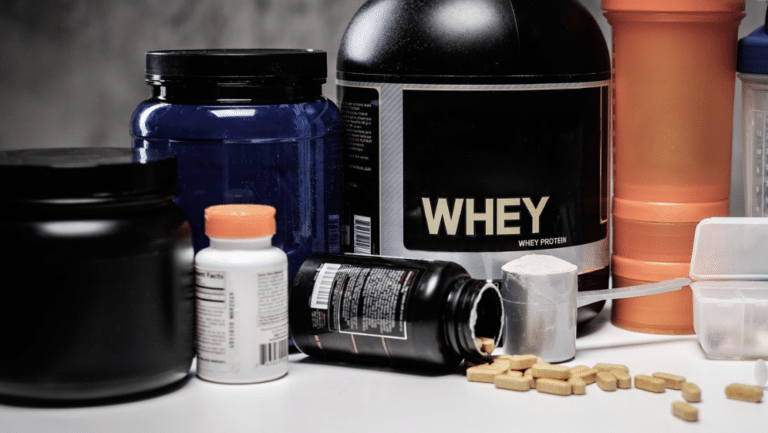
Protein: Proteins are chains of amino acids, and they are the raw material for tissue, enzymes and hormones. Some amino acids have to come from food because the body cannot make them, and they include what is needed for collagen synthesis. That matters here because rehabilitation is muscle work, and muscle needs material to repair with. What the intake data actually show in hEDS is a group eating high fat, high protein and low calorie overall, with mean protein around 77.2 g a day and only 24.7% meeting fibre requirements[17]. There is no trial showing that pushing protein higher improves pain, joint stability or connective tissue in hypermobility, so the target is meeting your requirement, not exceeding it.
There is no protein requirement unique to EDS, but a professional may well need to adjust yours based on your activity level, type of exercise, illnesses like infections, healing from injury, etc.
The Gap in Research for EDS and Diets
The realm of medical research is vast, with numerous studies delving into various health conditions and their treatments. However, when it comes to diets tailored for hypermobility and related conditions like Ehlers-Danlos Syndrome, there’s a noticeable gap in comprehensive research, which unfortunately, does not seem to be getting smaller anytime soon.
While there are many studies on general nutrition and its impact on a range of health conditions, specific research focusing on hypermobility diets remains limited. One of the challenges in this area is the heterogeneity of symptoms among individuals with hypermobility. This makes it difficult to standardise a diet for research purposes.
We then have the fact that hypermobility and EDS are complex multifaceted conditions, influenced by various genetic, environmental, and lifestyle factors. Isolating the impact of diet alone can be a fairly complex endeavour!
The result is that people with hypermobility end up relying on anecdote or on general nutrition advice, and while general advice is not useless, it was not written with this population in mind. The gap is named repeatedly in the literature itself: few direct diet intervention trials, no standardised way of describing gut symptoms and function in hEDS, and limited mechanistic clarity[17]. That vacuum is exactly where misinformation grows, which is the subject of a later section.
One area that has had some research done on it is FODMAPs, so let us take a look at what that says.
So what is the FODMAP diet?
FODMAP is not a single entity, but a group of compounds, including oligosaccharides (fructans, fructo-oligosaccharides = FOS and galacto-oligosaccharides = GOS), disaccharides (lactose), monosaccharides (fructose), and polyols (sorbitol, mannitol, maltitol, xylitol, polydextrose, and isomalt).
That long winded acronym refers to short chain carbohydrates, sugars that are poorly absorbed in the small intestine, so they draw water into the gut and get fermented by gut bacteria, which is where the gas and the bloating come from. A low FODMAP diet is simply a diet low in those, used to reduce the symptoms of irritable bowel syndrome[19].
The insulin and metabolic angle becomes even more important if you’ve also got PCOS, which was renamed PMOS in 2026 to reflect its metabolic and multi-endocrine reality. Our deep dive on PCOS to PMOS and hypermobility covers the overlap in detail.
This one tends to go down well with the people in this community who have gut symptoms. However, it’s always important to note, that working with a professional when it comes to your diet is going to be far more efficient and safer than going it alone. Nutrition is individual, and for every person that swears by the FODMAP diet, there will be another who does not.
A strict low FODMAP diet is not meant to be permanent. The restriction phase is followed by graded reintroduction and then personalisation, keeping in as many FODMAPs as symptoms allow, because long term blanket restriction brings its own problems with nutritional adequacy, cost and quality of life[20][18].
It is fair to say the low FODMAP diet is the best evidenced dietary approach available to this community, and unfair to call it a first line treatment for EDS. Current guidance puts it among the elimination diets that can be considered for gut symptoms, delivered with nutritional counselling to avoid the restrictive eating problems that come with cutting foods out[6].
The evidence sits mostly in IBS rather than in hypermobility. A narrative review concluded that low FODMAP has significant evidence for reducing abdominal discomfort, pain and bloating in children and adults with IBS[19], and where people with diarrhoea predominant IBS were randomly assigned to one diet or the other, response rates were 62.7% on low FODMAP against 40.8% on traditional dietary advice at four weeks, and 52.9% against 30.6% at sixteen weeks[21].
The hypermobility specific signal comes from one retrospective study of 165 people with IBS, in which symptoms improved in both the hypermobile and non hypermobile groups, with the larger benefit appearing in the hypermobile group, mostly in bloating and average symptom score[22]. It had no control group and used a symptom tool that has not been validated, so treat it as a promising signal rather than a settled finding[22].
None of that is surprising given how many people with hypermobility have gut symptoms in the first place. What we would add is a caution rather than a selling point: this is a diet best run with a dietitian, in three defined stages, and not left switched on indefinitely.
How do you do the low FODMAP diet?
As far as hypermobility diets go, the low FODMAP diet is pretty easy to follow. What people seem to struggle with is the sheer restrictions on this diet, which is understandable as there are a lot!
If you can get through the restriction phase, the evidence says it reduces symptoms for a sizeable proportion of people, which is more than can be said for most of the diets aimed at this community.
The FODMAP diet is a three-phase approach designed to help individuals identify and manage foods that trigger gastrointestinal symptoms. Here’s a detailed guide on how to follow the FODMAP diet:
Phase 1: Elimination
In this initial phase, all high FODMAP foods come out of the diet for a few weeks. This allows the gut to calm down and symptoms to settle. It’s important to note that this is not a long-term solution, but a temporary measure to reset the gut.
High FODMAP foods to avoid during this phase include:
Certain vegetables like garlic, onions, artichokes, asparagus, baked beans, beetroot, black-eyed peas, broad beans, butter beans, cauliflower, celery (greater than 5cm of stalk), and many more.
Fruits such as apples, apricots, avocados, ripe bananas, blackberries, cherries, custard apples, dates, figs, grapefruit (over 80g), and others.
Dairy products high in lactose like buttermilk, ricotta cheese, cream, custard, gelato, ice cream, and certain types of milk (cow, goat, sheep’s, evaporated).
Protein sources like chorizo (if garlic added), sausages, and certain legumes/pulses.
Breads & cereals made from wheat/rye/barley, certain breakfast cereals, biscuits, and snack products.
Sugars, sweeteners, and sweets that contain high fructose corn syrup (HFCS), honey, inulin, isomalt, lactitol, maltitol, mannitol, sorbitol, xylitol, and others.
Certain types of alcoholic drinks and protein powders , certain fruit juices, kombucha, meal replacement drinks containing milk-based products, rum, sodas containing HFCS, certain types of tea, and whey protein (unless lactosefree).
One genuinely frustrating part is that sources disagree about what counts as low FODMAP. This is one of several reasons the diet is meant to be delivered by a dietitian, usually across at least two appointments, with symptoms, stool output, weight, adherence and nutrients at risk such as fibre, calcium and iron monitored as you go[20].
Phase 2: Reintroduction
After the elimination phase you reintroduce foods one at a time, and the point is to find out which foods actually cause your symptoms rather than guessing. It is usually done with a dietitian[20].
Phase 3: Personalisation
Once you know which foods trigger symptoms you can personalise from there, limiting those and eating freely from everything else. The goal is a varied diet you enjoy that keeps symptoms manageable, and the reported adherence to that approach after dietitian led counselling sits between 64% and 77%[20].
Remember, everyone’s tolerance to different foods will vary. It’s important to listen to your body and adjust your diet accordingly. It’s also recommended to seek guidance from a healthcare professional or dietitian when following the FODMAP diet to ensure you’re getting all the necessary nutrients.
Nutritional Deficiencies in EDS
Nutritional deficiencies show up in a lot of ways, and fatigue is the most common. That is worth taking seriously in Ehlers-Danlos syndrome and joint hypermobility, where fatigue is already part of the picture. Direct intake data help here. In 425 people with hEDS, diets came out high in protein and fat but low in calories, low in B vitamins and low in vitamin D, with only 24.7% meeting fibre requirements, and the pattern with the lowest food intake had both the worst nutrient adequacy and the highest ARFID scores[17]. The clearest list of what to test comes from guidance written for pregnancy in this population, and it is worth knowing: where somebody is malnourished or has significant gut disease it advises testing rather than assuming, across vitamins A, D, E and K, iron, folate, B12, thiamine and essential fatty acids, and correcting on the basis of the results[11]. The three nutrients that come up most often in practice are vitamin D, vitamin B12 and iron.
Vitamin D: The Sunshine Vitamin
Vitamin D, often dubbed the “sunshine vitamin,” is a fat-soluble vitamin predominantly produced by our bodies when exposed to sunlight. It can also be found in a limited number of foods, such as fatty fish, egg yolks, and fortified dairy products.
There are two primary forms of vitamin D: D2 (ergocalciferol) and D3 (cholecalciferol). Vitamin D3 is the form our skin synthesises when exposed to sunlight, while D2 is primarily found in plant-based sources.
Vitamin D plays a crucial role in calcium absorption and bone mineralisation, helping to maintain the strength of our bones and teeth. It also supports healthy muscle function and a robust immune system, which is particularly important for individuals with EDS/hypermobility.
Katie also suggests that from her experience, the people who do not feel well do not eat well. By choosing comforting/convenient/processed foods most of the time, it’s hard to get enough vitamin D.
Vitamin B12: Essential for Cognitive Function
Vitamin B12 is an essential nutrient that plays a crucial role in many bodily processes. It is necessary for the production of red blood cells, DNA, and the proper functioning of the nervous system. However, many with hypermobility/EDS report deficiency in vitamin B12. Of note, a deficiency here can lead to a condition called megaloblastic anaemia, which is characterised by fatigue, weakness, and shortness of breath.
It is worth noting that many people with EDS also carry a fibromyalgia diagnosis. In a large fibromyalgia cohort, B12 deficiency was common and was independently associated with fatigue, with the odds of fatigue running about 40% higher in the deficient group once other factors were accounted for, and memory problems were also more common in the deficient group[23]. That is an association in a fibromyalgia population, not a demonstration that topping B12 up fixes fatigue.
B12 is a vital nutrient for maintaining good cognitive function, reducing depressive symptoms, and preventing fatigue. However, for those with hypermobility, these symptoms are often experienced even in the absence of vitamin B12 deficiency or neurological disorders. The effectiveness of vitamin B12 supplementation in such cases has been a subject of debate.
That is the association. The treatment question was asked separately, in people who were not deficient and had no advanced neurological disorder[24].
It pooled sixteen trials covering more than six thousand people, and found nothing to support B12, alone or alongside folic acid and vitamin B6, improving any aspect of thinking and memory.
There was no overall effect on mood either. On fatigue, only one of the trials measured it at all, so the honest answer is that the question has not been settled rather than that supplementing does not work.
So B12 supplementation on its own is unlikely to do much for cognition or mood in people who are not deficient and have no neurological disorder[24]. That is not an argument against B12. It is an argument for testing, because a deficiency is worth correcting and a normal level is not worth supplementing.
Worth keeping in mind as well: B12 deficiency can come from medication rather than from diet. Proton pump inhibitors and metformin both interfere with B12 absorption, and both are common in this population.
Iron: Vital for Oxygen Transport
Iron is an essential mineral that plays a critical role within our body, including carrying oxygen in the blood and helping to support immune function. However, iron deficiency is a common health problem worldwide, especially among women and children, and increasingly, those with hypermobility and Ehlers-Danlos syndrome.
Iron deficiency is a common cause of anaemia, where there are not enough red blood cells to carry oxygen around the body. Without enough iron the body cannot make enough haemoglobin, and the result is fatigue, weakness, breathlessness, dizziness, headache, pale skin and a fast heartbeat. Left alone, iron deficiency anaemia gets worse rather than better. Iron sits on that same testing list[11], and restricted diets and food intolerance in POTS and hypermobility are named as a plausible route into deficiencies of iron, B12, folate, fat soluble vitamins and essential fatty acids[25].
Finding and correcting a genuine deficiency is worth doing, and where fatigue has a nutritional component that is where it gets addressed. It is not a guarantee that the fatigue will lift, because fatigue in hypermobility has more than one cause, but it is a cause worth ruling out rather than living with.
Protein Intake For Those With EDS/Hypermobility
Protein isn’t typically the nutrient that springs to mind when discussing nutritional deficits in Ehlers-Danlos Syndrome (EDS). Nevertheless, it is essential for general well-being, and not getting enough protein can worsen numerous symptoms commonly associated with EDS, such as lethargy, delayed healing, and weak muscles.
There is no evidence that people with EDS need more protein than anyone else. What happens in practice is that plenty of people feel better when they increase it, and the likeliest reason is that they were not meeting the baseline in the first place. Intake data in hEDS put mean protein at about 77.2 g a day inside an overall low calorie pattern[17].
This shortfall can happen for several reasons. Poor appetite, a frequent challenge in EDS, often means meals are skipped or portion sizes are smaller than they should be. Digestive discomfort, food sensitivities, or conditions like gastroparesis may lead individuals to avoid protein-rich foods like meats or legumes. Additionally, chronic fatigue and joint pain can make meal preparation exhausting, leading to reliance on convenience foods that are often low in protein.
The result is a subtle but persistent deficiency that can impact everything from energy levels to tissue repair.
Why protein matters in EDS
Amino acids are building blocks of proteins; however, there are some amino acids that the body needs from food because it cannot produce them internally. You can’t do without these amino acids because:
Protein repairs tissue, which is what recovery from a strained muscle, ligament or tendon actually consists of. There is no evidence that collagen supplements do anything for EDS, but eating enough protein does give the body the material it uses to make collagen of its own.
Protein helps keep muscle mass, which is important for the stability of joints and general mobility; it also contributes to energy.
Protein cannot be stored for later use by the body like lipids and carbs can. Therefore, it is crucial to consume it regularly in order to avoid deficiencies.
Are you eating enough protein?
Requirements are set by body weight. For adults that is roughly 0.8 to 1.2 g per kilogram of body weight a day, with the exact figure depending on activity, recovery from injury and recent illness. So somebody weighing 68 kg would need somewhere between 55 and 82 g of protein a day, and that requirement goes up during recovery from injury or surgery and during illness.
Not eating enough protein makes basic maintenance harder, never mind repairing tissue after a session of rehab. Getting to your requirement, whether that comes from food, shakes or supplements, is the part worth attending to, and it is the likeliest explanation for why people who increase their protein often report feeling better. It is the shortfall being corrected rather than the protein doing something special.
Even though people with EDS don’t necessarily require more protein than the average person, many of them aren’t getting enough. Effects on vitality, tissue healing, and resistance to stress can be far-reaching due to this subtle deficit.
You may want to reconsider your protein consumption if you’ve been experiencing chronic tiredness, sluggish healing, or weak muscles. Meeting your requirement, whether that comes from food, shakes or supplements, is one of the cheaper and more boring things on this page, and it is worth getting right before anything more exotic.
Supplements for EDS and Hypermobility
First, the record needs setting straight, because this is one of Katie’s bigger bugbears. Supplements are meant to be the cherry on top of your nutrition. It is in the name: supplement. Worth saying plainly before the list below, because it applies to all of it: nobody has run a clinical trial of magnesium, collagen, vitamin C or psyllium husk for hypermobility or EDS itself. They turn up in symptom directed care and in general nutrition practice, and that is a different claim from proven to help.
However, navigating the world of supplements can feel like a walk in the park on a sunny day or a trek through a dense, foggy forest, depending on how you approach it. There are thousands of options, all of them confident, and working out which of them does anything for conditions like EDS and hypermobility is most of the problem.
So, let’s take a look at some of the most commonly talked about.
The Magnesium and EDS Relationship
Magnesium does a long list of jobs in the body, and a genuine deficiency is worth correcting in anybody, whether or not they are hypermobile. What there is no evidence for is magnesium doing something specific for hypermobility itself.
Constipation is a common complaint in EDS. Some magnesium supplements can help by retaining water in the intestines, making stools softer. However, it’s essential to find the right balance to avoid frequent bathroom trips.
Magnesium is included in electrolyte supplements to replace what is lost in sweat, which is why it turns up in POTS advice. Some people with EDS report migraines and headaches and find magnesium helps, and different forms behave differently, with glycinate and L-threonate often chosen for sleep and mood and oxide for constipation. Take that as clinical practice rather than evidence: none of it has been tested in hypermobility.
Collagen’s Role
Collagen is a vital protein in our body, providing structure and support. But for those with EDS, taking collagen supplements might not be the straightforward solution it seems. Our bodies break down ingested collagen, and genetic factors determine how it’s rebuilt. If there’s a genetic issue, as in EDS, the newly formed collagen might not function optimally. No data exists showing it does what the marketing claims, and the reason is structural: a supplement cannot alter your genetics. For most people this is money going nowhere.
Vitamin C and Hypermobility
Historically, a lack of vitamin C led to conditions like scurvy among sailors. This vitamin is essential for collagen synthesis. There’s ongoing discussion in the medical community about the potential benefits of vitamin C supplements for those with EDS, but more research is definitely needed to back up the many claims around this supplement.
Psyllium Husk Fibre
Derived from the Plantago ovata plant, psyllium husk fibre can be beneficial for digestive health. It acts as a gentle regulator for the digestive system. Worth knowing though: in those with hypermobility, constipation often involves rectal hyposensitivity or dyssynergic defecation rather than simple slow transit, and in those cases adding fibre can make bloating worse rather than better. We’ve covered the mechanisms and the evidence in detail in our guide to constipation in hypermobility and EDS.
Vitamin D Insights
Vitamin D matters for bone health and muscle function, and it is one of the nutrients that comes out low in hEDS intake data[17]. On bone, be careful with what gets repeated online. Across the Ehlers-Danlos syndromes, bone mineral density comes out mildly reduced where it has been compared against healthy controls, and vertebral shape abnormalities look common, but a higher fracture rate has not been clearly established[26]. Lower density on a scan is not the same as more broken bones.
Dangers of FAD diets, and unproven treatments
There is one thing more dangerous than confusion about supplements, and that is fad diets and unproven protocols. Wanting to try anything that might help is entirely understandable. The caution is worth having anyway, and the evidence based version of it is not about any single fad but about restrictive eating without a clear indication or professional support, which current guidance warns about directly[6].
The Cusack Protocol is an example of an unproven protocol that has gained attention in some circles, especially on social media. Here are the potential dangers of relying on unproven protocols:
Lack of Scientific Evidence: Unproven protocols often lack rigorous scientific evidence to support their claims. Without peer-reviewed studies and controlled trials, it’s difficult to determine the efficacy and safety of such protocols.
Potential for Harm: Without proper testing and validation, there’s a risk that the protocol could cause harm or exacerbate existing conditions. This is especially concerning for individuals with underlying health conditions.
False Hope: Relying on unproven protocols can give individuals false hope. When the desired outcomes are not achieved, it can lead to disappointment, frustration, and a sense of hopelessness.
Wasted Resources: Investing time, energy, and money into unproven treatments can divert resources away from evidence-based treatments that might be more beneficial.
Interactions with Other Treatments: Unproven protocols might interfere with or counteract other treatments a person receives, potentially diminishing their effectiveness or causing adverse reactions.
Dangers of Fad Diets
In our modern, fast-paced world, where instant gratification is often the order of the day, the appeal of fad diets is hard to resist. These diets, which often parade themselves as the ultimate solution to our weight and health challenges, have seen a surge in popularity. But, if we scratch beneath the surface, we’ll find that these seemingly magical solutions come with a host of hidden dangers:
Nutritional Imbalances
One of the most glaring issues with fad diets is the risk of nutritional deficiencies. When you start cutting out or severely limiting certain food groups, you’re not just missing out on some of your favourite dishes. You’re potentially depriving your body of essential nutrients it needs to function optimally. For instance, diets that advocate for minimal carbohydrates might seem like a quick fix, but in the long run, they can rob your body of vital nutrients found in fruits, vegetables, and grains. This deprivation can lead to deficiencies in essential vitamins, minerals, and dietary fibre, which in turn can have a cascade of negative effects on your health.
The Illusion of Short-Term Gains
Sure, fad diets can offer a tantalisingly quick drop in weight. But here’s the thing: they rarely, if ever, provide a lasting solution. Their focus is predominantly on immediate, often drastic results, sidelining the importance of cultivating long-term healthy eating habits. This narrow vision can lead individuals down the path of yo-yo dieting, a frustrating cycle of losing and regaining weight. This not only wreaks havoc on the body’s metabolism but can also be incredibly disheartening for the individual.
Potential Health Hazards
Beyond the risk of missing out on your favourite foods, extreme dietary restrictions can pose serious health threats. From the discomfort of dehydration to the more severe risks of malnutrition, the dangers are real and varied. Very occasionally, in people who already have a reason to be vulnerable to it, severe carbohydrate restriction has been linked with ketoacidosis, which is a genuine medical emergency rather than a scare word. That is rare. The common outcome is simply being short of things your body needs.
The Mental and Emotional Toll
The psychological implications of fad diets are profound, yet they often fly under the radar. By promoting an unhealthy relationship with food, these diets can lead to obsessions, guilt, and heightened anxiety around eating habits. Over time, this can snowball into more severe eating disorders, not to mention a distorted and unhealthy body image.
Promises, Promises
Fad diets are notorious for their grandiose promises. “Lose 10 pounds in a week!” or “Detox your body in just three days!” Such claims can be incredibly enticing. However, these unrealistic expectations can set individuals up for inevitable disappointment. When the results don’t match the hype, feelings of inadequacy and failure often follow.
The Financial Strain
Let’s not forget the economic implications. Many fad diets heavily promote expensive supplements, rare superfoods, or unique meal plans. While investing in health is commendable, pouring money into these often unproven and short-lived diets might not offer any substantial long-term benefits. It’s like buying a shiny new toy that loses its appeal in a few days.
The pull of a quick fix is real, and good things still take time. Rather than a shortcut, the better investment is understanding your own body, getting advice from professionals you trust, and taking an approach you can sustain. That matters more than usual in this population, because reviews of nutrition support in hypermobility with POTS or MCAS argue that tube and intravenous feeding sometimes get started before conservative and behavioural options have been properly tried, and that escalation should follow a coordinated assessment rather than symptom severity alone[27].
When cutting foods turns into something else
Everything above assumes that cutting a food out is a decision you make once and then review. Often it is not. It usually starts sensibly: you eat something, you feel dreadful afterwards, you stop eating it. Do that a few dozen times across a few years and the list of foods you trust gets very short, without anybody ever deciding that it should.
This is common enough to have been measured. In 680 adults with hEDS or HSD, 62.1% had changed their diet in the previous year and 62.3% regularly skipped meals, and among those who had changed their diet, 31.7% went on to need some form of nutrition support[1]. The striking part is what predicted needing that support. It was not how severe the gut symptoms were. The strongest predictor was fear of eating. In those who had it, the odds of needing nutrition support were about five times higher, and the range around that estimate stayed above two even at its lowest[1].
What ARFID actually is
ARFID stands for avoidant restrictive food intake disorder, and most people in this community have never had it explained to them, so here it is. It is restricted eating that has nothing to do with weight or body shape. Nobody with ARFID is trying to be smaller. The restriction is driven by one or more of three things: very little interest in food or appetite, sensory aversion to how food tastes, smells or feels, and fear of what eating will do, such as choking, vomiting or pain[28]. Those drivers overlap more often than they appear separately.
Put like that, you can see why it turns up here. When eating has genuinely made you feel ill several hundred times, avoiding food is not an irrational fear. It is a learned one, and the learning was accurate. In a review of the hypermobility literature, 37.9% of a cohort of 680 people with hEDS or HSD screened positive for ARFID, far above general population estimates for diagnosed ARFID, although a positive screen is not a diagnosis and the two are not the same measure[29].
The pattern shows up in the eating disorder literature too. Set against healthy controls, women with EDS reported more gastrointestinal symptoms, more food allergies and intolerances, more history of an eating disorder, higher current eating disorder risk and lower body mass index[30]. A later survey in the same population traced the route: gut problems tracked with painful eating, painful eating with fearful eating, and fearful eating with avoiding food altogether[29]. In one specialist EDS clinic, 19% of people assessed reported disordered eating[31].
Two things follow from that, and they pull in opposite directions. Gastroenterology reviews point out that telling a primary eating disorder apart from restriction driven by hypermobility is genuinely difficult, particularly in young women who are underweight and have significant gut symptoms[32]. At the same time, the restriction is not always explained by the gut being measurably broken: antroduodenal manometry in symptomatic HSD and hEDS found enteric dysmotility in only 13%, with the authors pointing at ARFID, visceral hypersensitivity and autonomic symptoms as part of what else is going on[33].
What to do if this sounds familiar
If your list of safe foods has been shrinking for a while, that is worth saying out loud to somebody, and saying early. Not because you have done anything wrong, and not because your symptoms are imaginary, but because the nutritional cost accumulates quietly while the short term relief is real. Restrictive eating without a clear indication and without professional support is the thing current guidance warns about most plainly[6], and the treatment research for the ARFID and gut symptom overlap is still thin, with only a couple of small studies suggesting cognitive behavioural approaches help[34].
You do not need a diagnosis to ask for help, and you do not need to be underweight either. In the UK, Beat runs free helplines and has a plain explanation of what ARFID is. In the United States, the National Eating Disorders Association and ANAD both run free support services. A dietitian who understands both gut symptoms and eating behaviour is the other useful phone call, because the answer here is almost never to simply eat more, and almost always to widen the list of foods slowly, with somebody keeping an eye on what you are short of while you do it.
Lifestyle Factors and EDS Management
Living with EDS and hypermobility is a unique experience, requiring a deep understanding and adaptation to one’s own body. The choices we make daily can have a profound impact on the symptoms associated with these conditions. Let’s delve deeper into these lifestyle factors.
Managing EDS symptoms isn’t just about medication or therapy; it’s about building a strong foundation of healthy habits:
Prioritising sleep with hypermobility
Sleep is more than just rest; it’s a time for the body to heal and rejuvenate. For those with EDS, ensuring consistent and quality sleep is paramount. This means creating a sleep environment free from distractions, maintaining regular sleep schedules, and ensuring the body gets the recommended 7-9 hours of sleep. Over time, this can lead to improved energy levels, better cognitive function, and reduced pain sensitivity.
What keeps the nervous system switched on at night in hypermobility, EDS and fibromyalgia, and what actually shifts it. No list about screens and camomile tea.
Balanced Nutrition:
A well-balanced diet is crucial for everyone, but for those with EDS, it can make a significant difference. This involves reducing processed foods and focusing on a mix of proteins, carbohydrates, fresh vegetables, and healthy fats. Additionally, understanding any food sensitivities and adjusting one’s diet can lead to better digestive health and overall symptom management.
Alcohol intolerance and food sensitivities:
For many with EDS or hypermobility disorders, certain substances like alcohol or specific foods can trigger adverse reactions. These aren’t just minor discomforts; they can significantly disrupt daily life. It’s essential to identify these triggers. Some may experience heightened symptoms after consuming even small amounts of alcohol, while others might find that certain foods lead to digestive issues or heightened fatigue. By understanding and avoiding these triggers, we can better manage our symptoms.
Staying Hydrated:
Hydration plays a pivotal role in overall health. For those with EDS, it can help manage symptoms like fatigue and low blood pressure. This doesn’t just mean drinking when thirsty but ensuring consistent hydration throughout the day. This can involve drinking water, herbal teas, and other low-sugar beverages, and also being mindful of foods with high water content.
Embracing Regular Physical Activity:
Physical activity is beneficial for everyone, but for those with EDS, it can be transformative. Tailored Ehlers Danlos syndrome exercises, like low-impact activities such as swimming or cycling, can improve cardiovascular health, aid digestion, and strengthen muscles, which in turn can support vulnerable joints. Moreover, regular movement can help regulate blood sugar levels, supporting metabolic health.
Who should I see for my Diet?
Navigating the complex world of nutritional concerns requires a collaborative effort between dietitians and doctors when it comes to hypermobility and EDS. Their roles, though, whilst very distinct, intertwine seamlessly to ensure that individuals in the community receive comprehensive care, that is tailored to their individual circumstances.
Dietitians do the heavy lifting on the gastrointestinal side. They can go through what you actually eat, help you identify triggers and shortfalls, and build a plan that addresses them without leaving you short of anything. That includes the practical end of it, which is often the part that decides whether a plan survives contact with a bad week.
But it’s not just about what you eat; it’s also about how you eat. Recognising the challenges faced by many with EDS, dietitians often provide ingenious strategies to make nutrition accessible. Think of meal ideas that are not only nutritious but also require minimal physical effort, reducing the strain on hypermobile joints.
On the other side of the spectrum, we have doctors, they are the ones who delve into the nitty-gritty of medical testing, be it for nutritional deficiencies or gastrointestinal conditions like Small Intestinal Bacterial Overgrowth (SIBO), inflammatory bowel disease, and even ulcers. Their role doesn’t just end with diagnosis though. They also prescribe medications, ensuring that individuals receive the right treatment to manage their symptoms effectively.
Both dietitians and doctors play crucial roles, and when it comes to managing EDS and hypermobility-related nutrition concerns, it is most definitely a collaborative effort. It’s a dance between the expertise of these professionals and the lived experiences of individuals. Between them they cover the two halves of this, which is what somebody actually eats and what the tests say.
In wrapping up our mammoth article on nutrition and its relationship with Ehlers-Danlos Syndrome and hypermobility syndromes, it’s paramount to understand that there isn’t a universal “best diet” for hypermobility. Each individual’s nutritional needs and responses can vary widely.
Those with EDS should approach their dietary choices with the same care and consideration as anyone else, focusing on a balanced and nutritious diet that caters to their unique requirements. It’s crucial to steer clear of fad diets or unverified claims, instead grounding one’s choices in sound nutritional science, using professionals to help you along the way.
Engaging with healthcare professionals, such as dietitians and doctors, can provide invaluable guidance in this journey. Ultimately, the aim isn’t to chase after a mythical perfect diet but to make informed and sustainable choices that bolster overall health and help manage the symptoms associated with EDS.
That’s all from us here at The Fibro Guy, we hope you enjoyed reading the new and improved diet article. A big shoutout to Katie for helping us ensure this article was sound and contained solid science backed advice.
Until next time friends.
The Fibro Guy
References
[1] Topan, R., Pandya, S., Williams, S., Ruffle, J.K., Zarate-Lopez, N., Aziz, Q. et al. (2024) ‘Comprehensive Assessment of Nutrition and Dietary Influences in Hypermobile Ehlers-Danlos Syndrome—A Cross-Sectional Study’, American Journal of Gastroenterology. https://doi.org/10.14309/ajg.0000000000002586
[2] Choudhary, A., Fikree, A. and Aziz, Q. (2021) ‘Overlap between irritable bowel syndrome and hypermobile Ehlers–Danlos syndrome: An unexplored clinical phenotype?’, American Journal of Medical Genetics Part C: Seminars in Medical Genetics. https://doi.org/10.1002/ajmg.c.31938
[3] Lam, C.Y., Palsson, O.S., Whitehead, W.E., Sperber, A.D., Tornblom, H., Simren, M. et al. (2021) ‘Rome IV Functional Gastrointestinal Disorders and Health Impairment in Subjects With Hypermobility Spectrum Disorders or Hypermobile Ehlers-Danlos Syndrome’, Clinical Gastroenterology and Hepatology. https://doi.org/10.1016/j.cgh.2020.02.034
Read More[4] Alomari, M., Hitawala, A., Chadalavada, P., Covut, F., Al Momani, L., Khazaaleh, S. et al. (2020) ‘Prevalence and Predictors of Gastrointestinal Dysmotility in Patients with Hypermobile Ehlers-Danlos Syndrome: A Tertiary Care Center Experience’, Cureus. https://doi.org/10.7759/cureus.7881
[5] Carbone, F., Fikree, A., Aziz, Q. and Tack, J. (2020) ‘Joint Hypermobility Syndrome in Patients With Functional Dyspepsia’, Clinical and Translational Gastroenterology. https://doi.org/10.14309/ctg.0000000000000220
[6] Aziz, Q., Harris, L.A., Goodman, B.P., Simrén, M. and Shin, A. (2025) ‘AGA Clinical Practice Update on GI Manifestations and Autonomic or Immune Dysfunction in Hypermobile Ehlers-Danlos Syndrome: Expert Review’, Clinical Gastroenterology and Hepatology. https://doi.org/10.1016/j.cgh.2025.02.015
[7] Penny, H.A., Aziz, I. and Lam, C. (2024) ‘Mast cell activation and nutritional disorders in patients with hypermobility’, Current Opinion in Gastroenterology. https://doi.org/10.1097/mog.0000000000001008
[8] Sood, V., Kaul, A., El‐Chammas, K.I., Mukkada, V.A., Sun, Q., Fei, L. et al. (2024) ‘High prevalence of gastrointestinal disorders in a large cohort of patients with joint hypermobility’, Journal of Pediatric Gastroenterology and Nutrition. https://doi.org/10.1002/jpn3.12245
[9] Garland, E.M., Gamboa, A., Nwazue, V.C., Celedonio, J.E., Paranjape, S.Y., Black, B.K. et al. (2021) ‘Effect of High Dietary Sodium Intake in Patients With Postural Tachycardia Syndrome’, Journal of the American College of Cardiology. https://doi.org/10.1016/j.jacc.2021.03.005
[10] NHS (2023) ‘Salt in your diet’. https://www.nhs.uk/live-well/eat-well/food-types/salt-in-your-diet/
[11] Pezaro, S., Brock, I., Buckley, M., Callaway, S., Demirdas, S., Hakim, A. et al. (2024) ‘Management of childbearing with hypermobile Ehlers-Danlos syndrome and hypermobility spectrum disorders: A scoping review and expert co-creation of evidence-based clinical guidelines’, PLOS ONE. https://doi.org/10.1371/journal.pone.0302401
[12] Loughlin, E.A., Judge, C.S., Gorey, S.E., Costello, M.M., Murphy, R.P., Waters, R.F. et al. (2020) ‘Increased Salt Intake for Orthostatic Intolerance Syndromes: A Systematic Review and Meta-Analysis’, The American Journal of Medicine. https://doi.org/10.1016/j.amjmed.2020.05.028
[13] Shannon, J.R., Diedrich, A., Biaggioni, I., Tank, J., Robertson, R.M., Robertson, D. et al. (2002) ‘Water drinking as a treatment for orthostatic syndromes’, The American Journal of Medicine. https://doi.org/10.1016/s0002-9343(02)01025-2
[14] Z’Graggen, W.J., Hess, C.W. and Humm, A.M. (2010) ‘Acute fluid ingestion in the treatment of orthostatic intolerance – important implications for daily practice’, European Journal of Neurology. https://doi.org/10.1111/j.1468-1331.2010.03030.x
[15] Venezia, J., Ahmad, A., Kadariya, J., Xu, H. and Shin, A. (2023) ‘S634 Prevalence of Food Intolerance and Associations with Global Health and Psychological Symptoms in Adults with Ehlers-Danlos Syndrome (EDS) or Hypermobile EDS in the United States’, American Journal of Gastroenterology. https://doi.org/10.14309/01.ajg.0000952176.49606.ce
[16] Zha, K., Brook, J., McLaughlin, A. and Blitshteyn, S. (2023) ‘Gluten-free diet in postural orthostatic tachycardia syndrome (POTS)’, Chronic Illness. https://doi.org/10.1177/17423953221076984
[17] Topan, R., Pandya, S., Chance, P., Zarate-Lopez, N., Aziz, Q., Bassett, P. et al. (2026) ‘Nutrient intake, dietary patterns and relationship to symptoms and comorbidities in hypermobile Ehlers-Danlos syndrome’, Clinical Nutrition. https://doi.org/10.1016/j.clnu.2025.11.022
[18] Bellini, M., Tonarelli, S., Nagy, A., Pancetti, A., Costa, F., Ricchiuti, A. et al. (2020) ‘Low FODMAP Diet: Evidence, Doubts, and Hopes’, Nutrients. https://doi.org/10.3390/nu12010148
[19] Morariu, I.D., Avasilcai, L., Vieriu, M., Lupu, V.V., Morariu, B.A., Lupu, A. et al. (2023) ‘Effects of a Low-FODMAP Diet on Irritable Bowel Syndrome in Both Children and Adults—A Narrative Review’, Nutrients. https://doi.org/10.3390/nu15102295
[20] Whelan, K., Martin, L.D., Staudacher, H.M. and Lomer, M.C.E. (2018) ‘The low FODMAP diet in the management of irritable bowel syndrome: an evidence‐based review of FODMAP restriction, reintroduction and personalisation in clinical practice’, Journal of Human Nutrition and Dietetics. https://doi.org/10.1111/jhn.12530
[21] Goyal, O., Batta, S., Nohria, S., Kishore, H., Goyal, P., Sehgal, R. et al. (2021) ‘Low fermentable oligosaccharide, disaccharide, monosaccharide, and polyol diet in patients with diarrhea‐predominant irritable bowel syndrome: A prospective, randomized trial’, Journal of Gastroenterology and Hepatology. https://doi.org/10.1111/jgh.15410
[22] Fragkos, K.C., Keetarut, K., Cox, A., Eady, J., Emmanuel, A.V. and Zarate-Lopez, N. (2019) ‘Joint Hypermobility Syndrome Affects Response to a Low Fermentable Oligosaccharide, Disaccharide, Monosaccharide and Polyol Diet in Irritable Bowel Syndrome Patients: A Retrospective Study’, Gastroenterology Research. https://doi.org/10.14740/gr1133
[23] Munipalli, B., Strothers, S., Rivera, F., Malavet, P., Mitri, G., Abu Dabrh, A.M. et al. (2022) ‘Association of Vitamin B12, Vitamin D, and Thyroid-Stimulating Hormone With Fatigue and Neurologic Symptoms in Patients With Fibromyalgia’, Mayo Clinic Proceedings: Innovations, Quality & Outcomes. https://doi.org/10.1016/j.mayocpiqo.2022.06.003
[24] Markun, S., Gravestock, I., Jäger, L., Rosemann, T., Pichierri, G. and Burgstaller, J.M. (2021) ‘Effects of Vitamin B12 Supplementation on Cognitive Function, Depressive Symptoms, and Fatigue: A Systematic Review, Meta-Analysis, and Meta-Regression’, Nutrients. https://doi.org/10.3390/nu13030923
[25] Guedry, S.E., Langley, B.O., Schaefer, K. and Hanes, D.A. (2024) ‘Integrative medicine for hypermobility spectrum disorders (HSD) and Ehlers-Danlos syndromes (EDS): a feasibility study’, Disability and Rehabilitation. https://doi.org/10.1080/09638288.2024.2314713
[26] Basalom, S. and Rauch, F. (2020) ‘Bone Disease in Patients with Ehlers–Danlos Syndromes’, Current Osteoporosis Reports. https://doi.org/10.1007/s11914-020-00568-5
[27] Katz, J., Angeli, A.M., Alicea, A. and Austin, K. (2026) ‘Gastrointestinal Manifestations and Nutrition Support in Hypermobile Ehlers-Danlos, Postural Orthostatic Tachycardia, and Mast Cell Activation Syndromes’, Current Gastroenterology Reports. https://doi.org/10.1007/s11894-026-01050-5
[28] Flack, R., Brownlow, G., Burton-Murray, H., Palsson, O. and Aziz, I. (2026) ‘The Prevalence and Burden of Avoidant/Restrictive Food Intake Disorder Symptoms in Adults With Disorders of Gut-Brain Interaction: A Population-Based Study’, Gastroenterology. https://doi.org/10.1053/j.gastro.2025.07.043
[29] Baeza-Velasco, C., Tasa-Vinyals, E., Espinoza, P., Guillaume, S., Mora, M.S., Bulbena, A. et al. (2026) ‘Insights in altered eating behaviors in women with Ehlers-Danlos syndromes’, Eating and Weight Disorders – Studies on Anorexia, Bulimia and Obesity. https://doi.org/10.1007/s40519-026-01872-2
[30] Baeza-Velasco, C., Lorente, S., Tasa-Vinyals, E., Guillaume, S., Mora, M.S. and Espinoza, P. (2021) ‘Gastrointestinal and eating problems in women with Ehlers–Danlos syndromes’, Eating and Weight Disorders – Studies on Anorexia, Bulimia and Obesity. https://doi.org/10.1007/s40519-021-01146-z
[31] Slepian, P.M., Axenova, K., McCarthy, M., Siegal, R., Gobin, K., Weinrib, A. et al. (2025) ‘Rates of mental health concerns among individuals assessed at the GoodHope Ehlers-Danlos Syndrome Clinic’, Orphanet Journal of Rare Diseases. https://doi.org/10.1186/s13023-025-03550-5
[32] Thwaites, P.A., Gibson, P.R. and Burgell, R.E. (2022) ‘Hypermobile Ehlers–Danlos syndrome and disorders of the gastrointestinal tract: What the gastroenterologist needs to know’, Journal of Gastroenterology and Hepatology. https://doi.org/10.1111/jgh.15927
[33] Sweerts, K.W.E., Mujagic, Z., Keszthelyi, D. and Conchillo, J.M. (2025) ‘Analysis of Antroduodenal Motility in Patients With Hypermobility Spectrum Disorders/Hypermobile Ehlers–Danlos Syndrome’, Alimentary Pharmacology & Therapeutics. https://doi.org/10.1111/apt.18471
[34] Mikhael‐Moussa, H., Bertrand, V., Lejeune, E., Dupont, C., Aupetit, A., Achamrah, N. et al. (2025) ‘The Association of Avoidant/Restrictive Food Intake Disorder (ARFID) and Neurogastroenterology Disorders (Including Disorders of Gut–Brain Interaction [DGBI]): A Scoping Review’, Neurogastroenterology & Motility. https://doi.org/10.1111/nmo.70039